

In the volatile landscape of the video game industry, where multi-million dollar marketing campaigns often dictate which titles capture the public’s imagination, a quiet shift is occurring. Even in a year defined by the meteoric rise of Palworld—the survival-crafting sensation that shattered Steam records—industry veterans are pointing toward a much smaller, humble project as the true hidden gem of the season.
John Buckley, the Head of Publishing at Pocketpair, recently sent shockwaves through the indie development community when he bypassed the corporate polish of his own titles to champion a small-scale, two-person project: Combolands. In a candid endorsement, Buckley described the title as “the best indie of the year,” placing it in the same addictive echelon as the 2024 sensation Balatro.
The Rise of a Tiny Titan: What is Combolands?
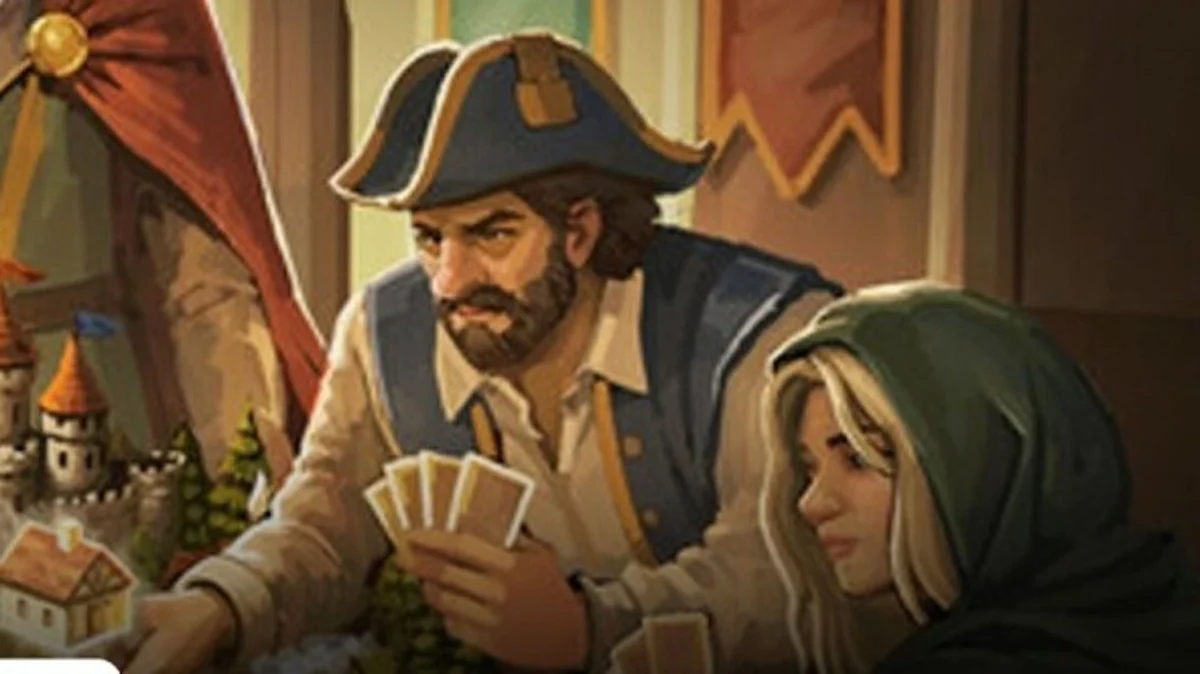
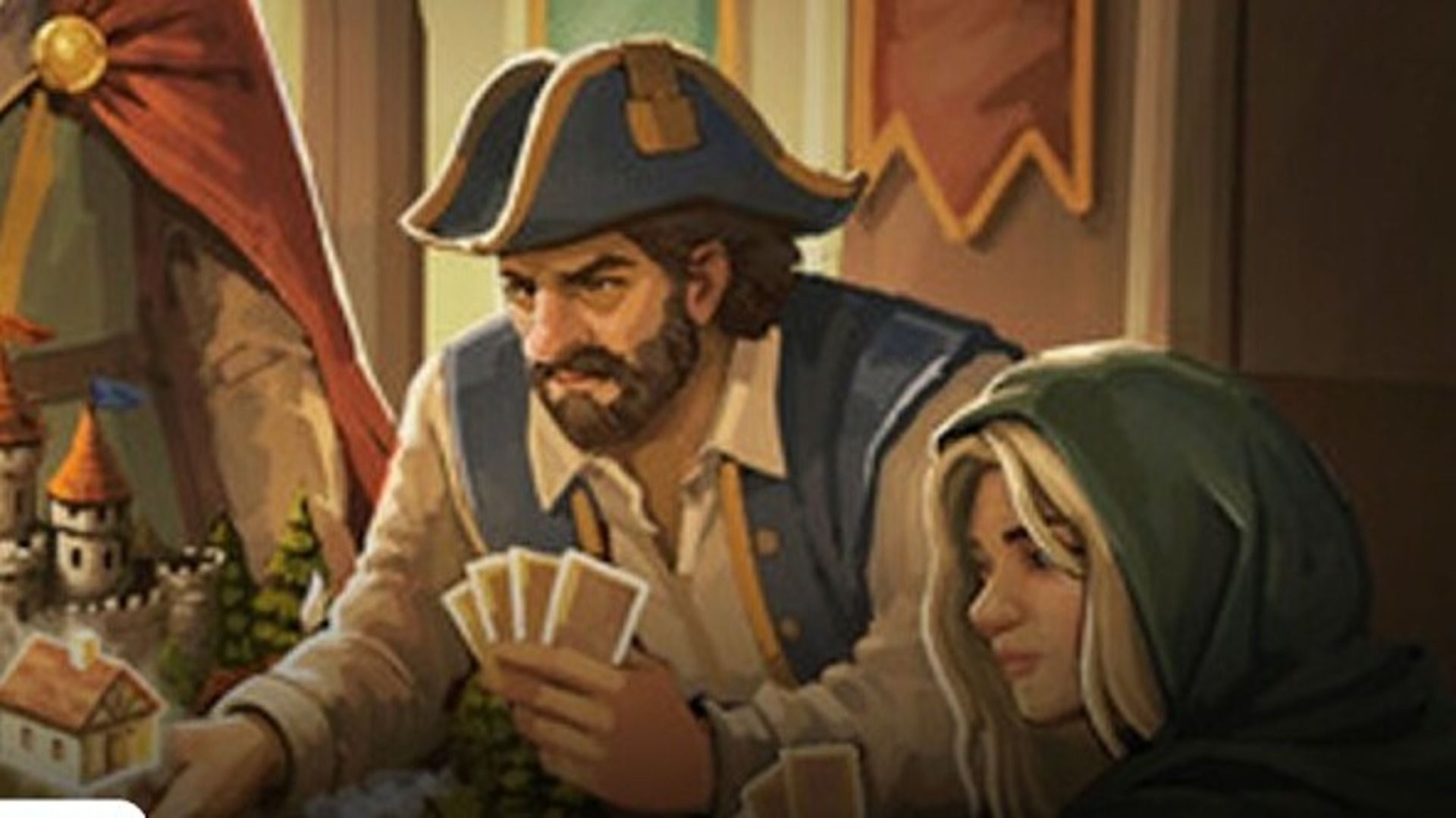
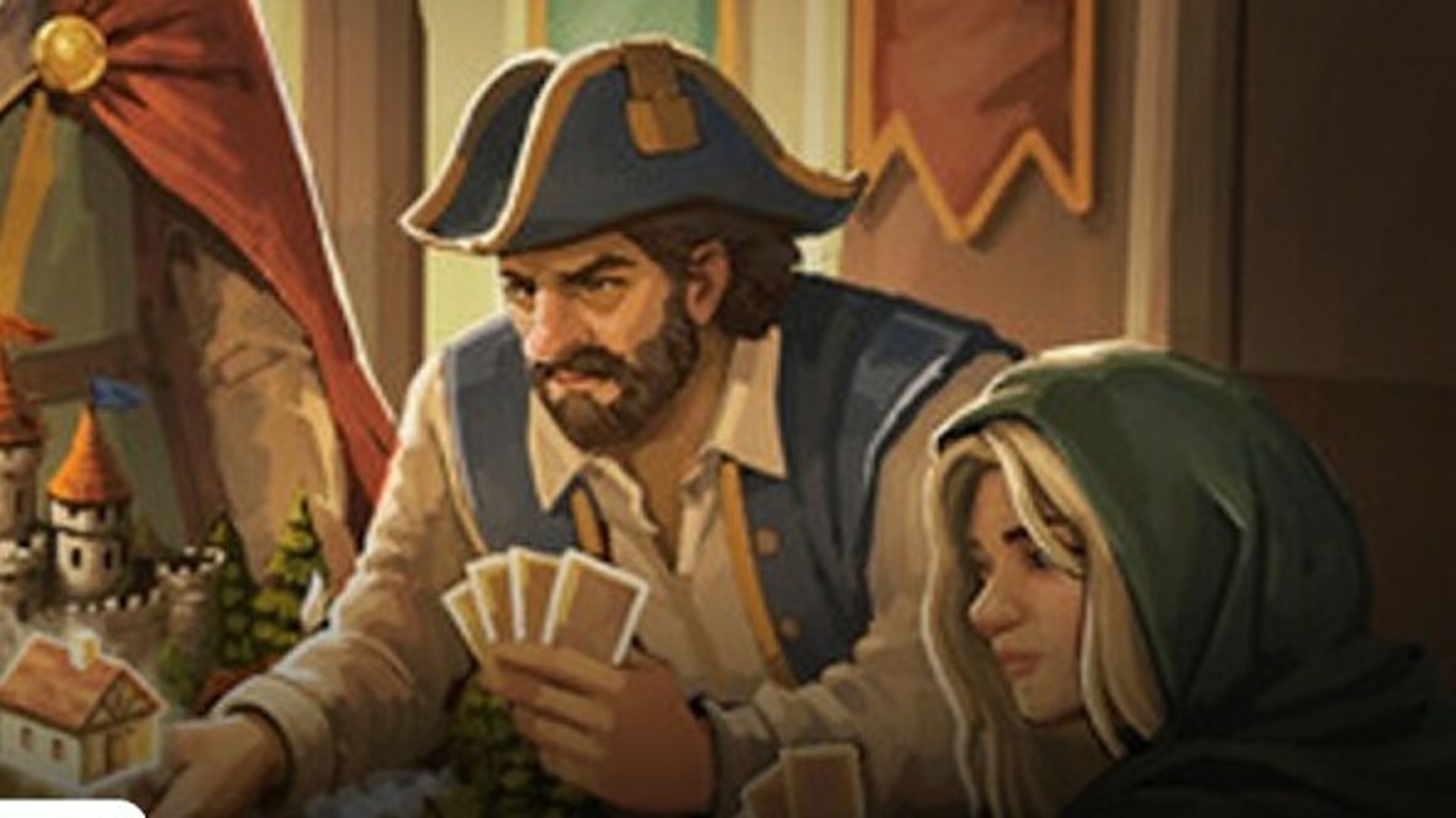
Combolands is a masterclass in focused design. Developed by the two-person team at Crux Games, the title is an intricate fusion of city-building, roguelike mechanics, and deckbuilding strategy. Unlike massive open-world RPGs that demand hundreds of hours of commitment, Combolands is designed for the modern, time-strapped gamer.
The core loop is deceptively simple: players are tasked with placing buildings on a grid to trigger powerful synergies and "cascading combos." As players progress, they unlock various guilds, each providing a unique set of strategic advantages and drawbacks. The objective is to transform a modest, fledgling settlement into a sprawling, efficient metropolis—all within satisfying, high-intensity 30-minute sessions.
The brilliance of the game lies in its "number-go-up" satisfaction. By layering roguelike randomness with deliberate city-building strategy, Crux Games has managed to create a gameplay experience that feels both cerebral and immensely rewarding. It is a game that respects the player’s time while offering the kind of deep, emergent complexity usually reserved for sprawling strategy games.
A Chronology of Success: From Shadow Launch to Steam Stardom
The trajectory of Combolands has been a testament to the power of organic word-of-mouth marketing.
- Initial Development: Crux Games, operating as a lean two-person operation, spent months refining the balance between the RNG (random number generation) of roguelikes and the tactical planning required for city-builders.
- The Steam Release: Upon its arrival on the Steam platform, the game initially flew under the radar, finding an audience among niche strategy enthusiasts.
- The "Buckley Bump": On September 23, 2026, John Buckley’s public endorsement via X (formerly Twitter) acted as a catalyst. His declaration of a “10/10” score brought a sudden influx of traffic to the game’s store page.
- Critical Mass: Following the endorsement, the game saw a surge in player engagement. This was not a fleeting spike; rather, it was solidified by the community’s reaction, which resulted in an “Overwhelmingly Positive” rating on Steam, with 97% of reviews praising the game’s addictive quality.
Supporting Data: Why the Industry is Taking Notice
The success of Combolands is not merely anecdotal; the data backing its reception is significant for a title with such a small development footprint. In the world of PC gaming, reaching an “Overwhelmingly Positive” status on Steam is a difficult hurdle that often requires not just a polished product, but one that resonates emotionally with the player base.
The game’s appeal spans several demographics:
- The Roguelike Crowd: Players who enjoy the tension of "run-based" gameplay and the thrill of the unknown.
- The Strategy Purists: Those who appreciate the granular control of city-building.
- The "Short-Burst" Demographic: Gamers who prefer sessions that fit into a lunch break or a quick evening wind-down, a segment that has grown exponentially since the success of Balatro.
The efficiency of Crux Games is also a point of industry fascination. In an era where "AAA" development cycles frequently balloon into 5–7 year marathons, the ability for a two-person team to produce a highly polished, addictive, and mechanically sound title in a relatively short timeframe provides a stark contrast to the industry norm.
Official Perspectives: The Value of Peer Support
John Buckley’s decision to elevate Combolands is emblematic of a broader, healthier trend in the gaming industry: established developers using their platforms to uplift independent creators. While Pocketpair is an established titan with roughly 100 employees, the acknowledgement that a two-person team can outshine massive studio efforts in terms of "addictive design" is a refreshing dose of humility.
"I strongly recommend you guys check it out on Steam, even if you think you won’t like it," Buckley noted in his social media post. This appeal to "genre skeptics" is key. Many gamers feel "allergic" to the roguelike label, often associating it with extreme difficulty or frustration. By framing Combolands as a game that transcends these labels, Buckley effectively opened the door for players who might have otherwise scrolled past the title.
Crux Games has remained relatively quiet in the wake of the attention, focusing their energy on post-launch updates and community engagement. Their silence serves to highlight the product itself—a minimalist, focused experience that doesn’t rely on hype cycles or grand promises.
Implications for the Future of Indie Gaming
The success of Combolands carries several implications for the future of the medium:
1. The Death of the "Length Equals Value" Fallacy
For years, the industry was obsessed with "playtime per dollar." Games were marketed based on having 100+ hours of content. Combolands joins a growing list of titles that prove players are more interested in the density of fun than the duration of the experience. 30 minutes of high-quality, strategic engagement is increasingly seen as more valuable than 30 hours of repetitive filler.
2. The Rise of Micro-Genres
The "roguelike-deckbuilder" or "roguelike-citybuilder" mashup is a burgeoning sub-genre. By taking the mechanics of one established genre and applying the structure of another, developers are finding new ways to innovate without needing to build an entirely new engine from scratch. This allows for smaller teams to compete with larger studios by focusing on "mechanical innovation" rather than "graphical fidelity."
3. The Power of "Genre-Agnostic" Design
As seen in the case of Balatro and now Combolands, games that successfully bridge the gap between genres reach wider audiences. When a game offers the satisfaction of a puzzle, the strategy of a city-builder, and the unpredictability of a roguelike, it stops being a "niche" title and starts being a "must-play" experience.
4. Community-Led Discoverability
The traditional gatekeepers of game discovery—large press outlets and platform-wide front-page features—are slowly being supplemented by a more decentralized model. When industry leaders, streamers, and influencers signal-boost a high-quality title, the "algorithm" of word-of-mouth becomes more powerful than any paid marketing campaign.
Conclusion: A Lesson in Focus
In reflecting on the year’s gaming highlights, it is easy to get lost in the noise of massive, sprawling releases. However, Combolands reminds us that the spirit of innovation is often found in the corners of the industry, where small teams are free to experiment with mechanics that larger studios might deem "too risky."
For those who have been hesitant to dive into the world of roguelikes or city-builders, Combolands serves as a perfect entry point. It is not trying to be a 100-hour life-consuming experience. It is simply, and effectively, a 10/10 game. As John Buckley’s recommendation suggests, even if you think you won’t like it, the sheer craft and addictive nature of this two-person project are enough to warrant a look.
In the end, the success of Combolands is a victory for the medium as a whole. It proves that there is always room for a clever, well-executed idea, and that the "best indie of the year" doesn’t need a massive budget—it just needs a deep, satisfying "number-go-up" loop and the courage to stand out in a crowded market. Whether you are a fan of complex strategy or just looking for your next 30-minute obsession, Combolands is a title that demands your attention.

