

Published: October 20, 2026
Author: Ryan Epps
Main Facts
The universe of Avatar has undergone a dramatic aesthetic evolution. Avatar: Seven Havens, the latest series in the celebrated franchise, departs from the familiar stylistic templates of The Last Airbender and The Legend of Korra. Instead of traditional fantasy kingdoms, the new series introduces audiences to post-apocalyptic alien landscapes characterized by jagged orange mountains, vast and unforgiving deserts, and ominous, glowing green storms.
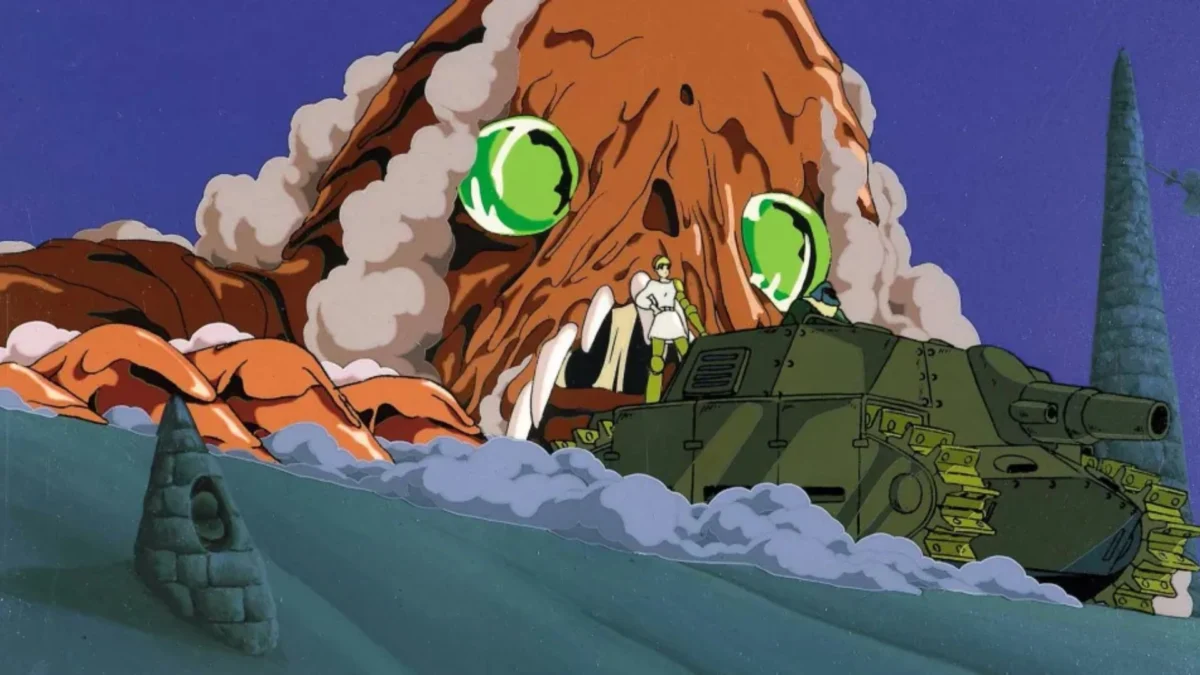
Rather than relying on straightforward exposition, the series utilizes its backdrop—littered with ancient, unidentifiable structures jutting out of barren wastelands—to tell a deeper story. This haunting visual style draws heavily from iconic international art movements, specifically the works of legendary French comic artist Jean Giraud (Moebius), Hayao Miyazaki’s foundational anime Nausicaä of the Valley of the Wind, and the expansive worldbuilding traditions of 1970s and 1980s science fiction.
At the center of this world are Pavi and Nisha, twin Avatars who navigate a society that views them not as saviors, but as the historical catalysts responsible for global ruin.
Chronology of Inspirations and Production
To understand how Avatar: Seven Havens achieved its striking visual makeover, one must trace the artistic lineage cited by creators Bryan Konietzko and Ethan Spaulding during their panel at New York Comic Con (NYCC) 2026.
- The 1970s and 1980s Speculative Anime Wave: Long before Seven Havens was conceived, Japanese animation of the 1970s and 1980s began pushing the boundaries of speculative fiction. Series such as Leiji Matsumoto’s Space Pirate Captain Harlock, Galaxy Express 999, Space Battleship Yamato, and Hayao Miyazaki’s early television work like Future Boy Conan established a tradition of sprawling, melancholic worldbuilding. In these stories, decaying monolithic relics and ruined landscapes were used to make human survival feel precarious against the vast scale of the universe.
- 1984 – Nausicaä of the Valley of the Wind: Hayao Miyazaki released his landmark film, presenting a post-apocalyptic world choked by a toxic fungal forest where humanity struggles to survive alongside overwhelming natural forces. Miyazaki’s aesthetic—and his deep mutual admiration for French artist Moebius—set a high-water mark for blending environmental awe with existential dread.
- The Legacy of Moebius: French artist Jean Giraud (Moebius), known for his work in Arzach and the sci-fi anthology magazine Métal Hurlant, established a distinct visual language for alien worlds. His precise line art, flat color gradients, and solitary figures framed against colossal landscapes provided the direct blueprint for the geography of Seven Havens.
- October 2026 – NYCC Reveal & Premiere: Creators Bryan Konietzko and Ethan Spaulding officially detailed these artistic influences on stage at New York Comic Con 2026, mapping out the philosophical and visual roots of the series ahead of its debut on Paramount Plus.
Supporting Data & Artistic Influences
The visual architecture of Seven Havens is a meticulous blend of classic European comic art and vintage Japanese animation, augmented by traditional Japanese techniques.

1. The Geometry of Moebius
Moebius’s art style relies on ultra-precise line art paired with flat color gradients, fine hatching, and bizarre geometric geology. Seven Havens adopts this exact visual grammar within the Harshlands and the walled structures of Ellora. By framing wide shots where massive settlements rise near sun-scorched canyons beneath ominous, green-hued storm clouds, the series mimics Moebius’s signature technique: using empty space to make a world feel ancient, quiet, and profoundly mysterious.
2. The Ecological Scale of Miyazaki
The thematic and environmental framework of Seven Havens mirrors Nausicaä of the Valley of the Wind. Just as Miyazaki’s pacifist heroine had to learn to coexist with nature’s destructive forces rather than fight them, the twin Avatars Pavi and Nisha reflect two halves of that same dilemma. Pavi embodies the gentle empathy required to heal a scarred world, while Nisha represents the fierce defensive instinct necessary to protect humanity from immediate threats.
3. Woodblock Prints and the 1970s Melting Pot
Producer Ethan Spaulding noted that the production team drew inspiration from a broad melting pot of 1970s anime aesthetics, elevating the fantasy elements far beyond what was seen in previous Avatar iterations. Furthermore, the creative team incorporated elements inspired by Hiroshi Yoshida’s elegant woodblock prints, grounding the alien geography in rich textures and sophisticated color palettes.
Official Responses and Creator Insights
Speaking to press at New York Comic Con 2026, the creative minds behind Seven Havens elaborated on the philosophy driving the show’s bold new direction.
- Bryan Konietzko on Moebius: During his panel presentation, co-creator Bryan Konietzko highlighted Moebius as a foundational pillar for the series. He emphasized that the goal was to craft a landscape that tells its own history visually, allowing strange architecture and alien terrain to speak for themselves without relying on heavy exposition.
- Ethan Spaulding on the 1970s Aesthetic: Elaborating on the show’s art direction, producer Ethan Spaulding explained to journalists how vintage science fiction shaped the project:
"Just in general, 1970s anime and the worldbuilding that they have; fantasy elements that were bigger in this version of Avatar than the other two," Spaulding said. "I think that would encompass all of it, yeah, that’s the melting pot that we were using just for the art direction."
Implications for the Avatar Franchise
The release of Avatar: Seven Havens marks a significant tonal and narrative maturation for a franchise that began over two decades ago with The Last Airbender. By subverting legacy—transforming past heroes like Korra from universal saviors into historical figures blamed for global cataclysm—the series invites complex moral questions.
- Reframing Environmentalism and Trust: Instead of focusing purely on elemental combat and political factionalism, Seven Havens shifts its narrative weight toward ecological recovery. The core mystery is no longer just about defeating a physical villain, but determining whether humanity can rebuild trust with a natural world that perceives the Avatar lineage as its ultimate destroyer.
- A Blueprint for Future Expansion: By proving that the Avatar universe can successfully pivot into bold, illustrated sci-fi territories inspired by Moebius and Ghibli, Paramount Plus and the creators have opened the door for limitless storytelling possibilities. The franchise is no longer bound by traditional fantasy tropes, proving that even at the end of the world, bending can find new life through breathtaking artistic reinvention.

