


The landscape of independent game development is often paved with ambitious dreams and experimental tech, but few projects have felt as enigmatic—or as short-lived—as Prologue: Go Wayback!. Today, the open-world survival title, spearheaded by Brendan “PlayerUnknown” Greene, has officially exited Steam Early Access. However, this is not a triumph of completion; it is a final, quiet resignation. In an unexpected move, PlayerUnknown Productions has confirmed that the game will cease all future development, leaving the project in its current, unfinished state.
For many within the gaming community, this development marks a somber conclusion to a project that promised to revolutionize the scale of survival gaming. While the game is now free to download for all, the lack of future updates signals the end of a vision that once aimed to push the boundaries of procedural world generation.
Main Facts: A Premature Conclusion
The decision to pull Prologue: Go Wayback! from its Early Access status comes less than a year after its initial launch in 2025. Following a period of financial strain and organizational restructuring, the studio—founded by the creator of the globally influential PUBG—has been forced to make deep cuts.
The studio’s final update brings the game to a static state. There will be no further patches, no additional content, and no roadmap for a "full" release. In a rare move for the industry, PlayerUnknown Productions is offering a "no-questions-asked" refund policy for all previous purchasers, regardless of how many hours they have spent in the harsh, procedurally generated wilderness. This window for financial restitution remains open until August 17, 2026, allowing players to reclaim their $20 investment while still retaining the ability to re-download the final build of the game for free.
The Chronology of a Vision
To understand the significance of this closure, one must look at the timeline of the studio’s trajectory. Brendan Greene, having defined the Battle Royale genre, shifted his focus toward the "Melba" engine—a proprietary technology designed to generate massive, earth-scale procedural worlds.
- 2025 Launch: Prologue: Go Wayback! debuted in Early Access, presenting a brutal, minimalist survival experience that eschewed traditional hand-holding.
- The Development Hurdle: Over the following months, the game gained a niche following for its atmospheric intensity, specifically regarding the mechanical satisfaction of basic survival tasks.
- The Financial Realignment: Internal pressures, likely exacerbated by the massive costs associated with R&D for a custom game engine, led to layoffs and a fundamental re-evaluation of the studio’s priorities.
- The Final Update: Today, the studio released the last patch, which includes minor improvements to weather monitoring, lighting, and environmental systems, before effectively locking the game’s development cycle forever.
Supporting Data: Why the Game Stood Out
Despite its unfinished state, Prologue garnered critical attention for its departure from the "survival-crafting" tropes prevalent in the market. Where other games prioritize fast-paced action or complex base-building, Prologue focused on the visceral experience of existing within an environment.
The technical ambition behind the game was the primary driver of its existence. The "Melba" engine aimed to solve the problem of repetition in procedural generation by creating landscapes that felt vast, geological, and truly "lived-in." Even in its limited state, the game demonstrated lighting and atmospheric effects that few indie titles could replicate. For players, building a simple campfire in the rain was not merely a crafting recipe; it was an act of triumph against an uncaring, procedurally simulated world. This attention to detail served as the project’s heartbeat, even as the studio struggled to turn that tech demo into a fully realized commercial product.
Official Responses and Studio Strategy
The language used by PlayerUnknown Productions regarding the closure has been notably candid. In a statement released on their Steam community page, the studio clarified that the decision to leave Early Access was an ethical one.
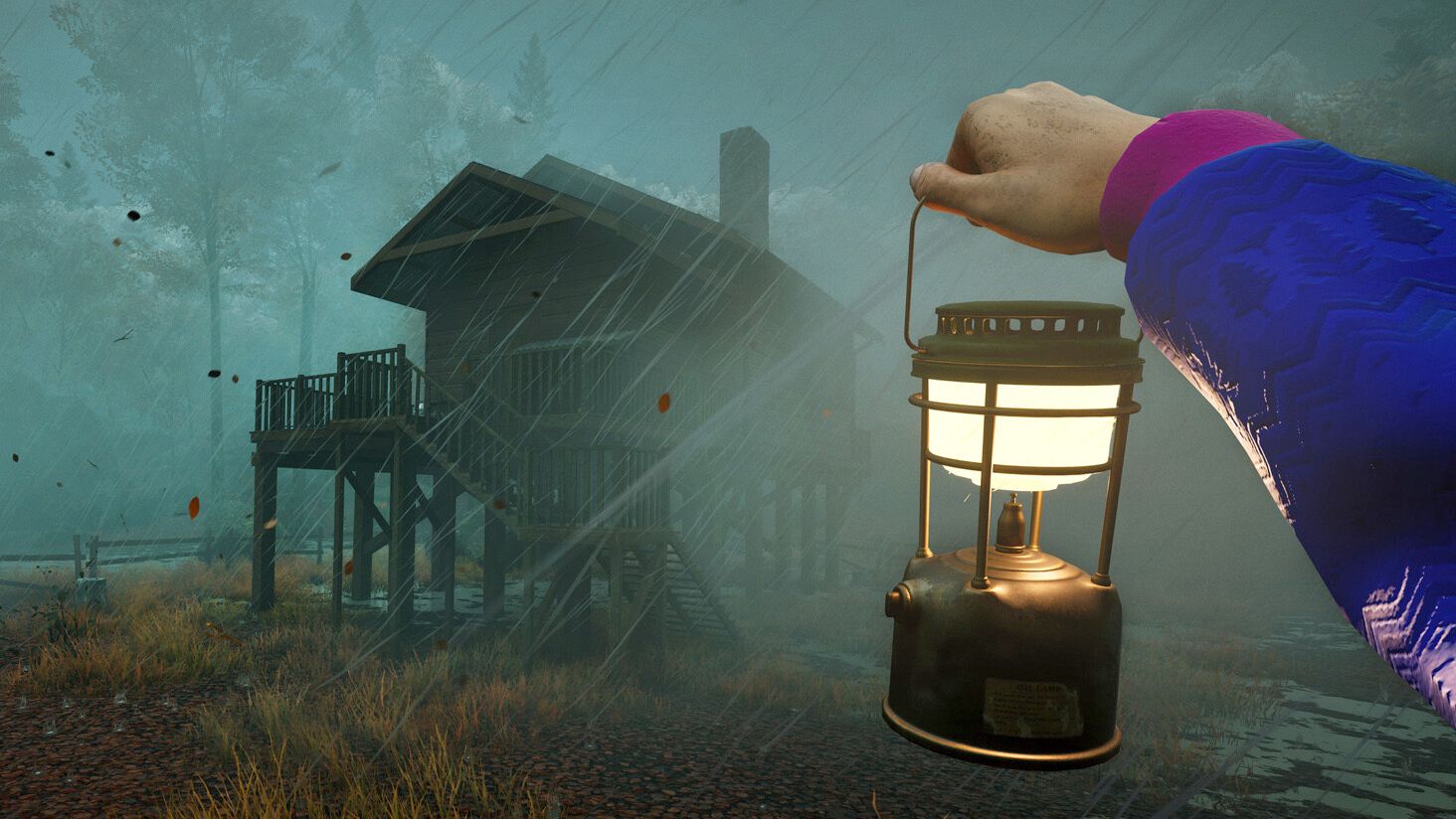
"It felt inappropriate to leave it in Early Access when we are not able to continue developing it," the statement read. "This wasn’t the plan we had for a full release when we started with Early Access, but we felt this would be the best way to leave the game available on Steam without setting the wrong expectations."
The move to make the game free is a gesture of goodwill to the community that supported the project through its formative months. By decoupling the product from a price tag, the studio avoids the ethical dilemma of charging for a stagnant product while ensuring that the current build remains accessible for historical and experiential purposes.
The Future of Melba: A Pivot, Not an End
Crucially, the death of Prologue is not the death of PlayerUnknown Productions. The studio has confirmed that work on the "Melba" engine will continue, albeit with a significantly smaller team. This suggests that the project was never entirely about the Prologue game itself, but rather about the viability of the technology beneath it.
The studio continues to host Preface: Undiscovered World, a tech demo that serves as a testament to the engine’s capabilities. For those interested in the future of procedural world generation, this remains a vital resource. The pivot reflects a wider industry trend: companies are increasingly willing to sacrifice specific consumer-facing software projects to preserve the core intellectual property and proprietary tools that may provide value in future, perhaps more sustainable, endeavors.
Implications for the Industry
The closure of Prologue serves as a sobering reminder of the volatility inherent in Early Access. While the model has birthed massive successes like Valheim and Hades, it also carries the risk of "feature creep" and financial instability. When a project is tied to the development of an experimental engine, the overhead costs can quickly outpace the revenue generated by a small, early-access player base.
Furthermore, the studio’s decision to offer a full refund regardless of playtime sets a high bar for accountability. It acknowledges that players who purchased the game did so under the assumption of a future roadmap that is no longer being fulfilled. This "no-strings-attached" refund policy may influence how other studios handle similar project terminations in the future, potentially forcing a standard where developers are held more accountable for the promises made during the early stages of a game’s lifecycle.
As the digital lights dim on Prologue: Go Wayback!, the legacy it leaves behind is one of unrealized potential. It remains a fascinating case study in the intersection of cutting-edge technology and commercial reality. Whether the Melba engine will eventually find a home in a more robust, stable project remains to be seen, but for now, players are left with a quiet, atmospheric testament to a journey that ended just as it was beginning to find its footing.
For those who wish to experience what might have been, the final version of the game remains available—a snapshot of a dream that, while incomplete, remains a poignant example of the ambition that continues to drive the independent gaming scene.

