

Main Facts: The Rise of the Single-Player MMORPG
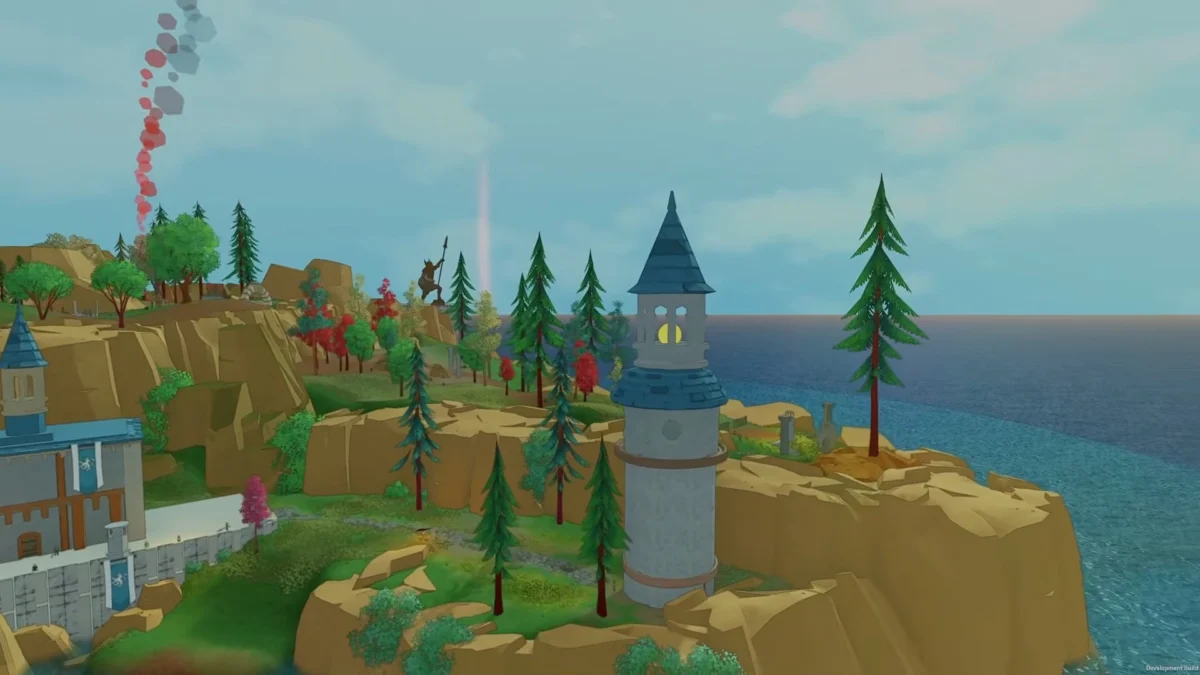
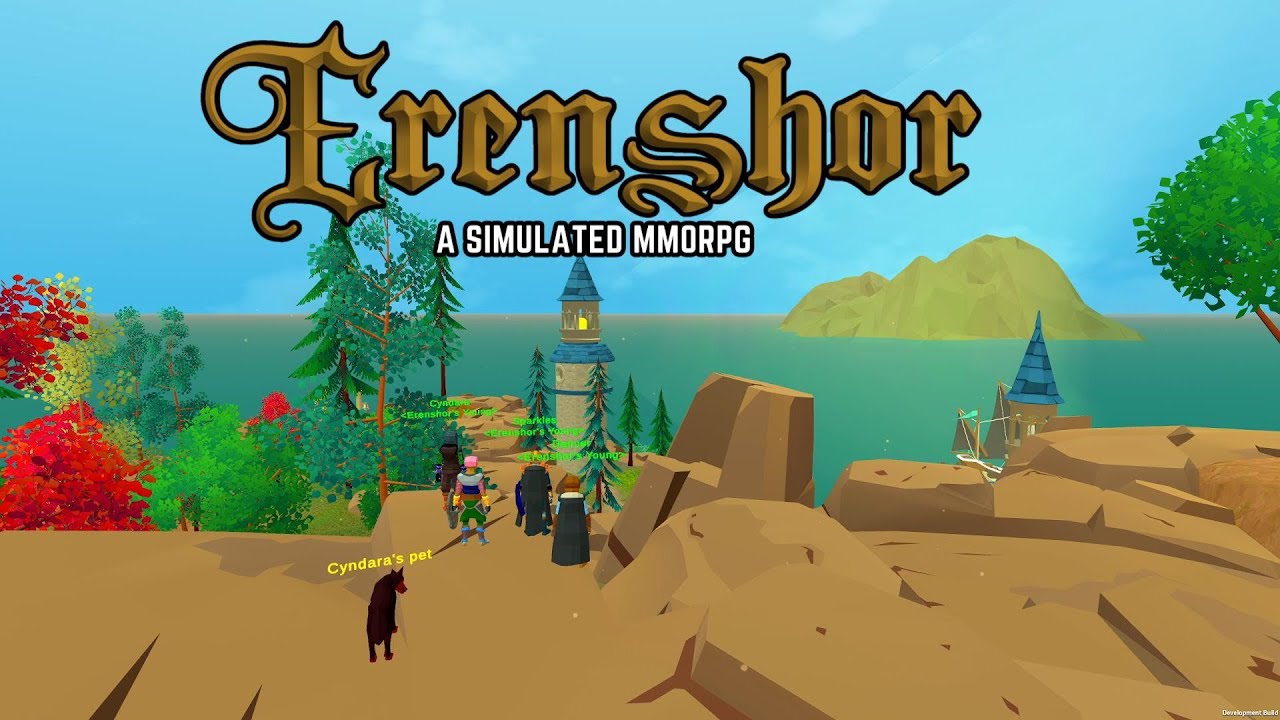
In an era where the gaming industry is often dominated by multi-billion-dollar live-service titles and massive development teams, the story of Erenshor stands as a testament to the power of niche innovation and solo perseverance. Developed by Brian "Burgee" of Burgee Media, Erenshor is a single-player role-playing game (RPG) that achieves a paradoxical feat: it recreates the specific social and mechanical atmosphere of a "classical" Massively Multiplayer Online (MMO) game without the requirement of an internet connection or real-world players.
The game’s premise is built on the nostalgia of the late 90s and early 2000s—the era of EverQuest and Ultima Online—where progression was hard-won and the world felt inhabited by a community of distinct personalities. However, in Erenshor, those "personalities" are sophisticated AI scripts. These simulated players form guilds, go on raids, compete for loot, and even engage in simulated chat, providing the player with the experience of a bustling online world while offering the convenience and pause-button functionality of a solo adventure.
Since its launch into Steam Early Access, Erenshor has defied the odds of the "indie apocalypse." Within its first year, the title has moved over 80,000 copies—a staggering figure for a solo project—and maintains a 94% "Very Positive" rating across nearly 2,000 user reviews. For Burgee, the success represents more than just financial stability; it marks the culmination of a decade-long pursuit of a specific creative vision that many deemed too niche to succeed.
Chronology: From Casual Projects to a Life-Changing Breakthrough
The journey to Erenshor’s success was neither immediate nor linear. Brian Burgee’s career in game development began as a secondary pursuit, a "nights-and-weekends" hobby that spanned several years and multiple genres.
The Early Experiments (2018–2021)
Before finding his footing with the RPG genre, Burgee released three smaller titles on Steam, each serving as a laboratory for learning the complexities of game engines and distribution.
- The 2D Shooter: His first foray into the market was a modest action title that, like many indie debuts, struggled to find an audience.
- The Roguelite: His second project followed the popular roguelite trend but remained largely unnoticed in a saturated market.
- The Math Puzzle Game: A third attempt focused on logic and puzzles, further honing his technical skills but failing to generate significant revenue.
Burgee reflects on this period as essential "training." While these games did not provide a "breakout" moment, they allowed him to master the logistics of Steam’s backend and the iterative process of game design.
The Evolution of Erenshor (2021–2023)
The concept for Erenshor had been brewing for years, but Burgee initially struggled to find the right technical framework. He attempted to build the game in several different engines, facing numerous "false starts" where the scope of simulating an entire MMO ecosystem felt insurmountable for one person.
The turning point came when he decided to lean into the "simulated player" mechanic. Rather than trying to build a traditional MMO (which requires expensive server infrastructure and massive moderation teams), he focused on the feeling of an MMO. He spent years pouring his spare time—often working late into the night after a full-time day job—into creating the AI systems that would eventually define the game.
Launch and Transformation (Late 2023–Present)
When Erenshor finally hit Steam Early Access, the response was near-instantaneous. The "boomer MMO" community, long-starved for a game that captured the magic of old-school raiding without the toxic social pressures of modern gaming, flocked to the title. Within months, the game transitioned from a side project to a full-time career. Burgee was able to leave his previous professional life behind, moving his "office" to a corner of his home and dedicating himself entirely to the world of Erenshor.
Supporting Data: Analyzing the Metrics of Success
The success of Erenshor is best understood through the lens of Steam’s competitive marketplace. In a year where approximately 14,000 games were released on the platform, the majority of indie titles struggle to sell even 1,000 copies.
Sales and Revenue
- Total Units Sold: 80,000+ (as of mid-2024).
- User Sentiment: 94% positive rating from 1,941 reviews.
- Wishlist Conversion: Burgee noted that his "Year 1 sales vs. wishlists" exceeded all industry standard predictions he had researched prior to launch.
Community Engagement
The "simulated MMO" aspect has fostered a unique type of community engagement. Despite being a single-player game, Erenshor has:
- A dedicated, community-managed Wiki.
- An active modding scene where players create new items and simulated "player" behaviors.
- A robust feedback loop where players "volunteer" to stress-test new content, effectively acting as an outsourced QA department for the solo developer.
This data suggests that Erenshor has tapped into a "Blue Ocean" strategy—finding a market segment (solo players who miss MMO mechanics) that was previously underserved by both AAA RPGs and traditional MMORPGs.
Official Responses: Insights from the Developer
In recent interviews and community updates, Brian Burgee has been candid about the psychological and professional shift that comes with a sudden indie success.
On Life After the Day Job
"It started as this nights-and-weekends project that was generating some buzz and then almost overnight it changed my life for the better in every way," Burgee recalls. He emphasizes that the greatest reward has been the gift of time. "I get a ton more time with my kids during summer break, I can flex my work schedule for family events, and I can really take time to engage with the Erenshor community properly."
On the "Irrational Fear" of Failure
Despite the financial cushion provided by 80,000 sales, the transition to solo full-time development brings its own set of anxieties. Burgee admits to a lingering fear common among "overnight" successes. "I have this sort of irrational fear that it’s all going to just go away if I don’t give it my constant attention," he says. This has led to a "juggling act" of learning how to unplug when his office is only ten feet from his living room.
On the Value of Early Access
Burgee is a staunch defender of the Early Access model when used transparently. He credits the community with shaping the game’s trajectory. "The game is heading to a way better place for 1.0 than it would have been had I worked on it in isolation until it was ‘done,’" he states. "Early access let me take this solo project and put it in the hands of the community for their guidance."
Implications: The Future of Erenshor and Solo Development
The success of Erenshor carries significant implications for the broader indie development landscape and the future of the RPG genre.
The "Simulated Social" Trend
Erenshor proves there is a massive market for "socially-simulated" games. As the average age of gamers increases, many players find they no longer have the 40-hour-a-week commitment required to stay competitive in a real MMO. By simulating the "guild experience," Burgee has provided a way for these players to experience the highlights of the genre—raiding, loot-hunting, and "world-first" achievements—on their own schedule. This may lead to a rise in "Single-Player MMOs" (SPMMOs) as a recognized sub-genre.
The 2027 Roadmap
Burgee has set a conservative and realistic timeline for the game’s "1.0" release, currently slated for 2027. This long-tail development strategy is becoming more common for solo developers who prioritize quality and feature-completeness over quick exits. The roadmap includes expanded continents, more complex AI behaviors for simulated "friends," and a comprehensive guild management system that allows the player to act as a "raid leader" for their AI companions.
A Blueprint for Solo Success
For aspiring developers, Burgee’s story offers a sobering but hopeful blueprint. It highlights that success often requires:
- Iterative Failure: Learning from small, unsuccessful projects before tackling a "dream" game.
- Specific Targeting: Solving a problem for a specific group of players (in this case, MMO fans with limited time).
- Community Integration: Treating Early Access as a partnership rather than just a sales period.
As Erenshor continues its journey toward a full release, it stands as a lighthouse for solo creators. It proves that with a deep understanding of player nostalgia and a willingness to innovate on existing tropes, one person can indeed build a world that tens of thousands of people want to call home.

