

Main Facts
Months after its highly anticipated global release, Pearl Abyss’s Crimson Desert remains one of the most polarizing and fascinating subjects in the modern gaming landscape. Developer Pearl Abyss recently addressed the critical reception surrounding the game, pointing to a fundamental disconnect between the build reviewers experienced prior to launch and the rapidly evolving reality of the live game.
According to studio representatives, critics evaluated a pre-release review build under strict time constraints, which prevented them from deeply exploring the dense, hidden intricacies scattered throughout the game’s vast open world. Meanwhile, major outlets like PC Gamer awarded the title a solid 80 out of 100—categorizing it as "a great game with exceptional moments or features"—while simultaneously noting that the title suffered from a baffling lack of basic quality-of-life features at launch, such as private storage chests.
However, the game today is vastly different from the one that hit digital and physical storefronts. Thanks to a blistering pace of updates, including the sweeping "2.0" patch line, Pearl Abyss has systematically addressed player complaints, reworked protagonist Kliff into a fully realized character, and introduced requested mechanics at a breakneck speed. Yet, this rapid expansion has also amplified its most defining characteristic: an overwhelmingly dense web of interlocking systems, side activities, and mechanics that frequently induces analysis paralysis in newcomers.
Chronology of Events and Updates
To understand Crimson Desert‘s current standing, it is essential to look at the timeline of its development, release, and subsequent metamorphosis:
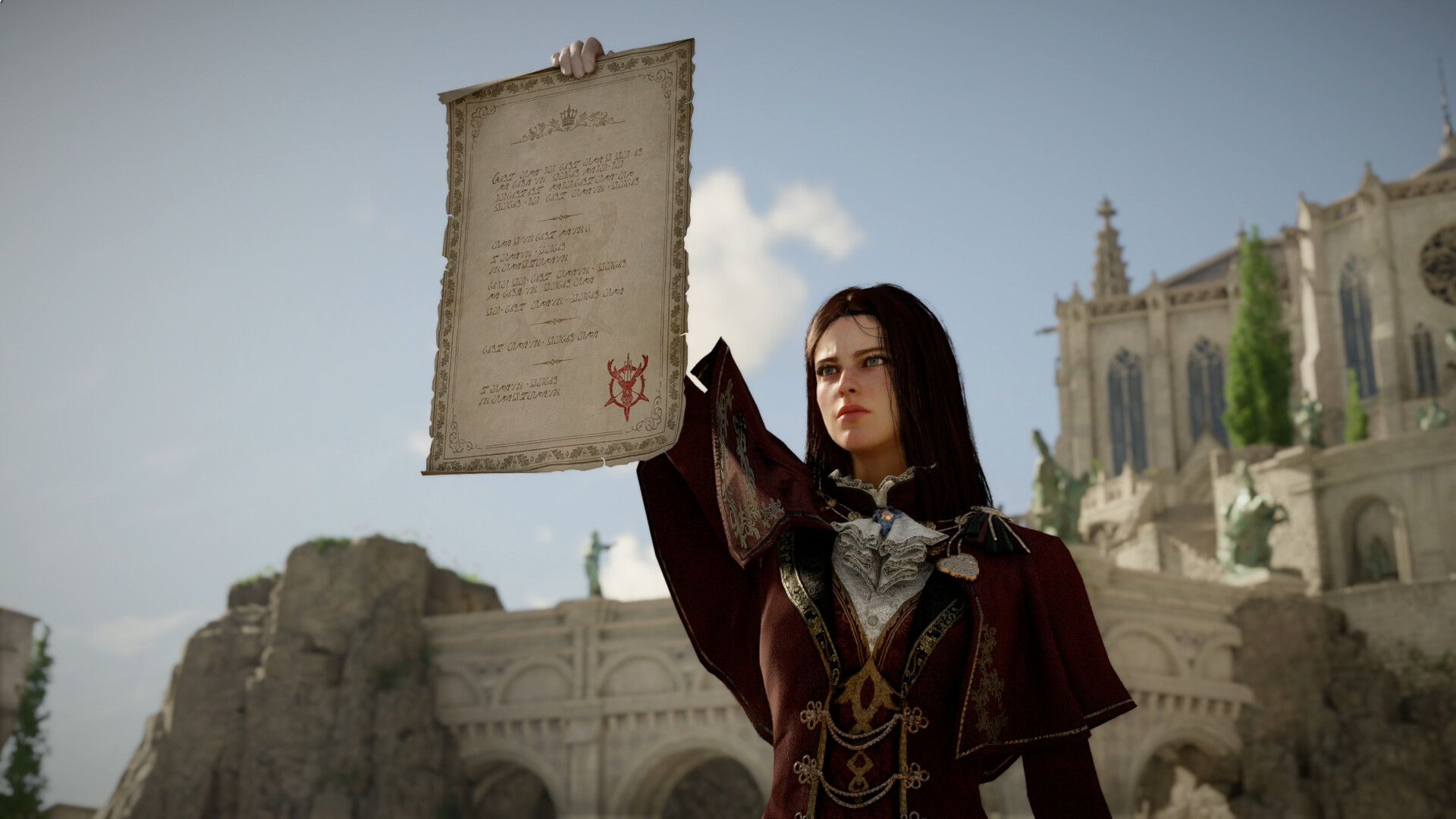
- Pre-Launch & Review Phase: Critics were handed a specialized review build weeks ahead of the global launch. Restricted by tight deadlines and an older build version, reviewers noted deep narrative potential alongside frustrating oversights, such as missing storage management and an underbaked narrative arc for protagonist Kliff.
- Launch Day: Crimson Desert debuted to strong commercial interest, particularly on consoles and PC, showcasing breathtaking visuals, fluid action combat, and an immense open world. However, players immediately voiced concerns over inventory limits, navigation, and pacing.
- The Post-Launch Patch Wave (Days 1–30): Demonstrating unusual agility, Pearl Abyss began deploying hotfixes almost immediately. Just four days post-launch, the developers implemented private storage chests, quickly followed by relocation tweaks based on community feedback.
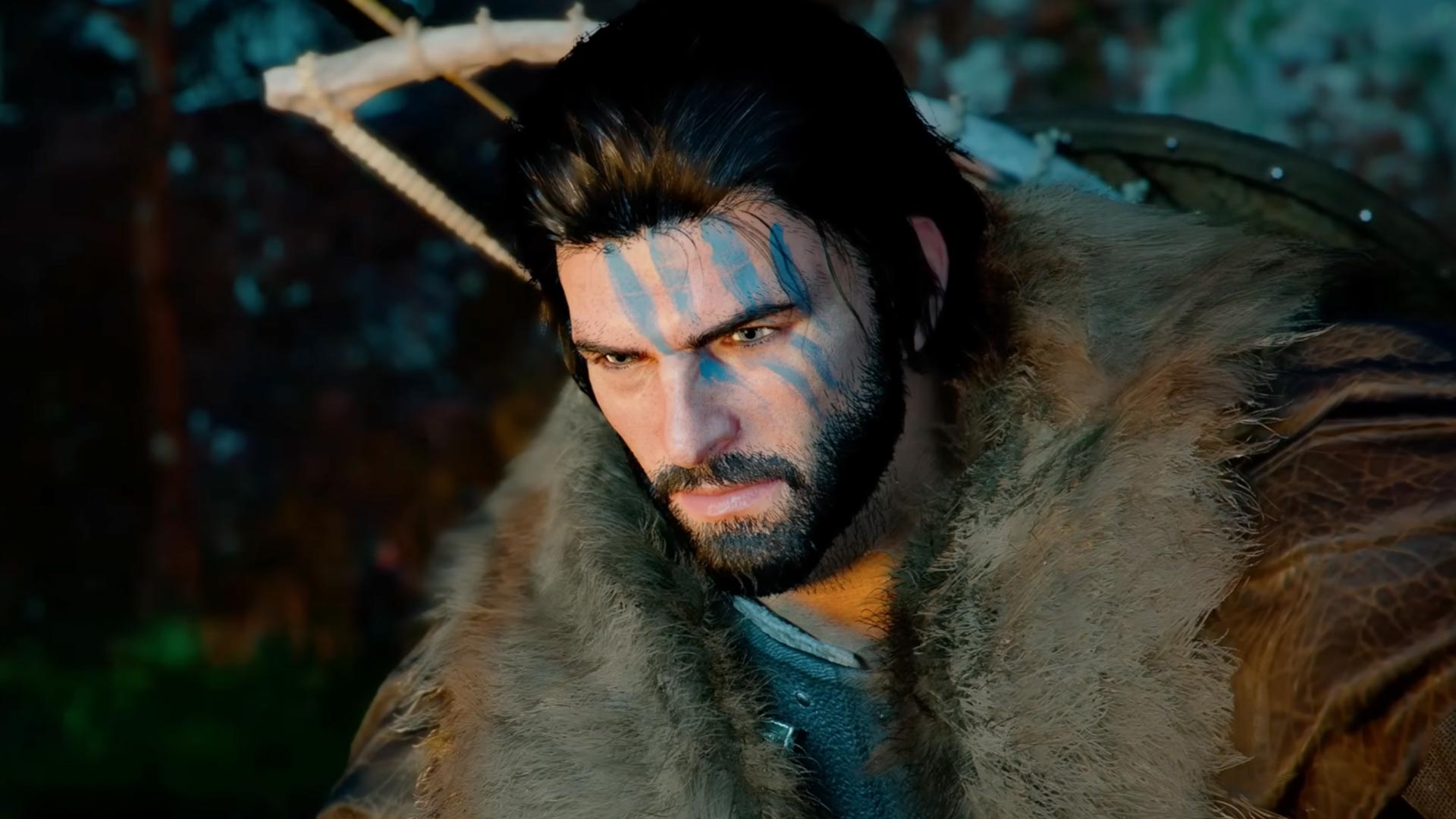
- The 2.0 Update Era: Months into its lifecycle, Pearl Abyss rolled out massive updates aimed at overhauling the narrative structure. Most notably, the 2.0 updates sought to transform Kliff from a generic action hero into a complex protagonist with genuine thoughts, opinions, and emotional stakes.
- Present Day: The game continues to expand, integrating a staggering array of gameplay loops that stretch far beyond traditional action-RPGs, turning the title into a constantly moving target for both critics and players.
Supporting Data and Gameplay Ecosystem
Crimson Desert has earned a reputation for being an astonishingly bloated—yet undeniably captivating—sandbox. The sheer volume of features packed into the game rivals several titles combined. Beyond its core narrative campaign and combat mechanics, the game’s feature set includes:
- Camp Management: Players can establish, upgrade, and manage operational camps throughout the world.
- Economy & Trade: Features include market manipulation, localized banking systems, and bounty hunting.
- Survival & Lifestyle Mechanics: Deep cooking systems, fishing mechanics, and mount collection/taming.
- Customization & Collection: Comprehensive transmogrification (transmog) systems, pet loyalty trees, and vast item collection trackers.
- Minigames & Leisure: A variety of side-activities scattered across settlements to distract players from the main narrative path.
This kitchen-sink approach to game design has divided the community. Some players and critics argue that the game suffers from a lack of clear focus, struggling to decide whether it wants to be a gritty narrative-driven medieval epic, a survival simulator, or a complex economic management game. Conversely, others champion its chaotic nature, arguing that its refusal to streamline itself into conventional open-world tropes is precisely what makes it memorable.
Official Responses and Industry Perspectives
Pearl Abyss’s defense of the game’s initial critical reception highlights the unique challenges developers face when balancing review cycles with modern live-service development mentalities.
In a recent interview, studio representatives noted: "I do believe both parties have fair points, especially for the critics—they had to play the build that is not the exact same version of the launched game. Also they had limited time… But [in] Crimson Desert, our unique charm is spread all over our in-game world. All those tiny details that are hidden… I don’t think critics had a fair chance to explore and experience them while in the review period."
This sentiment resonates with many industry observers who track the modern cadence of game releases. Outlets like PC Gamer acknowledged the validity of this argument, pointing out how quickly the development team patched glaring omissions like storage chests—changes that directly improved the review score experience retroactively.
At the same time, internal voices within the gaming press have embraced the game’s unorthodox trajectory. Editors have pointed out that Crimson Desert is great because it is a total mess, rather than in spite of it. Its refusal to sand down its rough edges gives it a distinct personality in an era of homogenized, hyper-polished open-world design.
Implications for the Future of Crimson Desert
As Pearl Abyss pushes forward with its aggressive post-launch roadmap, the implications for Crimson Desert are profound.
First, it redefines the lifespan of a single-player-focused open-world action game. Rather than treating launch day as the definitive, immutable version of the product, Pearl Abyss is treating the initial release as a mere foundation. If the current trajectory holds, the game players experience a year from now will bear almost unrecognizable differences from the launch build.
Second, it raises vital questions about the future of game reviews and media evaluation. As developers increasingly rely on rapid post-launch iteration—patching critical quality-of-life issues within days of release—traditional static review scores face a moving target.
Ultimately, Crimson Desert stands as a testament to creative ambition run wild. Whether its endless pile of systems, minigames, and narrative overhauls will coalesce into a masterwork or collapse under the weight of its own scope remains to be seen. But one thing is certain: Pearl Abyss is not slowing down anytime soon, leaving players eager—and slightly terrified—to see what mechanic or mode the developers decide to add next.

