

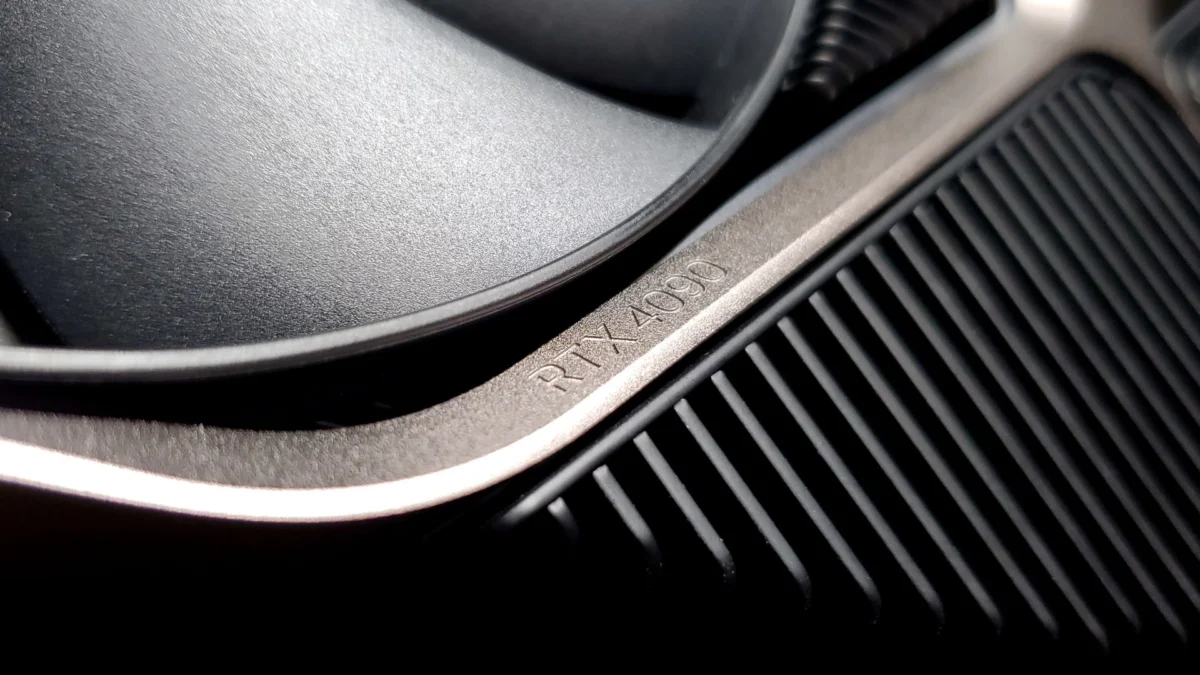
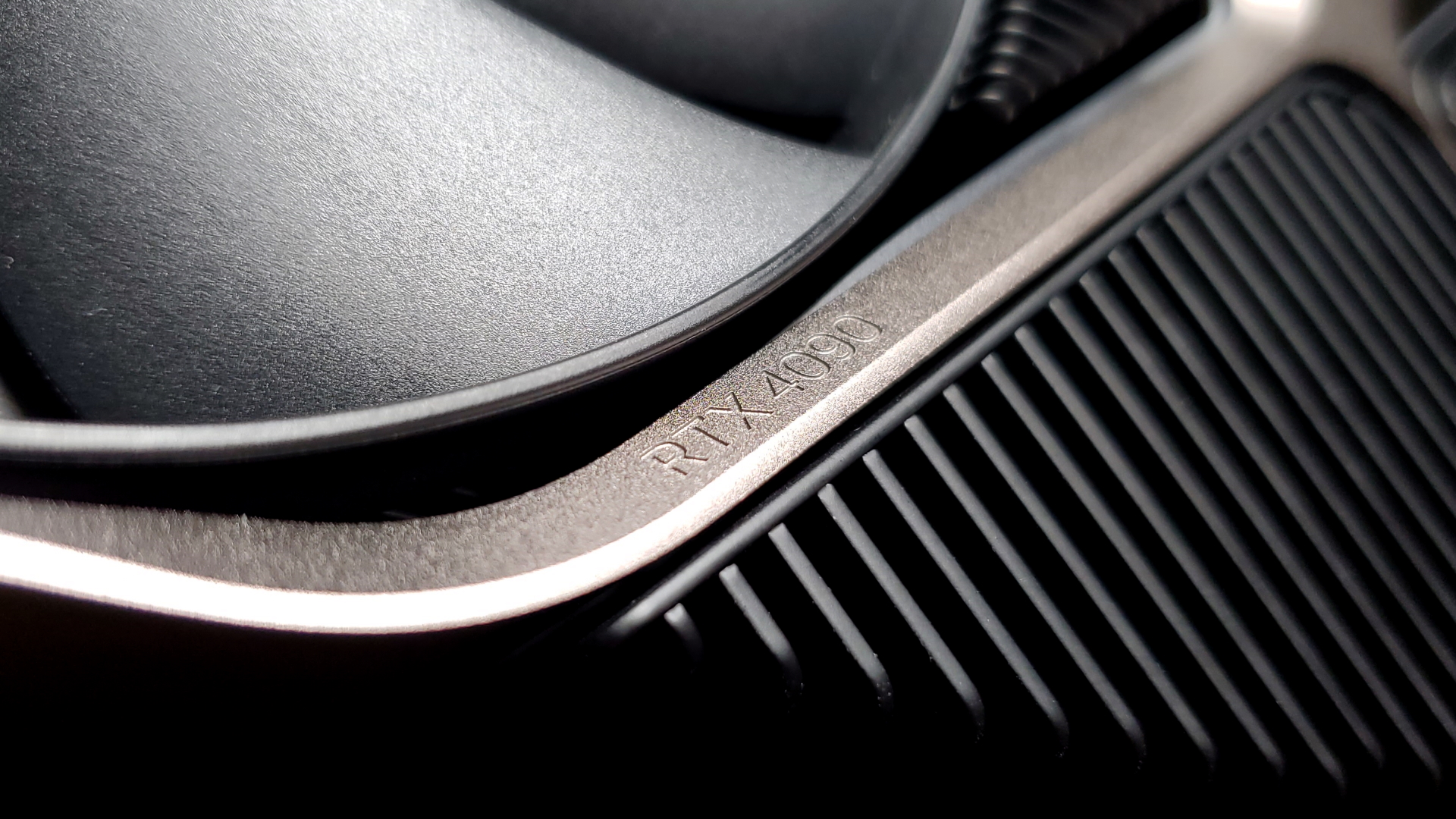
Today marks a significant, albeit bittersweet, milestone in the history of PC hardware: the fourth anniversary of the Nvidia GeForce RTX 4090. Released on October 12, 2022, this "cinderblock" of a graphics card redefined the ceiling of enthusiast-grade performance. However, as we sit in 2026, the industry finds itself in a vastly different landscape—one defined by skyrocketing MSRPs, supply chain volatility, and a pivot toward AI-centric hardware that has left the traditional consumer GPU market in a state of flux.
The Titan at Four: A Legacy of Raw Power
When the RTX 4090 first hit the shelves, its $1,499 price tag was met with immediate, widespread sticker shock. It was, by any measure, an extravagant investment. Yet, four years later, that "eye-watering" price has begun to look like a relic of a more balanced era.
The card remains a technical marvel. Boasting 24 GB of GDDR6X memory, 76.3 billion transistors, and 16,384 CUDA cores, it represented a staggering 56% leap in core count over its predecessor, the RTX 3090. Beyond the raw silicon, it was the vanguard of the frame generation revolution. When it launched, DLSS 3—with its 2x frame generation implementation—felt like a glimpse into a future where software could compensate for the physical limitations of hardware.
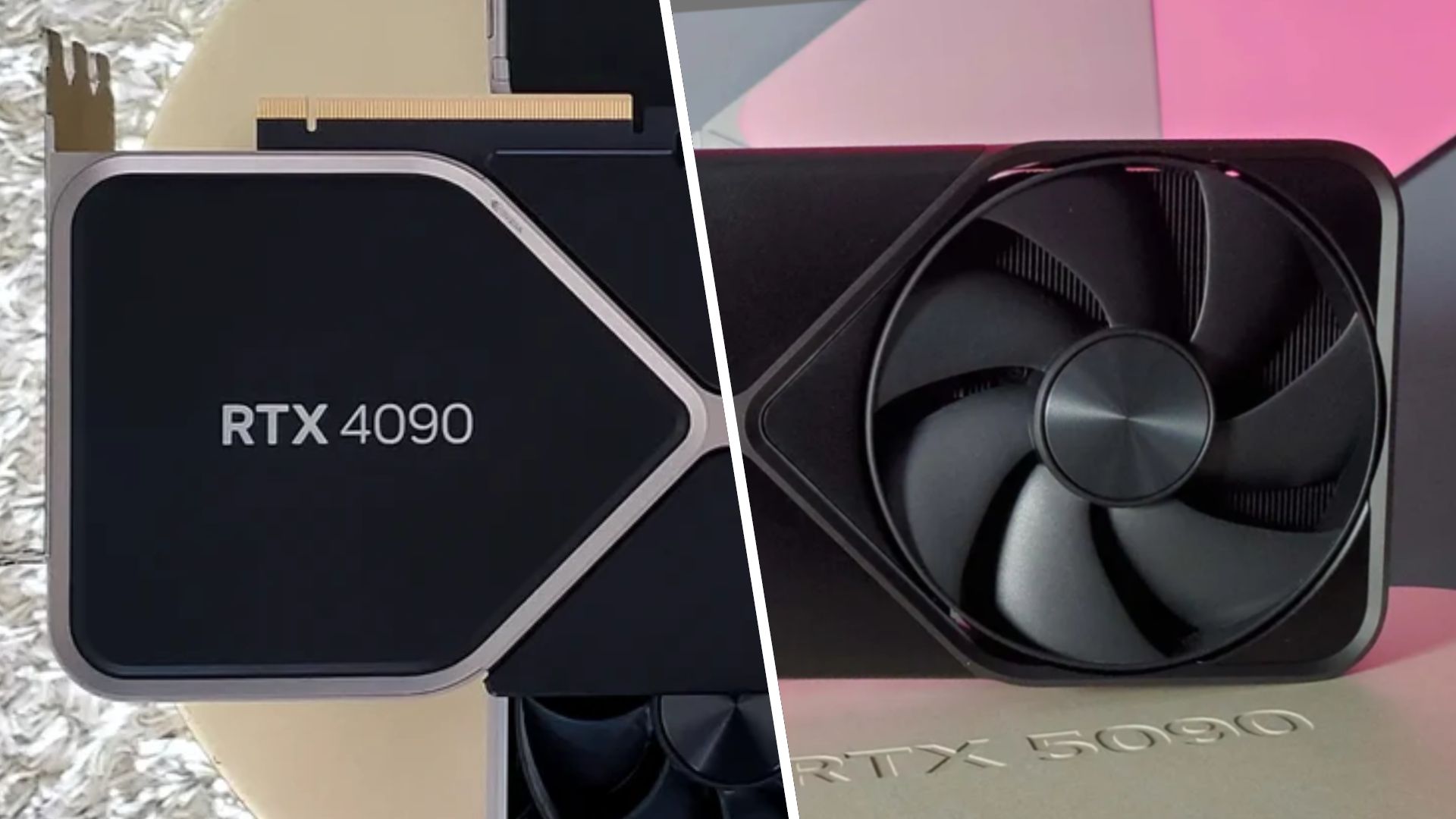
Today, that "monstrous" power remains relevant. For many early adopters who chose to absorb the initial cost, the RTX 4090 has proven to be a surprisingly sound long-term investment. It remains capable of handling modern, demanding titles with ease, standing as a testament to over-engineering in an age where hardware lifecycles are increasingly pressured by planned obsolescence.
Chronology of a Shifting Market
To understand why the RTX 4090 is now viewed with such nostalgia, one must look at the trajectory of the graphics market since 2022:
- October 2022: The RTX 4090 launches to global acclaim for performance, though criticism regarding its size and price persists.
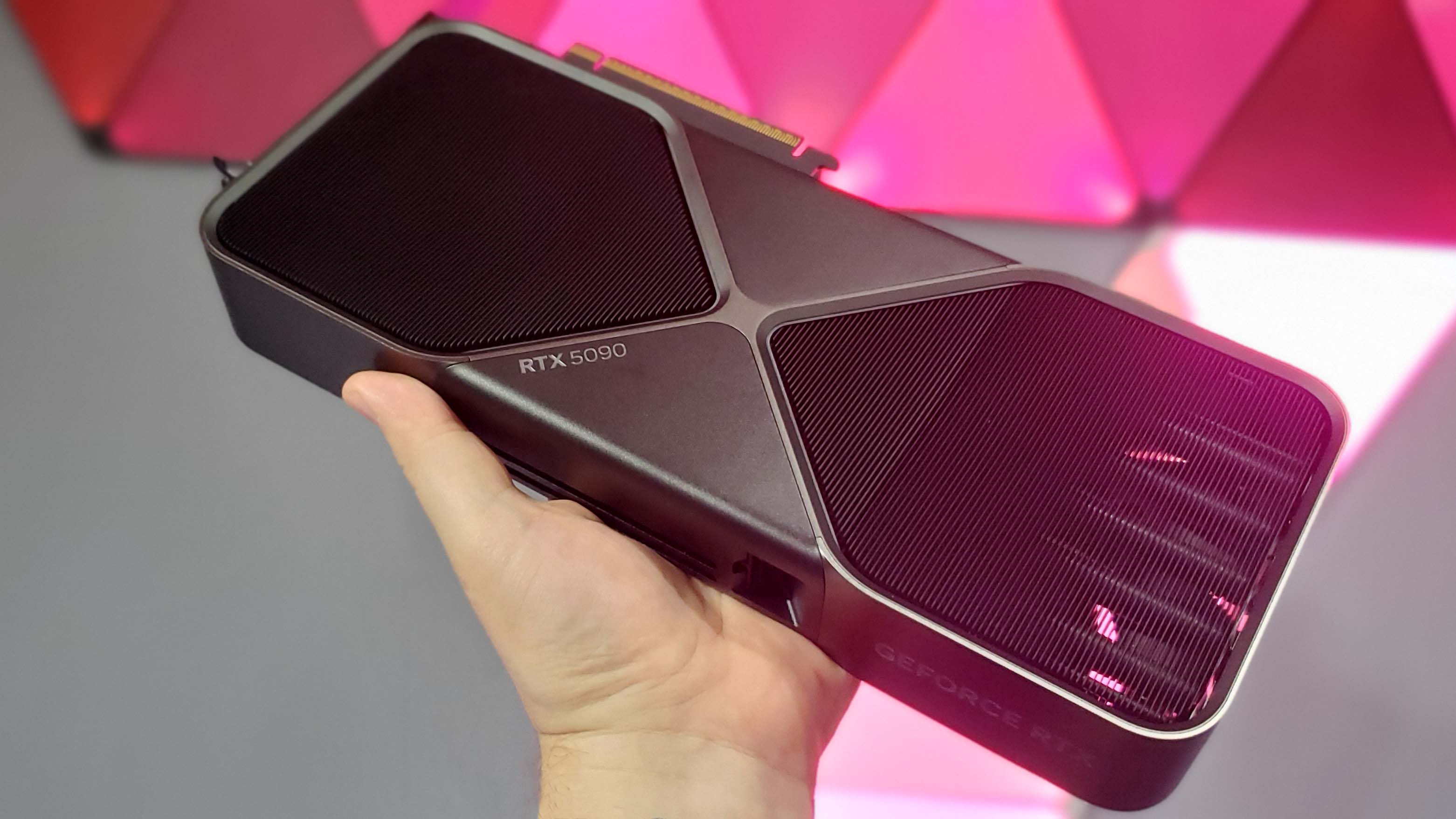
- Early 2025: Nvidia announces the 50-series lineup at CES in Las Vegas. The RTX 5090 debuts with a $1,999 MSRP, signaling a new, higher baseline for flagship performance.
- Mid-2025: Reports emerge of significant supply constraints. Rumors suggest that Nvidia has begun throttling production of consumer-grade 5090 chips to prioritize the high-margin data center and AI sectors.
- Late 2025 – Present: The "unobtanium" phase. Availability of top-tier consumer GPUs plummets, and secondary market prices for remaining stock soar to unreasonable levels, effectively removing the 5090 from the reach of the average consumer.
The current market is perhaps best illustrated by the RTX 5080. Today, finding a base-model 5080 for less than $1,640 is a challenge—meaning the second-tier card of the new generation is now more expensive than the flagship of the previous one.
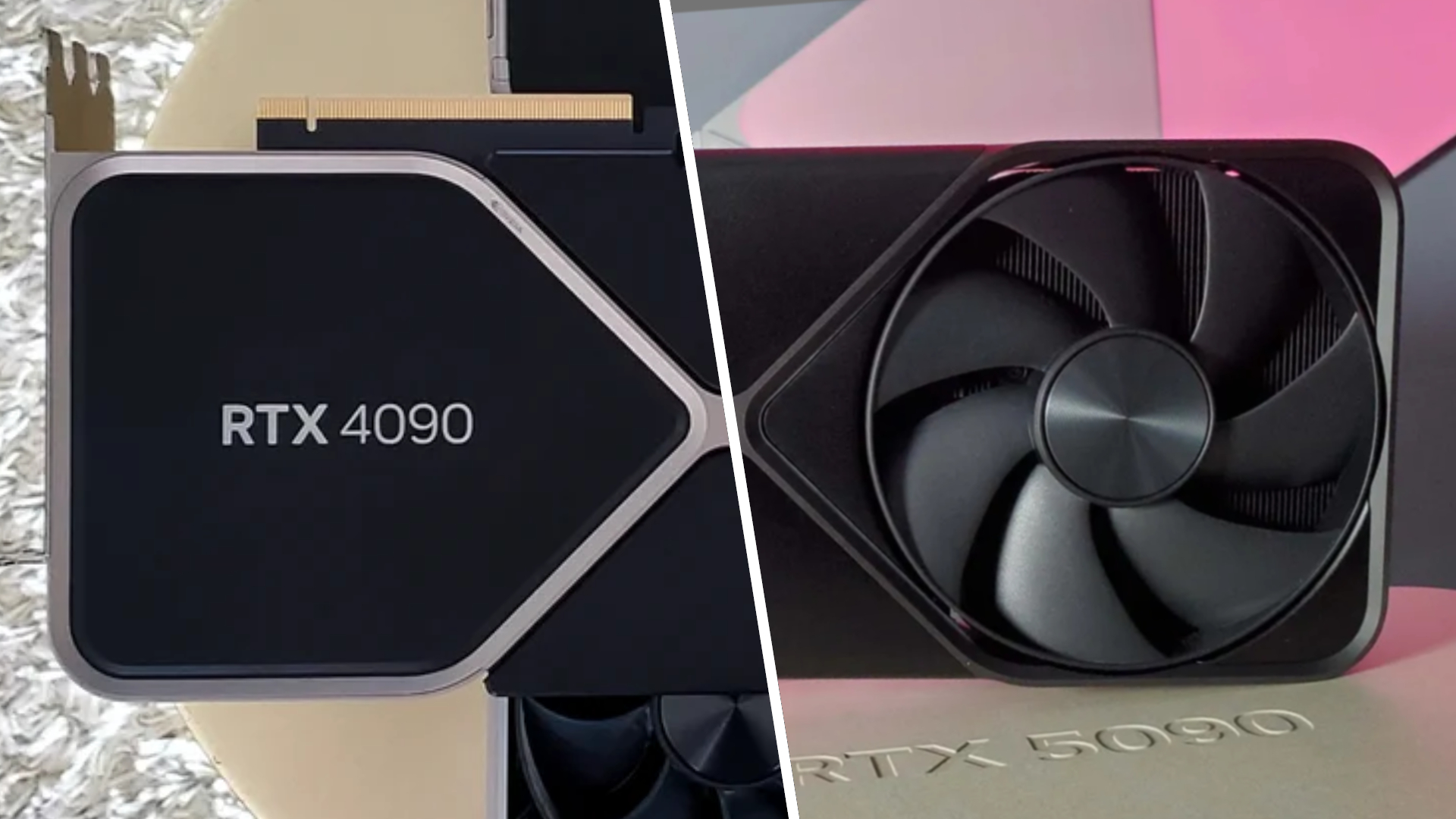
Supporting Data: The Price-Performance Paradox
The transition from the 40-series to the 50-series has fundamentally altered the price-to-performance metric. While the RTX 5090 offers a substantial raw performance uplift over the 4090, its value proposition is increasingly difficult to justify for the standard gamer.
Furthermore, the introduction of "Multi Frame Generation" (and the subsequent arrival of DLSS 5) has become a point of deep contention within the gaming community. While Nvidia argues that neural rendering is the inevitable future of graphics, the industry is seeing a divide. Critics argue that modern performance gains are increasingly reliant on "fake frames" generated by AI, rather than native rendering prowess.
Data from recent benchmarks highlights this trend: DLSS 5, while capable of boosting frame rates significantly, can incur a performance hit of up to 73% in terms of raw, un-upscaled processing in certain titles, such as NBA 2K27. This forces consumers to wonder: are we paying for more power, or are we paying for more efficient ways to mask the limitations of the hardware?
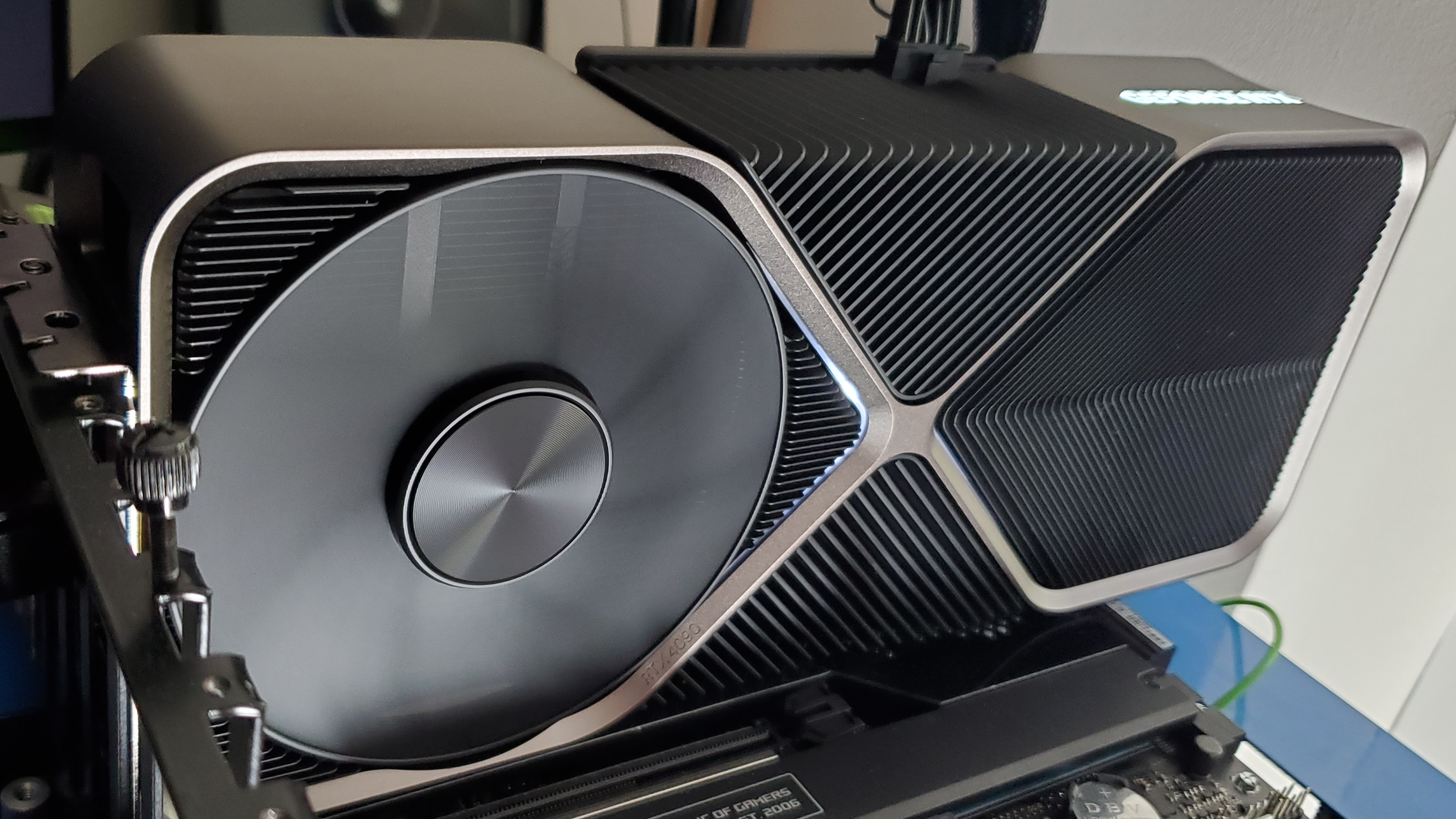
Industry Implications: The AI Pivot
The most profound implication of the current GPU crisis is the shift in Nvidia’s strategic priorities. The company’s vision, as articulated by CEO Jensen Huang, is centered on "neural rendering." This is not just a marketing slogan; it is a fundamental shift in how GPUs are architected.
By prioritizing the production of GB202 silicon for professional and data-center AI applications, Nvidia has effectively signaled that the consumer gaming market is no longer the sole, or perhaps even the primary, driver of its R&D. The result is a looming supply crisis that has left gamers in the cold.
The RTX 4090 may well be remembered as the final "halo" card that made sense for the dedicated enthusiast. It offered an unprecedented level of native performance before the industry fully pivoted to software-dependent upscaling and AI-driven frame injection. It was the last of the "brute force" giants.
Looking Toward the Future: The RTX 60-Series
As we look ahead to the potential RTX 60-series, the outlook remains concerning. If the trends of the past four years hold, we can expect future flagships to be increasingly stuffed with Tensor cores to support even more aggressive neural rendering features, likely arriving at price points that continue to alienate the core demographic that built the PC gaming industry.
The "futureproofing" argument, once a common justification for buying a high-end card, has become a "dirty word." In an environment where the next generation of hardware arrives with higher prices and more reliance on AI-based performance multipliers, the concept of buying a card today that will last four years has become increasingly difficult to execute.
Conclusion: A Toast to the 4090
Raising a glass to the RTX 4090 on its fourth birthday feels appropriate. It was a card that demanded a lot from its users, but in return, it delivered a level of performance that defied the passage of time. It stands as a monument to an era where raw power was the primary goal, and before the current era of "neural rendering" and supply-constrained, AI-focused silicon took center stage.
We are living in a period where graphics card pricing has been "turbo-screwed," and there is little sign of a return to the accessibility of yesteryear. The RTX 4090 may not have been perfect, but it was a beast—and there is a growing, palpable fear among enthusiasts that we simply won’t see its like again. For those still running a 4090 in their rigs today, you are arguably holding onto the last great standard-bearer of traditional PC graphics performance. Enjoy it while it lasts.

