

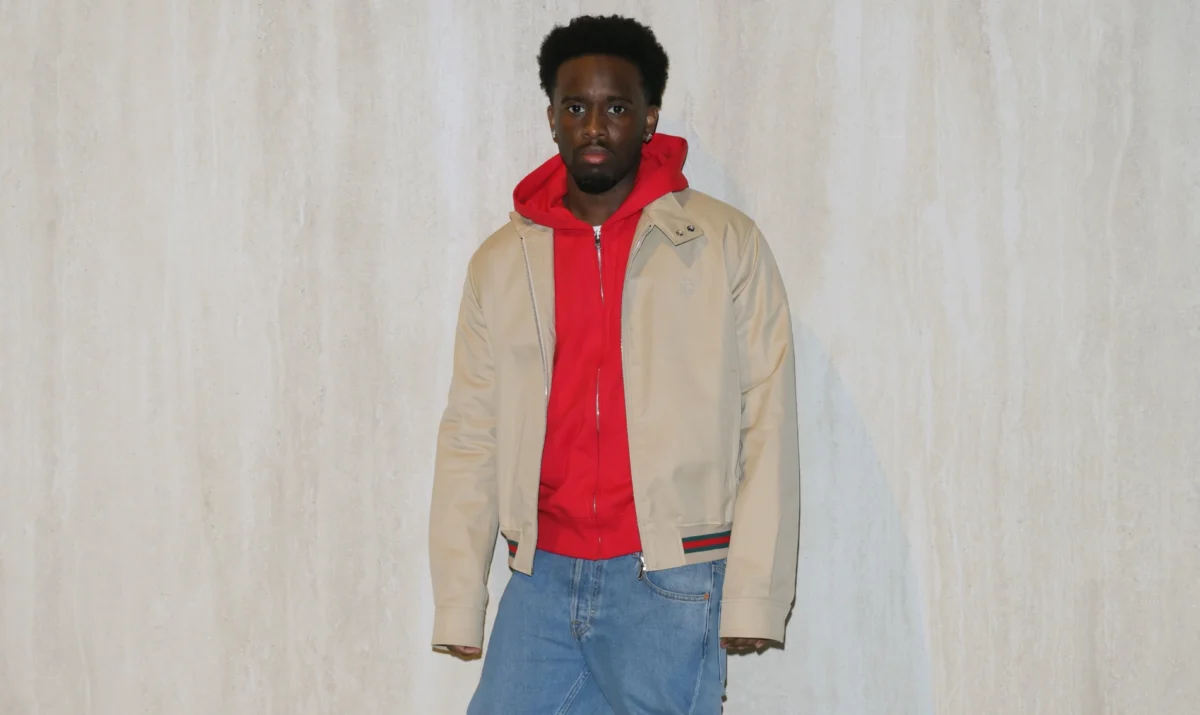
For years, the name Kai Cenat has been synonymous with the digital frontier. From his Bronx bedroom, he has commanded the attention of millions, shattering Twitch records and evolving into a central figure of modern internet culture. However, this past September, Cenat stepped away from the glow of his monitors to occupy a different kind of spotlight: the prestigious, high-stakes catwalks of New York Fashion Week (NYFW).
With the launch of his apparel brand, Vivet, Cenat has officially bridged the gap between the chaotic energy of the creator economy and the refined, gatekept world of haute couture. His debut runway show was not merely a clothing reveal; it was a manifesto on the evolving power of the modern digital star.
The Genesis of Vivet: From Concept to Catwalk
The story of Vivet—derived from the Latin verb vivere, meaning "to live"—is one of meticulous preparation hidden behind a veil of mystery. While Cenat’s audience is accustomed to his near-constant presence, the Bronx-born creator took a strategic, extended hiatus from his Twitch channel earlier this year. During this time, he disappeared from the public eye to undergo a rigorous education in craftsmanship.
Cenat’s journey involved cross-continental research, including extended trips to Italy to consult with master tailors who have spent decades perfecting the art of garment construction. This was followed by a collaborative period in Atlanta, where he worked alongside local designers to fuse his signature "cocksure" urban aesthetic with structural integrity.
The resulting brand, Vivet, is designed to exist in the intersection of digital subculture and luxury streetwear. By the time the lights dimmed at his NYFW debut, the year-long process had produced Collection I, a line that successfully marries cyberpunk motifs—such as his functional "streaming backpack"—with the premium materials and price points expected of luxury fashion houses.
Chronology of a Cultural Shift
To understand the weight of Cenat’s NYFW debut, one must look at the timeline of his transition from gamer to fashion mogul:
- Early 2026: Cenat announces a hiatus from his primary streaming schedule, sparking rumors and speculation across social media platforms.
- Q1-Q2 2026: Behind-the-scenes development begins. Cenat travels to Italy and Georgia, documenting his search for quality materials and design inspiration while remaining tight-lipped about the nature of his project.
- August 2026: Teasers for "Vivet" begin to appear on his social channels, signaling a shift toward a lifestyle-centric brand.
- September 2026 (NYFW): The official debut of Collection I takes place in New York City. The event is a star-studded spectacle, featuring a mix of digital creators and traditional industry icons.
- Post-Show: The collection hits the digital marketplace, with pricing reflecting its positioning as a premium, limited-run luxury label.
The Spectacle: A Fusion of Worlds
In true Kai Cenat fashion, the launch event was designed to be an immersive experience. Rather than opting for a traditional, sterile runway walk, Cenat curated a show that felt like a bridge between his streaming community and the elite fashion world.
The runway was populated by members of his inner circle, including Ray Asianboy, BruceDropEmOff, and fellow AMP collective member Duke Dennis. Their presence underscored the brand’s roots in the creator economy, showing that the influence of streamers now rivals that of traditional celebrities.
However, the event also served as a validation of his legitimacy in the fashion space. The presence of Alton Mason—the first Black male model to walk for Chanel—added a layer of institutional prestige to the proceedings. The front row, featuring cultural luminaries like neo-soul icon Ms. Lauryn Hill and fellow creator PlaqueBoyMax, confirmed that Vivet was not just a side project, but a serious entrant into the competitive luxury market.
Supporting Data: The Creator Economy’s New Frontier
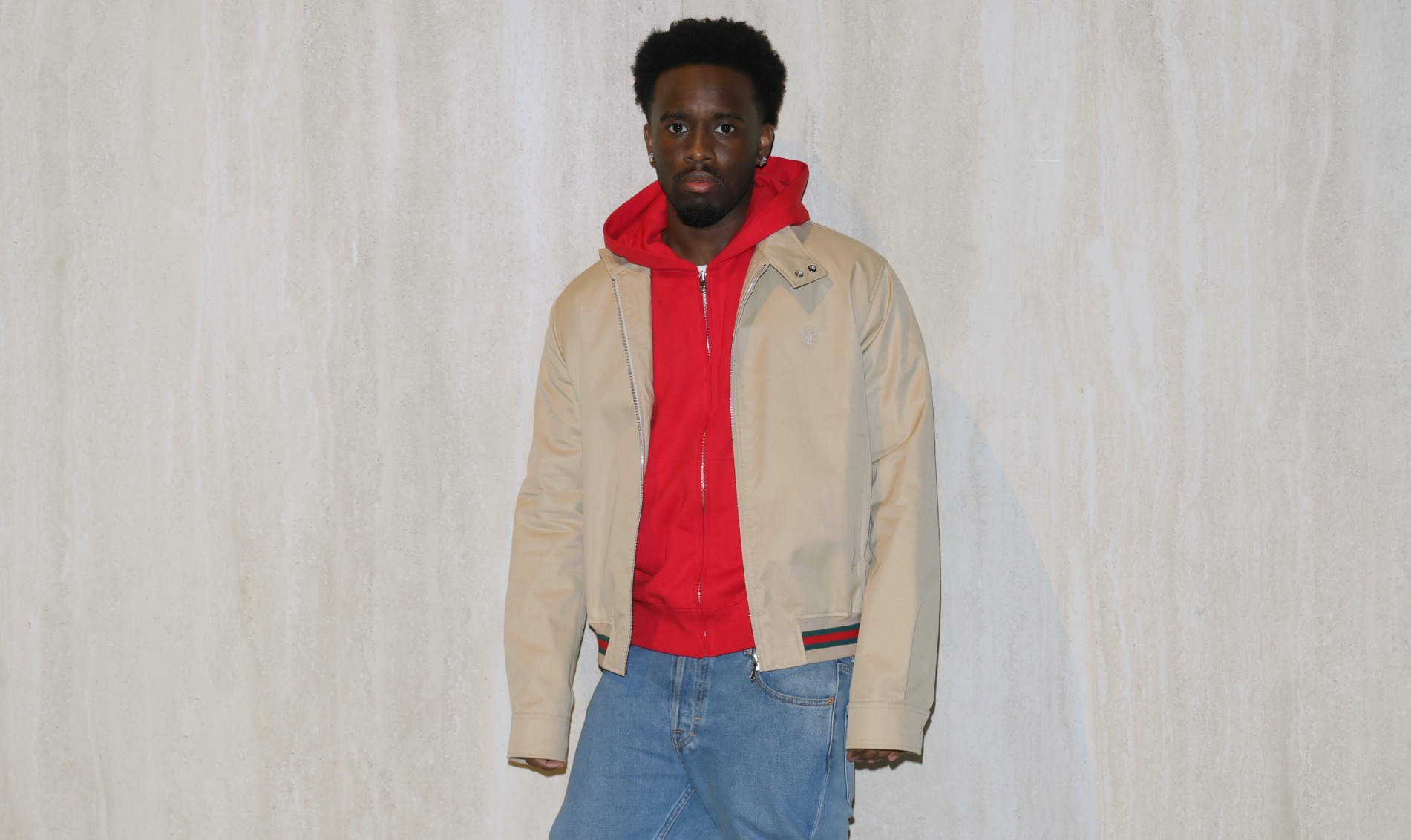
The rise of Vivet is the latest evidence of a significant paradigm shift in how fashion brands are built. For decades, the path to fashion relevance was dictated by magazines and legacy retailers. The "influencer" era of the 2010s saw creators merely partnering with existing labels. Today, the model has shifted to direct-to-consumer ownership.
- Market Position: Vivet’s pricing structure—consistently in the three-digit range—places it firmly in the "accessible luxury" category. This is a deliberate departure from the low-cost, high-volume "merch" drops that typically characterize creator-led apparel.
- Audience Conversion: Cenat’s ability to mobilize his audience is legendary, but his ability to convert that digital clout into physical, high-end retail sales is a litmus test for the creator economy at large.
- Event Integration: Data from recent fashion seasons shows a massive increase in social media engagement for brands that incorporate digital-native talent into their runway shows. By hosting his own, Cenat captures 100% of that engagement value, bypassing the need for third-party partnerships.
Implications: The Mainstreaming of the Creator-Designer
The success of Cenat’s venture has broader implications for both the fashion industry and the creator economy.
For the Fashion Industry
Legacy brands are facing a crisis of relevance. Younger demographics, who are more likely to spend their disposable income on a hoodie designed by their favorite streamer than a blazer from a century-old house, are changing the rules of the game. Cenat’s NYFW show proves that designers who emerge from digital subcultures possess a deep, innate understanding of branding that traditional houses often struggle to replicate.
For the Creator Economy
The "streamer-to-designer" pipeline is now wide open. Cenat is not the first creator to dabble in fashion, but he is one of the first to approach it with the rigor of a fashion house. His move suggests that the future of creator monetization lies in tangible, long-term brand building rather than transient sponsorship deals.
Furthermore, the "creator-led activation" model is becoming a staple of NYFW. We have moved from influencers being invited as guests, to influencers walking as models, to influencers hosting their own shows. This shift signifies that creators are no longer just the promoters of fashion—they are the architects of it.
Conclusion: Living with Conviction
The name "Vivet" is more than a branding choice; it is a philosophy. By naming his brand after the Latin word for "to live," Cenat is highlighting his commitment to living his life with conviction. His move from the digital realm to the physical runway was a high-risk, high-reward maneuver that could have easily been dismissed as a vanity project. Instead, he presented a cohesive, well-executed vision that commanded respect from both his fans and the cynical fashion press.
As the creator economy continues to mature, we can expect to see more digital stars following in Cenat’s footsteps. The barrier between "internet personality" and "cultural icon" has been effectively dismantled. Whether he is hosting a 24-hour subathon or debuting a collection at New York Fashion Week, Kai Cenat has proven that his star power is not tied to a screen—it is tied to his ability to define the cultural zeitgeist, one "live" moment at a time.
With Collection I now out in the world, the question is no longer whether creators can thrive in the world of high fashion, but rather how quickly they will come to dominate it. If the energy at the Vivet debut was any indication, the industry is already changing, and it is doing so at the pace set by those who have spent their lives in front of the camera.

