

By the Gaming Analytics Desk
Published in Global Entertainment & Literary Review
Main Facts
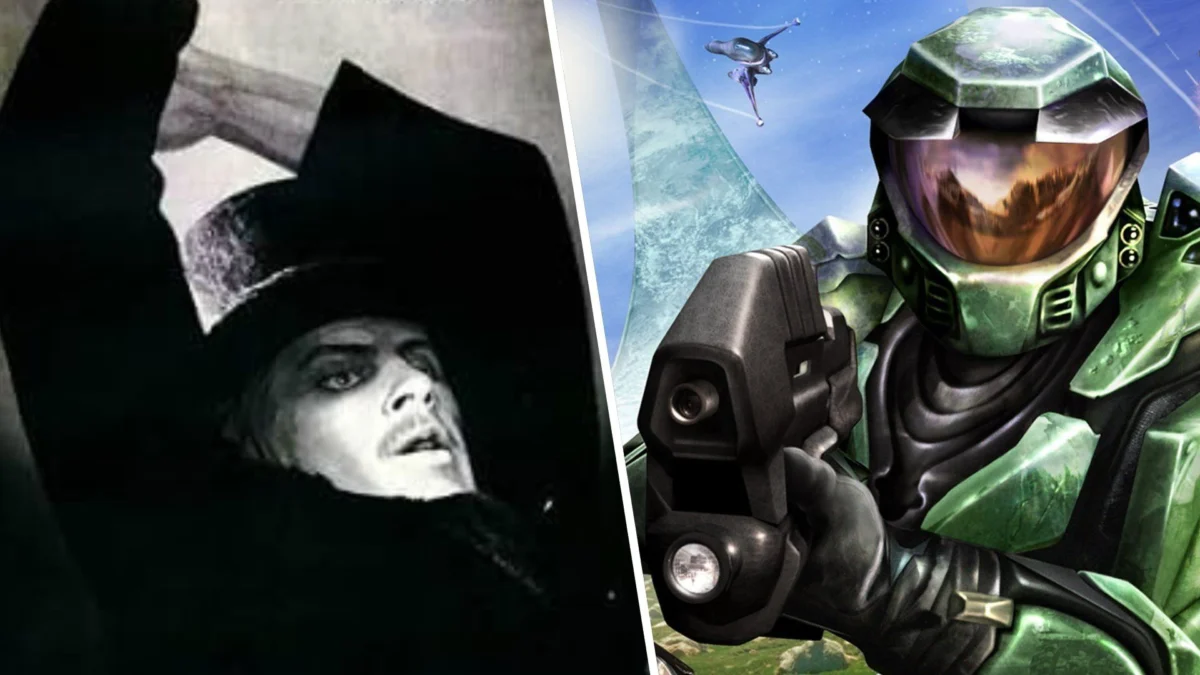
In an unprecedented cross-media theoretical analysis, gaming critics and literary historians have turned their attention to an unlikely crossover: evaluating how the principal cast of Fyodor Dostoevsky’s 1866 psychological masterpiece, Crime and Punishment, would fare if thrust into the ring-world environment of Bungie’s 2001 seminal sci-fi shooter, Halo: Combat Evolved.
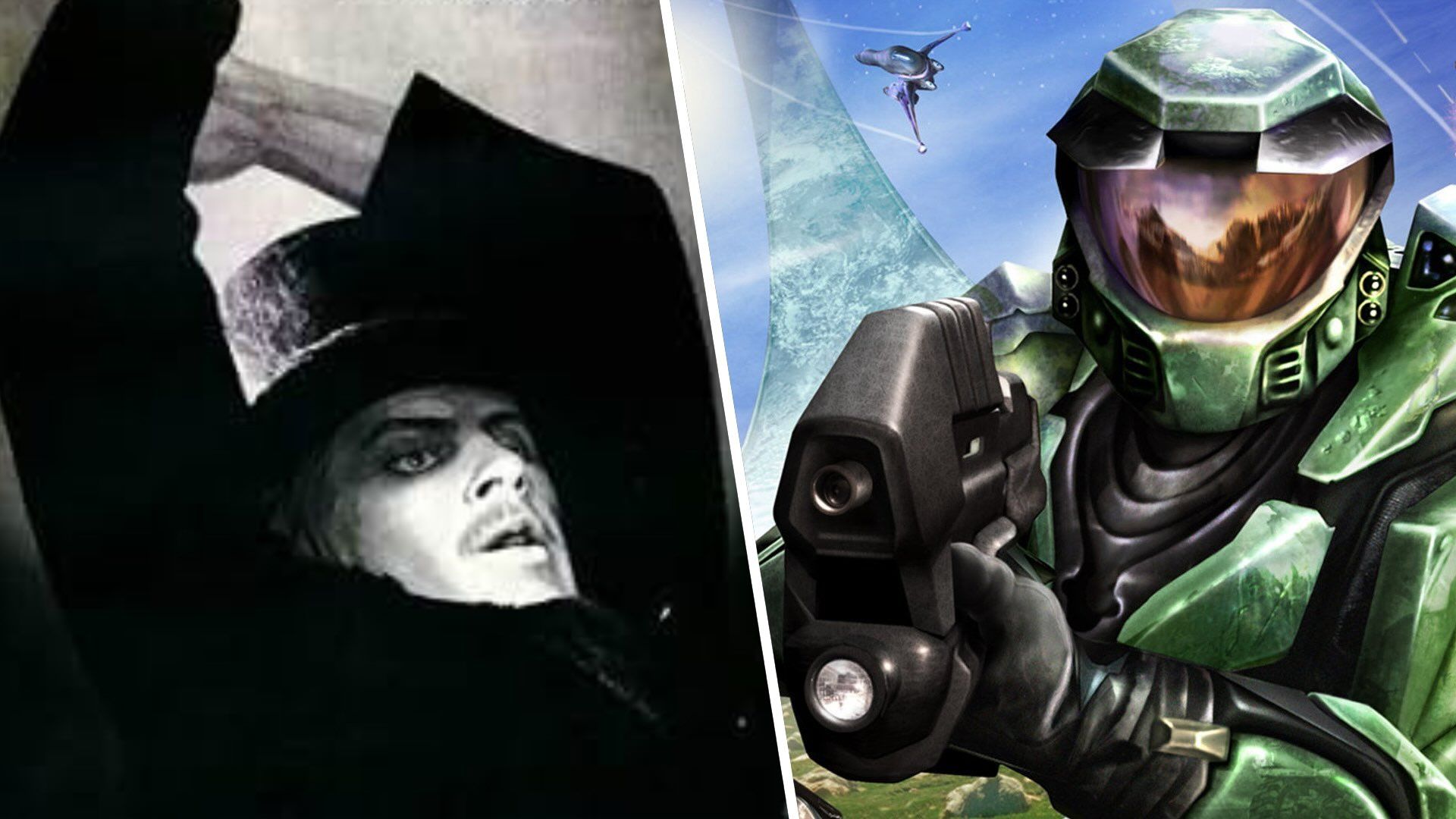
While mainstream cultural critique typically keeps 19th-century Russian realism siloed far away from 26th-century United Nations Space Command (UNSC) military engagements against the Covenant hegemony, this new inquiry examines psychological fortitude, tactical mobility, and moral resilience under extreme duress. The evaluation posits that the suffocating guilt, intellectual nihilism, and intense interpersonal dramas of St. Petersburg translate in surprisingly predictable ways to the claustrophobic corridors of the Pillar of Autumn, the sun-baked canyons of Alpha Halo, and the bio-hazardous containment facilities of the Flood.
Chronology of the Operational Threat Matrix
To understand how Dostoevsky’s characters would navigate the ring-world, analysts must map their psychological trajectories directly onto the sequential campaign missions of Halo: Combat Evolved.
Phase I: Infiltration and Initial Contact (The Pillar of Autumn & AotC)
The crisis begins aboard the beleaguered UNSC cruiser Pillar of Autumn. Characters accustomed to the cramped, feverish garrets of St. Petersburg are suddenly forced to adapt to zero-gravity environments, flashing hazard lights, and alien boarding parties.
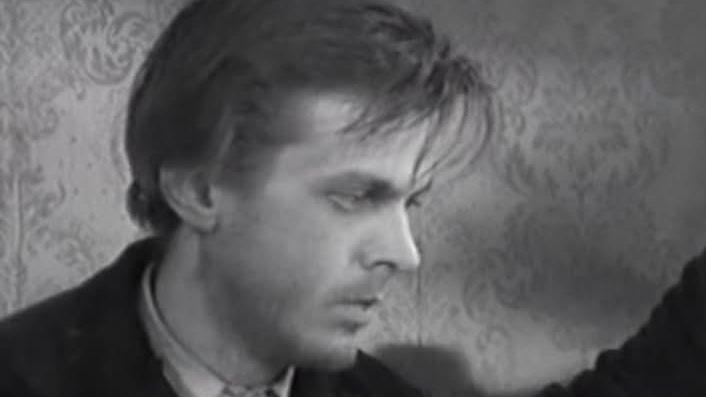
- Rodion Romanovich Raskolnikov shows early promise here. His psychological fixation on melee combat and close-quarters violence—honed through his infamous axe-work in the novel—serves him remarkably well against Covenant Grunts and Elites in tight shipboard corridors. However, as the theater widens during Truth and Reconciliation, his reliance on erratic intuition rather than disciplined marksmanship begins to show cracks.
- Pyotr Petrovich Luzhin, meanwhile, fails almost instantaneously. Burdened by arrogance and an irritating demeanor, his insistence on commandeering assets while possessing zero tactical proficiency makes him a liability. In co-op simulations, he hoards rare ordnance like the M41 SPNKr rocket launcher, tanking unit efficiency before captain-level intervention removes him from the board.
Phase II: Surface Operations and Guerrilla Warfare (The Silent Cartographer & Assault on the Control Room)
Upon landing on Installation 04, the survivors must adapt to open-world combat, vehicular navigation, and massive firefights.
- Avdotya Romanovna Raskolnikova (Dunya) emerges as the absolute standout operative of the entire roster. Eschewing the neurotic hand-wringing of her brother, Dunya reportedly clears Legendary difficulty with all skulls activated. Utilizing advanced movement techniques, backpack reloads, and animation cancels, she maintains ceaseless suppressive fire across levels like The Silent Cartographer, bypassing unnecessary engagements with clockwork precision for a sub-three-hour completion time.
- Dmitri Prokofyich Razumikhin, whose name colloquially translates to "Brain Guy," acts as an exceptional strategist. Yet, his profound empathetic core—his deep-seated humanity—becomes a severe operational bottleneck when ordered to slaughter sleeping Grunts in Assault on the Control Room. His survival entirely hinges on whether he is running a cooperative campaign alongside a more ruthless teammate.
Phase III: Bio-Hazard Containment and Existential Dread (343 Guilty Spark & The Library)
The mid-game pivot introduces the Flood—a parasitic hive-mind organism that fundamentally breaks the psychological stability of anyone unprepared for cosmic horror.
- Rodion Raskolnikov, already mentally fragile from his ideological justifications for murder, completely shatters upon witnessing the horrifying human tragedy of the Flood’s emergence on 343 Guilty Spark. The existential weight of the parasite paralyzes him, rendering his theoretical "extraordinary man" philosophy utterly useless against a mindless, consuming biomass.
- Sofya Semyonovna Marmeladova (Sonya), despite initially appearing ill-suited for first-person shooter mechanics, proves to be the ultimate endurance asset. Drawing from her indefatigable dedication to Raskolnikov in the novel, she refuses to abandon struggling Marine platoons. Her sole vulnerability lies in her intense religious devotion, which leaves her vulnerable to ideological subversion by the Covenant—an alien empire whose zealotry serves as the story’s closest structural analogue to the Russian Orthodox Church.
Supporting Data & Behavioral Metrics
| Character | Combat Specialization | Primary Tactical Flaw | Estimated Survival Time on Legendary |
|---|---|---|---|
| Rodion Raskolnikov | Close-Quarters Melee | Existential Paralysis / Guilt | 4 hours (Fails at The Flood) |
| Dmitri Razumikhin | Tactical Strategy / Support | Excessive Empathy | Variable (Dependent on Co-Op partner) |
| Semyon Marmeladov | None | Severe Alcoholism / Debility | < 10 minutes (Does not leave cryogenic sleep) |
| Sofya Marmeladova | Defensive Endurance / Morale | Religious Susceptibility to Covenant | High (Succeeds via sheer persistence) |
| Avdotya Raskolnikova (Dunya) | Speedrunning / All-Rounder | None detected | Sub-3 Hours (Legendary / All Skulls) |
| Arkady Svidrigailov | Unknown | Permabanned for Voice Chat Toxicity | Inactive (Last online 1 year ago) |
| Pyotr Luzhin | Resource Hoarding | Narcissism & Incompetence | Terminated early by UNSC Command |
| Porfiry Petrovich | Psychological Interrogation | Cynical Detachment | Survived; currently disgruntled in Halo Infinite |
Official Responses and Industry Reception
The publication of this comparative framework has sent shockwaves through both literary academic circles and the broader gaming press. Purists of 19th-century Russian literature initially expressed bewilderment at seeing Dostoevsky’s brooding nihilists juxtaposed with the shield-recharging mechanics of the Master Chief’s MJOLNIR armor.
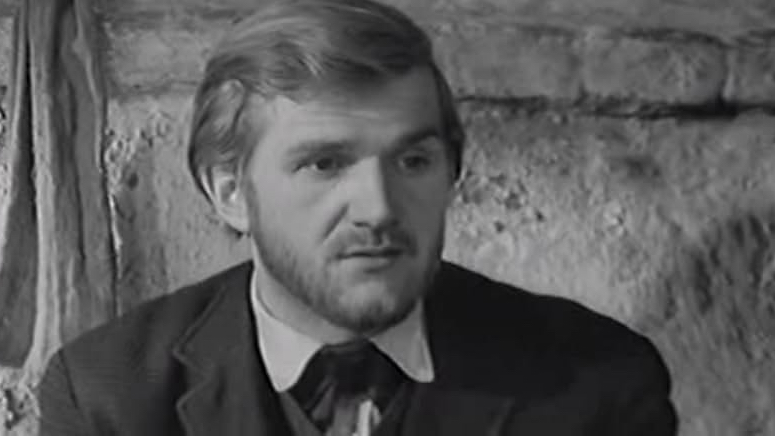
However, gaming analysts have praised the boldness of the endeavor. In an era dominated by safe, predictable sequel coverage and sterile hardware reviews, undertaking a deep-dive literary critique of Halo: Combat Evolved through the lens of St. Petersburg poverty and moral redemption represents a high-water mark for creative games writing.
Representatives from various cultural institutions have declined to officially comment, though rumors suggest that the St. Petersburg Dostoevsky Museum is currently reviewing whether Halo Infinite’s open-world mechanics match the bleak, open-ended spiritual desolation experienced by Porfiry Petrovich in his post-Halo career.
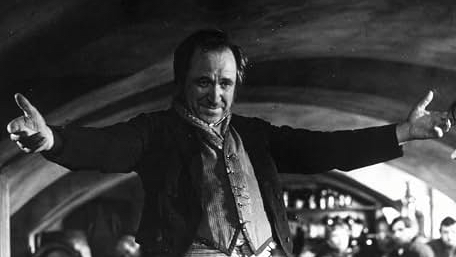
Implications for Future Cross-Disciplinary Studies
What does this eccentric alignment of nineteenth-century literature and early-2000s console shooters truly teach us?
First, it highlights the universal applicability of human psychology under extreme operational pressure. Whether an individual is grappling with the guilt of a bloody transgression in a cramped tenement or defending a shattered ring-world from a genocidal alien alliance, internal character traits—hubris, empathy, unwavering loyalty, or crippling neurosis—remain constant.
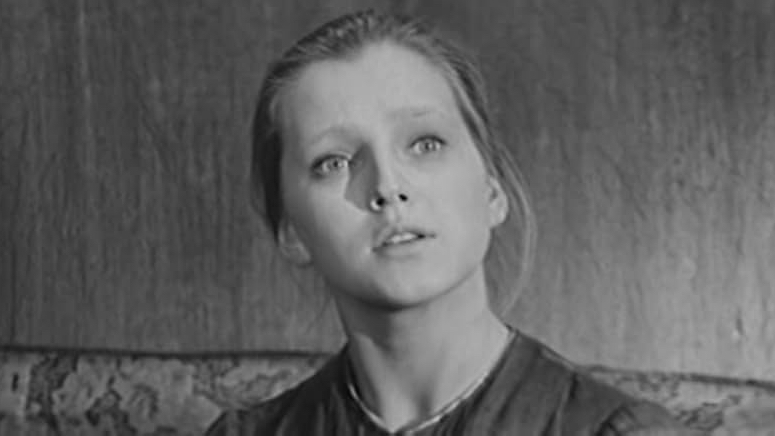
Second, it redefines how we view difficulty curves. Traditional metrics focus purely on frame data, enemy artificial intelligence, and weapon damage outputs. By factoring in existential dread, ideological fanatical devotion, and co-op social dynamics, critics can build a far more holistic profile of virtual survival.
Ultimately, while characters like Luzhin and Svidrigailov are destined to fail or be filtered out by community moderation policies, figures like Dunya Raskolnikova prove that classical literary heroines can easily dominate the most punishing gaming challenges ever devised. As the gaming landscape continues to evolve, one can only hope that future critics maintain the same fearless dedication to answering the hard questions: namely, how other classic literary figures—such as Holden Caulfield or Macbeth—would handle a Legendary run of Halo 2’s infamous "Cairo Station" sniper alley.

