


When Bandai Namco first mapped out its ambitious remaster initiative for the long-running Tales series, titles like Tales of Graces f and Tales of Xillia seemed like obvious, low-risk choices. As relatively recent high-definition entries locked to aging hardware, bringing them forward to modern platforms made sound financial and logistical sense. They were recognizable, carried built-in fanbases within the global JRPG community, and required minimal foundational restructuring to reintroduce to Western audiences.
Then came the announcement of Tales of Eternia Remastered.

The mere existence of this project is astounding. Hailing from four console generations past, Tales of Eternia has historically occupied an awkward, forgotten corner of the franchise—particularly in the West. Yet, rather than serving as a cynical gap-filler to pacify fans while they await the next mainline entry, Tales of Eternia Remastered is a masterclass in video game preservation. Handled by veteran co-developer TOSE, this comprehensive overhaul acts as a long-overdue redemption arc for a title plagued by a chaotic localization history, hardware limitations, and regional oversight.
Main Facts: Unpacking the Eternia Revival
At its core, Tales of Eternia Remastered brings the turn-of-the-century PlayStation classic to modern platforms with a staggering suite of quality-of-life additions, updated presentation options, and a complete re-translation.
Key details of the release include:
- Developer: Developed by Kyoto-based studio TOSE, known for their extensive portfolio of classic ports (including Final Fantasy titles and the critically praised Tales of Graces f Remastered).
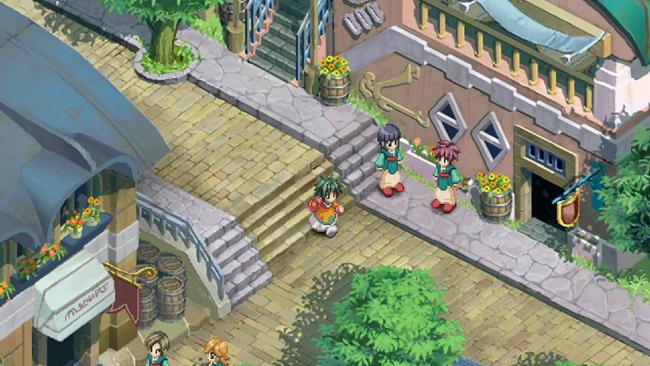
- Modern Enhancements: Features modern RPG conveniences such as an encounter rate toggle, a New Game+ mode, a default "run" movement toggle, and the ability to pause or skip cutscenes.
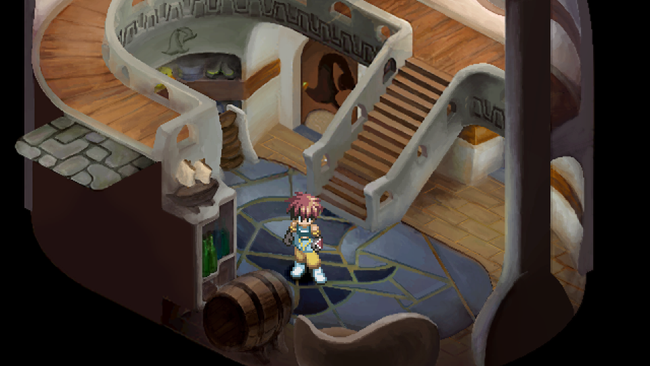
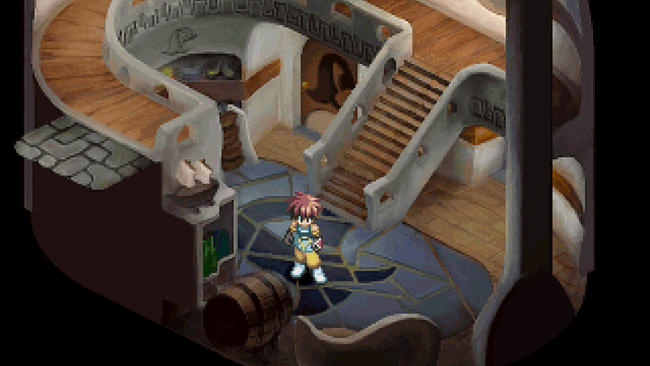
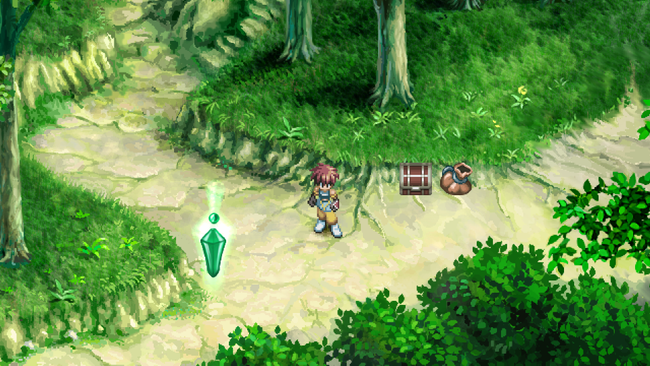
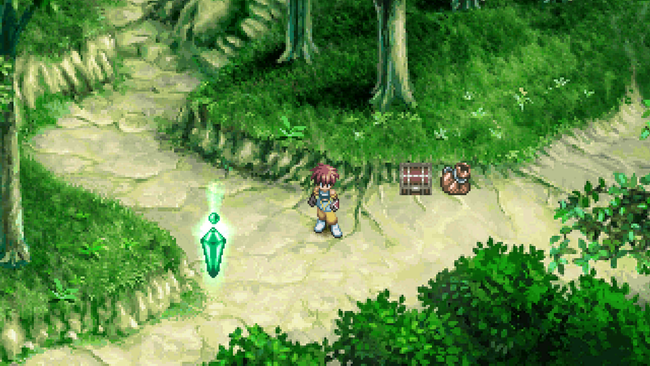
- Graphical Flexibility: Includes a toggle allowing players to switch seamlessly between "original" pixel-art aesthetics and "remastered" background art.
- Localization Overhaul: A brand-new English script translation by Side, alongside an entirely new English voice dub covering main story scenes and over 250 character skits. Audio production was managed by Cup of Tea.
Chronology: A Rocky Road to Modern Platforms
To understand why this remaster feels like a miraculous second chance, one must examine Tales of Eternia‘s troubled history outside of Japan.
The PlayStation Original and the Destiny II Blunder
Originally released for the original PlayStation in late 2000 in Japan, the game arrived in North America in 2001 under the ill-fated title Tales of Destiny II. This localized moniker was a baffling marketing choice; it had no narrative connection to the original Tales of Destiny beyond sharing a franchise banner, and it completely bypassed a European release. Compounding the confusion, Namco released a true Tales of Destiny 2 in Japan a year later, cementing a nomenclature nightmare for Western JRPG historians.
The PSP Port and the Infamous "Volt Glitch"
In 2005, Bandai Namco attempted a second Western release, bringing the game to Sony’s PlayStation Portable (PSP). However, this release came with its own bizarre regional twist: it launched exclusively in Europe, leaving North American fans out in the cold.
Worse still, the initial European UMD print run harbored a catastrophic, game-breaking programming error known as the "Volt Glitch." This unavoidable bug permanently halted progress at a specific point in the game, rendering it literally unbeatable. Because digital distribution was in its infancy, the issue could not be patched; players who purchased secondhand copies were forced to play a literal game of roulette, hoping their physical UMD wasn’t defective.
The Remaster Era
Skipping multiple console generations, Bandai Namco and TOSE finally brought the title out of limbo, providing a definitive, globally unified release that rights the wrongs of the past two decades.
Supporting Data: Sales, Standings, and Reception
Despite its cult status among die-hard retro enthusiasts, Eternia has historically lagged behind its siblings in commercial metrics.
In a 2021 retrospective video released ahead of Tales of Arise, Bandai Namco published worldwide sales data for the franchise. Globally, Tales of Eternia ranked 8th in total series sales, driven largely by its strong Japanese performance. However, it placed behind heavyweights like Tales of Destiny, Tales of Phantasia, and Tales of the Abyss—titles that many analysts anticipated would receive remaster priority. Regionally, the numbers were even starker: Eternia failed to crack the top ten in North America entirely, while landing at a modest #9 in Europe.
Yet, sales figures do not dictate a game’s need for modernization. While titles like Tales of Berseria or Xillia were already smooth, functional experiences that barely required a tune-up, Eternia sat on the opposite end of the spectrum. It was an unpolished diamond in desperate need of a mechanical and technical safety net.
Official Responses and Credits
The development of Tales of Eternia Remastered highlights both industry progress and persistent structural flaws regarding developer attribution.
TOSE’s handling of the project has been widely praised, echoing their previous success with Tales of Graces f Remastered. The integration of fan-requested features—such as making Nereid’s Labyrinth accessible on a first playthrough and turning one-time-only Arena matches into repeatable challenges—shows a deep respect for the source material.
However, the handling of the English voice cast has drawn scrutiny. While the newly recorded dub (featuring over 250 skits previously omitted from Western releases) has been lauded for breathing fresh life into the script, the voice actors themselves are noticeably uncredited within the game’s credits roll—attributing credit only to the recording studio, Cup of Tea, and translation agency Side. This unfortunate oversight highlights an ongoing industry struggle with voice actor visibility, even as the translation side of the project received proper acknowledgment.
Implications: A Victory for Video Game Preservation
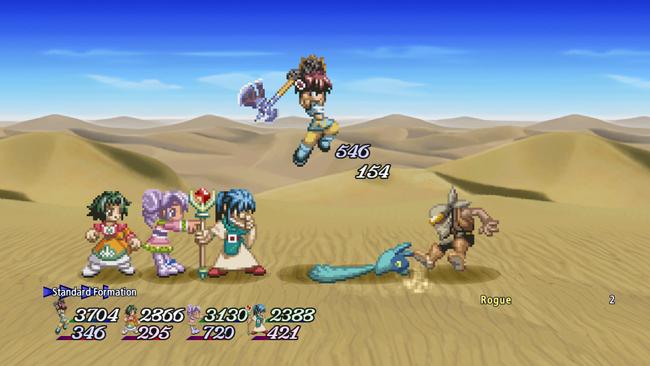
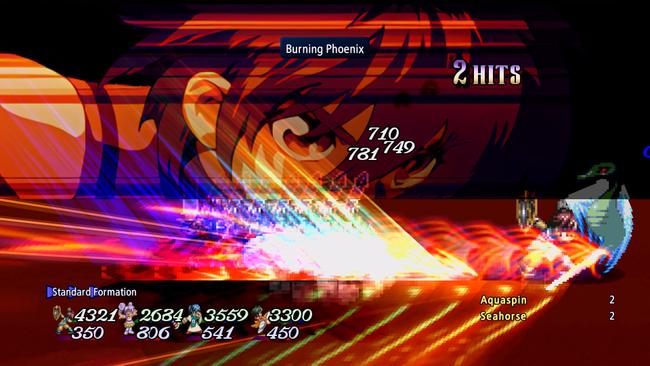
When evaluating Tales of Eternia Remastered as a standalone product, it remains a quintessential turn-of-the-century JRPG: a middle-of-the-pack franchise entry featuring a classic, predictable narrative and an arcade-style, albeit slightly clunky, 2D combat system.
The true triumph, however, lies in what this release represents for video game history. As digital storefronts and retro hardware rapidly age into obsolescence, the risk of losing foundational gaming milestones grows exponentially. Echoing sentiments previously expressed by industry advocates like GOG regarding the preservation of delisted titles, allowing beloved gems to vanish into obscurity is an unacceptable outcome for the medium.
Bandai Namco’s decision to invest heavily in Tales of Eternia Remastered—a title lacking the commercial security of a Symphonia or Arise—sets a high standard for back-catalog stewardship. It proves that publishers can look beyond the "low-hanging fruit" of immediate commercial blockbusters to rescue neglected historical pieces. Whether this signals a broader initiative to excavate other unlocalized or mistreated Tales entries remains to be seen, but for now, Tales of Eternia has finally been given the definitive lease on life it has always deserved.

