

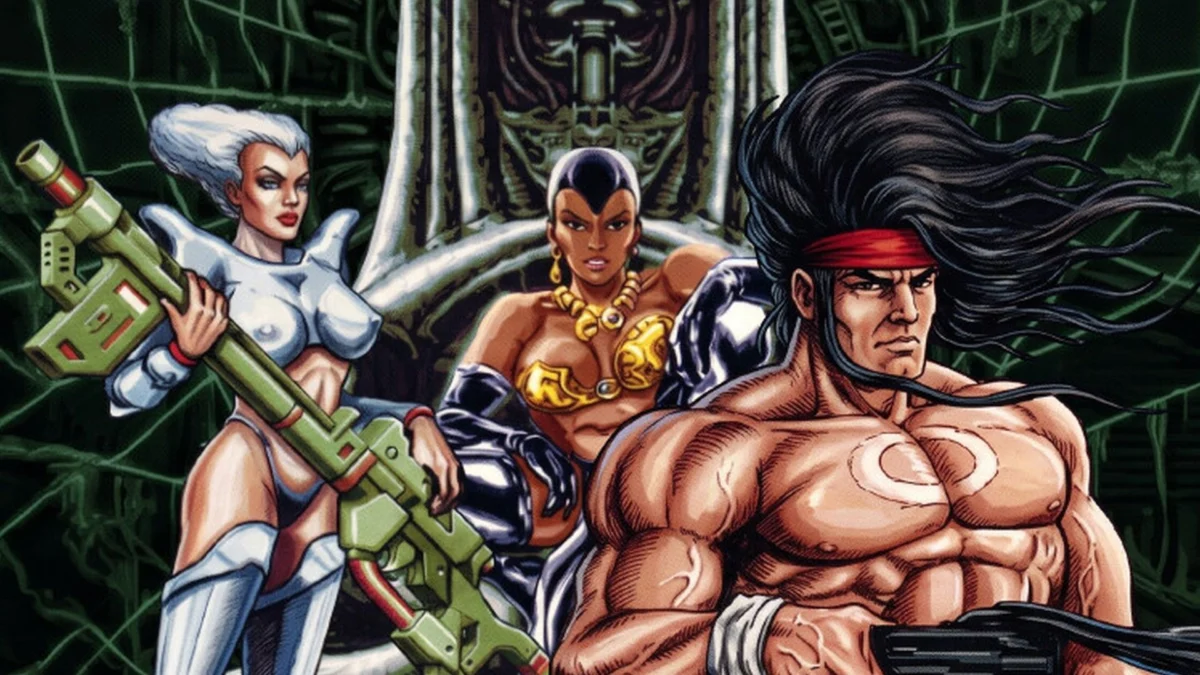
In the vibrant, neon-lit landscape of the 1990s coin-op arcade industry, a small but fiercely creative Spanish developer carved out a distinct niche that remains largely hidden from mainstream gaming history. While companies like Capcom, Konami, and SNK dominated global arcade floors with household names, Barcelona-based Gaelco was quietly revolutionizing electronic entertainment across Spain and select international markets.
Best known for its breakout 1993 racing hit World Rally—famously featuring a caricature of Carlos Sainz—Gaelco also produced an eclectic portfolio of titles, ranging from polygon-pushing sports games to specialized electronic dartboards. Yet, among their most eccentric and visually striking creations are two side-scrolling action games that fused the manic energy of classic Japanese shonen anime with the biomechanical dread of Ridley Scott’s Alien: Thunder Hoop and its sequel, TH Strikes Back.
For decades, experiencing these titles required tracking down rare, aging arcade hardware or relying on imperfect emulation. However, that is about to change. Retro-specialization publisher QUByte Interactive has officially announced the Thunder Hoop Collection, bringing both cult-classic arcade games to modern PC platforms via Steam. Scheduled for release on October 8, this upcoming compilation bridges a crucial gap in preservation history, giving players worldwide a chance to experience a fascinating piece of lost European arcade heritage enhanced with modern quality-of-life features.
Main Facts: The Return of the Forgotten Spanish Brawlers
The Thunder Hoop Collection packages two of Gaelco’s most bizarre and visually distinctive arcade titles into a single, modernized bundle for contemporary PC gamers.
At the center of both games is the titular protagonist, Thunder Hoop: a genetically engineered superhuman capable of projecting devastating blasts of energy from his hands. Tasked with single-handedly dismantling the machinations of the villainous Dr. Genbreak, Thunder Hoop fights his way through hordes of mutated monstrosities, corporate syndicate forces, and extraterrestrial horrors.
The collection features:
- Thunder Hoop (1992): The original arcade platformer that introduced players to the teenage incarnation of the hero, blending cartoonish creature designs with sprawling urban, sewer, and aquatic environments.
- TH Strikes Back (1994): The direct sequel that dramatically overhauled the tone, aging the protagonist into a shirtless, muscle-bound adult while transforming the gameplay into an intense, rapid-fire run-and-gun shooter featuring surreal sci-fi sequences.
- Modern Enhancements: Developed with QUByte’s signature preservation philosophy, the collection includes customizable CRT screen filters, save states, a rewind function for trial-and-error gameplay, and integrated local cooperative multiplayer options.
By launching on Steam, QUByte Interactive is not merely porting old ROMs; it is actively rescuing obscure pieces of interactive history from the threat of hardware degradation and obscurity.
Chronology: The Evolution of Gaelco and the Thunder Hoop Saga
To fully understand the significance of the Thunder Hoop Collection, it is necessary to examine the timeline of Gaelco’s development during the golden age of arcade gaming and the distinct evolutionary path taken by its flagship action franchise.
The Rise of Gaelco (1985–1991)
Founded in Barcelona, Spain, in 1985, Grupo de Accion Electronica (Gaelco) initially focused on the manufacturing and distribution of coin-operated amusement machines, including electronic dartboards. As the company expanded its engineering capabilities toward video game development in the late 1980s, it assembled a team of local programmers and artists tasked with competing against established Japanese and American arcade giants. Operating primarily within the European market, Gaelco established a reputation for robust hardware design and striking, albeit occasionally derivative, artistic direction.
Thunder Hoop: The Teenage Genesis (1992)
Released in 1992, the original Thunder Hoop arrived during a transitional period for arcade action games. Capcom had recently redefined the beat-’em-up genre with Final Fight, and platformers were shifting toward sleeker, more aggressive aesthetics.
Thunder Hoop positioned itself as a hybrid genre piece. Players controlled a young, green-haired adolescent possessing terrifying bio-engineered powers. The game’s visual identity drew heavy inspiration from Akira Toriyama’s Dragon Ball Z, which was exploding in popularity across Europe at the time. Characters exhibited spiky hair, expressive anime-inspired facial features, and explosive energy attacks. Simultaneously, the enemy designs—creeping, acid-dripping monstrosities, biomechanical horrors, and insectoid mutations—directly referenced H.R. Giger’s iconic xenomorph designs from the Alien franchise.
The gameplay of the 1992 original was structured as a traditional side-scrolling platformer. Players traversed industrial cityscapes, subterranean sewer systems, and underwater research facilities, battling waves of cannon-fodder mutants before confronting screen-filling bosses. While mechanically conventional, its sheer visual audacity and high difficulty curve secured its status as a cult favorite in Spanish arcades.
TH Strikes Back: The Muscle-Bound Evolution (1994)
By 1994, arcade trends had shifted decisively toward frantic, high-action combat and digitized sprites or hyper-detailed hand-drawn visuals. When Gaelco developed the sequel, TH Strikes Back, they subjected the franchise to a total stylistic overhaul.
The protagonist was no longer a lithe, teenage anime hero. Instead, TH Strikes Back aged Thunder Hoop into an absurdly muscular, shirtless adult action star who clearly viewed shirts as an unnecessary impediment to bio-electric combat. The tone pivoted from a somewhat grounded urban sci-fi platformer to an over-the-top, exploitation-style action spectacle. Players now battled latex-clad dominatrix mercenaries, advanced cyborgs, and bizarre mutant beasts.
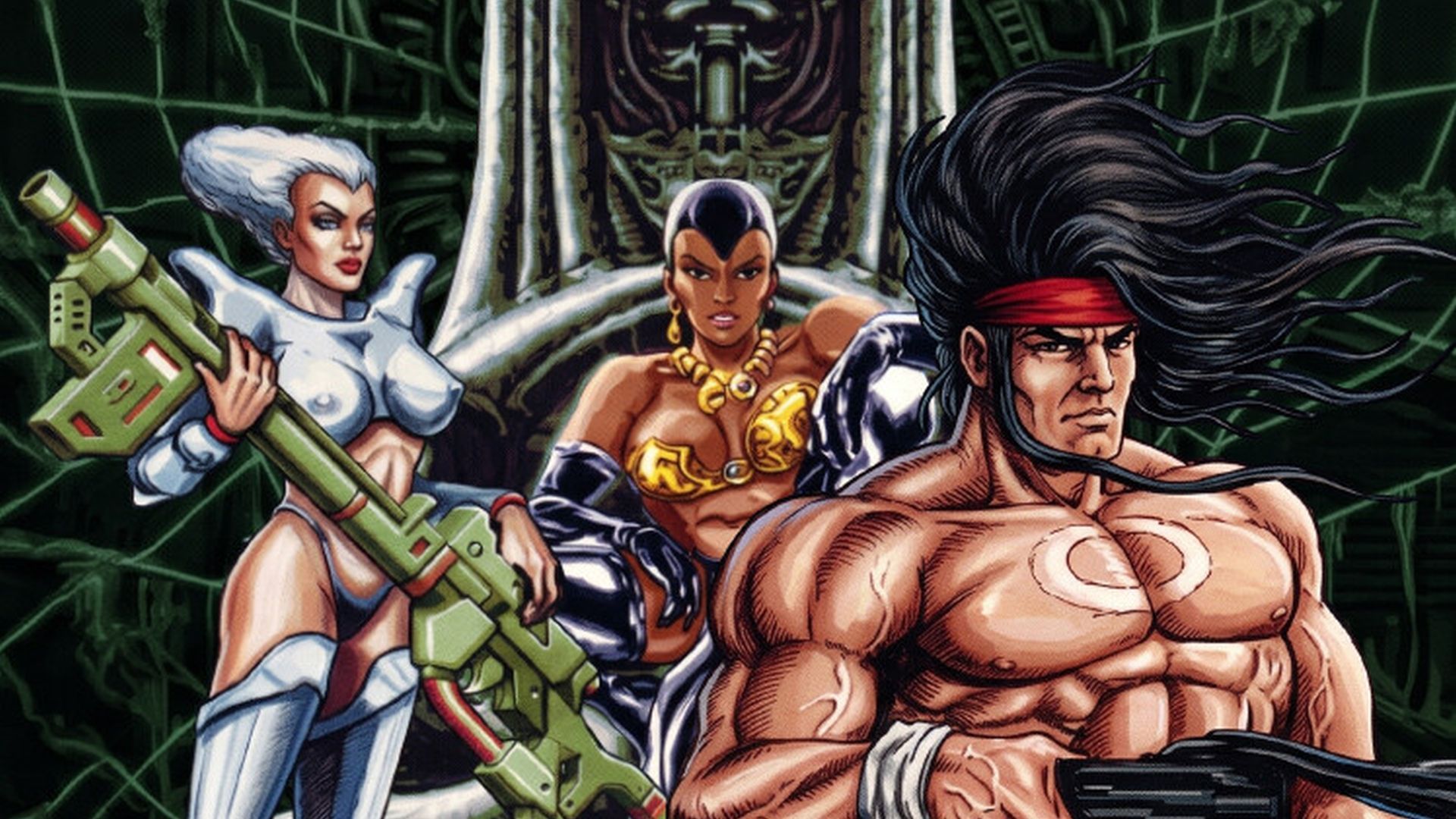
Most remarkably, the gameplay mechanics underwent a radical transformation midway through the experience. Embracing a dual-identity approach, the game featured a memorable sequence where Thunder Hoop channelled a classic anime transformation—effectively going "Super Saiyan"—before launching himself directly into outer space for a vertical, Gradius-style scrolling shoot-’em-up phase. This unexpected genre shift elevated TH Strikes Back from a standard sequel into a bizarre, unforgettable arcade curio.
The Digital Preservation Era (2024)
Following the decline of the traditional arcade industry in the late 1990s and early 2000s, Gaelco transitioned fully into other commercial sectors. Their arcade catalog risked being lost entirely to time, preserved only by dedicated emulation archivists and physical collectors hoarding aging printed circuit boards (PCBs).
QUByte Interactive’s intervention in 2024 marks the first time these titles have received an official, widely accessible digital release, bringing them out of dusty basements and into the modern digital storefront ecosystem.
Supporting Data: Examining the Technical and Cultural Footprint
While World Rally remains Gaelco’s most commercially successful international export—thanks in no small part to its licensed steering wheel cabinet and recognizable rally car branding—the Thunder Hoop series represents a fascinating case study in regional game design.
- Geographic Isolation: During the 1990s, the European arcade market was heavily influenced by imports from Japan, but local manufacturers in Spain, Italy, and the UK occasionally produced distinct regional hits. Gaelco games were heavily distributed throughout the Iberian Peninsula, but rarely secured widespread North American distribution through major arcade conglomerates like Sega or Midway. Consequently, titles like Thunder Hoop became rare anomalies for North American retro collectors.
- Hardware Specifications: Both games ran on Gaelco’s proprietary custom arcade hardware, which utilized Motorola 68000 main processors paired with dedicated sound chips. Recreating these titles for modern hardware required sophisticated reverse-engineering and emulation pipelines to ensure frame-accurate input response, critical for the twitch-reaction gameplay demanded by 1990s coin-ops.
- Cooperative Functionality Limitations: A notable technical quirk of the original releases—faithfully preserved in the upcoming collection—is the disparity in multiplayer options. While TH Strikes Back supported simultaneous local cooperative play, the 1992 original restricted multiplayer to an alternating-turn structure, reflecting the transition in arcade design philosophy mid-decade toward collaborative beat-’em-ups.
Official Responses and Preservation Philosophy
The announcement of the Thunder Hoop Collection has been met with quiet enthusiasm from the global retro gaming community, highlighting ongoing discussions regarding the ethical and practical importance of video game preservation.
QUByte Interactive, a Brazilian publisher specialized in breathing new life into forgotten retro titles and indie gems, has emphasized that curating these releases involves close collaboration with IP holders to secure clean ROM dumps and source code where available.
While formal statements from former Gaelco developers regarding this specific port have been sparse—many key personnel having moved on to different sectors of the tech and entertainment industries—industry preservationists have universally praised the initiative. Historically, European arcade games outside of the UK and Italy have suffered from a severe documentation deficit. By making titles like Thunder Hoop legally and easily accessible on Steam, publishers like QUByte are ensuring that academic researchers and modern players alike can study the cross-cultural pollination of Japanese anime aesthetics within 1990s European game development.
Furthermore, the inclusion of contemporary quality-of-life adjustments—such as customizable CRT shader filters, state saves, and button mapping—addresses the primary barrier that deters modern audiences from enjoying coin-op games: the notoriously punishing, coin-guzzling difficulty curves intentionally engineered by 90s arcade developers to maximize revenue.
Implications: What the ‘Thunder Hoop’ Collection Means for Retro Gaming
The release of the Thunder Hoop Collection on October 8 carries several broader implications for the video game industry, particularly concerning digital preservation, regional history, and the commercial viability of obscurities.
1. Validating Regional Arcade Historiography
For years, mainstream retro gaming discourse has focused predominantly on American and Japanese arcade output. The Thunder Hoop Collection serves as a reminder that vibrant, highly creative development scenes existed in unexpected corners of Europe. By bringing Gaelco’s catalog to Steam, publishers are validating the historical importance of localized European arcades, encouraging historians to dig deeper into Spanish, Italian, and Scandinavian coin-op history.
2. The Normalization of Comprehensive Quality-of-Life Standards
QUByte’s approach underscores a vital standard in modern retro compilation releases: raw emulation is no longer enough. Consumers expect modern conveniences. Features like rewind mechanics, save states, and visual customization (CRT filters) transform what would otherwise be frustrating historical artifacts into approachable, enjoyable interactive entertainment experiences.
3. Expanding the Indie and Retro Digital Ecosystem
As major storefronts like Steam become increasingly crowded, curated retro collections carve out a stable, highly dedicated market. For indie publishers, acquiring rights to dormant, low-cost intellectual properties provides a sustainable business model while simultaneously rescuing pieces of digital culture from abandonware status.
When Thunder Hoop and TH Strikes Back launch on Steam, they will no longer be mere footnotes in enthusiast forum threads or obscure entries on arcade database websites. They will be playable, living history—reminding players of a bizarre era when a Spanish development team looked at Goku and a Xenomorph, decided to smash them together, and created something entirely unforgettable.

