

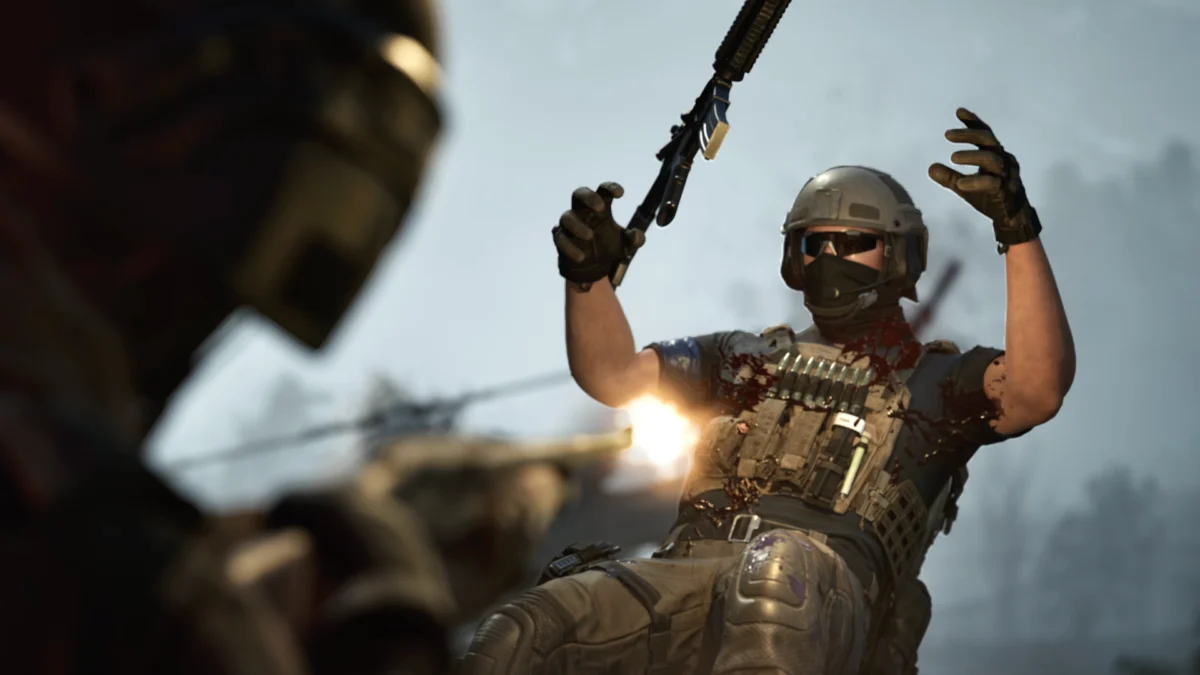
In the rapidly evolving landscape of competitive shooters, few features are as anticipated—or as controversial—as the implementation of custom loadouts. For players of the rising tactical sensation Wardogs, the request for a streamlined, personalized gear-selection system has been a recurring theme in community discourse. However, in a surprising turn of events, developer Bulkhead has confirmed that while the feature is officially in the pipeline, its delay is not a matter of technical limitation, but a calculated strategic choice designed to protect the integrity of the game’s meta-balance.
The Core Conflict: Convenience vs. Comprehensive Testing
The tension between player desire and developer intent reached a head on Reddit, where Bulkhead CEO Joe Brammer addressed the community’s vocal demands for custom loadouts. While acknowledging that the feature is coming, Brammer offered a candid look behind the curtain of game development, revealing that the absence of loadouts was a deliberate design choice meant to force players into a broader, more rigorous testing cycle.
"Internally, we deliberately never gave the team loadouts," Brammer explained. "If we had, everyone would have gravitated to their favorite setup and only ever tested with that. Withholding them forced the team to play with everything, which meant far more of the game got properly tested."
For the developers, the primary concern is the preservation of high-quality balance data. In a vacuum, players tend to find the "path of least resistance"—the most efficient weapon or gear combination—and stick to it religiously. By stripping away the ability to instantly equip a favored build, Bulkhead has successfully forced the current player base to experiment with a wider variety of equipment, providing the studio with the telemetry data necessary to tune individual weapons and gadgets.
A History of Iteration: Lessons from Pre-Alpha
The decision to delay loadouts is rooted in the lessons learned during the game’s pre-alpha phase, particularly regarding the "rebuy" mechanic. Initially, the game allowed players to quickly repurchase their previous loadout immediately after death. On the surface, this seemed like a quality-of-life improvement, but the data told a different story.
The Rebuy Experiment
During early testing, the rebuy prompt appeared as a prominent pop-up. Developers observed that players were instinctively hitting the button out of habit, even when they were losing engagements consistently. Instead of assessing their tactical failure and switching to a more effective weapon or counter-strategy, players were simply "throwing good money after bad," leading to frustration and, ultimately, player churn.
"We’d expected them to go hunting for better weapons, and they didn’t," Brammer noted. "They kept getting beaten, and a lot of them put the game down quickly."
In response, the team removed the feature entirely for several testing sessions. The result was immediate and measurable: new player retention improved, and developers observed that players were successfully navigating the intended weapon unlock paths. The rebuy feature was eventually restored, but significantly relegated to a less intrusive button in the bottom left of the UI to prevent it from becoming a "crutch" that discouraged tactical adaptation.
Data-Driven Development: The Philosophy of the Meta
Bulkhead’s philosophy represents a shift away from the "player-first" mantra often seen in modern live-service games, moving instead toward a "design-first" approach. By withholding the ability to save custom loadouts, the developers are effectively curating the evolution of the game’s meta-game.
When loadouts are eventually introduced—a timeline for which remains unconfirmed—they will not be a base-level convenience. Instead, they will be integrated into the game’s "meta-game," requiring players to unlock slots using in-game currency. This creates a tiered system where loadouts become a reward for mastery rather than a default expectation.
"Right now it’s really important to us that players keep trying different weapons rather than settling on one setup," Brammer stated. "Otherwise, it would heavily skew the balance data we rely on."
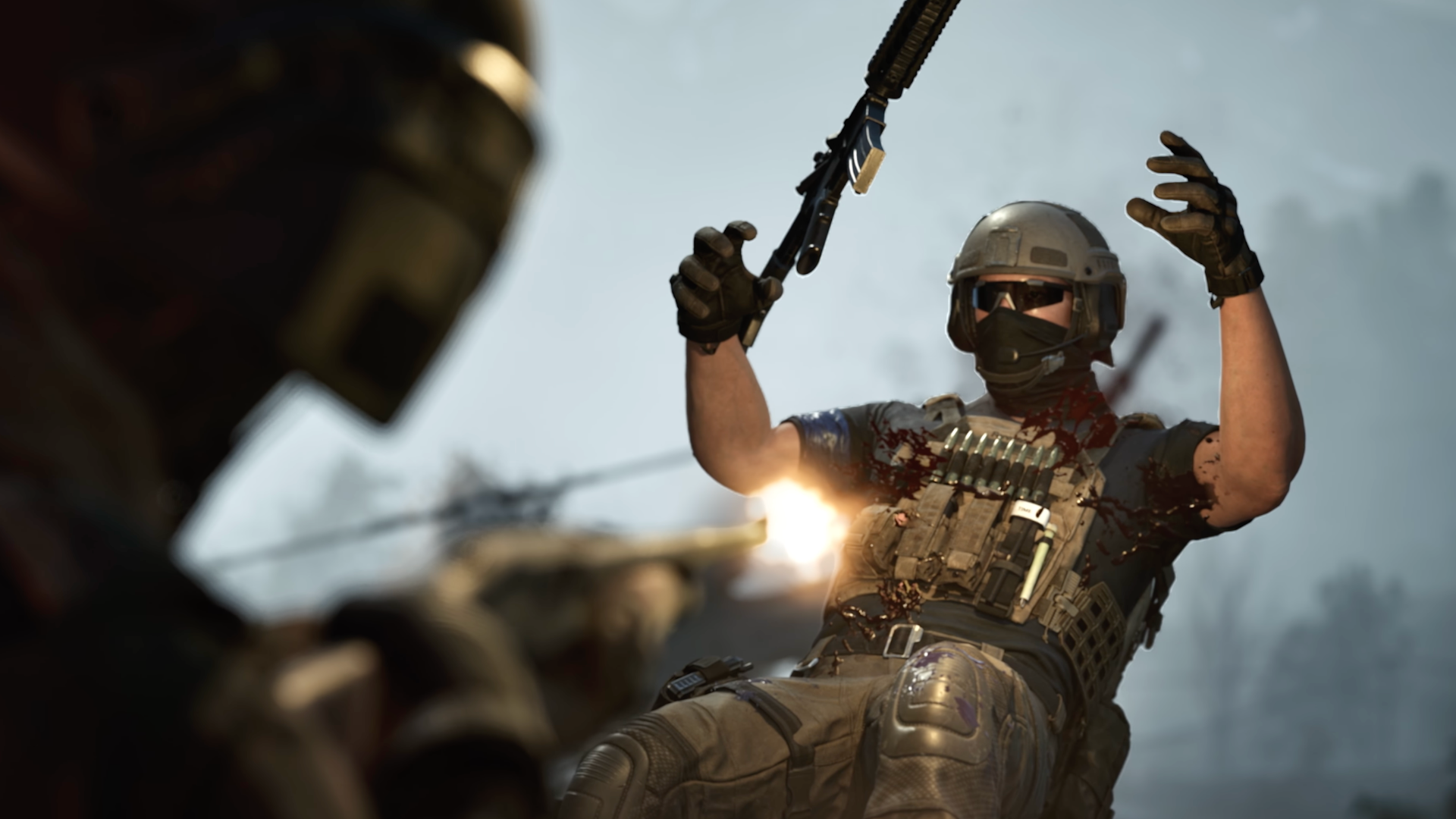
This creates a fascinating dynamic: players are currently serving as unpaid testers in a massive, real-world stress test for the game’s weapon balance. By denying the convenience of loadouts, Bulkhead is ensuring that the eventual "meta" will be built on a foundation of diverse gameplay experiences rather than a narrow slice of optimal gear.
The Community’s Counter-Argument
While Bulkhead’s logic is sound from a data-science perspective, it has not gone unchallenged. Within the community, critics argue that the absence of loadouts does not actually stop players from using the same gear; it merely adds a layer of tedious, repetitive menu management to every respawn.
"If I have to manually click through the menus to select the same weapon and attachment configuration every time I die, I’m just annoyed, not encouraged to experiment," one user pointed out on social media.
The argument follows that if a player is determined to use a specific meta-weapon, they will do so regardless of whether they have a "Loadout 1" button or not. By refusing to provide the feature, the developers may be sacrificing user experience for the sake of data purity. This creates a friction point where the "correct" way to play according to the developer clashes with the "fun" way to play according to the user.
Implications for Wardogs‘ Future
The surge in popularity of Wardogs, which recently contributed to Steam hitting an all-time high of 43 million concurrent users, places massive pressure on Bulkhead to deliver a polished experience. The game is currently riding a wave of momentum, and how the developers handle the "loadout controversy" will set a precedent for their relationship with the community.
1. Retention Risks
If the lack of loadouts continues to feel like a "punishment" rather than a design choice, the developers risk frustrating their most dedicated players. As the game transitions from early testing to a full-scale live service, the tolerance for "manual friction" typically decreases.
2. The Power of the Meta
By forcing experimentation now, Bulkhead is arguably trying to prevent a stagnant meta from forming too early. If everyone finds the "perfect" loadout on day one, the variety of the game dies. By delaying this, they are artificially extending the discovery phase of the game’s life cycle.
3. Monetization and Progression
The plan to tie loadout slots to the in-game economy suggests that Bulkhead views loadouts as an "end-game" feature. This is a smart move for player progression; it gives users a tangible goal to work toward, ensuring that the economy remains relevant beyond the initial unlock of base weapons.
Conclusion
Bulkhead’s decision to delay custom loadouts is a rare, transparent glimpse into the "benevolent dictatorship" model of game design. By prioritizing balance data and player behavior modification over immediate convenience, the studio is betting that the long-term health of Wardogs depends on a diverse, well-tested meta.
Whether this gamble pays off remains to be seen. As the player base continues to swell, the pressure to conform to industry standards—like one-click loadout saves—will only intensify. For now, Wardogs players must continue to manually assemble their kits, serving as both participants and subjects in a grand experiment to determine exactly what makes a tactical shooter balanced, challenging, and sustainable.
In the high-stakes world of modern gaming, Bulkhead is betting that if they build a balanced, deep, and varied experience today, the players will thank them tomorrow. For the time being, the pew-pewing continues—just with a little more menu navigation than the average fan might prefer.

