

Main Facts: The Modding Experiment That Defies Logic
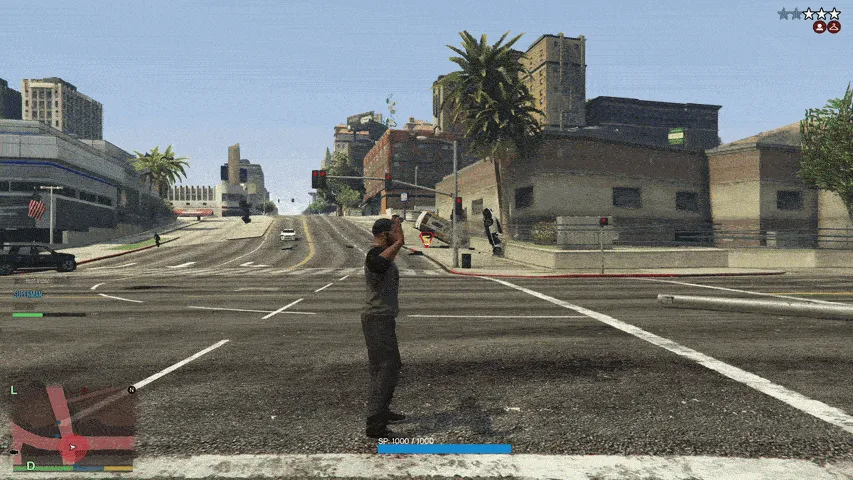
In the vast, sprawling ecosystem of PC modding, few projects currently match the sheer chaotic ambition of an ongoing, day-by-day experiment to turn Grand Theft Auto V into a makeshift, heavily modified precursor to Grand Theft Auto VI—or break the game beyond repair in the process. The premise is simple yet utterly unhinged: install a cascading series of total-conversion mods, scripts, and graphical overhauls into Rockstar Games’ decade-old masterpiece until it ceases to resemble its original self.
The latest milestone in this protracted descent into digital madness involves the integration of the Superman V script mod. Rather than relying on the standard arsenal of assault rifles, rocket launchers, and stolen supercars, players can now cast aside conventional weaponry entirely. Franklin, Michael, and Trevor are no longer mere criminals running from the local authorities; they are god-like entities capable of flight, heat vision, cryo-attacks, super-speed, and freeze-breath.
However, this ambitious undertaking has pushed the technical limits of GTA V’s engine. As more mechanics are layered on top of one another—ranging from player-seeking hit squads and summoned packs of animals to custom vehicle handlers and complex trainer menus—the game is beginning to buckle under its own weight. The keyboard inputs required to manage the dizzying array of overlapping user interfaces are rapidly running out, raising a pressing question for the modder: will GTA V break first, or will human control over the modded nightmare collapse entirely?
Chronology: How Los Santos Became Metropolis
The journey to transform Grand Theft Auto V into a chaotic playground of superhero physics did not happen overnight. It is part of a calculated, serialized daily diary of software modification designed to test the boundaries of Rockstar’s proprietary RAGE engine.
Phase 1: Heavy Ordnance and Initial Chaos
The experiment began with foundational overhauls. The initial steps introduced weaponized vehicles packed with enough explosive ordnance to level entire city blocks. Traditional street racing and minor heists were immediately sidelined in favor of weaponized absurdity, turning normal traffic stops into explosive warzones.
Phase 2: Introducing the Hit Squads
As the chaos escalated, the game began fighting back. The modder introduced aggressive, player-seeking hit squads designed to hunt down the protagonist relentlessly. Unfortunately, because of the sheer volume of competing mods already installed—ranging from custom pedestrian behaviors to roaming animal packs—these elite hit squads frequently became confused, getting stuck in traffic jams or distracted by spawned chimpanzees and lions wandering the streets of Vinewood.
Phase 3: The Superhuman Ascension
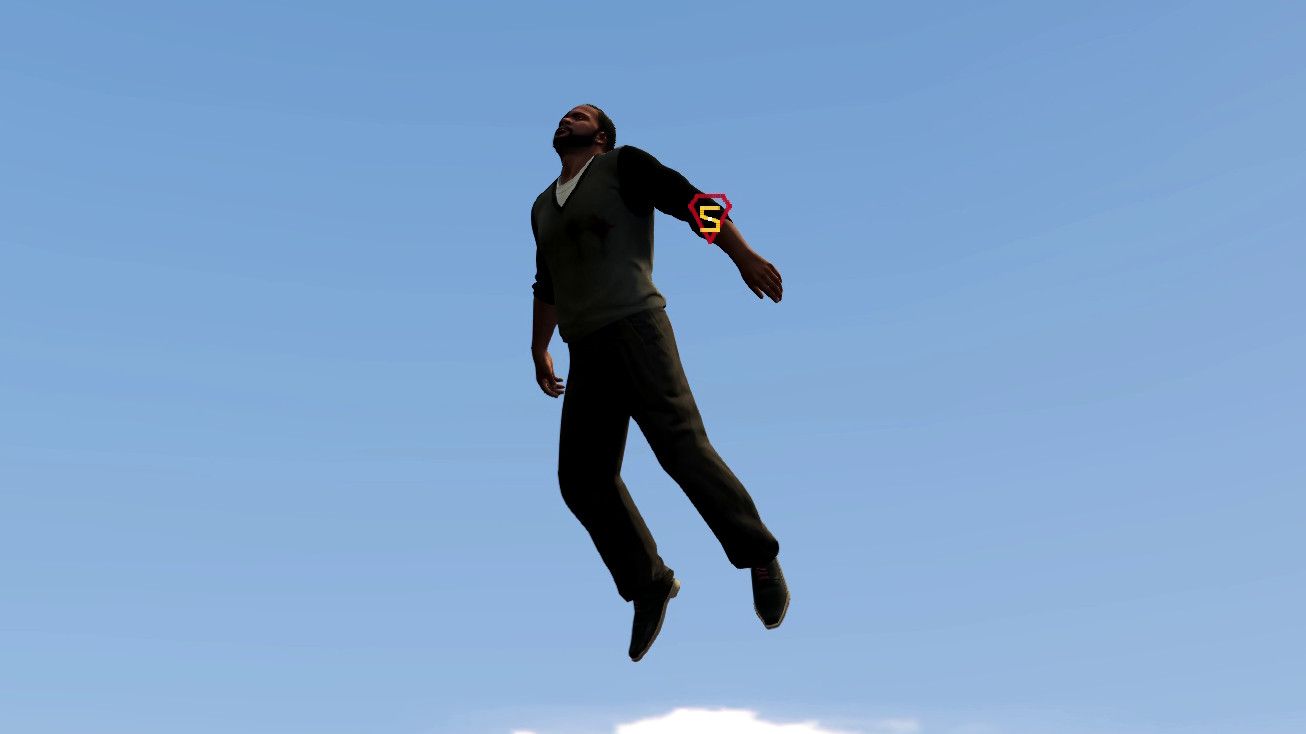
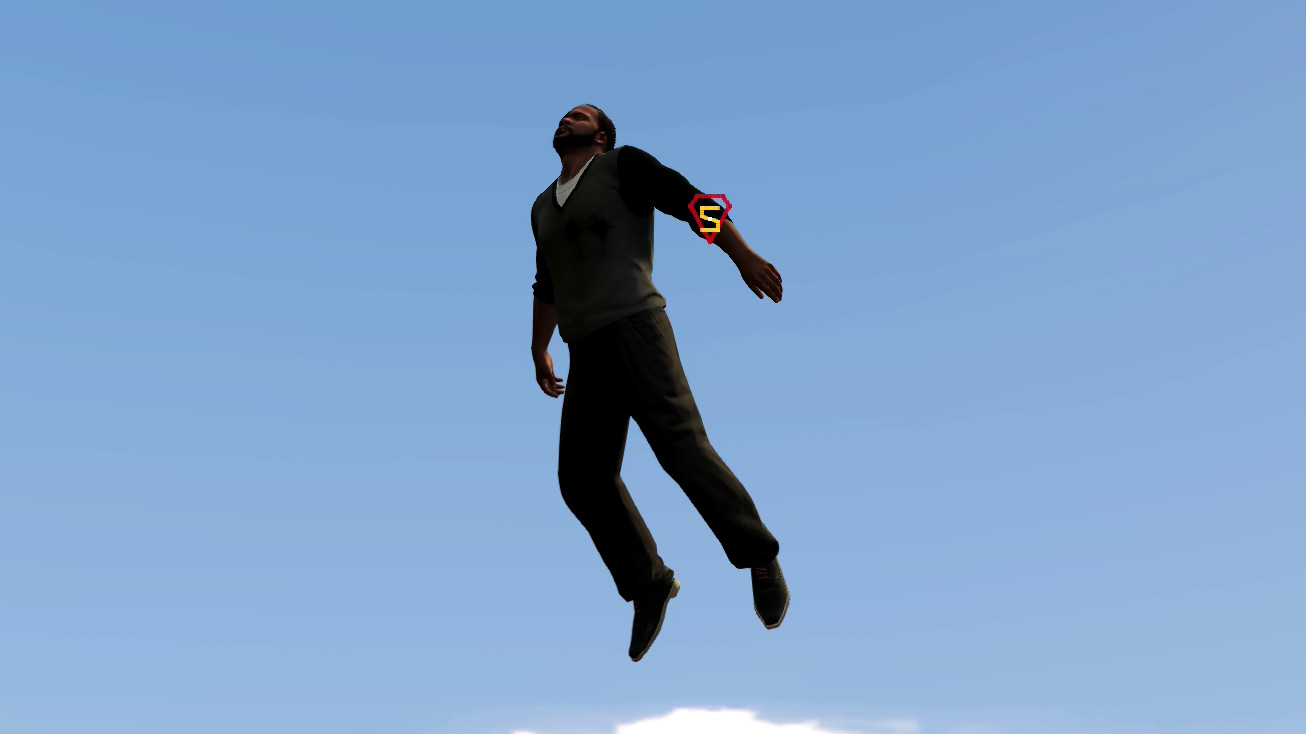
The most recent development marks the complete abandonment of conventional physics. By injecting the Superman V script into the game files, the protagonist’s traditional move set was entirely rewritten. Guns were discarded. In their place came ocular lasers, thermal manipulation, and aerodynamic flight mechanics. Yet, because GTA V was never designed to handle atmospheric flight coupled with supersonic ground movement, the results are delightfully unpredictable. Players attempting to take flight are just as likely to soar gracefully above the Maze Bank Tower as they are to tumble limply through the clouds like an unmoored leaf.
Supporting Data: The Mechanics of Modded Chaos
To understand the scale of this project, one must examine the technical interplay between the various scripts currently coexisting inside the GTA V directory.
- The Physics Engine Conflict: GTA V utilizes Euphoria physics for realistic ragdoll reactions and vehicular handling. Introducing flight scripts forces the engine to bypass gravity calculations entirely, often resulting in comical glitches where characters twirl uncontrollably while firing heat-vision beams from their eyes.
- UI and Keybinding Saturation: Running multiple deep-level script hooks requires a vast number of dedicated shortcut keys. The user currently relies on overlapping toolsets, including:
- Enhanced Native Trainer
- Menyoo PC SP
- Custom companion and animal-summoning scripts
- Piggyback and interaction frameworks
- The Hardware Strain: While modern gaming PCs easily handle the base performance of a 2013 title, stacking dozens of active AI scripts, high-resolution textures, custom weather mods, and persistent hit squads creates severe CPU bottlenecks. Frame rate dips and script crashes have become common occurrences as the game struggles to process whether a civilian should run from a laser-eyed Franklin, get mauled by a modded chimpanzee, or be vaporized by an incoming missile.
Official Responses and Community Reception
While Rockstar Games has not issued a direct comment regarding this specific daily modding chronicle—maintaining its long-standing policy regarding single-player modding discretion—the wider PC gaming community has embraced the project with open arms.
For years, the discourse surrounding Grand Theft Auto VI has been dominated by speculation, multi-billion-dollar publisher expectations, and meticulous frame-by-frame analysis of official trailers. In contrast, this daily modding experiment offers a satirical, hands-on antidote to the pre-release hype cycle. Fans online have drawn humorous parallels between the absurd power fantasies of modern sandbox gaming and classic retro titles, noting that modern PC modding can turn GTA V into a spiritual successor to overlooked gems like The Incredible Hulk: Ultimate Destruction.
Modding forums and social media channels have flooded with suggestions for the next phase of the experiment. Common requests include turning the map upside down, replacing all pedestrians with identical clones of Trevor Philips, or scaling up the physics multiplier until a simple stubbed toe launches a character into low Earth orbit.
Implications: Where Does the Experiment Go From Here?
As this ongoing modding saga progresses, it raises broader questions about the nature of PC game modification and the limits of legacy game engines.
1. The Death of the Engine
Rockstar’s RAGE engine is an engineering marvel, capable of simulating complex urban environments, dynamic lighting, and dense pedestrian AI. However, it was built during the seventh generation of consoles (PS3 and Xbox 360). Forcing it to process the sheer density of third-party scripts, superhuman flight physics, and chaotic entity spawning proves that even the most robust architectures have a breaking point. The central thesis of the project—to either become GTA VI or break entirely—is inching closer to the latter.
2. The Ergonomic Crisis
Beyond software stability, the experiment highlights a very human bottleneck: input device limitations. Standard QWERTY keyboards feature a finite number of functional keys. When every single key, modifier, and function button is pre-programmed to trigger a different mod menu, trainer, or superhuman ability, playing the game transforms into a game of physical Twister. Controlling the chaos becomes more difficult than surviving the hit squads.
3. A Precursor to GTA VI?
Of course, the initial logic—that GTA VI will be the greatest game ever made, and therefore must resemble a chaotic superhero sandbox—is entirely facetious. Rockstar’s official release will undoubtedly deliver a tightly scripted, meticulously polished open-world crime drama rather than an anarchic flying simulator. Yet, in the interim, this modded version of Los Santos provides an unmatched playground of emergent storytelling.
Whether the project ultimately concludes with a cataclysmic file corruption error or an entirely stable, laser-shooting incarnation of Michael Townley remains to be seen. Readers can only tune in next time to discover what fresh administrative nightmare awaits the citizens of Los Santos.

