

By Staff Gaming Correspondent
Published: October 6, 2026
Main Facts: The Return of a Tactical Heavyweight
When Infinity Ward first introduced the DMZ Beta alongside Call of Duty: Modern Warfare 2 in late 2022, it was met with a mixture of cautious optimism and systemic critique. Inspired by the hardcore survival mechanics of Escape from Tarkov, the mode attempted to bridge the gap between casual arcade shooters and punishing, high-stakes extraction gameplay. While it cultivated a passionate niche player base, it ultimately fell short of becoming the undisputed genre leader that Activision had envisioned.
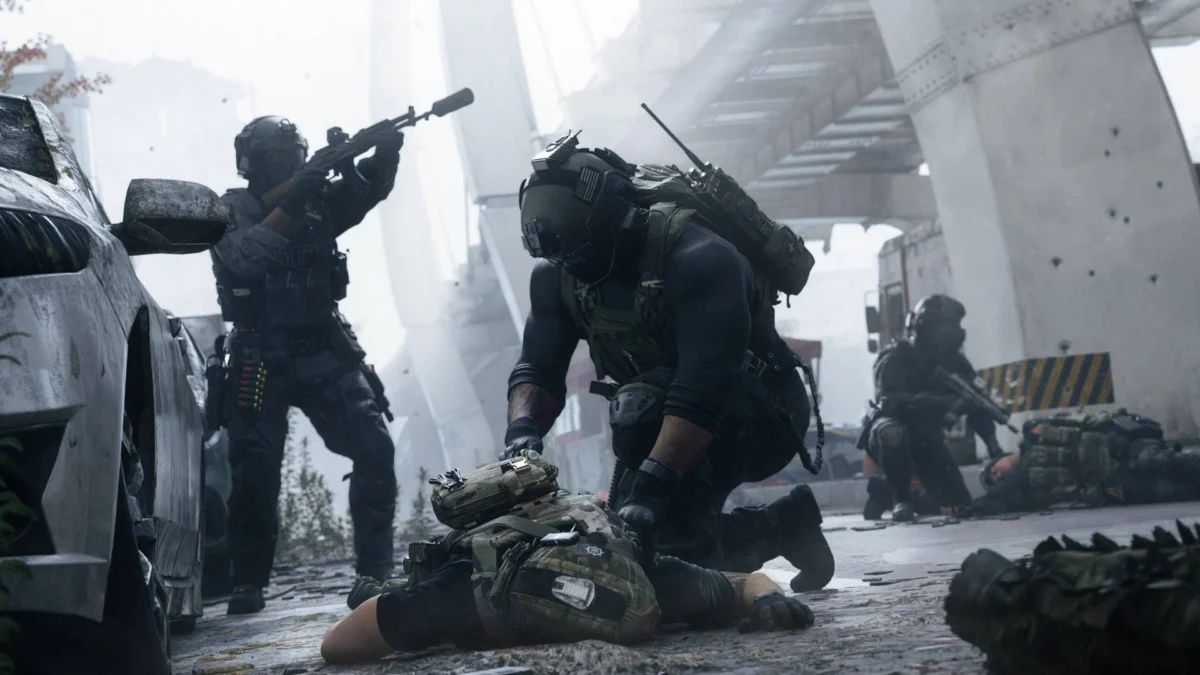
Now, with the imminent launch of Call of Duty: Modern Warfare 4 later this month, the franchise is making its most ambitious play yet to capture the extraction market. The fully realized, heavily polished iteration of DMZ arrives after four years of iterative development, engine enhancements, and direct community feedback. Set against the backdrop of a massive new exclusion zone known as "Hajin," the reimagined mode drops players into a living, breathing tactical sandbox. Armed with industry-leading gunplay, dynamic quest systems, and high-threat AI bosses, Modern Warfare 4’s DMZ is positioned not just as a side mode, but as the marquee experience of the upcoming release.
Chronology: From Experimental Beta to Full-Scale Launch
To understand the weight of Modern Warfare 4’s upcoming DMZ release, one must trace the turbulent timeline of the extraction shooter genre over the past several years:
- Late 2022: Infinity Ward launches the DMZ Beta in Call of Duty: Modern Warfare 2. It introduces open-world PvEvP mechanics to millions of mainstream players, serving as an accessible entry point to the extraction subgenre.
- 2023–2024: The extraction market expands rapidly. Titles like Escape from Tarkov maintain a hardcore PC audience, while developers worldwide scramble to build console-friendly competitors.
- Early 2026: The genre reaches a fever pitch. Arc Raiders hits peak player numbers, and anticipation for Bungie’s Marathon peaks. However, player retention issues soon plague several major titles, prompting significant overhauls, updates, and pivots across the industry.
- October 2026: Activision drops deep-dive intelligence briefings detailing the architecture of Modern Warfare 4’s DMZ. The mode debuts a massive map (Hajin), advanced Forward Operating Base (FOB) management, intricate multi-tier narrative objectives, and refined AI threats, setting the stage for its late-October launch alongside Modern Warfare 4.
Supporting Data: The Shifting Landscape of Extraction Shooters
The timing of Modern Warfare 4’s DMZ launch could not be more critical for the current ecosystem of tactical multiplayer games. Earlier in 2026, the extraction shooter market was defined by fierce competition and volatile player retention rates.

- Genre Fluctuation: Arc Raiders enjoyed monumental initial success earlier this year, though its player base saw notable contractions prior to major seasonal interventions like the Frozen Trail update. Meanwhile, pioneers like Escape From Tarkov pivoted heavily toward PvE expansions and prestige systems to satisfy veteran players, and competitors like Marathon faced prolonged development and community hurdles.
- Call of Duty’s Engine Advantage: Unlike many dedicated extraction titles that struggle with server stability, netcode consistency, or sluggish mechanical movement, the Modern Warfare franchise benefits from years of refinement on its proprietary engine. The tactile satisfaction of Call of Duty’s gunplay—widely regarded as the smoothest in the first-person shooter space—provides DMZ with an immediate competitive advantage over its rivals.
- Economy and Progression Depth: According to official developer briefings, the integration of the Forward Operating Base (FOB) introduces deep logistical loops. Players are no longer just dropping in to grab loot and extract; they are managing a centralized command center that tracks bounties, unlocks vendor tiers, and offers intelligence feeds on high-value targets.
Official Responses and Developer Insights
Activision and Infinity Ward have spared no detail in outlining how DMZ has evolved beyond its 2022 beta roots. In recent communications, developers emphasized that narrative integration and structured progression are at the absolute core of the new experience.
According to an official Call of Duty blog post focusing on the Hajin exclusion zone:
"DMZ Orders will introduce Hajin’s core gameplay systems, teaching you the ropes, speaking to the narrative, directing you toward different activities across the exclusion zone, and rewarding you for completing specific objectives."
Moving away from the traditional, monotonous "fetch quests" that plague the broader extraction genre, Modern Warfare 4 introduces complex, multi-stage missions. Preview events showcased dynamic operations such as infiltrating subterranean bank vaults to rescue high-value non-player characters (VIPs) and executing safe extractions under heavy enemy fire.
Furthermore, the map is populated by two distinct tiers of high-ranking AI adversaries: Lieutenants and Commanders.

- Lieutenants function as tactical mid-bosses, offering high-risk opportunities to acquire valuable experience points, in-game currency, and high-tier gear.
- Commanders represent existential threats to standard operators. Designed to shrug off conventional weaponry, these bosses demand tactical synchronization, environmental awareness, and often cooperative coordination between rival squads to neutralize.
Implications: Can Call of Duty Dethrone the Industry Veterans?
The introduction of a polished, feature-complete DMZ mode in Modern Warfare 4 has profound implications for both the franchise and the tactical shooter genre at large.
For the past two years, the annual Call of Duty release cycle has been dominated by Black Ops titles, leaning heavily into traditional multiplayer suites and arcade-style pacing. Modern Warfare 4 breaks this cadence, bringing tactical realism and high-stakes tension back to the forefront. While single-player campaigns offer predictable cinematic thrills and standard multiplayer remains a known quantity, DMZ represents the true frontier of innovation for the studio.
If Infinity Ward successfully merges the pulse-pounding tension of an extraction shooter with Call of Duty’s peerless gunplay and mechanical fluidity, they may achieve what no other studio has managed yet: mainstreaming the extraction genre for millions of console and PC players simultaneously. As competitors struggle to maintain player engagement or navigate troubled development cycles, Modern Warfare 4’s DMZ arrives not just as an alternate game mode, but as a masterclass in timing, evolution, and genre refinement.

