

The intersection of legacy prestige and digital-native innovation was on full display at this year’s Toronto International Film Festival (TIFF). While the festival remained a hub for global cinema, YouTube leveraged the cultural gravity of the event to announce a bold, ambitious strategy: a nine-project slate of original programming designed exclusively to spotlight the creative prowess of the Canadian digital ecosystem.
The announcement, delivered during the high-profile “YouTube Features” marketing event held adjacent to the festival, signals a shift in the platform’s long-term strategy. Rather than competing directly with traditional studio production houses through centralized, top-down original content, YouTube is doubling down on the creator-first model, empowering its most influential stars to lead, produce, and own their intellectual property.
The Headliner: Kareem Rahma Brings ‘Subway Takes’ to Toronto
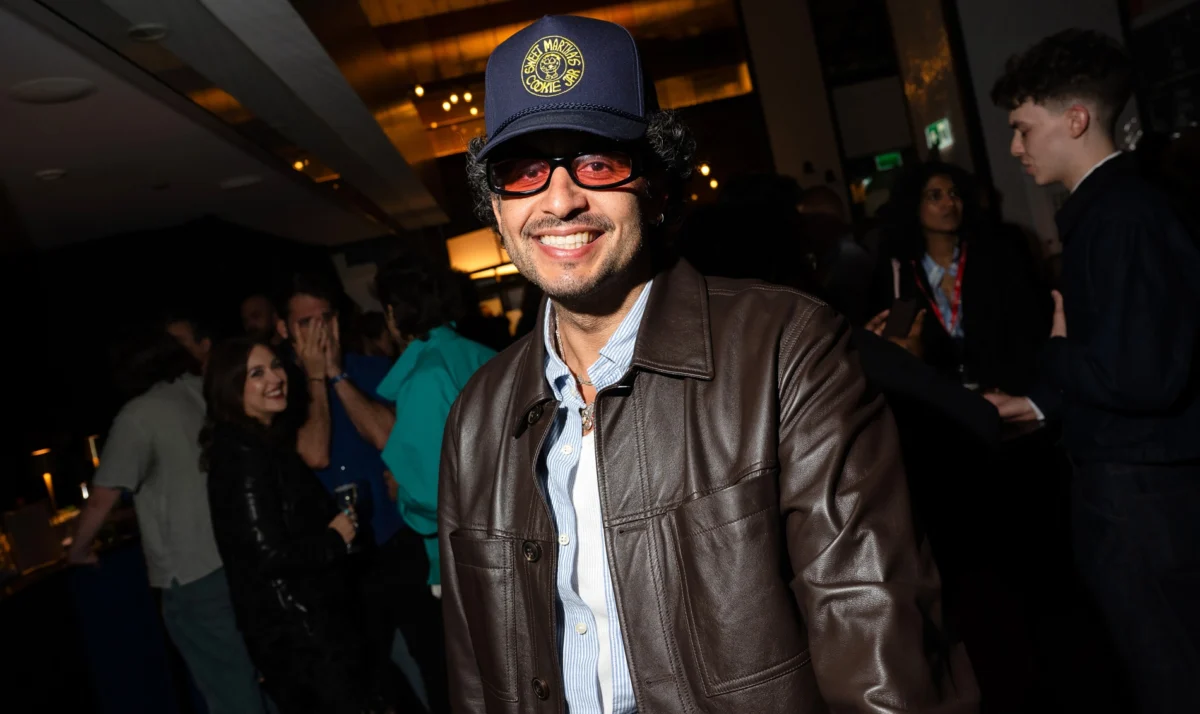
The centerpiece of the announcement was the international expansion of the viral hit Subway Takes. Hosted by the Egyptian-American creative Kareem Rahma, the show has become a staple of New York City transit culture, earning critical acclaim and even securing an Emmy nomination—a rarity for content born on social media.
Rahma, who presided over the YouTube Features event, confirmed that the series is heading north of the border. Subway Takes: Toronto is slated to premiere in 2027, with the production team already scouting for "iconic Canadian guests" to step onto the train. The move is a significant test for the franchise: can a format so deeply rooted in the specific, chaotic charm of the NYC subway translate to the cleaner, more orderly transit culture of Toronto?
Industry analysts suggest that the expansion is not just about geography; it is about prestige. Following the platform’s desire to capture awards season hardware, the migration of Subway Takes to a global stage suggests YouTube is positioning its creator-led content as high-brow entertainment worthy of serious consideration by the Television Academy.
A Diverse Slate of Canadian Voices
The nine-project lineup represents a cross-section of the most popular content categories currently thriving on the YouTube platform. By selecting established creators with massive, dedicated followings, YouTube is mitigating the risks usually associated with "original" programming.
Sports and Lifestyle
The slate features heavy hitters from the Canadian sports world, including Olympic icons Tessa Virtue and Sarah Nurse. Their involvement marks a shift toward premium, high-production-value sports docuseries that lean into the personal narratives of athletes rather than just game-day highlights.
Culinary Arts
Food media remains a cornerstone of the YouTube experience. The platform has tapped renowned gourmands Matty Matheson—a figure synonymous with raw, high-energy digital food culture—and the legendary Susur Lee. By bridging the gap between digital-native cooking stars and established culinary titans, YouTube aims to dominate the lifestyle space in the Canadian market.
Reality and Scripted Content
Perhaps the most intriguing addition is the entry into the scripted dark comedy space. Julie Nolke, a creator who achieved global fame for her satirical sketches about the COVID-19 pandemic, is set to helm Becky and Miranda. The series explores the complexities of Millennial friendships through the lens of a dark comedy involving serial killing. This project highlights YouTube’s willingness to let creators take risks on scripted narratives that deviate from the standard "vlog" or "tutorial" formats.
The reality TV segment is equally robust, featuring content led by digital stars Jeenie Weenie, Alexandra Gater, and the Kalogeras Sisters. These projects promise to bring the high-stakes, personality-driven drama of traditional reality television to a platform where the audience already feels a parasocial connection to the hosts.
The Evolution of the “YouTube Original” Strategy
To understand the significance of this Canadian slate, one must look at the history of YouTube’s attempts at original content. In the early 2010s, the platform experimented with the "Original Channels Initiative," an attempt to create broadcast-style programming. A decade later, YouTube shuttered most of its premium scripted efforts under the "YouTube Originals" banner, which had struggled to find a sustainable identity alongside the platform’s massive user-generated content ecosystem.
The current strategy represents a "Third Way." By allowing creators like Julie Nolke and Kareem Rahma to lead their own productions, YouTube is moving away from being a production studio and toward being an empowerment platform.
Nicole Bell on Creator Sovereignty
Nicole Bell, Head of YouTube Canada, emphasized that the fundamental shift in this model is ownership. In previous iterations of digital original programming, platforms often demanded ownership of the IP, which effectively alienated the creators who made the content valuable in the first place.
"They get to green light themselves and decide what their content will look like," Bell stated during the event. "They get to continue owning their IP, owning all their audience, and going directly to that audience and getting feedback."
This "Creator Sovereignty" model is the platform’s primary defense against the rise of TikTok and other short-form competitors. By ensuring creators maintain their independence while providing them with the resources to produce long-form, high-budget content, YouTube is essentially creating a premium tier of its own ecosystem.
Implications: The Future of Digital Media
The shift toward a creator-led, region-specific programming strategy has profound implications for the industry.
- The Death of the "Gatekeeper" Model: By backing creators directly, YouTube is bypassing traditional TV executives. The "green light" is no longer granted by a boardroom in Los Angeles or Toronto; it is granted by the creator’s proven ability to sustain an audience.
- Sustainability over Virality: While many YouTube videos are designed for short-term viral spikes, this slate is designed for longevity. By investing in series—like Subway Takes—the platform is attempting to build "destination programming" that keeps viewers on the app for longer sessions.
- The Professionalization of the Creator: The fact that these announcements took place at TIFF—the home of cinematic excellence—is symbolic. It marks the final stage of the professionalization of the digital creator. Creators are no longer just "influencers"; they are writers, producers, and showrunners in the eyes of the global film and television community.
Looking Ahead: The 2027 Horizon
The success of this initiative will be measured not just in view counts, but in the ability of these creators to bridge the gap between their niche digital audiences and a broader, mainstream viewership.
As we look toward the 2027 premieres, several questions remain. Will the audience—accustomed to the spontaneous, unpolished nature of YouTube videos—embrace these more structured, long-form series? Can these projects truly compete with the quality of streaming giants like Netflix or Disney+? And most importantly, can YouTube sustain this level of investment without returning to the top-down oversight that plagued its previous attempts at original content?
For now, the Canadian creator community has been handed a significant vote of confidence. If the TIFF showcase is any indication, the platform is betting that the most compelling stories in the future of entertainment will not come from traditional studios, but from the creators who have spent the last two decades building their own stages.
The stage is set, the cameras are rolling, and for the first time in a long time, the creators are in the director’s chair. As the industry turns its eyes toward the upcoming slate, one thing is clear: the definition of "original programming" has been permanently rewritten. The future of television, it seems, will be uploaded to YouTube.

