

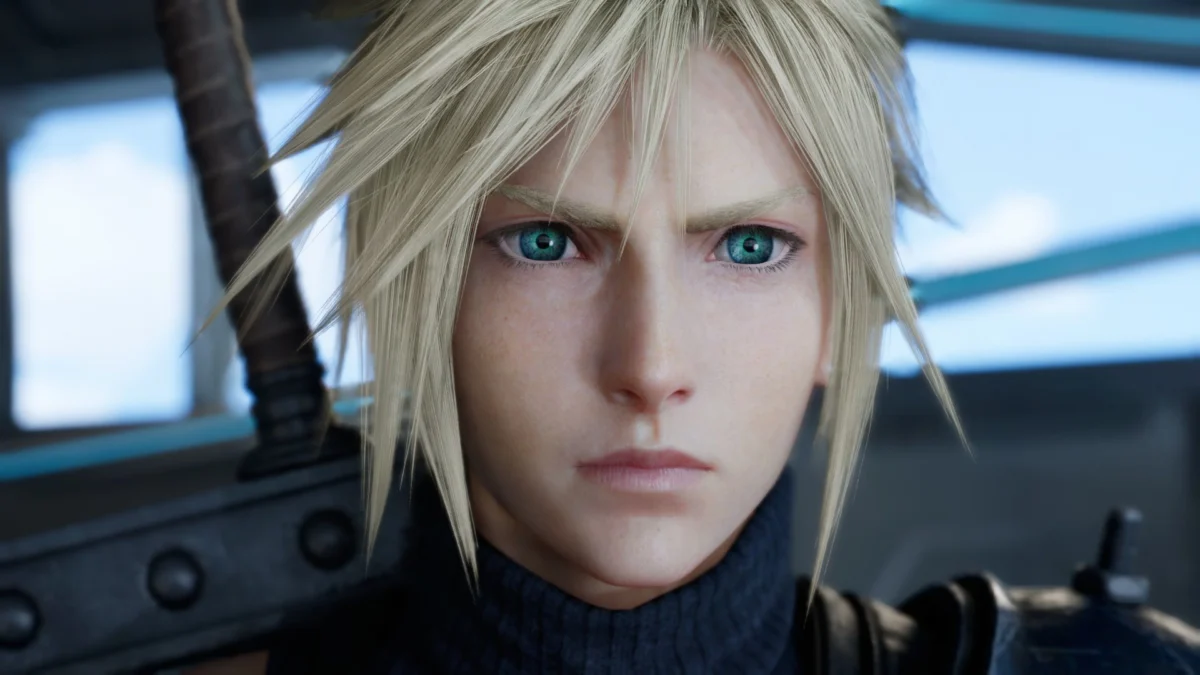
For decades, the silhouette of Cloud Strife—spiky hair, oversized pauldrons, and the colossal Buster Sword—has been the defining image of the Final Fantasy 7 franchise. Yet, as the hype cycle for the highly anticipated third entry, Final Fantasy 7 Revelation, begins to accelerate, eagle-eyed fans have noted a deliberate shift in the marketing material. Cloud is conspicuously absent from key promotional trailers, leaving many to wonder if the iconic mercenary is taking a backseat in the final chapter of the trilogy.
According to series director Naoki Hamaguchi, this shift is not an oversight, but a strategic decision designed to breathe new life into the ensemble cast. While Cloud remains the narrative anchor, Revelation aims to redefine the scale of the RPG by ensuring that every member of the party receives the depth and attention they deserve.
The Evolution of the Ensemble
In an exclusive interview with GamesRadar+, Hamaguchi addressed the elephant in the room. He reaffirmed that "Cloud is still the main character" of the upcoming title, dismissing concerns that the hero’s reduced presence in trailers signals a permanent departure from the spotlight. Instead, the team is leveraging this design philosophy to allow the other members of the iconic Avalanche crew to step into the light.
"We know that fans want to see more of the other characters too," Hamaguchi explained. "We very much wanted to have content that goes into each of those characters."
This shift mirrors the broader narrative goals of the remake trilogy, which seeks to expand upon the skeletal foundations of the 1997 original. By giving players more time with the supporting cast, Square Enix is effectively fleshing out the emotional stakes of the final battle, ensuring that when the curtain eventually closes on the trilogy, the audience feels the weight of every character’s personal journey.
A Chronology of Character-Driven Gameplay
The evolution of Final Fantasy 7 from a turn-based classic to a modern action-RPG hybrid has allowed Square Enix to introduce complex systems that prioritize player agency. In Revelation, this philosophy manifests through enhanced party management and character-specific narrative arcs.
Historically, the original Final Fantasy 7 kept the party together, but players were often limited by fixed roles or specific party compositions required by the story. Revelation tears down these barriers. Players can now freely switch between party members on the fly, allowing for a level of tactical fluidity that was previously impossible. Furthermore, the game encourages players to experiment with different party compositions during side quests, a design choice specifically implemented to force players to engage with the entire cast rather than relying solely on Cloud.
Recent reveals indicate that this depth extends beyond combat. Players will be able to engage in deep-dive narrative arcs for specific characters, such as:
- Red XIII: The stoic beast’s arc is now inextricably linked to "Queen’s Blood," the addictive card game introduced in Rebirth. This provides a lighter, more strategic way to explore the lore of the Cosmo Canyon native.
- Tifa Lockhart: As revealed in an interview with VGC, players will be able to uncover deeper insights into Tifa’s history and personality through an expanded piano mini-game, providing a more intimate look at her character beyond the battlefield.
- Yuffie Kisaragi: With the return to Wutai—a major location that was largely optional in the original game—players can expect a comprehensive exploration of Yuffie’s heritage and her complex relationship with her homeland.
Supporting Data: The Scale of Revelation
The ambition behind Final Fantasy 7 Revelation is not merely narrative; it is technical. The game is poised to be one of the largest single-player RPGs ever developed by Square Enix. Recent reports indicate that the title could weigh in at a staggering 200 GB. This massive file size is indicative of the sheer density of the world, the high-fidelity assets, and the branching narrative paths the team is building.

This size allows for an unprecedented level of environmental storytelling. Rather than having a "main character" focus, the game’s world is built to be a living, breathing entity where every town, every minigame, and every side mission contributes to the character development of the entire ensemble. The data suggests that Square Enix is not just making a game; they are building a definitive, exhaustive archive of the Final Fantasy 7 universe.
Official Responses and Creative Vision
The decision to pivot away from a "Cloud-centric" marketing campaign is a calculated risk. For many, the franchise is synonymous with Cloud’s internal struggle and his growth from a stoic mercenary to a selfless hero. However, Hamaguchi and his team believe that by broadening the scope, they are actually honoring the source material in a way that respects the player’s connection to the entire cast.
By providing more screen time to characters like Aerith, Barret, Cid, and Vincent, the developers are ensuring that the emotional payoff of the final act is earned. The creative vision for Revelation is one of "total immersion." In the eyes of the development team, if the player spends 100+ hours with the game, those hours should be spent understanding the motivations of the team as a whole, not just the man with the sword.
Implications for the Future of the Franchise
What does this mean for the future of the trilogy? The implications are twofold. First, it signals that Final Fantasy 7 Revelation will likely be the most character-dense entry in the series. By balancing the narrative load across the entire cast, Square Enix is mitigating the "main character fatigue" that can sometimes plague long-running sagas.
Second, it confirms that the developers are listening to the community. The shift toward character-specific side quests and mini-games shows that Square Enix understands that the Final Fantasy 7 brand has grown beyond its roots. Fans no longer just want to play a game; they want to live in a world where they can spend hours mastering a card game with Red XIII or learning the history of the Cetra through side-quests.
As we look toward the launch of Final Fantasy 7 Revelation, it is clear that while Cloud Strife may be hiding in the shadows of the marketing materials, he is merely providing the space for the rest of his comrades to step forward. Whether this will satisfy the purists or delight the fans looking for a more expansive experience remains to be seen. However, one thing is certain: Revelation is shaping up to be a massive, sprawling, and deeply personal conclusion to one of gaming’s most legendary stories.
With the game currently in the final stages of development, players should prepare their hard drives and their hearts. If the current trajectory holds, Revelation will not just be a game—it will be a monumental final act that ensures that for every character in the party, the journey ends exactly where it needs to.
Stay tuned for further updates on Final Fantasy 7 Revelation as we continue to track the latest developments from Square Enix. For more on the future of gaming, be sure to sign up for our weekly newsletter to get the latest news on upcoming releases and console updates delivered straight to your inbox.

