

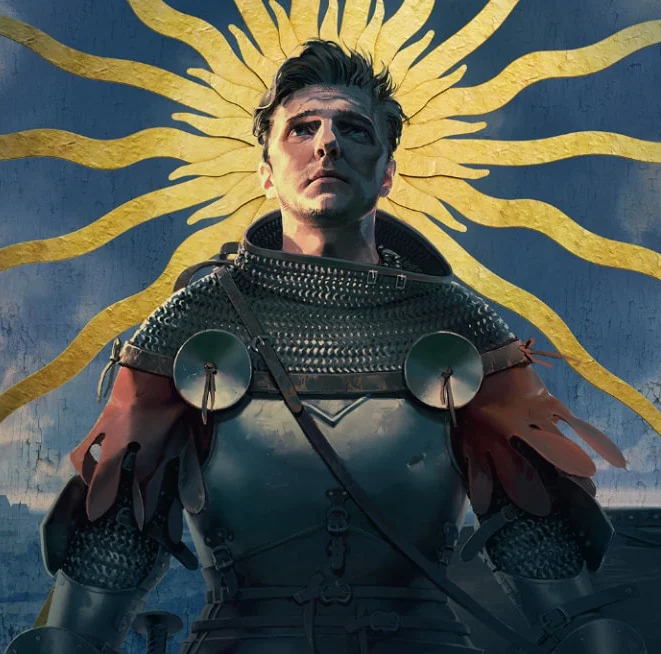
The landscape of Azeroth is shifting once more. After years of speculation, data mining, and community theorizing, Blizzard Entertainment has officially pulled back the curtain on World of Warcraft Forever. Revealed during a pivotal panel at BlizzCon, WoW Forever represents an unprecedented pivot for the franchise: a "bizarro" timeline that anchors itself in the original, foundational year of the MMO while aggressively integrating modern design philosophies and features from later expansions.
For players who grew up with the 2004 release, WoW Forever is not merely a nostalgia trip; it is an attempt to "unsolve" the game, stripping away two decades of community optimization to foster a sense of discovery that has been absent from the classic ecosystem for years.
The Core Concept: A Fresh Start with Modern DNA
At its heart, World of Warcraft Forever is designed to occupy a unique space in the Blizzard library. While WoW Classic provided an authentic recreation of the 1.12 patch experience, Forever aims to treat the original game as a blank canvas.
The development team emphasized that while the game remains set in the early days of Azeroth, the "grind-heavy" nature of the original experience is being significantly overhauled. By implementing revised class structures, dynamic talent trees, and social-first mechanics, Blizzard is moving away from the rigid meta that currently defines high-end Classic raiding. The goal is to make the leveling process and endgame progression feel fresh, providing veteran players with new goals to chase without abandoning the aesthetic and atmosphere that defined the 2004 experience.
Chronology of Development and Release
The journey to WoW Forever has been marked by rapid development cycles and a desire for transparency.
- Initial Rumors (Early 2024): Whispers began circulating within the community regarding a "New Classic" project. Data miners discovered references to hybrid talent systems that did not align with any known historical patch.
- The BlizzCon Reveal (Present): Blizzard officially confirmed the project, detailing how the game will blend the "vanilla" world map with mechanics derived from subsequent expansions like The Burning Crusade, Wrath of the Lich King, and even systems currently found in Dragonflight.
- Beta Phase (September 17): Blizzard has confirmed that a public beta will launch on Thursday, September 17. Access to this testing phase is gated behind an early-purchase incentive, a departure from traditional "opt-in" testing models.
- Full Launch (November 4): The official release of the game is set for November 4, 2024. The game will be included as part of the standard World of Warcraft subscription, ensuring that players do not need to pay a separate fee to access this new timeline.
Supporting Data: Why "Unsolving" the Game Matters
One of the most persistent issues with re-releasing legacy content is the "solved" nature of the game. Modern players, armed with decades of theory-crafting tools, spreadsheets, and guides, often complete raids in record time, turning a journey of exploration into a race for efficiency.
Blizzard’s design philosophy for WoW Forever seeks to disrupt this via three key pillars:
1. Revised Class and Talent Systems
The developers are moving away from the static, often restrictive talent trees of the past. Instead, they are introducing a hybrid system that allows for more viable build paths. By tweaking class utility, they intend to make "off-meta" specs more capable of contributing to group play, thereby widening the pool of characters seen in dungeons and raids.
2. The Legacy Progression System
A new "Legacy" progression system has been teased, though details remain somewhat guarded. It appears to act as an account-wide achievement and power-scaling layer that rewards players for exploring the world, rather than just grinding specific dungeons. This is designed to incentivize horizontal progression, giving players reasons to visit lesser-used zones of the classic world.
3. Open-World Social Mechanics
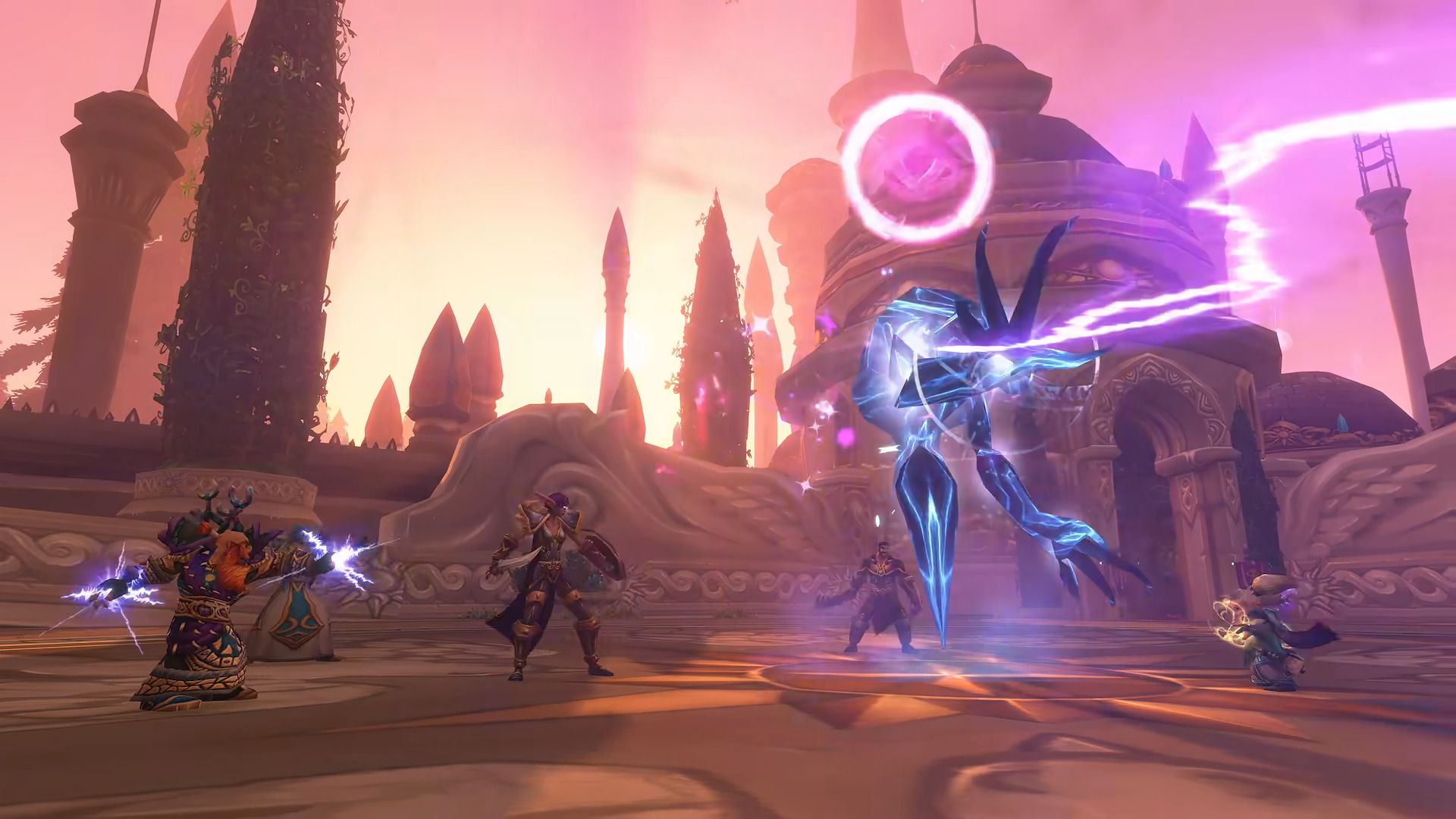
The panel highlighted new, randomized world events that require spontaneous cooperation. Unlike the static spawns of the original game, these events are designed to pull strangers together in the open world, fostering the sense of community that Blizzard feels has been lost to automated "Group Finder" tools in more recent iterations of the franchise.
Official Responses and Developer Insight
During the BlizzCon panel, the WoW Forever team spoke candidly about their mission. "We aren’t trying to replace the original experience," one lead developer noted. "We are trying to capture the feeling of playing in 2004, when nobody knew the optimal way to clear a dungeon or the perfect rotation for a Warrior."
The team acknowledged the risks of tampering with a beloved formula. However, they stressed that the "bizarro" timeline allows them the creative freedom to balance items and abilities that were notoriously broken or underpowered in the original release. By drawing from future iterations—such as the quality-of-life improvements seen in Wrath—they hope to eliminate the "friction" that causes modern players to drop out of the classic experience early.
Implications for the World of Warcraft Ecosystem
The introduction of WoW Forever signals a shift in how Blizzard views its historical content. Rather than keeping Classic locked in a vacuum, the company is demonstrating a willingness to treat its past as an evolving product.
The "Subscription" Advantage
By bundling WoW Forever into the standard subscription, Blizzard is making a strong play to retain players who might otherwise drift away during content lulls in the retail version of the game. It creates a "closed loop" where players can oscillate between the modern, fast-paced retail environment and the more methodical, social-driven experience of Forever.
Impact on the Modding and Add-on Community
The "unsolving" of the game poses an interesting challenge for the heavy-duty theory-crafting community. If Blizzard successfully implements dynamic mechanics that change on a seasonal or event-based schedule, the static spreadsheets and "BiS" (Best in Slot) lists that currently govern the community will become obsolete. This could lead to a more organic playstyle, but it may also frustrate players who rely on these tools to participate in high-level content.
A New Standard for Legacy MMOs
If WoW Forever succeeds, it could set a new industry standard. Many other legacy MMOs have struggled to maintain interest once the initial nostalgia fades. By actively remixing the content rather than just preserving it, Blizzard is positioning itself as the leader in the "Legacy-Plus" genre—a category that may prove more lucrative than simple archival gaming.
Conclusion
As the November 4 launch date approaches, the excitement—and the skepticism—is palpable. Can Blizzard truly recapture the magic of the early days while simultaneously updating the game’s core mechanics? The WoW Forever experiment is a high-stakes gamble on the idea that players want a world that is familiar in its geography but surprising in its execution.
For those who have spent the last 20 years memorizing the spawn times and boss rotations of Azeroth, WoW Forever offers the ultimate challenge: stepping into the unknown once again. Whether this becomes the definitive way to experience the early years of the MMO or remains a curious footnote in the franchise’s history, it is clear that for World of Warcraft, the only way forward is to keep looking back.

