

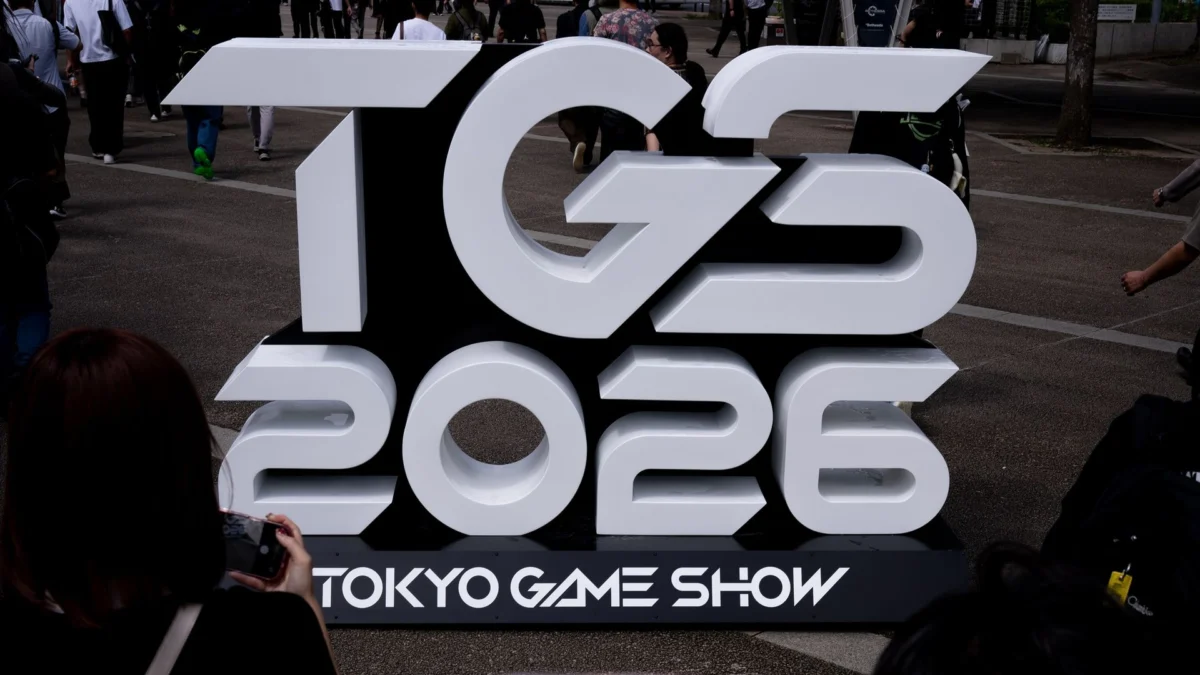
CHIBA, Japan — In an unprecedented disruption to one of the world’s premier interactive entertainment exhibitions, the organizers of the Tokyo Game Show (TGS) 2026 have officially announced the abrupt cancellation of the event’s historic final day. Originally slated to run as an ambitious five-day convention—marking a first in the 30-year legacy of the iconic gaming expo—TGS 2026 will now conclude a full 24 hours ahead of schedule due to the menacing approach of Typhoon Dujuan.
While the exhibition floor remained operational through Sunday, September 20, under modified schedules, all activities, exhibits, and public access for Monday, September 21, have been entirely scrapped. Event coordinators have confirmed that ticket holders for the canceled Monday sessions will receive full refunds.
The emergency truncation leaves exhibitors, international travelers, and developers scrambling to adjust their logistics as severe weather patterns threaten the Kanto region.
Main Facts: What Happened at TGS 2026
The cancellation of the final day of Tokyo Game Show 2026 brings an abrupt halt to what was supposed to be a triumphant diamond anniversary for the convention.
- The Milestone Event: TGS 2026 marked the 30th anniversary of the exhibition’s founding. To celebrate, organizers expanded the traditional four-day format into a five-day extravaganza for the very first time.
- The Culprit: Typhoon Dujuan, designated as the 25th named typhoon of the 2026 Pacific storm season, triggered severe weather warnings across eastern Japan, particularly targeting the greater Tokyo and Chiba prefectures.
- The Decision: Prioritizing the safety of tens of thousands of attendees, international media, developers, and venue staff, executive organizers pulled the plug on Monday, September 21, just as the storm’s outer bands began making landfall.
- Logistical Fallout: While Sunday’s events proceeded with adjusted schedules and early closures, the cancellation of the final day has left developers, hardware vendors, and publishers with rented booth spaces facing sudden operational voids with no immediate word on financial compensation for floor space.
Chronology of Events: From Celebration to Crisis
The trajectory of TGS 2026 shifted rapidly over a tense 72-hour window as meteorological models updated their forecasts regarding Typhoon Dujuan.
Thursday, September 17 to Saturday, September 19: Opening Success
The convention kicked off with immense enthusiasm. Spanning the sprawling halls of Makuhari Messe in Chiba, Japan, the event drew massive crowds of gamers, industry veterans, and international journalists. Major announcements filled the air, highlighted by the annual PC Gaming Show: Tokyo Direct, which showcased deep dives into upcoming titles, developer interviews, and exclusive world premiere trailers. Spirits were high, and the historic five-day format felt like a roaring success.
Sunday, September 20: The Looming Threat
As attendees flooded the showfloor for the fourth day of the exhibition, weather reports grew increasingly dire. Typhoon Dujuan was tracked moving northeast at an alarming speed, projected to hit the Kanto region with unprecedented ferocity. By midday, transport networks began pre-emptively scaling back operations. Realizing that an evening or Monday morning mass exodus would put tens of thousands of attendees at risk of being stranded in transit gridlock, TGS executive committees convened emergency meetings.
Sunday Afternoon, September 20: The Official Cancellation Notice
At approximately mid-afternoon, organizers published an official statement via social media channels, translated from Japanese:
"Due to the approach of Typhoon No. 25, strong winds and rain are expected to intensify in the afternoon and beyond, and disruptions to transportation are also a concern. Therefore, prioritizing the safety of all attendees, exhibitors, and related parties, as well as ensuring safe return home, we have decided to cancel the event for the entire day [of September 21]."
Monday, September 21: A Silent Makuhari Messe
The convention center remained entirely closed to the public. Instead of the bustling energy of final-day consumer panels, merchandise sales, and packed demo booths, the exhibition halls sat quiet as security personnel secured the premises against torrential downpours and gale-force winds.
Supporting Data: The Scale of Typhoon Dujuan
Typhoon Dujuan is not merely a seasonal downpour; it is a meteorological event of significant magnitude, coinciding with Japan’s regional holiday period known as "Silver Week."
According to reports from The Japan Times, Dujuan represents the 25th named storm of the 2026 typhoon season. Meteorological agencies predicted the system would dump nearly 16 inches (approx. 400 millimeters) of rainfall across the Kanto region alone.
The infrastructure impacts were immediate and widespread:
- Airlines: All Nippon Airways (ANA) and Japan Airlines grounded or canceled dozens of domestic and regional flights connecting through Tokyo-area airports, stranding tourists and business travelers.
- Rail Networks: East Japan Railway Company (JR East) instituted rolling suspensions, fully halting service on several high-speed Shinkansen and commuter lines as wind speeds breached safety thresholds.
- Public Safety: Local governments in Chiba and Tokyo issued evacuation advisories for low-lying coastal areas, warning of localized flooding, storm surges, and dangerous windborne debris.
Official Responses and Industry Impact
The gaming industry’s reaction to the sudden shutdown has been a mix of understanding, disappointment, and logistical scramble.
Organizer Statements
The Computer Entertainment Supplier’s Association (CESA), alongside co-organizers Nikkei Business Publications, acted swiftly to manage public expectations. Recognizing the disappointment of attendees who purchased tickets specifically for the final public day—often viewed as the peak day for exclusive consumer swag and final-chance demo playing—organizers instituted a comprehensive, no-questions-asked refund policy for all Monday ticket holders.
Exhibitor Quandaries
While public safety justifications have been universally accepted, major publishers and indie developers face difficult logistical questions. Companies spent months preparing elaborate, custom-built booths, shipping hardware from across the globe, and flying in international personnel.
As of press time, TGS organizers have not released an official framework detailing how they will address compensation, partial refunds for floor rentals, or allowances for unfulfilled business meetings that were scheduled for the final day. Analysts suggest that insurance policies covering force majeure (acts of God) will likely come into play, though the administrative burden on mid-to-small independent developers could be severe.
Broader Implications for International Gaming Conventions
The premature truncation of the Tokyo Game Show 2026 serves as a sobering reminder of the growing vulnerabilities facing large-scale physical conventions in an era of intensifying climate anomalies.
The Experiment of the Five-Day Run
For three decades, TGS has firmly maintained a four-day model—typically opening with two trade-only business days followed by two public access days. The decision to expand to five days in 2026 was seen as a test of post-pandemic recovery and market demand. Ironically, the mystical or karmic sentiment echoed by some industry observers—that TGS is spiritually destined to remain a four-day affair—highlights the friction of altering long-established operational blueprints. Whether organizers will attempt a five-day format again in future years remains an open question.
The Hybrid Pivot
While physical attendance was abruptly cut short, the industry’s increasing reliance on digital broadcasting mitigated some of the financial and promotional losses. Outlets and event partners like the PC Gaming Show: Tokyo Direct had already broadcasted their major showcases prior to the storm’s peak.
Fans and industry insiders unable to experience the showfloor firsthand can still access the complete lineup of announcements, trailers, and developer interviews via archived Video-On-Demand (VOD) services on YouTube and comprehensive roundups published by gaming outlets.
As Typhoon Dujuan passes and cleanup efforts begin across Chiba and Tokyo, the global gaming community extends its solidarity to the staff, volunteers, and attendees of TGS 2026. Though the landmark 30th-anniversary celebration was cut short by nature’s fury, the resilience of the Japanese games industry ensures that TGS will return stronger—and perhaps wiser about the limits of scheduling—when it opens its doors once more.

