

Main Facts
In a high-stakes deal that underscores the shifting alliances within the extended reality (XR) and smart wearables market, French-Italian multinational eyewear titan EssilorLuxottica has acquired the assets, intellectual property, and core engineering team of bankrupt French XR startup Lynx.
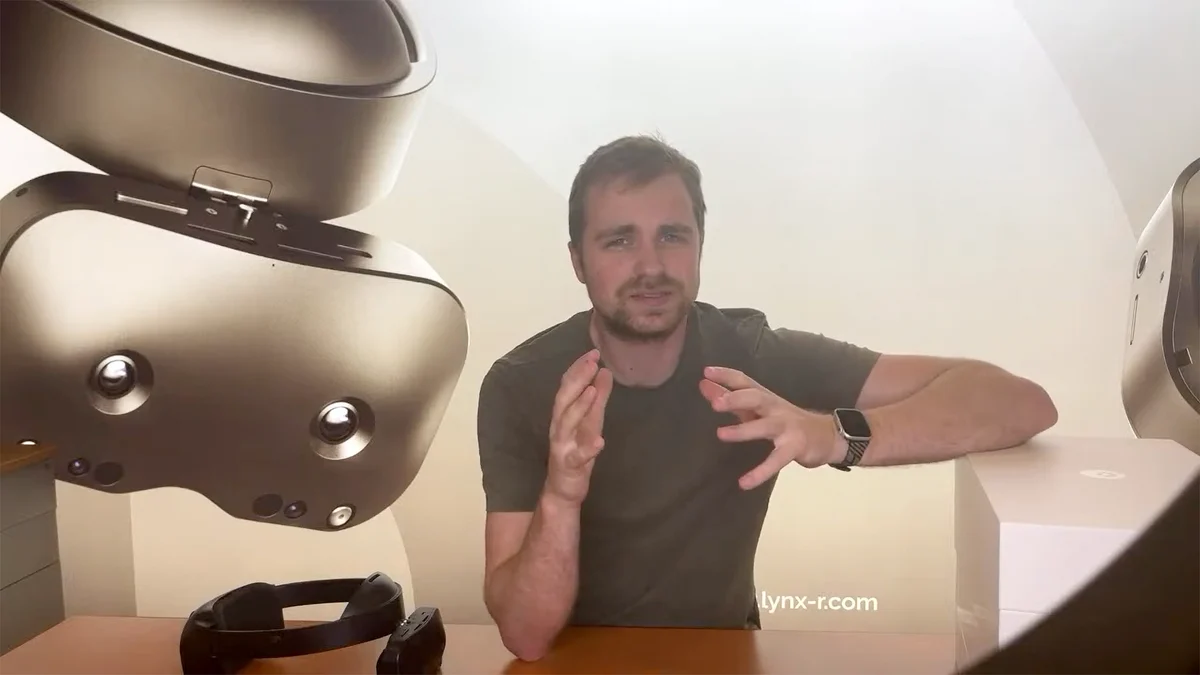
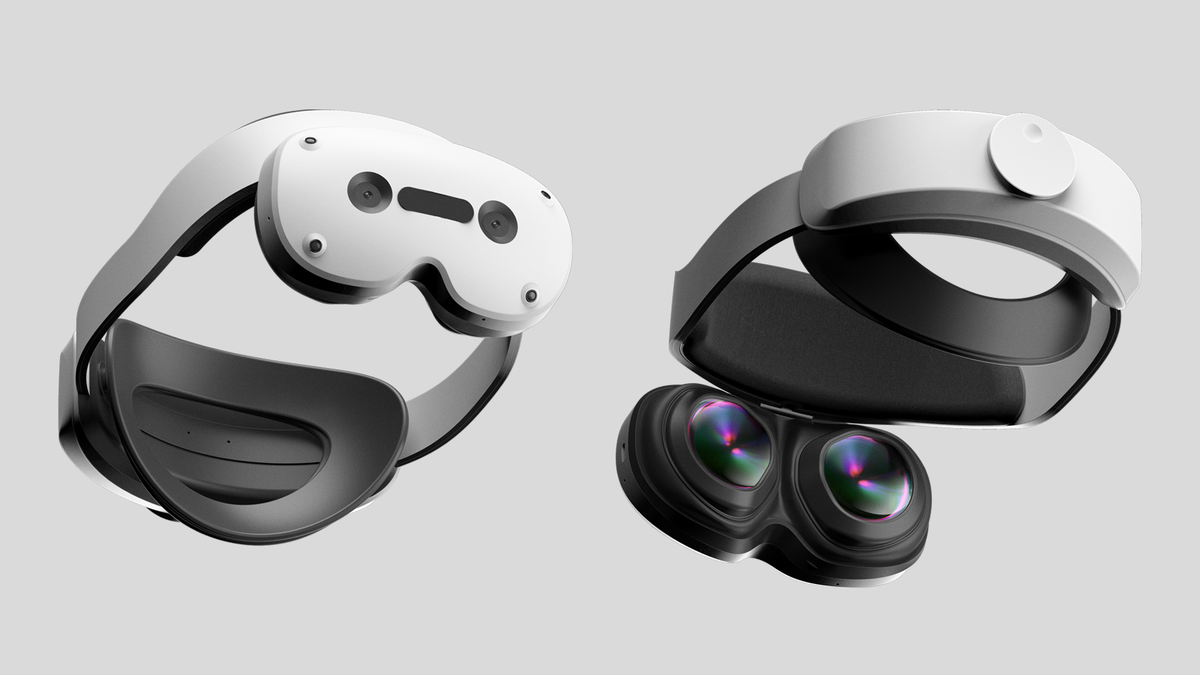
The acquisition, confirmed in July by Lynx founder and CEO Stan Larroque, comes in the wake of the startup’s sudden collapse into compulsory liquidation earlier this year. The deal rescues the foundational technology and talent behind Lynx’s ambitious mixed reality endeavors, though the ultimate fate of its highly anticipated second-generation hardware, the Lynx-R2 standalone headset, remains deeply uncertain.
Despite the successful acquisition of the company’s structural assets, the transition marks the end of an era for Lynx as an independent hardware developer. Founder Stan Larroque will not be making the jump to EssilorLuxottica; instead, he is stepping into a new leadership role at the prominent French drone manufacturer Parrot. Financial terms of the transaction have not been publicly disclosed.
For EssilorLuxottica—the undisputed heavyweight champion of the global eyewear market—this acquisition represents another calculated step deeper into the convergence of fashion, optics, and spatial computing. Already commanding iconic brands such as Ray-Ban, Oakley, Oliver Peoples, and Persol, alongside massive retail footprints including Sunglass Hut and over 18,000 stores worldwide, the corporation is positioning itself at the absolute center of the wearable technology revolution. Notably, tech giant Meta holds a 3% stake in EssilorLuxottica, serving as its primary partner for the wildly popular Ray-Ban Meta smart glasses.
While EssilorLuxottica now possesses Lynx’s hard-earned technological breakthroughs and engineering expertise, industry analysts question whether the corporate giant intends to manufacture standalone VR headsets or if the buyout was primarily a talent-and-patent grab to bolster its smart eyewear ecosystem.
Chronology of Events: The Rise, Fall, and Rescue of Lynx
To understand the gravity of EssilorLuxottica’s acquisition, it is necessary to examine the turbulent timeline that brought Lynx to this juncture.
The Promising Beginnings
Founded by Stan Larroque, Lynx entered the crowded XR landscape with a distinct vision: to build independent, high-performance mixed-reality hardware that could compete with industry goliaths without relying on closed ecosystems. The company initially gained traction through successful crowdfunding campaigns and early developer kits, establishing a reputation for innovation despite operating on a fraction of the budget of Silicon Valley competitors.
The Climax of Ambition: Announcing the Lynx-R2
Early in the year, Lynx generated significant buzz across the tech community by unveiling its next-generation device: the Lynx-R2. Pitched as a major leap forward for standalone spatial computing, the R2 promised cutting-edge specifications designed to rival or exceed market leaders like the Meta Quest 3 and Pico 4 Ultra. The startup cultivated high expectations, announcing that the headset would launch "this summer" and positioning itself as a plucky European underdog ready to disrupt the mainstream XR market.
March: Compulsory Liquidation
The momentum came to a screeching halt in March. Despite the technological promise of the R2, Lynx fell victim to the harsh economic realities facing independent hardware startups. High manufacturing costs, supply chain pressures, and a challenging venture capital climate for XR hardware forced the company into compulsory liquidation. The sudden shutdown meant immediate cancellation for the Lynx-R2, leaving backers, developers, and industry observers mourning the loss of a vibrant independent voice in the spatial computing sector.
July: The EssilorLuxottica Rescue and Leadership Departure
Whispers of a behind-the-scenes rescue materialized in July when Stan Larroque confirmed that EssilorLuxottica had swooped in to acquire the company. The deal salvaged Lynx’s intellectual property, physical assets, and a significant portion of its engineering team. However, the corporate buyout brought structural changes. Larroque chose to depart the company he built, leaving behind the XR hardware space to take on a leadership position at French drone maker Parrot. In communications with financial backers, Larroque noted that integrating the remnants of Lynx into the massive corporate machinery "might take a few months for the operations to be smooth again, pending all legal approvals."

Supporting Data and Technical Specifications: What Was the Lynx-R2?
The value of the Lynx acquisition lies heavily in the advanced research and proprietary technology the startup managed to develop before its financial collapse. Chief among these assets is the engineering blueprint of the unreleased Lynx-R2.
Had it reached commercial production as planned, the Lynx-R2 would have stood as a watershed moment for standalone headset hardware. The device’s technical specifications demonstrate why EssilorLuxottica found the startup’s intellectual property worth preserving:
- Processing Power: The Lynx-R2 was slated to be powered by Qualcomm’s formidable Snapdragon XR2 Gen 2 chipset—the same high-performance silicon driving market leaders like the Meta Quest 3 and the Pico 4 Ultra. This would have ensured broad compatibility with modern standalone XR applications and robust graphical fidelity.
- Optics and Field of View (FoV): The crown jewel of the R2’s hardware stack was its optical system. Developed in strategic partnership with Israeli startup Hypervision, the headset utilized advanced aspheric pancake lenses. This design allowed for an astonishing 126-degree horizontal and 103-degree vertical field of view.
- Industry Significance: At the time of its announcement, this configuration would have given the Lynx-R2 the widest field of view of any standalone headset available to consumers on the global market—by a considerable margin. In a product category where "tunnel vision" has historically been a persistent user-experience bottleneck, Lynx’s optical breakthroughs were genuinely cutting-edge.
- Sensors and Displays: The R2 was engineered to match the baseline display resolutions and sensor arrays of contemporary premium headsets, ensuring seamless hand-tracking, passthrough capabilities, and spatial anchoring.
Beyond the hardware specs, EssilorLuxottica acquired a treasure trove of patents, proprietary software frameworks, and optical engineering expertise. In the world of wearable tech, optical clarity and miniaturization are the ultimate bottlenecks; Lynx had successfully cracked several of these challenges, making them an attractive asset for a traditional eyewear manufacturer pivoting into digital reality.
Official Responses and Stakeholder Reactions
The collapse and subsequent rescue of Lynx elicited strong reactions from across the tech industry, highlighting the precarious nature of hardware startups in an era dominated by trillion-dollar technology conglomerates.
Stan Larroque’s departure and subsequent messages to backers reflected a mix of pragmatic resignation and optimism for the engineers whose jobs were saved. While Larroque himself is moving on to chart a new course in the French drone industry with Parrot, he emphasized that the core brain trust of Lynx will continue their work under the umbrella of EssilorLuxottica.
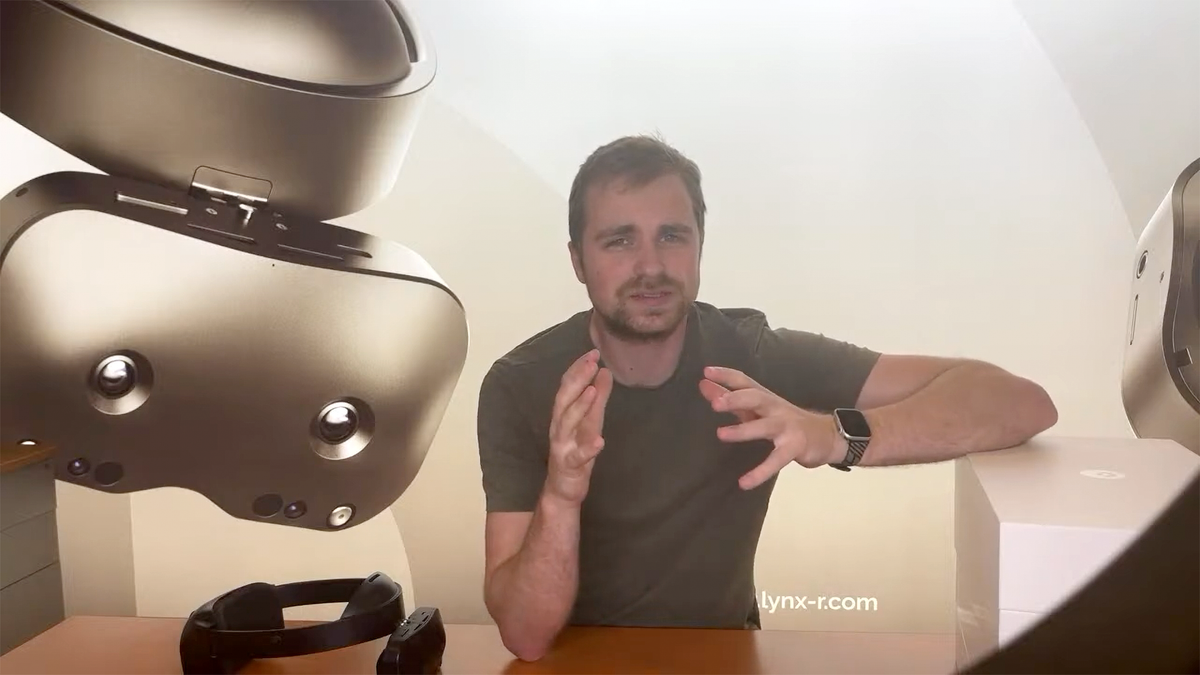
However, the response from the broader XR community has been a mixture of relief and melancholy. Developers and early adopters who championed Lynx’s crowdfunding campaigns expressed disappointment over the definitive cancellation—or indefinite shelving—of the R2 headset. Independent hardware startups have historically struggled to cross the "valley of death" between prototype validation and mass-market manufacturing. Lynx’s trajectory is viewed by many analysts as a cautionary tale of how even brilliant engineering and world-class optical innovations can be swallowed by market realities.
On the corporate side, executives at EssilorLuxottica have maintained a measured public posture regarding the acquisition. The company, which has steadily expanded its technological footprint through its immensely successful partnership with Meta, has not formally committed to producing a standalone VR headset under the Lynx brand. Instead, industry insiders view the acquisition as a strategic acquisition of optical talent to enhance their ongoing smart glasses roadmap—such as the next iterations of Ray-Ban Meta glasses—rather than an immediate entry into immersive virtual reality.
Strategic Implications: What This Means for the Future of XR and Eyewear
The absorption of Lynx by EssilorLuxottica carries profound implications for the future trajectory of the wearable technology market, particularly regarding the blurring lines between traditional fashion optics and advanced spatial computing.
1. The Consolidation of XR Engineering Talent
The demise of Lynx as an independent entity highlights a broader industry trend: the consolidation of specialized XR hardware talent into legacy corporate empires. Building standalone VR and mixed-reality hardware is intensely capital-intensive, requiring massive supply chain leverage, deep pockets for regulatory compliance, and extensive marketing budgets. As independent startups face a cooling venture capital environment, tech giants and manufacturing conglomerates are swooping in to pick up advanced intellectual property at distressed prices.
2. EssilorLuxottica’s Ambitions in Smart Eyewear
While Lynx was known for immersive VR/MR headsets, EssilorLuxottica’s core competency lies in stylish, lightweight, everyday eyewear. With Meta holding a 3% stake in the conglomerate and partnering heavily on AI-powered audio and camera glasses, EssilorLuxottica is effectively building a monopoly on the physical infrastructure of smart faces. The injection of Lynx’s optical engineers and pancake lens patents gives the eyewear giant proprietary know-how that can be scaled down. While a bulky standalone VR headset like the Lynx-R2 may not align with EssilorLuxottica’s fashion-first catalog, the underlying optical tech could dramatically improve the form factor, clarity, and visual fidelity of future smart glasses.

3. The Uncertain Fate of the R2
For consumers hoping to buy a Lynx-R2, the outlook remains bleak. Industry consensus suggests it is highly unlikely that EssilorLuxottica will resurrect the headset for commercial release. The corporate giant operates on massive global distribution scales tailored to fashion retail, whereas standalone XR headsets require dedicated developer ecosystems, app stores, and complex software support. It is far more probable that the R2 will remain a ghost in the machine—a brilliant technological stepping stone whose patents and personnel have been absorbed into the machinery of mainstream smart eyewear.
Conclusion
The story of Lynx serves as both a testament to European technological ingenuity and a stark reminder of the brutal economics governing modern hardware development. Though the startup ultimately fell victim to the financial pressures of the market, its spirit and innovations live on. Through EssilorLuxottica’s acquisition, the optical breakthroughs pioneered by Stan Larroque and his team may yet shape the glasses worn by millions around the globe—even if the headset that birthed them never makes it to store shelves.

