

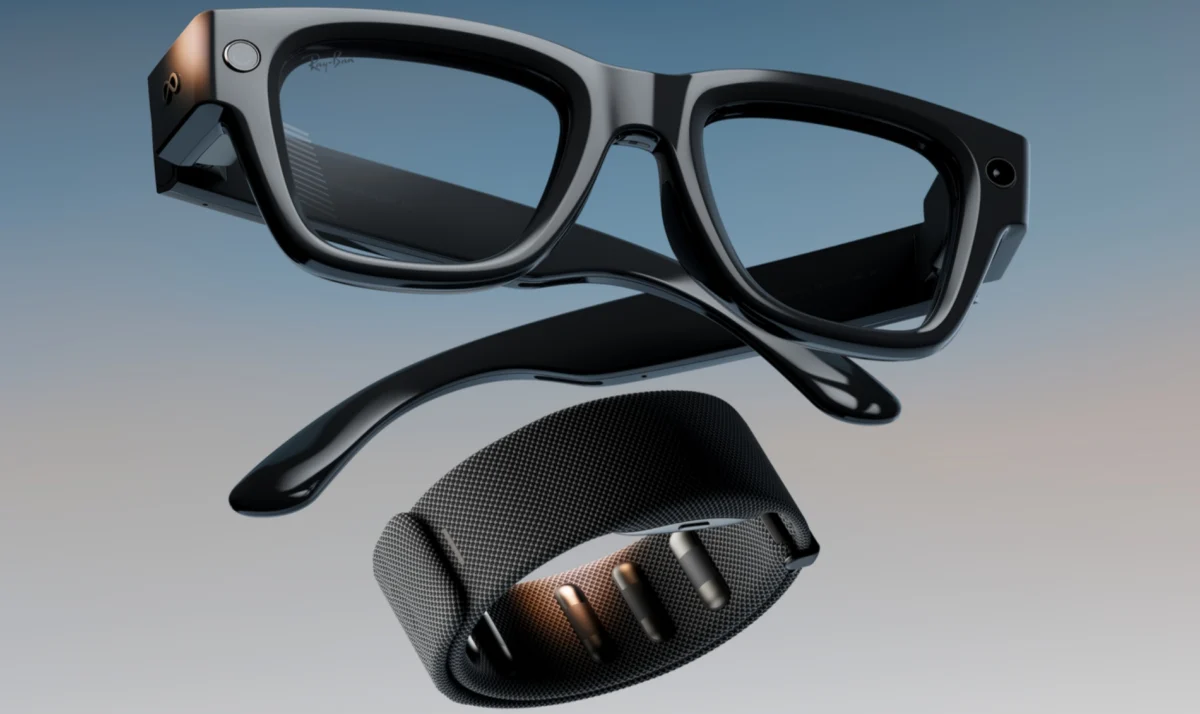
The landscape of personal technology is undergoing its most significant shift since the introduction of the smartphone. Meta, formerly Facebook, has firmly positioned itself at the vanguard of this "wearables renaissance," transforming once-clunky augmented reality concepts into sleek, fashionable eyewear. However, as Meta prepares to launch its most advanced smart glasses yet—capable of streaming high-fidelity entertainment apps while maintaining a discreet, portable form factor—a collision course with global regulators has become inevitable.
While the tech industry celebrates this innovation as a breakthrough in accessibility and convenience, lawmakers and privacy advocates are sounding the alarm. The central question defining this era of innovation is no longer about what these devices can do, but whether the right to private existence in public spaces can survive the age of the "always-on" camera.
The Evolution of the Meta Ecosystem
Meta’s dominance in the wearable space did not happen overnight; it is the result of a deliberate, multi-year strategy to normalize smart eyewear. By leveraging the aesthetic prestige of heritage brands like Ray-Ban and pushing into performance-oriented designs such as the Oakley-inspired HSTN models, Meta has successfully shed the "uncool" stigma that haunted early pioneers like Google Glass.
The company’s "Orion" project represents the zenith of this effort. By integrating high-performance computing into a frameset that weighs nearly the same as traditional prescription glasses, Meta is attempting to make the transition from a handheld screen to a heads-up display seamless. The upcoming release of devices capable of hosting major entertainment apps—effectively turning one’s field of vision into a private cinema—marks a critical pivot. Meta is moving beyond simple photo-sharing tools into a comprehensive lifestyle platform.
However, with every increment of functionality added, the hardware becomes more intrusive. The ability to consume content is tethered to the ability to record, and this is where the friction with civil society begins.
A Chronology of the Privacy Conflict
The tension between wearable tech and public privacy has been simmering for over a decade, but 2026 has served as the inflection point for legislative action.
- 2013–2015: The "Glasshole" era. Early adopters of Google Glass faced social ostracization, leading to bans in bars, movie theaters, and casinos. The market ultimately rejected the product due to privacy concerns and social discomfort.
- 2021–2023: Meta enters the fray. Through its partnership with EssilorLuxottica (Ray-Ban), Meta launches a more socially acceptable, fashion-forward smart glass. Privacy concerns are initially mitigated by the small, physical footprint of the cameras.
- 2025: The "Oakley" expansion. Meta broadens its demographic reach, introducing performance-focused smart glasses that appeal to athletes and outdoor enthusiasts. As the user base grows, so do reports of clandestine recordings in gym locker rooms and private events.
- Early 2026: Meta announces its next-generation glasses, featuring advanced application integration.
- October 2026: The global regulatory dam breaks. Governments in Europe and North America begin formalizing restrictions, with Norway leading the charge for a total ban in public spaces.
The Regulatory Crackdown: From Local Bans to National Policy
The current regulatory response is no longer a collection of localized social norms; it is becoming hard law. According to reports from Reuters, the legal framework surrounding wearable cameras is hardening rapidly.
In New York, judicial authorities have moved to ban smart glasses from court facilities, citing the potential for witness intimidation and the compromise of sensitive legal proceedings. Similarly, British cinema chains have implemented strict policies prohibiting the devices, fearing that the high-quality optical sensors could facilitate rampant film piracy.
The most aggressive stance, however, has come from the Norwegian government. In October 2026, Norway’s Minister of Digital Affairs, Torgeir Micaelsen, articulated a vision of the future that does not include pervasive, wearable surveillance. "We do not want a society where people worry about being recorded without their knowledge, photographed or filmed in places and situations where they are accustomed to not being monitored," Micaelsen stated.
The Norwegian proposal is particularly sweeping, aiming to restrict the use of smart glasses in a variety of "common public spaces." This legislative move challenges the very premise of the wearable: if a device cannot be worn in a cafe, on public transit, or in a park, its utility is severely hampered.
Meta’s Defense: The "LED" Security Standard
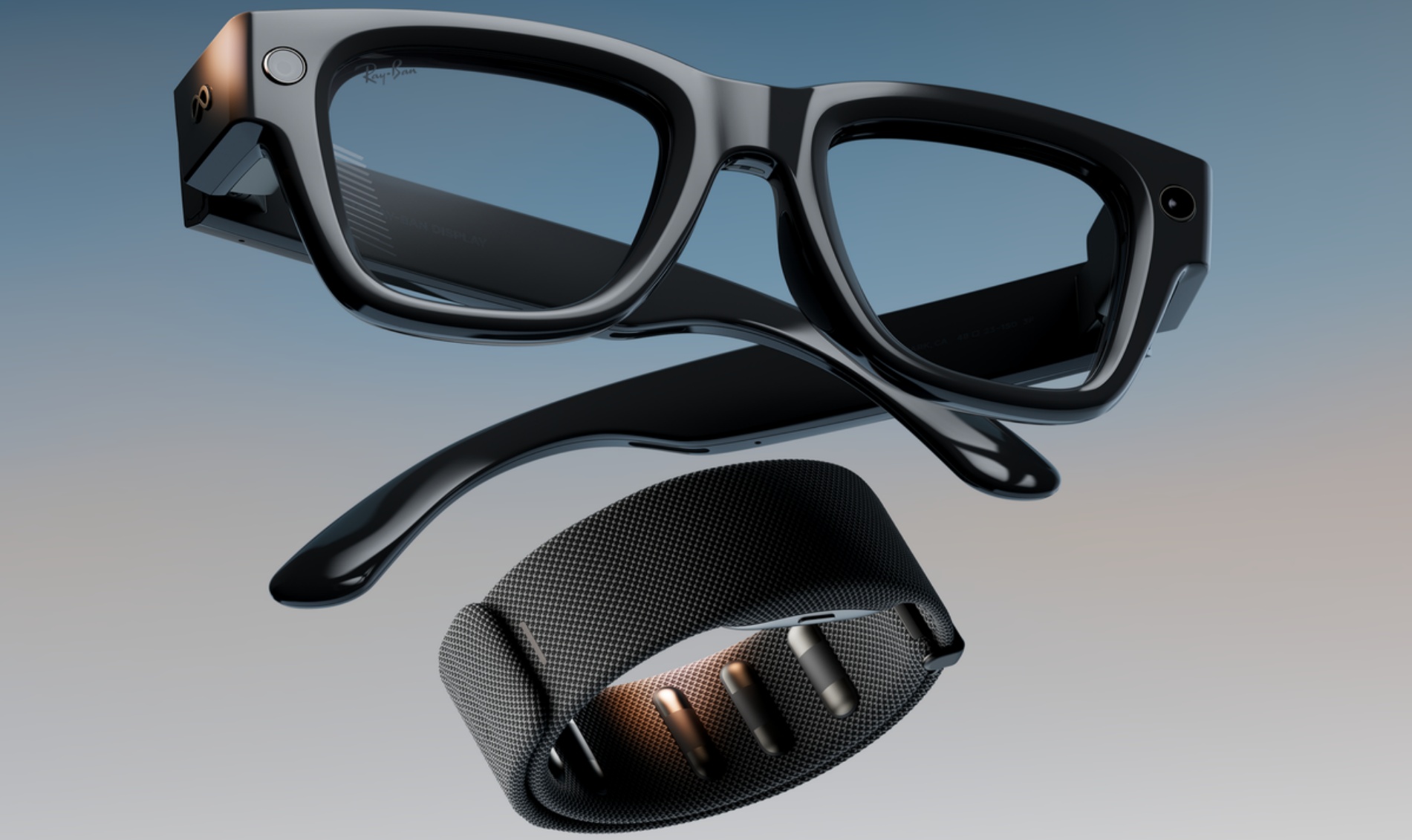
In the face of mounting criticism, Meta has consistently pointed to its hardware-level safeguards as the industry gold standard. The core of their argument rests on the "privacy LED"—a small, light-emitting diode that glows whenever the camera is active.
Meta’s design team has engineered the hardware so that the camera firmware is physically tethered to the LED circuit. If a user attempts to tamper with the light or obscure it, the system is designed to disable the recording function entirely. To the company, this is a clear, transparent signal that effectively communicates to bystanders when they are being recorded.
Yet, critics argue this is insufficient. In crowded urban environments, a tiny LED light is easily missed. Furthermore, the light provides no assurance regarding how that data is processed, stored, or shared once it enters Meta’s cloud infrastructure. The "privacy by design" argument fails to address the "privacy by expectation" issue—the psychological toll on the public of constantly scanning for indicator lights.
Implications for the Future of Big Tech
The crisis facing Meta is not merely about a specific hardware product; it is a fundamental challenge to the business model of Big Tech. For years, the Silicon Valley playbook has been "move fast and break things." In the case of smart glasses, the "things" being broken are the unspoken social contracts that govern public life.
1. The Erosion of Anonymity
If smart glasses achieve mass adoption, the concept of "being in public" effectively vanishes. With facial recognition algorithms likely to be integrated into these devices in the coming years, a person’s identity could be pulled from a database the moment they enter a room.
2. The Liability of the Manufacturer
As governments move to regulate these devices, the burden of proof may shift to the manufacturer. We may soon see legislation that requires Meta to "geo-fence" its recording capabilities—automatically disabling cameras in schools, government buildings, or private residential areas.
3. The Cultural Divide
There is a growing chasm between the "tech-optimist" demographic, which views these glasses as essential tools for productivity and connectivity, and the "privacy-conscious" public, which views them as a dystopian intrusion. This cultural divide will likely dictate the market success of these products more than the hardware specifications themselves.
Conclusion: Can Trust Be Re-Engineered?
As we look toward the 2027 launch of Meta’s next-generation wearables, the company stands at a crossroads. The technical capability to deliver immersive digital experiences is no longer the bottleneck; the hurdle is social and political legitimacy.
"Zuck and co." have long believed that if they build a compelling enough tool, the world will adjust its norms to accommodate it. However, the aggressive pushback from nations like Norway suggests that the public is not merely waiting to be convinced. They are demanding a seat at the table where the rules of the new digital landscape are written.
Whether Meta can quell these widespread security concerns through further hardware iterations, or whether they will be forced to retreat to a more restricted, privacy-compliant version of their vision, remains to be seen. One thing is clear: the era of the "unregulated wearable" is coming to a swift and definitive end. The future of smart glasses will be defined not by the resolution of their cameras, but by the strength of their compliance with the fundamental human right to remain unobserved.

