

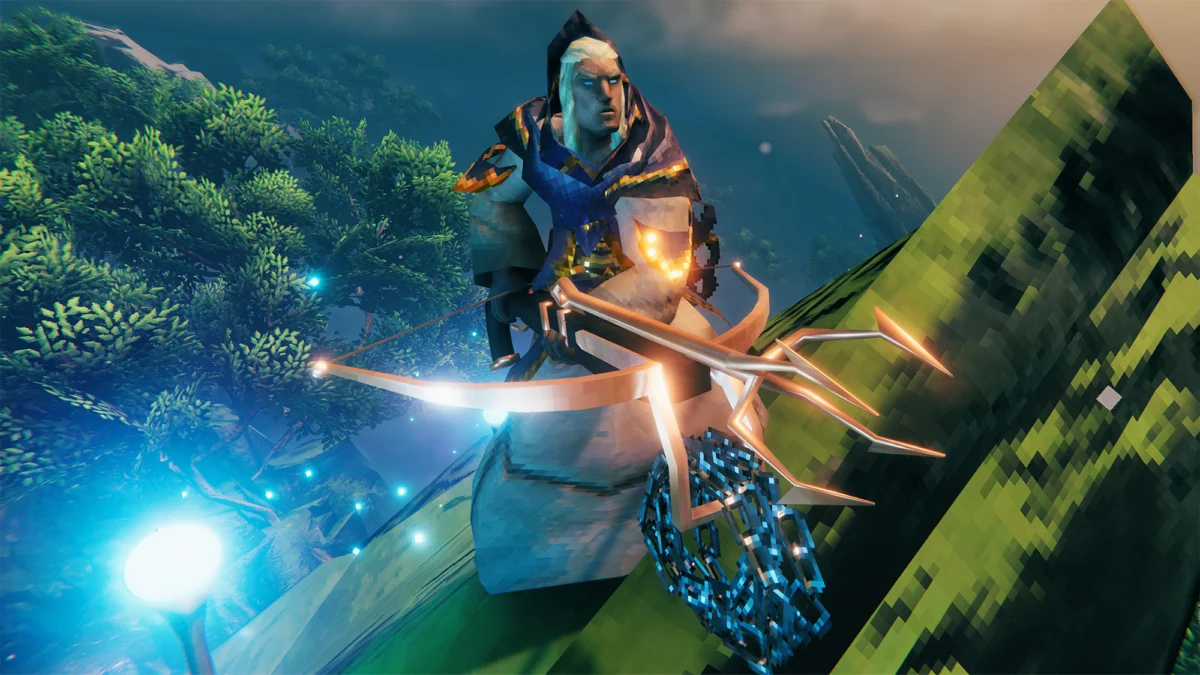
After years of traversing the misty, monster-ridden purgatory of Valheim, Iron Gate Studios has finally pushed the "1.0" button. For a game that defined the survival-crafting boom of the early 2020s, this milestone represents more than just a version number change; it is the culmination of years of iterative design, community feedback, and a complete reimagining of the core loop. Whether you are a weary veteran with hundreds of hours logged or a curious newcomer preparing to step into the Meadows for the first time, Valheim 1.0 is the definitive, polished, and content-complete Viking saga we have been waiting for.
The State of the Tenth World: Main Facts and New Beginnings
The headline feature of the 1.0 release is the long-awaited arrival of the Deep North. This frozen, desolate biome serves as the final, brutal chapter of the Valheim progression path. However, to focus solely on the endgame would be to ignore the radical quality-of-life improvements that Iron Gate has implemented across the entire game.
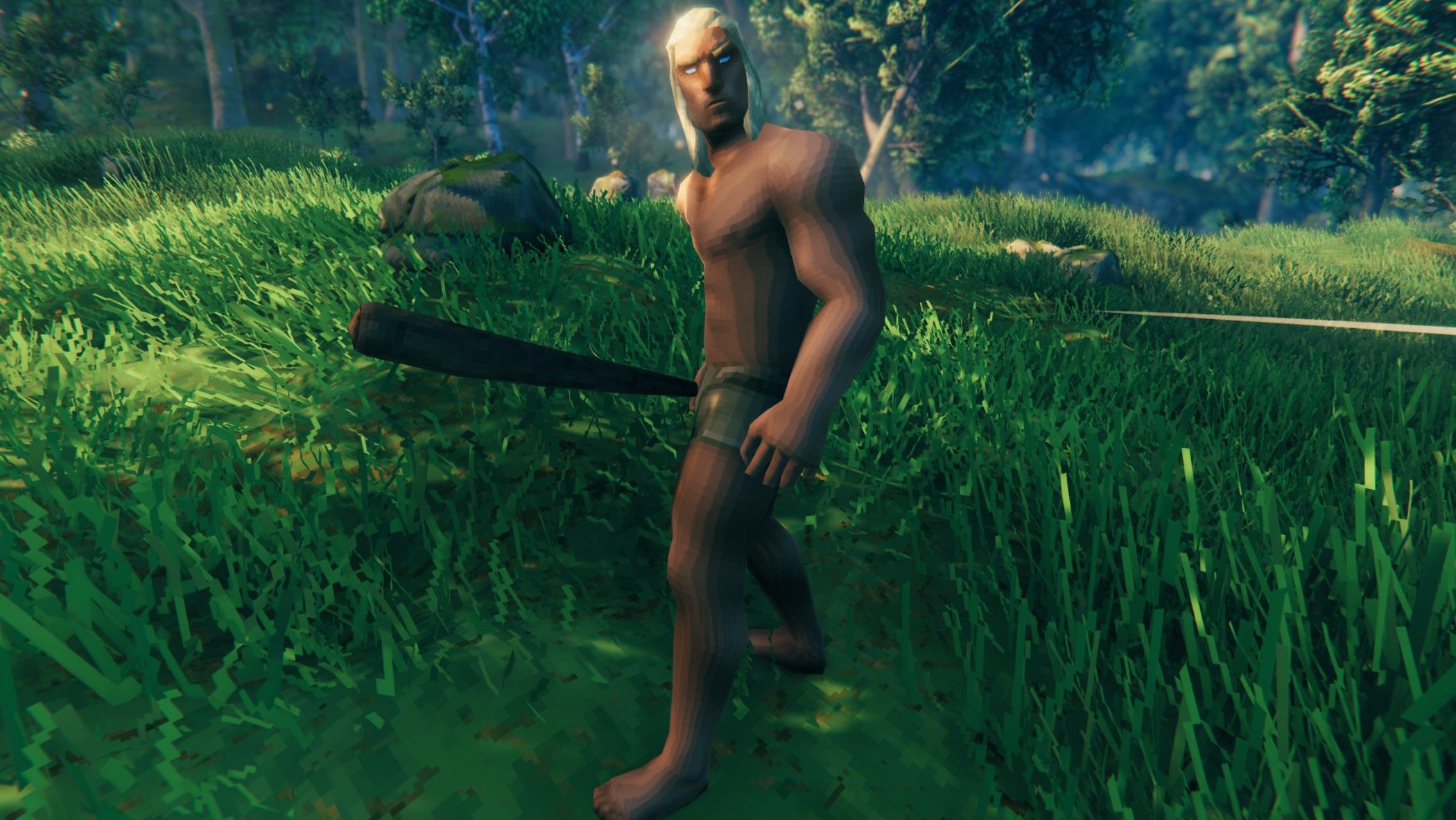
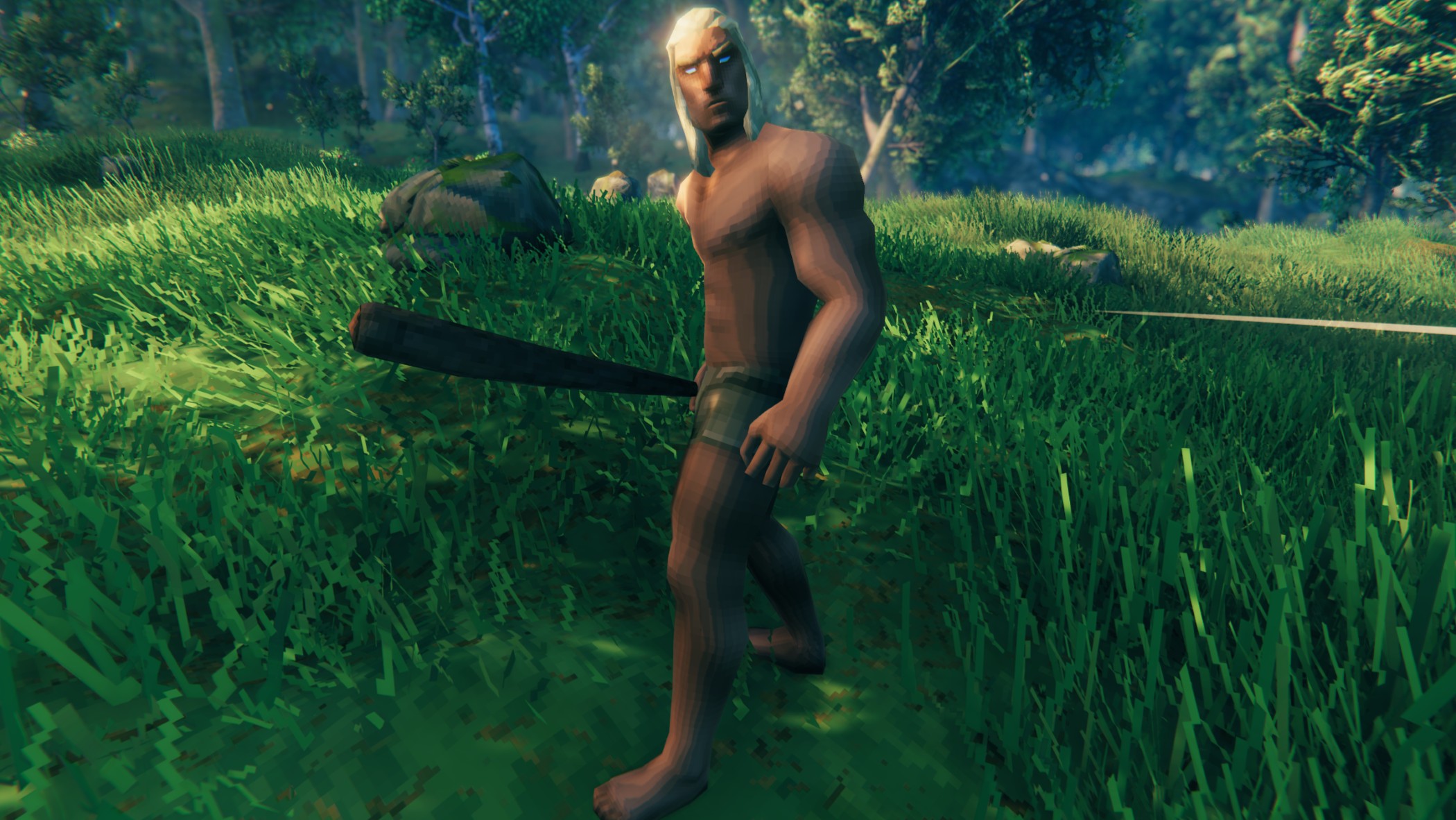
For returning players, the temptation to load up a world from 2021 is high, but it is strongly advised to start fresh. The 1.0 update introduces a more coherent narrative flow, improved UI functionality, and rebalanced boss encounters that make the journey from "naked in the grass" to "slayer of gods" feel intentional rather than chaotic. The game is no longer a collection of disparate mechanics held together by community-made wikis; it is a unified, guided, yet deeply personal adventure.
A Chronology of Purgatory: From Early Access to 1.0
Valheim’s development journey has been a masterclass in transparency and slow-burn improvement. When it first launched into Early Access, the game was a diamond in the rough—visually striking, mechanically deep, but undeniably sparse in its later stages.
- The Early Days (2021): The initial launch captured the global zeitgeist, offering a unique "low-poly, high-fidelity" aesthetic that allowed players to build sprawling fortresses.
- The Content Era (2022-2023): Updates like Hearth & Home refined building mechanics, while Mistlands and Ashlands introduced significant difficulty spikes and biome-specific challenges that tested even the most prepared players.
- The Call to Arms (2024): A pivotal moment in the game’s history, this update overhauled the "Forsaken Powers"—the buffs granted by defeating bosses. It turned once-niche abilities into essential tactical tools, shifting the meta away from singular "best" gear builds toward a more diverse array of playstyles.
- The 1.0 Milestone (2025): The final piece of the puzzle. With the integration of the Deep North, refined UI, expanded inventory management, and improved accessibility, Valheim has graduated from an experimental survival title to a genre-defining staple.
Supporting Data: Why the 1.0 Changes Matter
The brilliance of Valheim 1.0 lies in its attention to the minutiae of the user experience. For years, the community struggled with inventory management and the daunting task of navigating the build menu. Iron Gate has addressed these pain points with a surgical approach:
- The UI Overhaul: Players can now search for, favorite, and categorize building pieces. For those of us who spend more time decorating than fighting, this is a revolutionary change. It removes the friction of endless scrolling, allowing for creative expression to take center stage.
- Inventory Evolution: The introduction of upgradeable storage and pocket space alleviates the "inventory tetris" that plagued early-game exploration. This allows for longer expeditions into dangerous biomes without the constant need to return to base to drop off materials.
- The Grappling Hook: While meant to help players navigate the treacherous, jagged cliffs of the Mistlands, the community has already turned this into a tool for rapid vertical base-building. It is a prime example of how Iron Gate provides the toys, and the players decide how to break (or improve) the game.
Official Stance and Philosophy
Iron Gate Studios has remained remarkably consistent in their design philosophy. Their goal was never to create a "survival simulator" in the punishing, hyper-realistic sense, but rather a "Viking sandbox." In their official developer logs, the team emphasized that the 1.0 update was designed to "respect the player’s time."
By smoothing out the progression path, they have mitigated the need for players to spend hours scouring wikis just to figure out how to craft a bronze axe. The addition of new cutscenes and subtle environmental storytelling provides enough breadcrumbs to guide players toward their next goal without sacrificing the sense of discovery that makes Valheim so addictive.
Implications for the Genre
What does the success of Valheim 1.0 mean for the survival-crafting genre at large? It proves that "Early Access" is not just a mechanism for funding, but a platform for collaborative development. Valheim stands alongside titles like Terraria and Minecraft as a game that grew alongside its audience.
The implications are clear: the era of the "unpolished survival game" is coming to a close. Players now expect a level of mechanical depth and polish that Iron Gate has provided. By refining the core loop, adding a definitive end-state, and prioritizing user experience, Valheim has set a high bar for future competitors.
Conclusion: Why You Should Return to the Tenth World
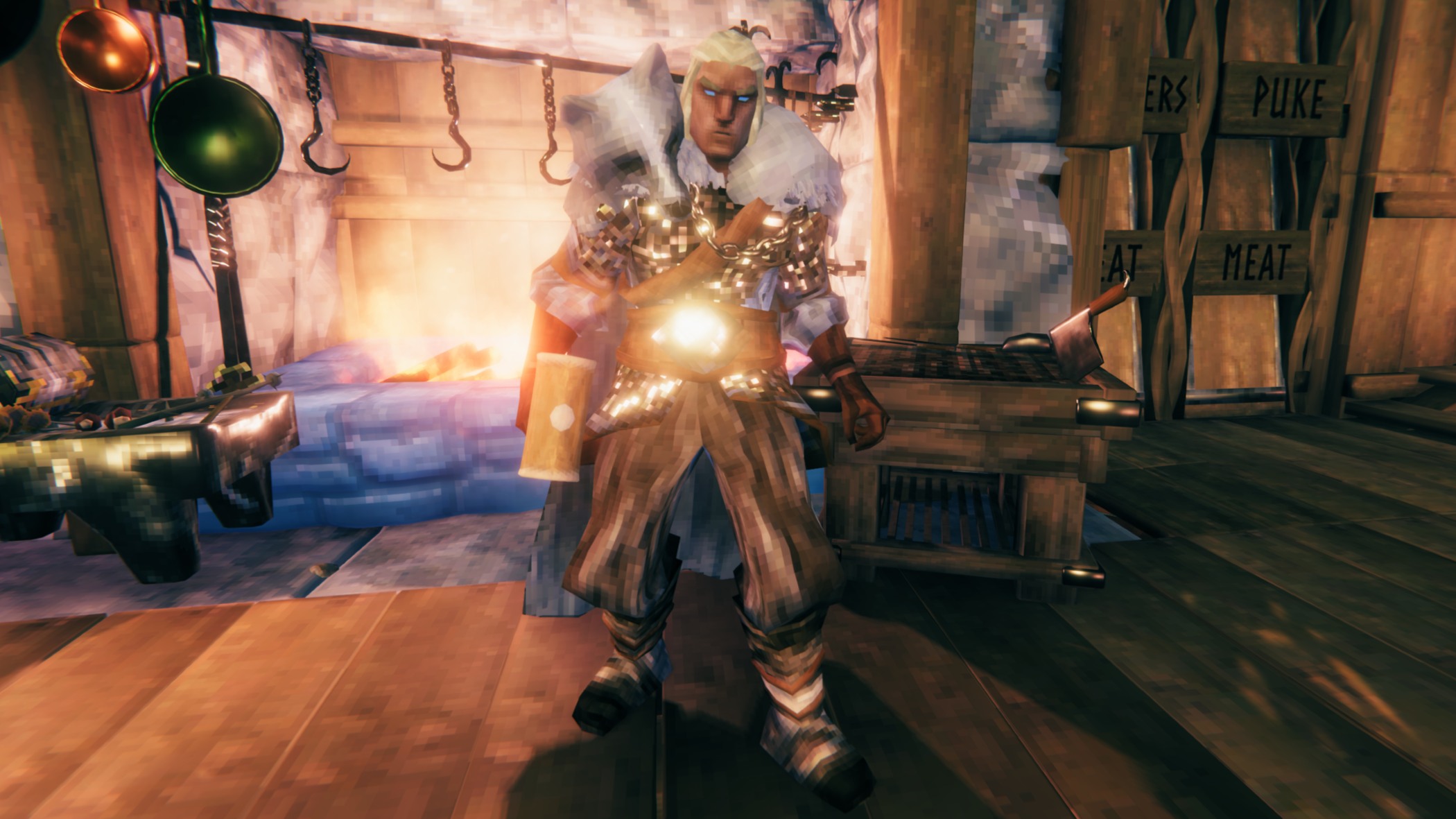
If you haven’t played Valheim in a year or two, you haven’t really played Valheim. The game currently feels like a complete, cohesive, and remarkably satisfying package. The combat is tighter, the building is more fluid, and the endgame in the Deep North provides a true test of the skills you’ve honed over dozens of hours.
There is a unique joy in starting over—waking up in the Meadows, picking up a stick, and looking out at the horizon knowing that this time, you have the knowledge to conquer it. Whether you are building an elaborate sea fortress, fighting off a Fuling raid with nothing but a bow and a bit of ingenuity, or just enjoying the hauntingly beautiful soundtrack as you sail across the ocean, Valheim 1.0 offers a sense of accomplishment that few other games can match.
The gods of Valhalla are waiting. It’s time to grab your shield, call your friends, and see what the afterlife has in store for you. Valheim is available now on Steam, and it is, without a doubt, the best time to be a Viking.

