

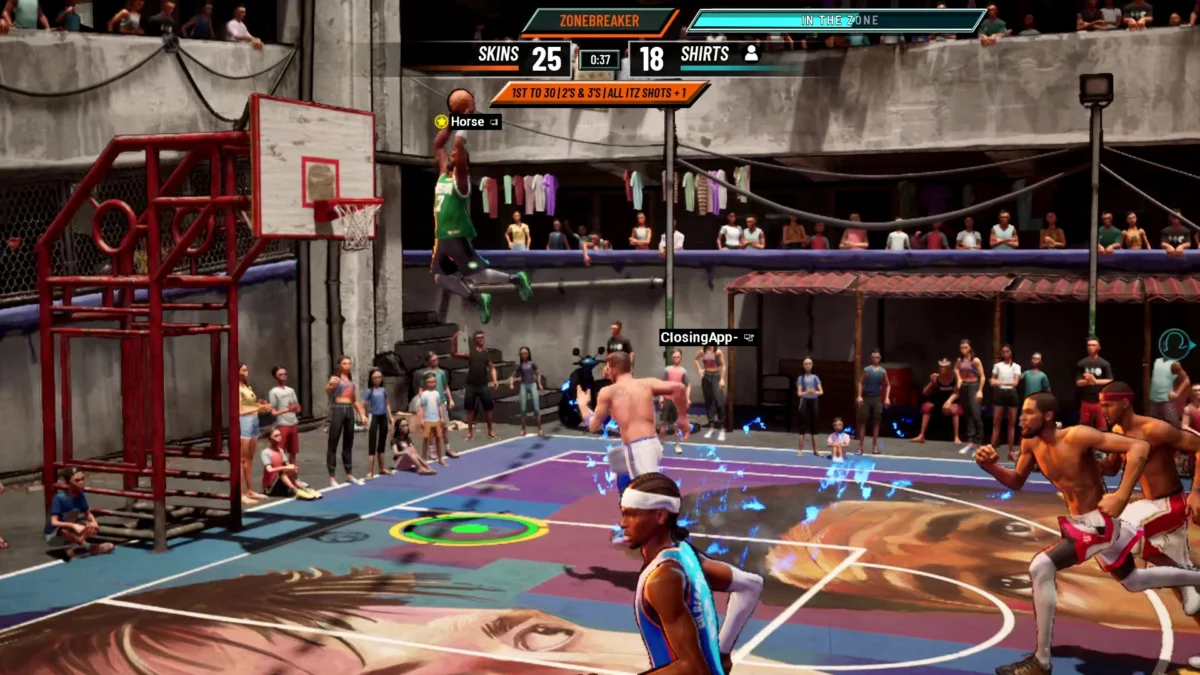
The golden age of arcade basketball—defined by the gravity-defying dunks of NBA Jam and the rhythmic, street-culture infusion of NBA Street—has long been a dormant genre. For years, basketball gaming has been dominated by the simulation-heavy NBA 2K series, which favors realistic physics, deep tactical management, and microtransaction-laden career modes. However, with the release of NBA The Run on Steam, developer Play by Play Studios is attempting to pivot back to the high-octane, "Boom-shaka-laka" roots of the late 90s and early 2000s.
Yet, as the game hits the digital shelves, it presents a complex paradox: it captures the frenetic, aesthetic joy of classic street ball while simultaneously trapping itself in the rigid, competitive structures of modern esports.
The Core Concept: Retro Flair Meets Modern Connectivity
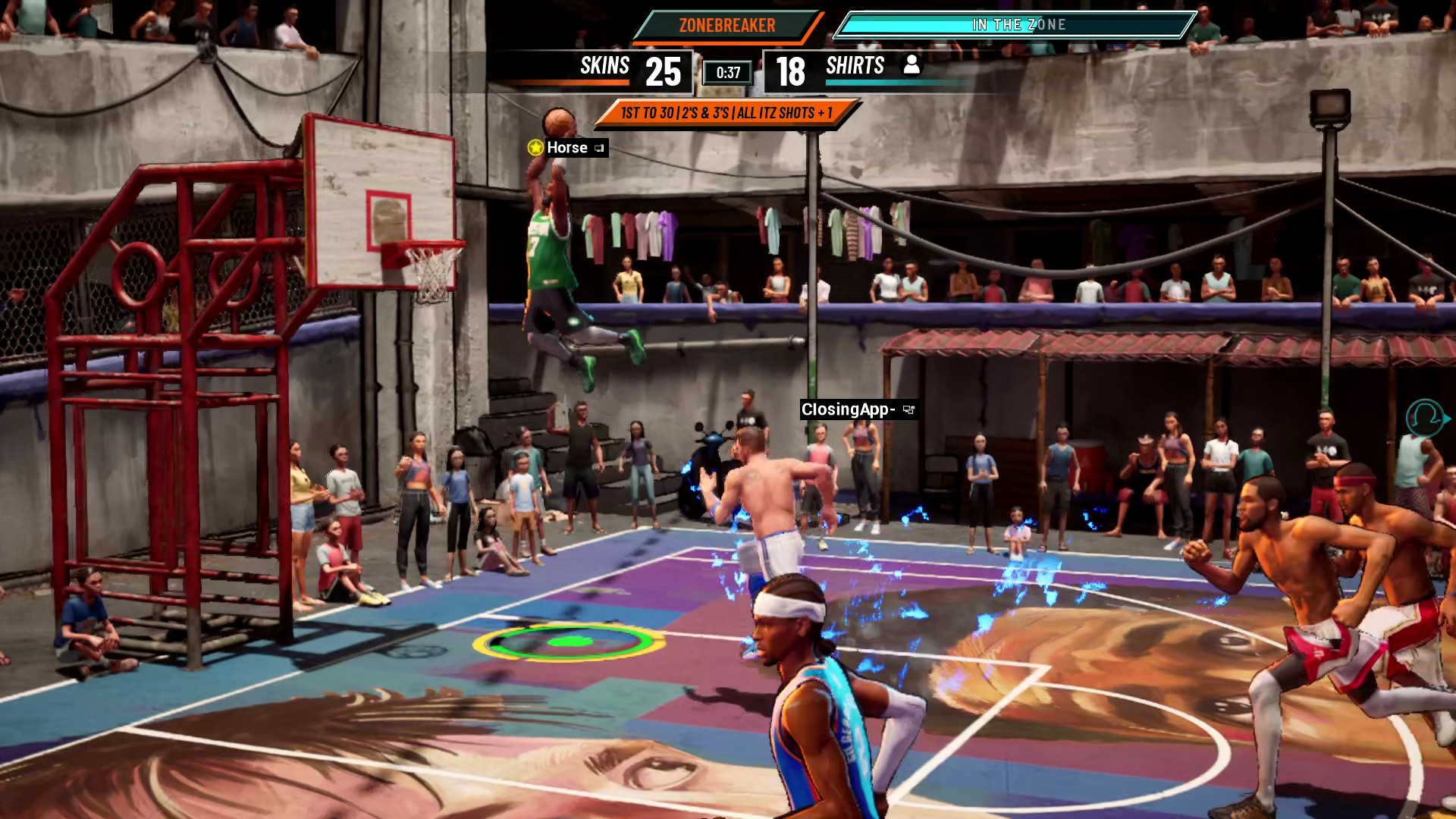
At its heart, NBA The Run is a 3-on-3 arcade basketball experience. It eschews the complex playbooks and stamina management of simulation titles in favor of accessible, satisfying gameplay loops: moon-jump dunks, aggressive shoves, and high-speed dribbling maneuvers. The visual presentation is vibrant and stylized, echoing the "Midnight Club" energy of street basketball where the court is a canvas for showmanship rather than a stage for tactical attrition.
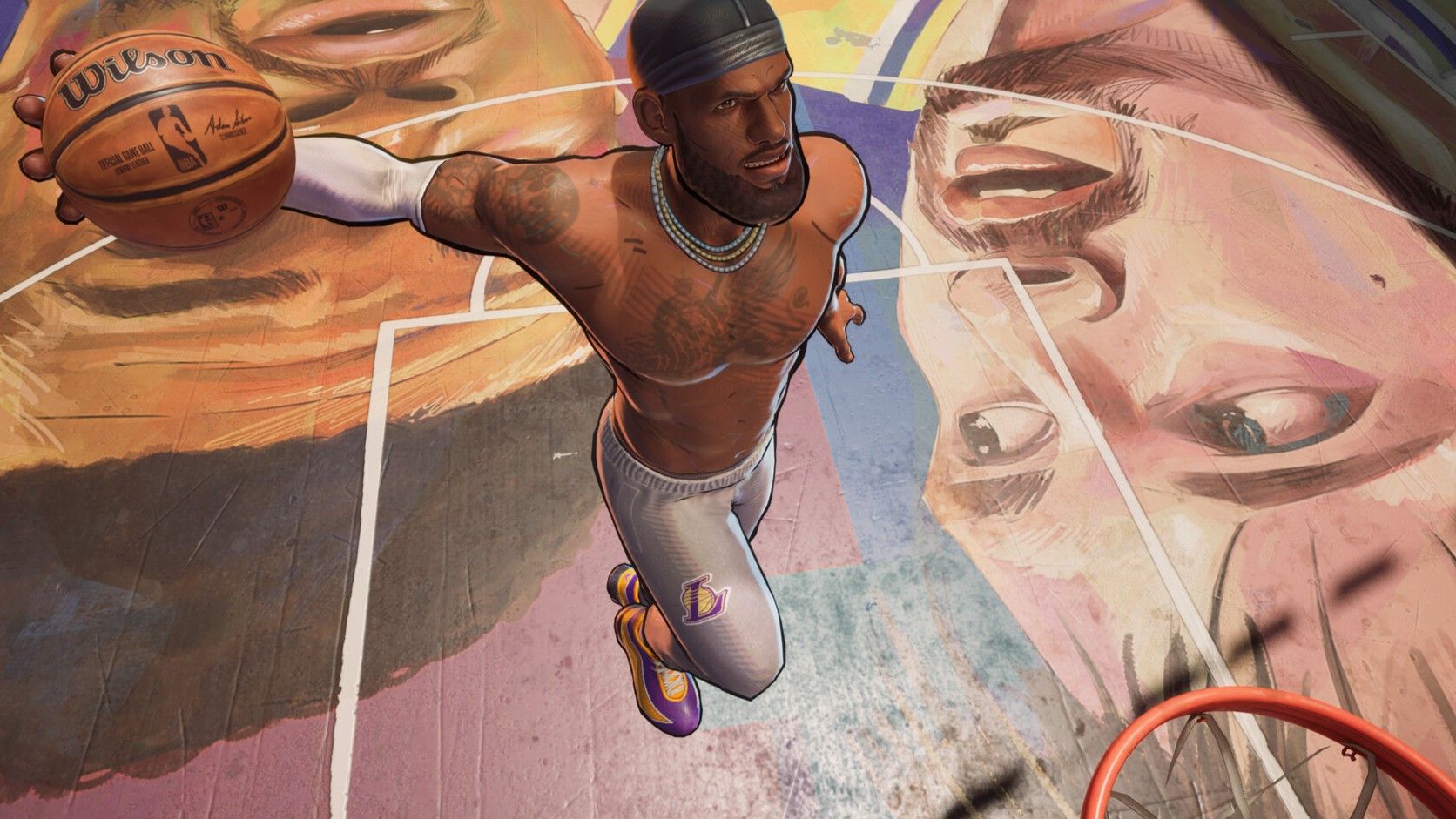
The game features an eclectic roster, blending current NBA stars—each with distinct stats and signature animations—with unlockable "Street Legends." These legends offer the kind of absurdity fans of the genre crave, such as the 7’7" behemoth known as "El Gigante." The entire experience is narrated by the iconic Bobbito Garcia, better known to fans of the genre as the voice of NBA Street Vol. 2. His inclusion lends an immediate sense of authenticity and "fun-forward" energy to the title.
Chronology of a Rough Launch
NBA The Run launched on Steam last week, but the reception has been marked by a steep learning curve and a lack of onboarding infrastructure. Unlike its predecessors, which often included comprehensive tutorials or narrative-driven career modes, The Run drops players directly into the fray.
The initial days of the game have been defined by:
- The "Squads" Hurdle: The default mode requires six players, each controlling a single athlete. Without a tutorial or integrated voice chat, this format has frequently devolved into chaotic, uncoordinated scrambles where players prioritize personal highlight reels over team success.
- The Shift to Solos: As the community has matured, players have increasingly migrated to the 1v1 mode, where individuals control an entire trio. This change in control scheme has been met with positive feedback, as it allows for genuine strategic depth—such as pairing a defensive anchor like Victor Wembanyama with a scoring guard like Jaylen Brown—without the unpredictability of random online teammates.
Supporting Data: The Tension Between Style and Competition
The game’s most successful innovation is its dynamic rule-set system. Matches frequently rotate specific conditions, such as awarding triple points for dunks or forcing a change in how three-pointers are calculated. These shifts effectively prevent the game from becoming stale, forcing players to adapt their strategies on the fly.
However, data points regarding player engagement suggest that the game’s competitive focus is a double-edged sword. By prioritizing ranked leaderboards and win-rate percentages, The Run inherently discourages the very "cool" factor it aims to sell.
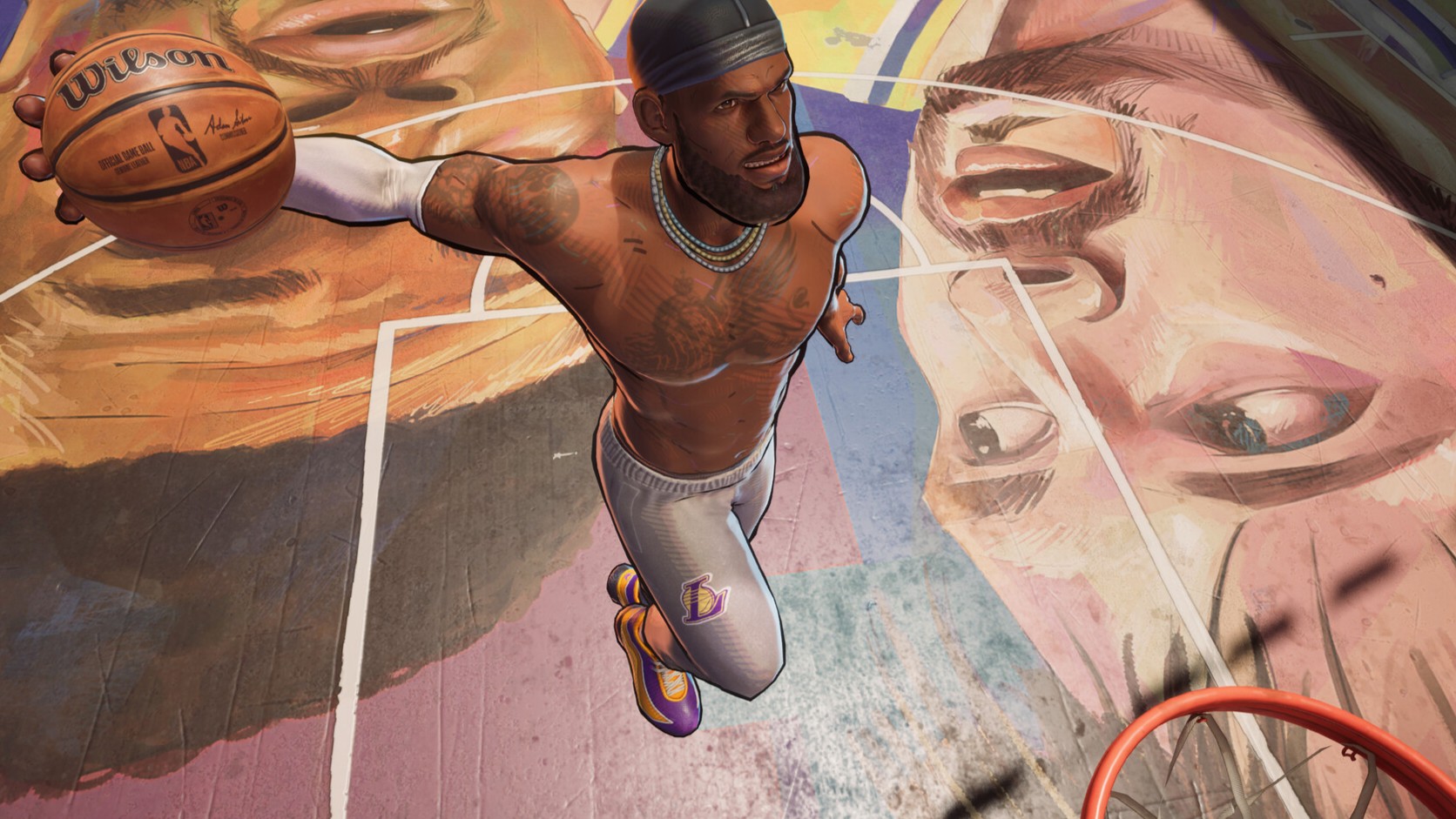
- The "In the Zone" Meter: While designed to reward flashy play, it is often underutilized because competitive matches are decided too quickly or because certain rulesets disable the mechanic entirely.
- The Efficiency Trap: Players are finding that in a ranked environment, the "optimal" strategy is often the least interesting one. When a win is on the line, the risk-reward ratio of an "off-the-heezay" pass is simply too high compared to the reliability of a standard pump-fake and jump shot.
Official Stance and Design Philosophy
Play by Play Studios has positioned NBA The Run as a love letter to the "arcade classics." In various promotional materials, the studio has emphasized the "pure joy" of the sport. However, the absence of a robust offline component—such as the beloved Be a Legend mode from NBA Street—suggests a developer that is currently struggling to reconcile the "street" spirit of the game with the demands of a modern, live-service, multiplayer-only ecosystem.
There has been no official statement yet addressing the lack of a tutorial or the potential implementation of a single-player campaign, but the community sentiment remains clear: the foundation is solid, but the scaffolding is incomplete.
Implications: Can Arcade Sports Survive the Esportification?
The implications for NBA The Run are significant for the broader sports gaming landscape. If a game is built on the premise of "street" culture, yet mandates an esports-adjacent competitive structure, does it lose its identity?
The Identity Crisis
Real-life street basketball is a rejection of the "stuffy" structure found in organized leagues. It is about style, trash talk, and breaking ankles. By adding ranks, win-rates, and competitive leaderboards, The Run is effectively re-introducing the very structure that the street basketball genre was originally designed to escape. When you turn a game about "cool dunks" into a game about "winning percentages," you inevitably create a meta that favors efficiency over expression.
Lessons from History
To thrive, The Run must look at the path forged by games like Pyre, which used the framework of arcade sports to tell a deep, meaningful narrative. Alternatively, it could look back at NBA Hangtime, which allowed for custom character creation and stat progression—elements that gave players a personal stake in their journey beyond a simple rank number.
The Verdict: A Fragmented Experience
Currently, NBA The Run is a game of two halves. On one side, it is a mechanically tight, visually striking, and genuinely fun arcade basketball game that respects its heritage. On the other, it is a bare-bones multiplayer platform that lacks the features, tutorials, and casual-friendly modes necessary to sustain a long-term player base.
The game is not "broken" in the traditional sense, but it is misaligned. It offers the tools to perform spectacular feats of athleticism, yet it provides no reason to perform them other than to chase a number on a leaderboard. For players looking for a quick, frantic hit of basketball nostalgia, The Run provides the necessary spark. However, until Play by Play Studios introduces modes that cater to solo play, casual exploration, or a deeper sense of progression, the game may find itself stuck on the perimeter—unable to drive to the basket with the authority of the classics that came before it.
As it stands, NBA The Run is a promising, if incomplete, revival. It proves that the "arcade" itch is still very much present in the gaming community, but it serves as a cautionary tale: in the pursuit of the competitive market, developers must be careful not to strip away the very soul of the game they are trying to celebrate. The court is ready, the crowds are waiting, but the game is still looking for its rhythm.

