

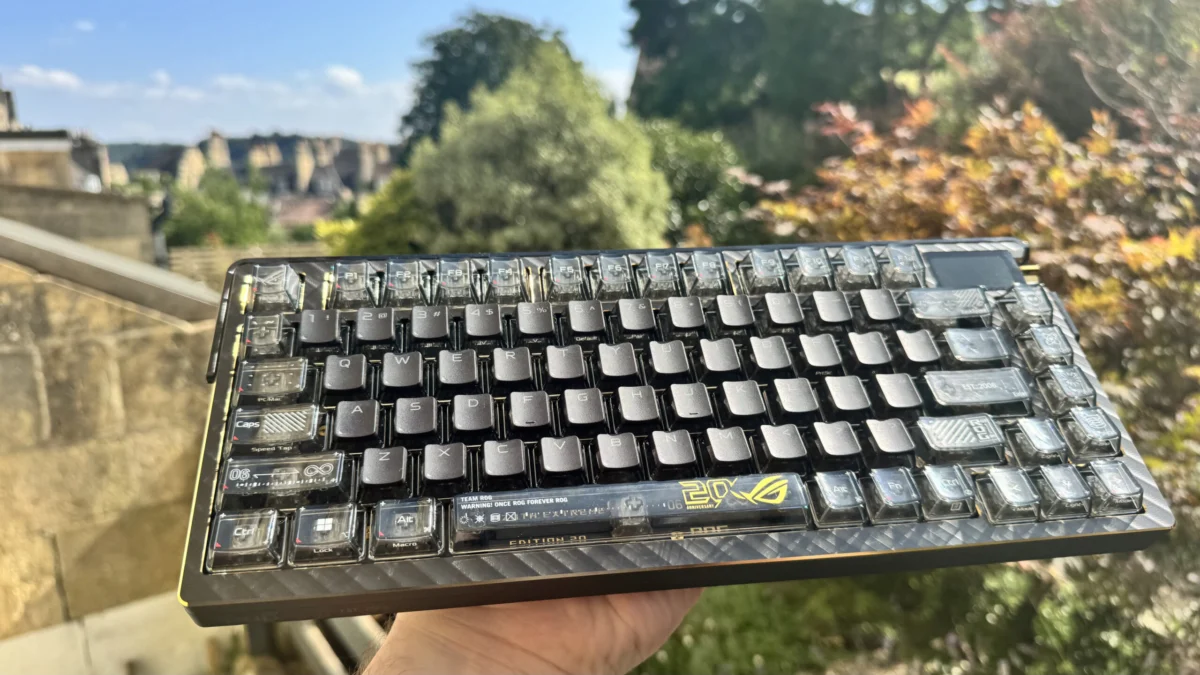
In the world of enthusiast PC peripherals, there exists a threshold where logic ends and pure, unadulterated decadence begins. Once you cross the $200 barrier, you stop paying for raw performance and start paying for a statement piece—a desktop monument to your own aesthetic preferences. The new Asus ROG Azoth Extreme Edition 20 is, by every metric, the absolute ceiling of that philosophy. Retailing at a staggering $600, it is not merely a keyboard; it is a declaration. But as we’ve learned in the high-stakes world of luxury tech, a gold-plated exterior is only as good as the software that powers it.
The Main Facts: Defining the Extreme
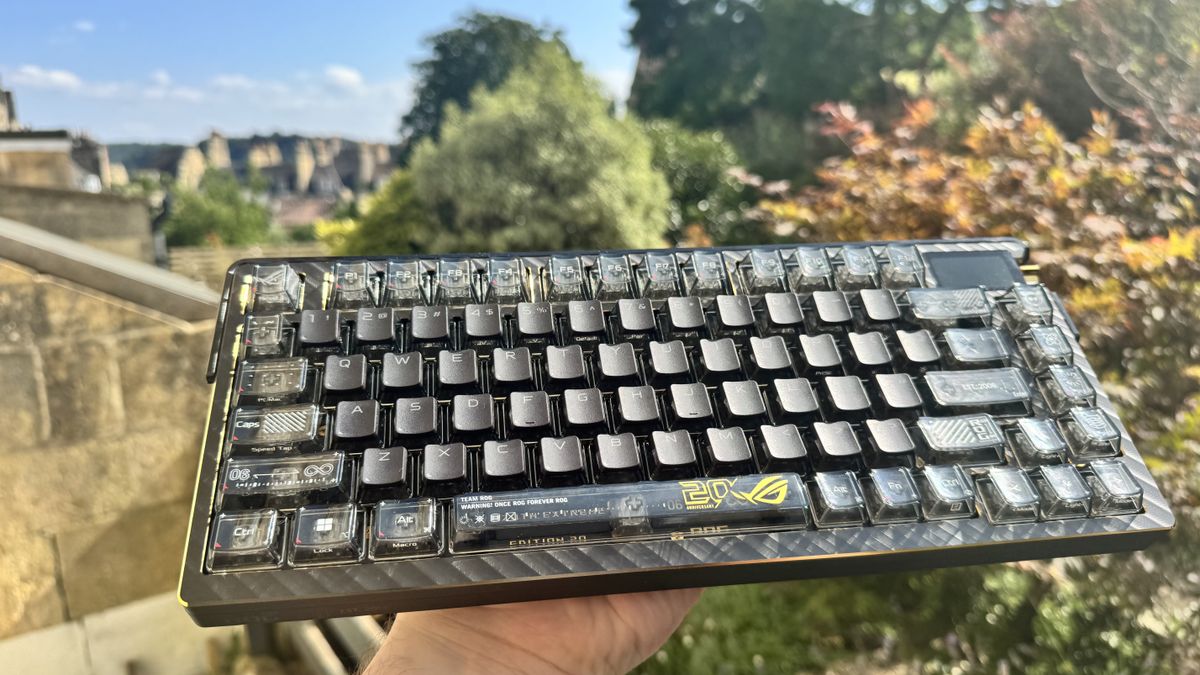
To celebrate the 20th anniversary of its Republic of Gamers (ROG) brand, Asus has pulled out every stop imaginable. The Azoth Extreme Edition 20 is a 75% TKL (tenkeyless) powerhouse designed to satisfy the most demanding keyboard enthusiasts.
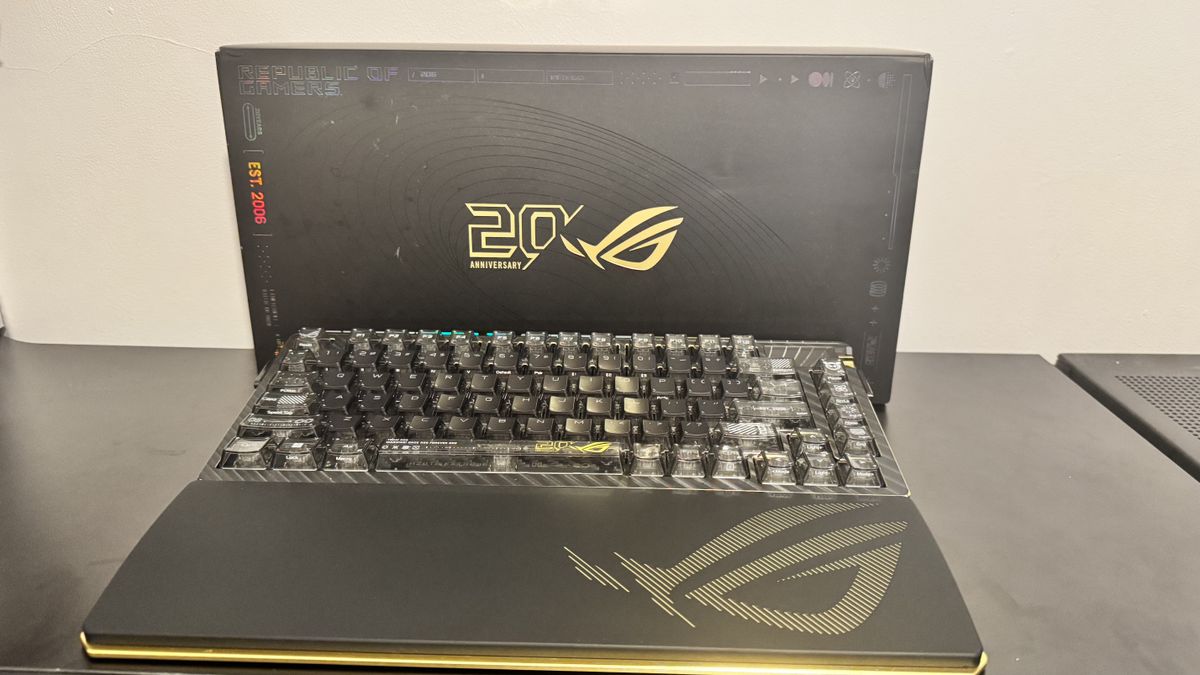
The specifications read like a wish list for the hardcore gamer: an 8,000 Hz polling rate for near-zero latency, a carbon-fiber positioning plate for structural rigidity, multi-layer internal dampening to eliminate hollow acoustic profiles, and an astonishing 1,600-hour battery life. It arrives in the box with an array of premium accessories, including a dedicated polling rate booster, a palm rest, extra mechanical switches, and—most notably—a 24K-gold-plated commemorative nameplate.
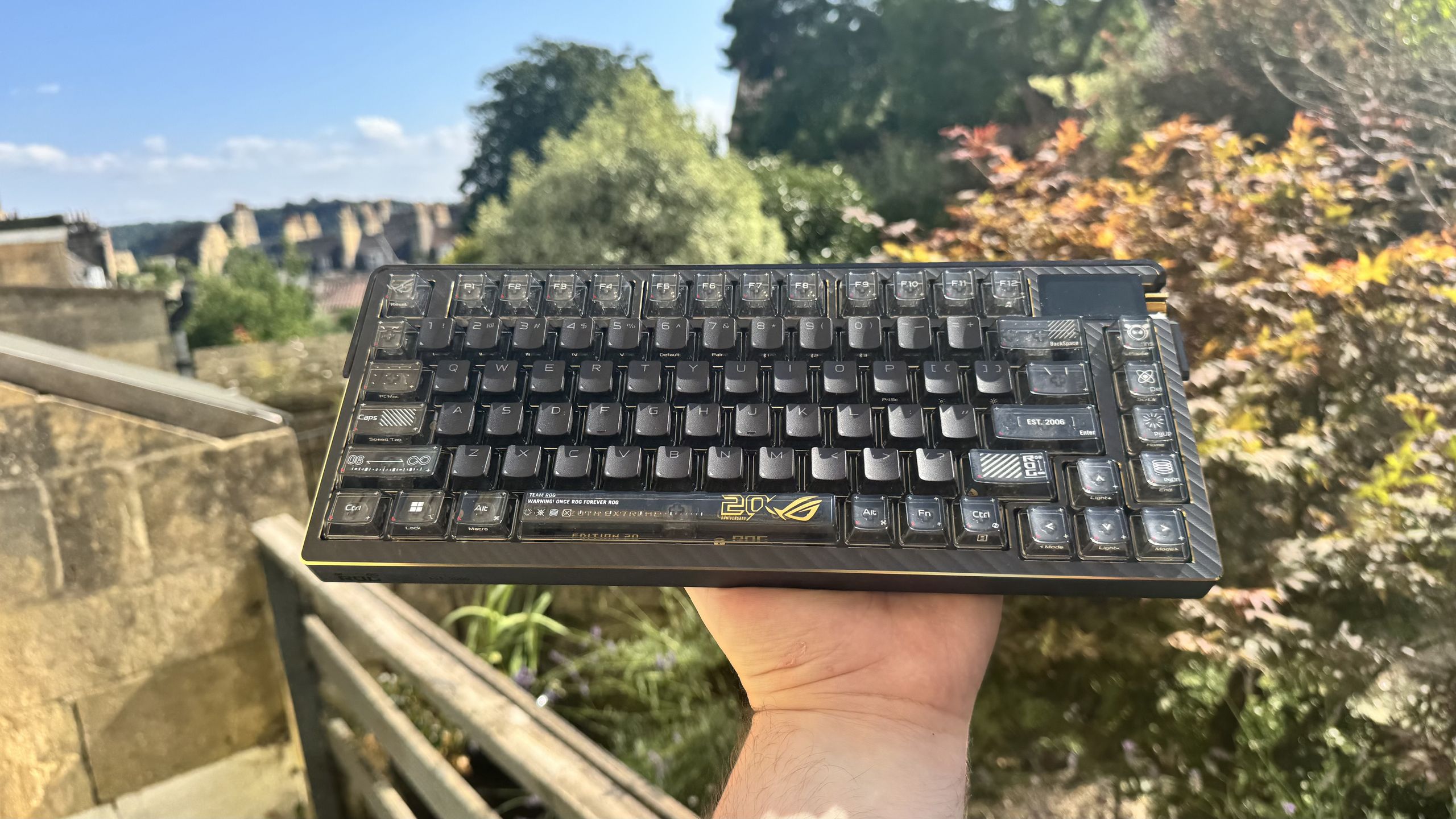
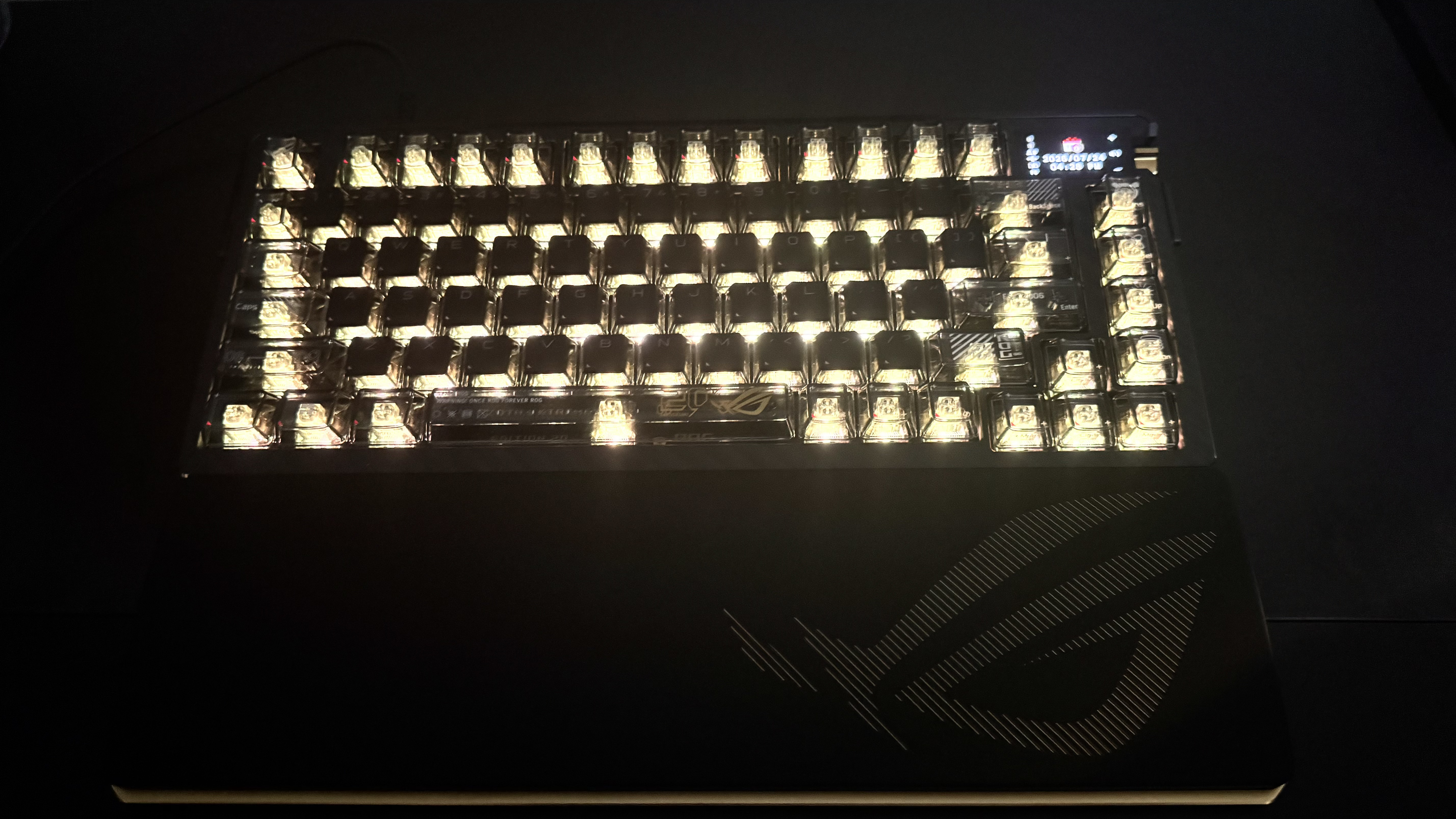
Despite the "Extreme" moniker, the keyboard maintains a compact, hot-swappable design, allowing users to tinker with the ROG NX mechanical switches to their heart’s content. However, the premium experience is punctuated by a high-resolution OLED screen in the top right corner, paired with intuitive controls for system adjustments like volume, lighting, and custom macros.
A Chronology of the "Extreme" Evolution
The evolution of the Azoth series has been rapid. In 2024, the original ROG Azoth Extreme set a high bar for pre-built custom mechanical keyboards, offering a level of build quality rarely seen in mass-market hardware. The Edition 20, released to mark two decades of ROG, builds upon that foundation with an additional $100 price hike, justifying the cost through sheer extravagance.
While the original was a triumph of engineering, the Edition 20 feels more like a celebratory artifact. It represents a pivot for Asus from "high-end gaming" to "luxury lifestyle tech." The transition from the 2024 model to this iteration mirrors the industry’s broader move toward hyper-premium limited runs, where the scarcity and the gold-accented materials serve as the primary drivers of value.
Supporting Data: Performance Under Pressure
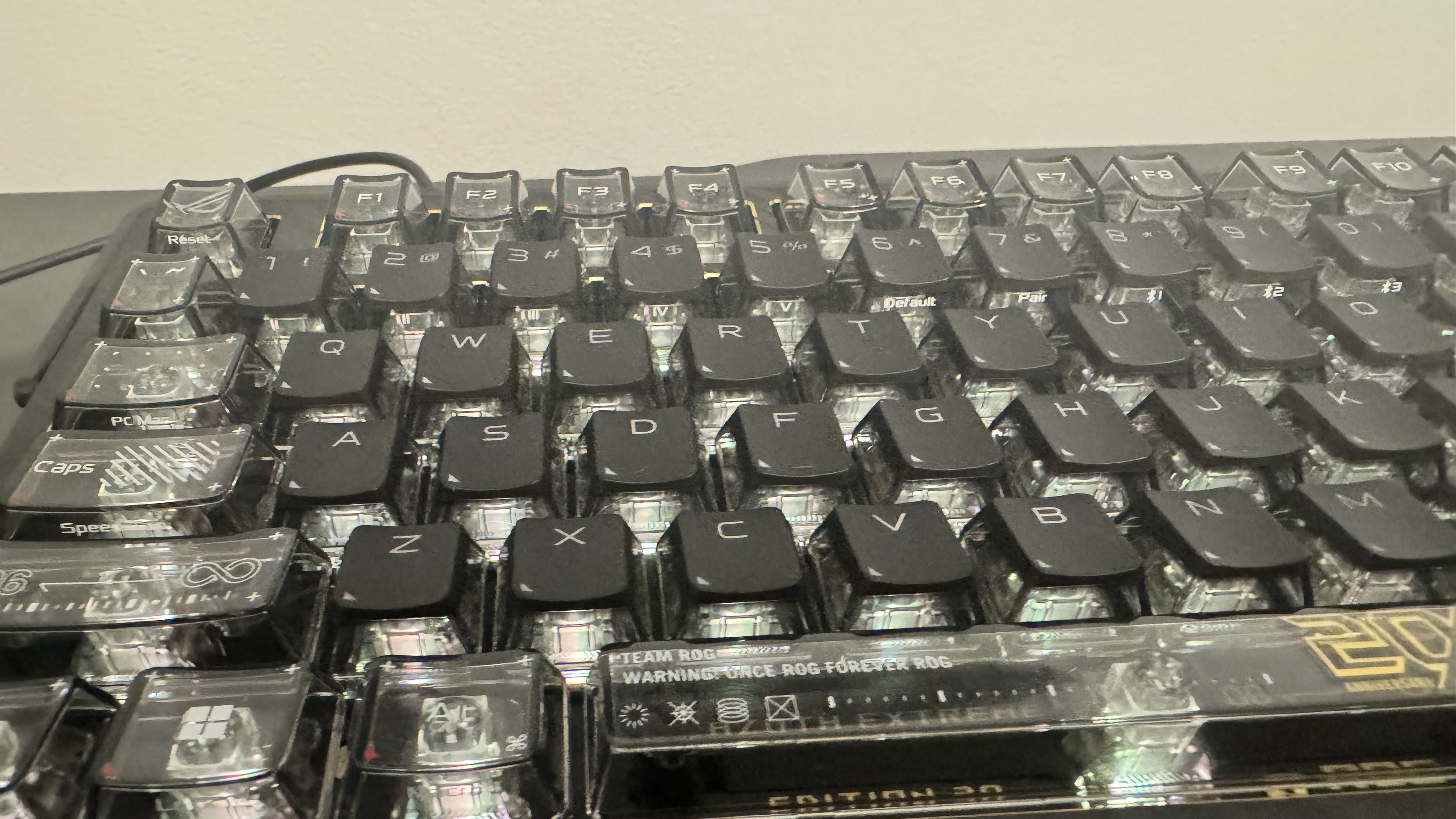
During our rigorous testing, the Azoth Extreme Edition 20 delivered on the promise of high-performance gaming. In high-intensity titles like Counter-Strike 2, the board performed flawlessly. The actuation is light, snappy, and responsive, making rapid-fire inputs effortless. The dampening layers effectively strip away the "hollow" sounds often associated with aluminum chassis, leaving a crisp, satisfying acoustic signature that sits comfortably in the treble range.
However, the hardware is not without its caveats. The 1.5 kg weight is significant—a testament to its build quality—but it poses a long-term risk to delicate mouse pads. Furthermore, while the 8,000 Hz polling rate is a technical marvel, enabling it noticeably taxes the battery life, forcing a compromise between cutting-edge competitive performance and wireless longevity.
The aesthetic design, featuring a split between translucent and matte-finish keycaps, is visually arresting. The gold accents, which could have easily veered into the territory of the "gauche," are surprisingly tasteful in person. Yet, there is a functional flaw: in low-light conditions, the non-translucent keys are nearly impossible to read. While this is a common issue in the industry, it feels particularly egregious on a device priced at $600.
Official Responses and Industry Context
Asus has positioned this product as a tribute to its legacy. By including a "thank you" card, a suite of maintenance tools, and the gold-plated plaque, the company is catering to the collector’s market. When reached for comment on the software issues, representatives noted that the software ecosystem (Armoury Crate) is under constant refinement, though for a user at this price point, "refinement" is a thin veil for the frustration of a broken user experience.
Competitors such as Melgeek and their Centauri 80 series offer similar enthusiast-grade features at a significantly lower price point, proving that the $600 cost is almost entirely tied to the branding and the "anniversary" luxury status.
The Software Achilles’ Heel
The most glaring issue remains the software. While the hardware feels like a premium limousine, the software experience feels like a sputtering engine. During our testing, the OLED screen animation settings simply ceased to function. Despite a clean installation of the necessary drivers and multiple system restarts, the board remained unrecognized by Armoury Crate.
This is a recurring theme in the ROG ecosystem. When software fails, it doesn’t just annoy the user; it betrays the promise of a "premium" product. For a $600 investment, the consumer expects seamless integration. Instead, we are left with a piece of hardware that is fighting its own internal management system.
Implications: The Luxury Trap
The implications for the keyboard market are clear: we have reached a point of diminishing returns. If you are looking for a "good" keyboard, there are countless options—including the standard Azoth—that will provide 95% of the performance for one-third of the price. The Azoth Extreme Edition 20 is not a product for the rational shopper; it is a product for the enthusiast who values the prestige of a limited-edition badge as much as the switch feel.
Is it worth the money? If you view a keyboard as a tool, the answer is a definitive no. If you view a keyboard as a center-piece for your desk, a collector’s item that marks a significant milestone in PC gaming history, then perhaps the price is secondary to the experience of ownership.
Ultimately, the Asus ROG Azoth Extreme Edition 20 is a beautiful, heavy, and technically proficient machine that is let down by the very thing that is supposed to make it smart. It is a stunning display of what Asus can build, but it serves as a cautionary tale: no amount of gold plating can fix a broken software interface. As we look toward the future of high-end peripherals, one hopes that manufacturers start prioritizing the elegance of their user experience as much as they prioritize the weight of their chassis and the gold content of their nameplates.

