

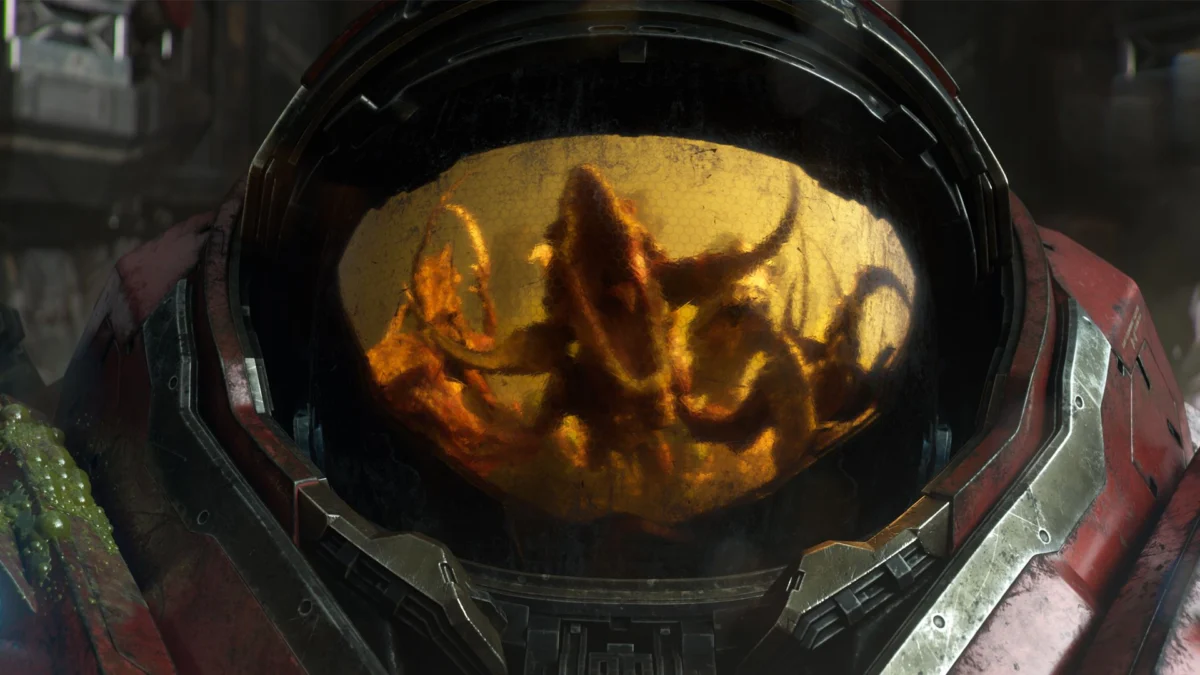
The Return of a Legend
For nearly 15 years, the StarCraft franchise has existed in a state of suspended animation. Since the release of StarCraft: Remastered in 2017, fans of the legendary real-time strategy series have clamored for a return to the Koprulu Sector. When the silence was finally broken with the announcement of a new StarCraft title—this time envisioned as a third-person shooter—the gaming community erupted in speculation.
Scheduled for a 2030 release, this project represents the most significant investment in the IP since the conclusion of StarCraft II. However, amidst the excitement, a shadow of uncertainty loomed: would this revival be shackled to the Xbox ecosystem? Following a wave of rumors and fan-fueled apprehension, Blizzard Entertainment has officially confirmed that the upcoming StarCraft shooter will not be an Xbox exclusive.
A Chronology of Conflict and Conquest
To understand the weight of this announcement, one must look at the historical relationship between StarCraft and the platforms it calls home.
- 1998: The original StarCraft arrives, defining the RTS genre and establishing Blizzard as a titan of PC gaming.
- 2000: A brief, experimental foray onto consoles with StarCraft 64 proves that while possible, the series is fundamentally built for the precision of a mouse and keyboard.
- 2010–2015: The StarCraft II trilogy (Wings of Liberty, Heart of the Swarm, Legacy of the Void) solidifies the franchise as the gold standard for global esports.
- 2017: StarCraft: Remastered keeps the community alive, but no new narrative content follows.
- 2023: Microsoft completes its historic $68.7 billion acquisition of Activision Blizzard, sparking fears of a platform-locked future for Blizzard’s most cherished properties.
- 2030 (Projected): The launch of the new StarCraft shooter marks the franchise’s first major pivot in gameplay style and its first high-profile release under the Microsoft umbrella.
The Architecture of the Decision
The decision to keep StarCraft multiplatform is a strategic pivot for Microsoft, which has spent the last year oscillating between "platform-exclusive" mandates and a "game-everywhere" approach.
For many, the fear of exclusivity was grounded in the recent messaging coming out of Xbox leadership. This summer, industry analysts and observers noted a distinct shift in Microsoft’s philosophy. Matthew Ball, a prominent industry strategist, highlighted a growing sentiment within the halls of Xbox: that to build a sustainable platform, a company must leverage exclusive services and software. "To return our platform to consistent growth, we need a reliable pipeline of exclusive games," was the prevailing mantra.
However, StarCraft appears to be the exception that proves the rule. While titles like Starfield and Indiana Jones and the Great Circle have served as tentpole exclusives, the StarCraft brand carries a unique cultural weight. It is, at its heart, a PC-native experience. Porting such a storied PC franchise into a closed console ecosystem would not only risk alienating the hardcore base but would also contradict the very DNA of the series.
Official Responses: Clearing the Air
In a recent statement provided to Kotaku, a Blizzard spokesperson was direct, cutting through the layers of corporate jargon that usually define such announcements. When asked if the title would be an "Xbox-exclusive," the response was unequivocal: "We can only say for now that StarCraft won’t be exclusive."
When pressed further on whether this meant a PlayStation release or simply a PC-and-Xbox hybrid, the developer remained tight-lipped. Despite the lack of specific platform details, the message is clear: the term "Xbox-exclusive" is factually incorrect for the project.
This response serves as a necessary balm for a community that has spent the last year watching the volatility of the industry—from the layoffs at various Microsoft-owned studios to the shifting release strategies of titles like Call of Duty. The confirmation ensures that the 2030 release will reach the widest possible audience, a necessity for a title that is reportedly moving away from the "seasonal" grind and toward a more traditional, narrative-driven experience.
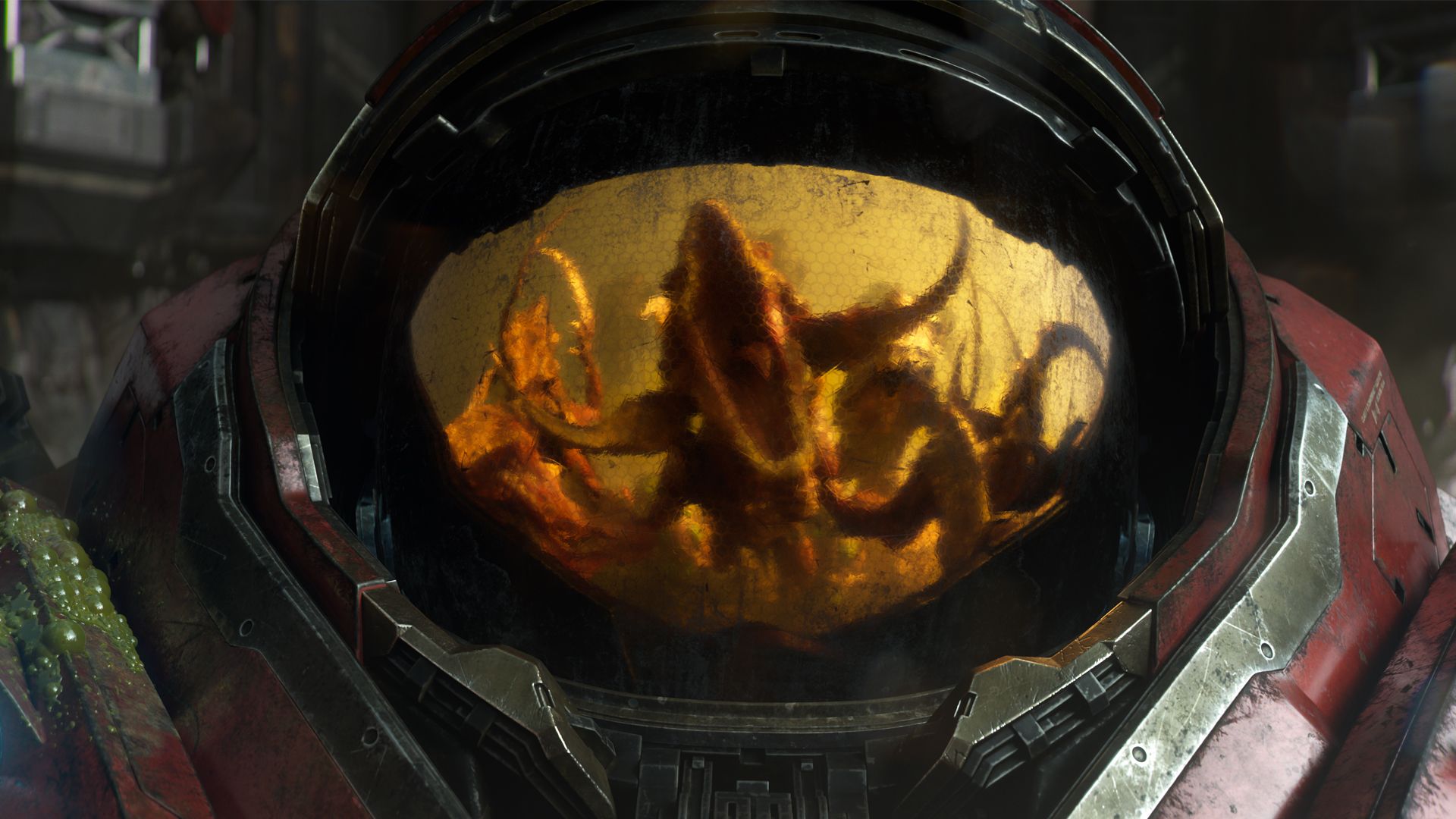
The Implications of a Genre Shift
The shift from a top-down strategy game to a third-person shooter is, perhaps, even more significant than the platform debate. According to project leads, the new StarCraft is not intended to be a "live-service" or "seasonal" game. Instead, it is being built with a clear beginning, middle, and end.
This design philosophy has massive implications for how the game will be marketed and played. By focusing on a contained narrative, Blizzard is signaling a return to the roots of StarCraft’s success: immersive world-building and character-driven drama. This approach also makes the game more compatible with a wider array of hardware. A narrative-heavy shooter is significantly easier to optimize for multiple consoles and PC architectures than a high-frequency, real-time strategy game with thousands of units on screen at once.
Supporting Data: Why "Exclusive" Was Never a Fit
Market data suggests that the "Xbox-only" model is becoming increasingly difficult to justify for legacy PC franchises. Since the acquisition, Microsoft has experimented with putting Call of Duty on every available platform to maximize reach and revenue. The data shows that the revenue generated from multiplatform accessibility significantly outweighs the potential console-adoption incentives of a single exclusive title.
Furthermore, the "Project Helix" rumors—the idea that StarCraft would be the flagship launch title for a next-gen, unannounced console—have been largely debunked by industry insiders. While the hardware market is evolving, the demand for StarCraft is inherently tied to the PC. Excluding that demographic would have been a catastrophic error in judgment, one that Blizzard seems keen to avoid.
The Future of Blizzard Under Xbox
The "fair-weather" nature of Xbox’s current strategy is a double-edged sword. On one hand, it allows for greater flexibility and the potential for a larger, healthier player base for StarCraft. On the other hand, it leaves fans wondering exactly what the "Xbox" brand stands for if its biggest acquisitions are not exclusive.
However, the reality of 2030 is that the barriers between platforms are crumbling. With the rise of cross-play, cross-progression, and cloud-based gaming, the definition of an "exclusive" has changed. If the new StarCraft shooter succeeds, it will likely be because it focused on the quality of the experience rather than the limitations of the platform.
Conclusion: A New Frontier
As we look toward 2030, the confirmation that StarCraft will not be an Xbox exclusive is a massive win for the gaming community. It suggests that Blizzard is being allowed to operate with a degree of autonomy that prioritizes the health of the brand over the short-term gains of platform tribalism.
Whether this new title will manage to capture the magic of the original remains to be seen. But by keeping the doors open to all players, Blizzard has ensured that when the Zerg, Protoss, and Terran finally return to our screens, they will do so in front of the largest possible audience. For a franchise that has been defined by its massive, global scale for over a quarter of a century, that is exactly as it should be.
The silence of the last 15 years is ending. The question is no longer "where" we will be playing, but "how" the next chapter of the Koprulu Sector will unfold. And for now, that is more than enough to keep the fires of the sector burning bright.

