

Main Facts: The Rise of Dressmaker
In the ever-expanding landscape of cozy simulation games, titles that narrow their focus to hyper-specific craftsmanship often capture the most dedicated audiences. Enter Dressmaker, developed by Free Lives, which has quietly—and then all at once—taken the gaming community by storm. Released to widespread acclaim in 2026, the game strips away the traditional mechanics of farming, combat, and open-world exploration, replacing them with a singular, deeply immersive pursuit: the intricate, tactile art of digital garment creation.
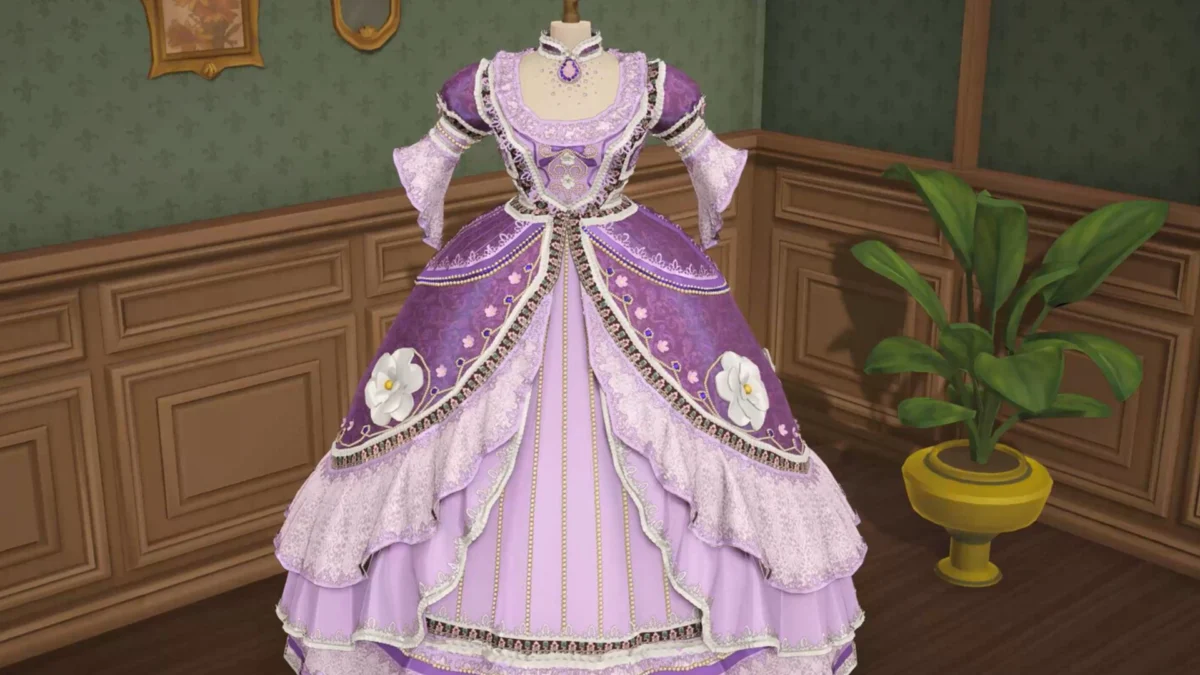
Unlike games that treat fashion as an afterthought or a superficial menu-based customization tool, Dressmaker asks players to engage with the actual process of design and assembly. From sketching initial silhouettes with custom bodies, skirts, sleeves, and collars to laying out rough color schemes and layering fabric samples, the title mirrors the true hurdles of haute couture. Players sift through virtual bolts of silk, lace, linen, cotton, and velvet spanning a staggering array of colors, before piecing together bespoke patterns.
While the mechanics are accessible enough for casual players, the ceiling for creativity is exceptionally high. This duality has turned the game into a viral sensation, bridging the gap between meticulous design simulators and unbridled internet meme culture.
Chronology: From Niche Concept to Viral Obsession
The journey of Dressmaker from an anticipated indie release to a cultural touchstone follows a classic trajectory of organic, community-driven growth.
- Early Development and Concept (2024–2025): Free Lives initially teased Dressmaker as an experimental cozy title that leaned into tactile, craft-based gameplay. Early developer blogs emphasized a desire to replicate the physical satisfaction of measuring, cutting, and stitching.
- Launch and Initial Discovery (Early 2026): Upon its release, the game was immediately championed by cozy game enthusiasts looking for a fresh, low-stress experience. Reviewers praised its uncompromising dedication to its central theme.
- The Social Media Explosion (Mid-to-Late 2026): As players grew more accustomed to the game’s robust toolkit, social media platforms—particularly X (formerly Twitter)—became flooded with user-generated creations. What started as simple clothing designs quickly escalated into high-concept cosplay recreations, high art, and absurdist meme fashion. The game transformed overnight from a solitary relaxing pastime into a competitive showcase of digital tailoring prowess.
Supporting Data: The Mechanics of Digital Haute Couture
What makes Dressmaker more than just a passing trend is the sheer depth of its simulation engine. Game analysts and community metrics highlight several key pillars driving its sustained engagement:
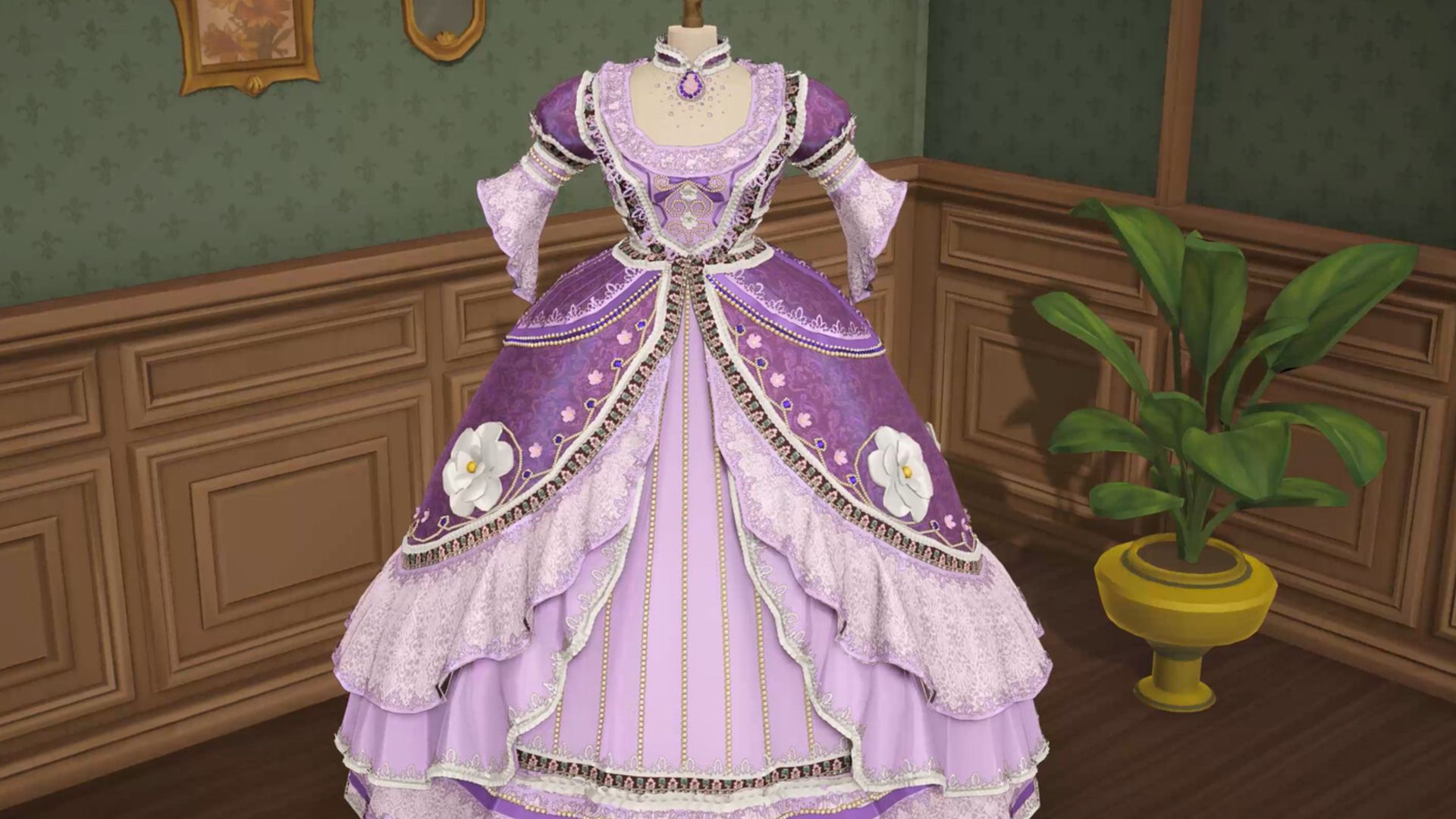
- Material Variety: The game features over 50 distinct fabric types, each with its own physical simulation properties regarding drape, weight, and sheen. Silk behaves differently than stiff linen; velvet absorbs light differently than translucent lace.
- Modular Design Systems: Players are not restricted to pre-made templates. The modular pattern-making system allows for thousands of unique combinations of bodices, hemlines, necklines, and fastener types.
- Community Engagement Metrics: Within months of launch, user-shared designs generated millions of impressions across social media platforms, with specific community challenges—such as designing outfits for non-fashion-oriented fictional characters—driving unprecedented spikes in active player counts.
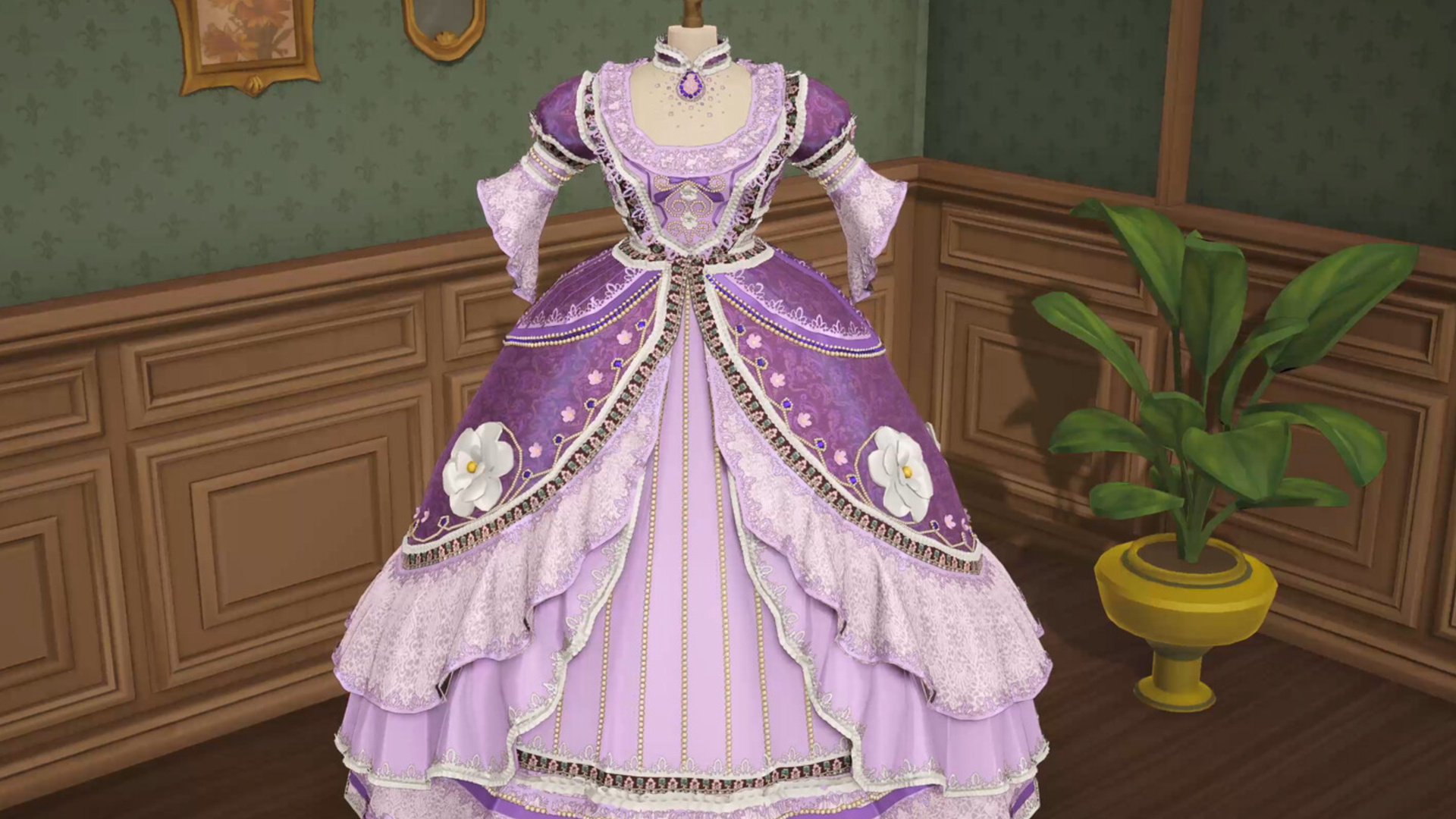
The gulf between professional execution and clumsy attempts has only added to the charm. While players with genuine artistic flair craft breathtaking ballgowns, less-talented virtual tailors find endless humor in their catastrophically miscalculated creations—proving that the game accommodates both perfectionists and disaster-prone hobbyists alike.
Official Responses: Free Lives on the Unexpected Cultural Impact
The development team at Free Lives has expressed astonishment at the sheer velocity at which the community embraced Dressmaker. Speaking on the unexpected turns the game has taken, studio representatives noted that while they hoped to build a satisfying crafting loop, they never anticipated the level of cross-over fandom artistry the title would inspire.
"We wanted to capture the meditative, problem-solving nature of sewing," a studio spokesperson shared shortly after the game’s viral surge. "You look at a flat piece of fabric and visualize a three-dimensional form. Seeing players take those tools and use them to recreate intricate armor, high-fashion historical gowns, and bizarre meme dresses shows just how versatile human creativity really is when given the right medium."
The developers have since committed to supporting the game with future content updates, promising expanded fabric libraries, advanced tailoring tools, and community-requested pattern pieces to fuel the next wave of virtual fashion.
Implications: What Dressmaker Means for the Future of Cozy Games
The runaway success of Dressmaker marks a significant shift in the cozy gaming genre. For years, the market has been dominated by broad, systemic life-simulators that attempt to combine farming, dating, crafting, and exploration into a single package. Dressmaker proves that hyper-focus can be a more powerful design philosophy.
1. The Power of Micro-Niches
By zooming in entirely on a single, highly specialized hobby, Free Lives carved out a distinct identity in a crowded market. The game demonstrates that players are eager to engage with deep, authentic simulations of real-world skills, provided the friction of the learning curve is balanced by creative freedom.
2. The Intersection of Gaming and Fandom Expression
Dressmaker has effectively become a new medium for fan art. Instead of drawing or writing fan fiction, creative players are now tailoring digital garments inspired by popular culture—bridging the gap between gaming, anime, and high fashion. Recreations of characters from Genshin Impact (such as the Tsaritsa) and Final Fantasy 14 (such as Emet-Selch), alongside surreal creations like the infamous Microsoft Excel-inspired minidress, highlight how community-driven UGC (User Generated Content) extends a game’s cultural footprint far beyond its initial campaign.
3. Redefining "Success" in Simulation
Ultimately, Dressmaker succeeds because it removes the anxiety of failure. Whether a player designs a breathtaking Van Gogh-inspired ballgown or a tragic, structurally unsound catastrophe reminiscent of a client brief gone wrong, the game celebrates the effort. In an era where gaming can often feel high-stakes and demanding, Dressmaker offers a sanctuary where both masterpieces and glorious disasters are celebrated equally.

