

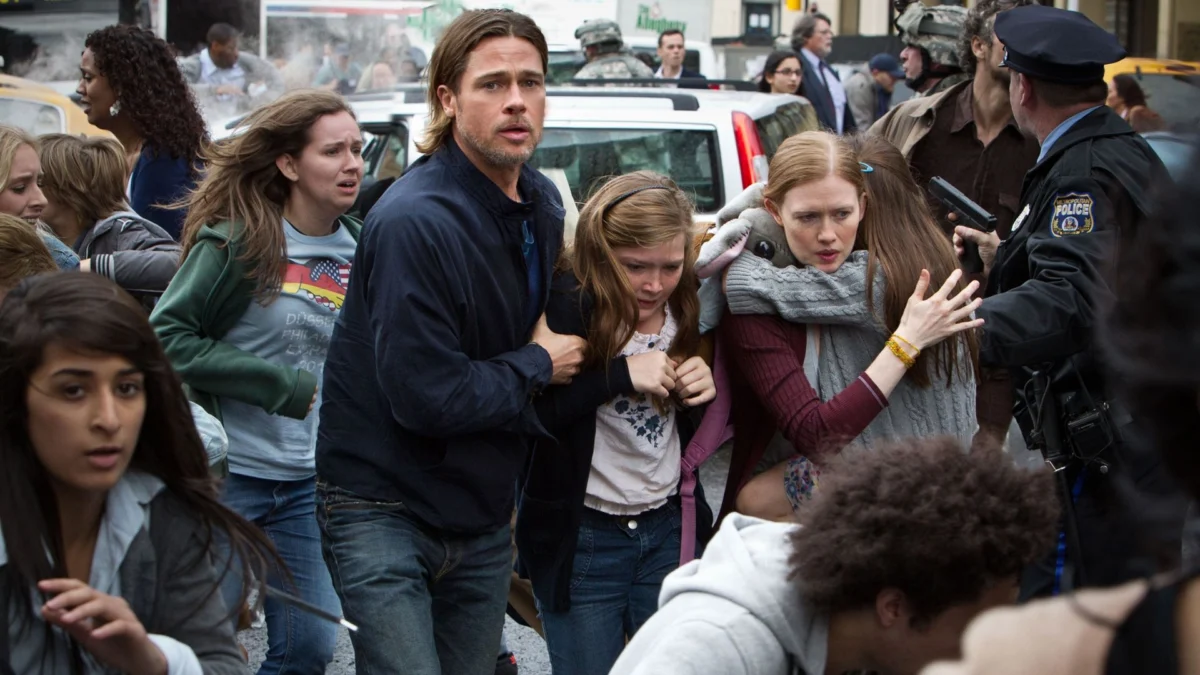
After years of development hell, scrapped scripts, and shifting creative visions, the undead are finally rising once again at Paramount Pictures. The studio has officially confirmed that a sequel to the 2013 global box-office smash World War Z is moving forward. Brad Pitt, who anchored the original film as the intrepid UN investigator Gerry Lane, is set to reprise his role, signaling a major push by the studio to revitalize one of its most successful intellectual properties.
The Creative Team: A New Vision for the Apocalypse
The announcement, first reported by Deadline, marks a significant turning point for the franchise. Paramount has tapped acclaimed director Edward Berger to helm the project. Berger, whose visceral and haunting work on the Oscar-winning All Quiet on the Western Front and the gripping political thriller Conclave has cemented him as one of the most sought-after filmmakers in the industry, brings a grounded, high-stakes sensibility to the production.
Complementing Berger’s directorial vision is British playwright Dennis Kelly, who has been tapped to pen the screenplay. Kelly, known for his work on the cult-classic series Utopia and the stage adaptation of Matilda, is expected to inject a sharp, psychological intensity into the zombie survival narrative. This creative pairing suggests that World War Z 2 will lean into a more atmospheric, perhaps even more claustrophobic, depiction of the collapse of civilization compared to the expansive, action-heavy spectacle of the first film.
A Legacy of Survival: The 2013 Original
To understand the weight of this announcement, one must look back at the impact of the 2013 original. Based on Max Brooks’ seminal novel World War Z: An Oral History of the Zombie War, the film was a massive undertaking that redefined the zombie genre for a modern blockbuster audience.
Directed by Marc Forster, the original film followed Gerry Lane (Pitt), a former United Nations investigator traversing the globe in a race against time to stop a pandemic that is turning humanity into hyper-aggressive, swarming predators. With a screenplay credited to Matthew Michael Carnahan, Drew Goddard, and Damon Lindelof, the film was lauded for its relentless pace and terrifyingly fluid portrayal of the infected.
The financial performance of the film was staggering. Produced on a massive budget of $269 million—a figure inflated by extensive reshoots—the film defied critical skepticism to gross approximately $540 million worldwide. It remains one of Brad Pitt’s most commercially successful endeavors as a lead actor, standing in league with his more recent, high-profile projects like the racing epic F1. The ensemble cast, featuring the likes of Peter Capaldi, Ruth Negga, Mireille Enos, and Matthew Fox, helped ground the global scale of the crisis in human stakes, a hallmark the sequel will undoubtedly look to emulate.
The Lost Years: The David Fincher Chapter
The road to this sequel has been anything but linear. For several years, the project was inextricably linked to legendary director David Fincher. Fincher’s vision for the sequel was famously ambitious, aiming to shift the focus from a standard action-adventure to a more intimate, structural examination of the viral outbreak.
In a candid interview with GQ, Fincher revealed that his version of World War Z 2 was conceptually similar to HBO’s acclaimed adaptation of The Last of Us. Fincher had planned to explore the biological origins of the parasite in a way that mirrored the viral, systemic collapse seen in the later series. "In our title sequence, we were going to use the little parasite… they used it in their title sequence, and in that wonderful opening with the Dick Cavett, David Frost-style talk show," Fincher noted. While the Fincher iteration eventually stalled, his focus on the "oral history" aspect of the book—the small, human stories buried under the weight of a global catastrophe—remains a gold standard for what fans hope the new creative team will capture.
Paramount’s Strategic Pivot: Moving Away from Streaming
The revival of World War Z is not an isolated event; it is part of a broader, aggressive strategic shift at Paramount Pictures. Following a period where major studios were heavily invested in churning out content for proprietary streaming platforms, Paramount has signaled a firm return to the theatrical experience.
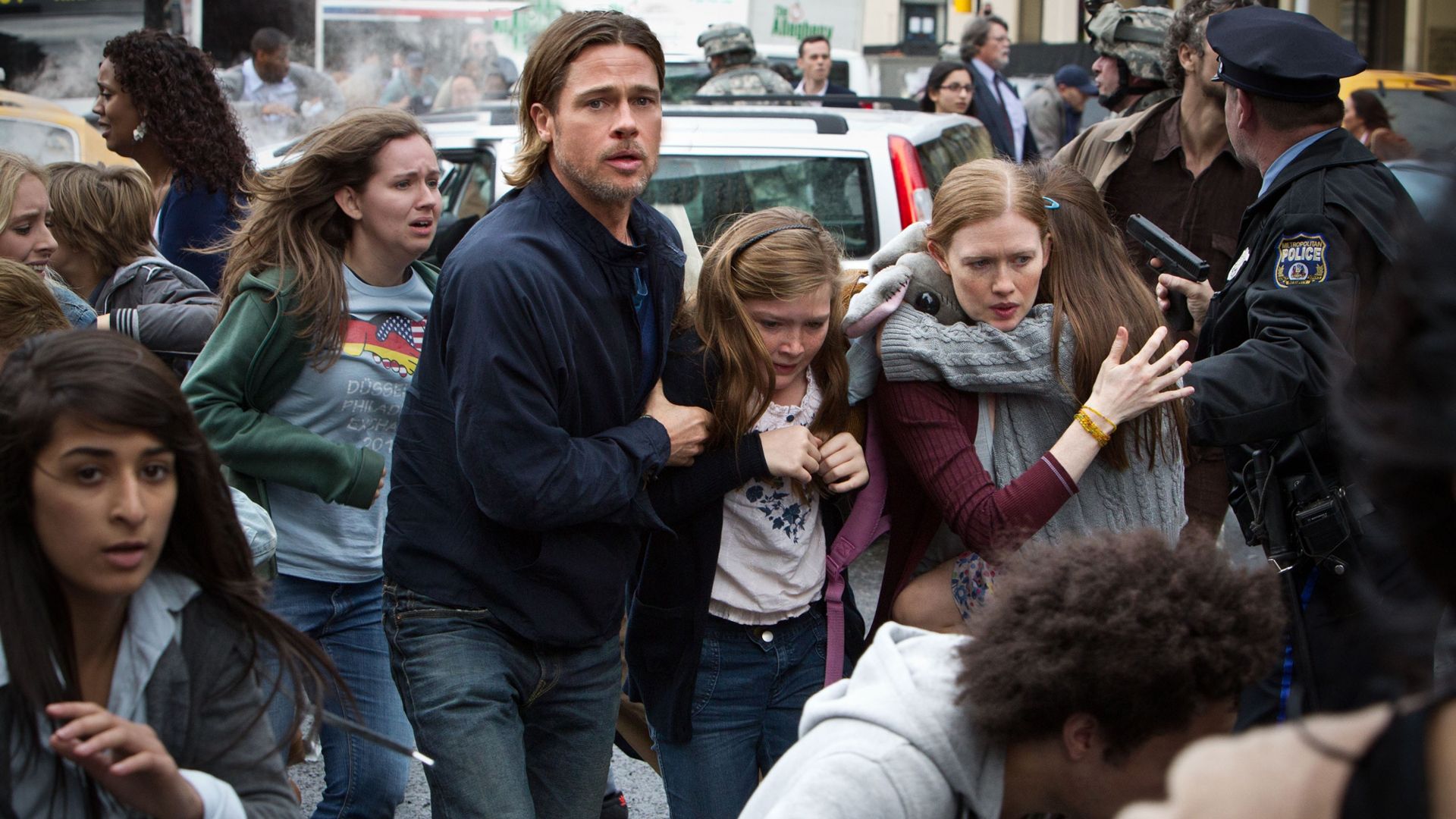
According to recent industry reports, the studio has explicitly stated that streaming-exclusive blockbusters are no longer a priority. Instead, the studio is "going all in" on big-screen tentpoles that demand to be seen in cinemas. Alongside the new World War Z film, the studio is heavily investing in Top Gun 3 and new expansions of the Star Trek universe. This "theatrical-first" philosophy is a direct response to the shifting habits of audiences, who have increasingly shown a willingness to return to theaters for high-quality, high-budget spectacle.
Implications for the Industry
The decision to proceed with a sequel over a decade after the original’s release is a testament to the enduring power of the World War Z brand. It reflects a growing industry trend of "legacy sequels"—films that return to established hits with a fresh creative voice to revitalize the franchise for a new generation.
For Brad Pitt, this project serves as a bridge between his classic leading-man roles and his ongoing evolution as a producer and character actor. His commitment to the project, combined with the prestige of Edward Berger, positions World War Z 2 as a potential contender for a more sophisticated class of action cinema. If the production can successfully balance the grand-scale horror of the first film with the narrative depth of the source material, it could set a new benchmark for how intellectual properties are managed in an era of franchise fatigue.
What Lies Ahead: The Path to Production
While the excitement surrounding the announcement is palpable, fans should be aware that the project is still in the early stages of development. As of this writing, there is no official release date. The involvement of Dennis Kelly suggests that the script is currently being refined, and given the complexity of the logistics involved in a film of this scale, production is likely to take considerable time.
Industry analysts suggest that the studio will be looking to capitalize on the "prestige" factor of its new creative team. By bringing in a director of Berger’s caliber, Paramount is signaling that they are not looking for a quick, formulaic cash-grab, but rather a substantial piece of cinema that can stand alongside the best of the genre.
For those eager for more information, the industry is watching closely for casting updates, especially regarding which characters from the original film might return alongside Gerry Lane. Will the sequel expand on the global map, or will it zoom in on a specific, localized horror? These are questions that will define the next phase of the World War Z saga.
As we await further details, the message from the studio is clear: the war is far from over. The undead have returned to the spotlight, and with a fresh vision at the helm, the next chapter in this apocalyptic franchise is poised to be as transformative for the industry as the first one was for the box office. Whether it aims to terrify, thrill, or explore the breakdown of human institutions, World War Z 2 is undeniably one of the most anticipated projects on the upcoming horizon.
For fans of the original and newcomers alike, the promise of a return to a world where "the only thing more dangerous than the dead is the living" remains a compelling hook that ensures the sequel will be a centerpiece of the cultural conversation upon its eventual arrival.

