


By Hardware Analysis Desk
For decades, the unwritten commandment of PC gaming has been absolute: thou shalt max out thy settings. For a generation of hardware enthusiasts who have spent a quarter-century upgrading rigs, hunting down bottleneck culprits, and dropping thousands of dollars on the latest silicon, “Low” has long been a forbidden word. It is a setting reserved exclusively for budget laptops, integrated graphics chips, or catastrophically optimized ports. Lowering graphical fidelity used to mean stepping into an unrendered, muddy wasteland of flat textures, pop-in nightmares, and lifeless geometry.
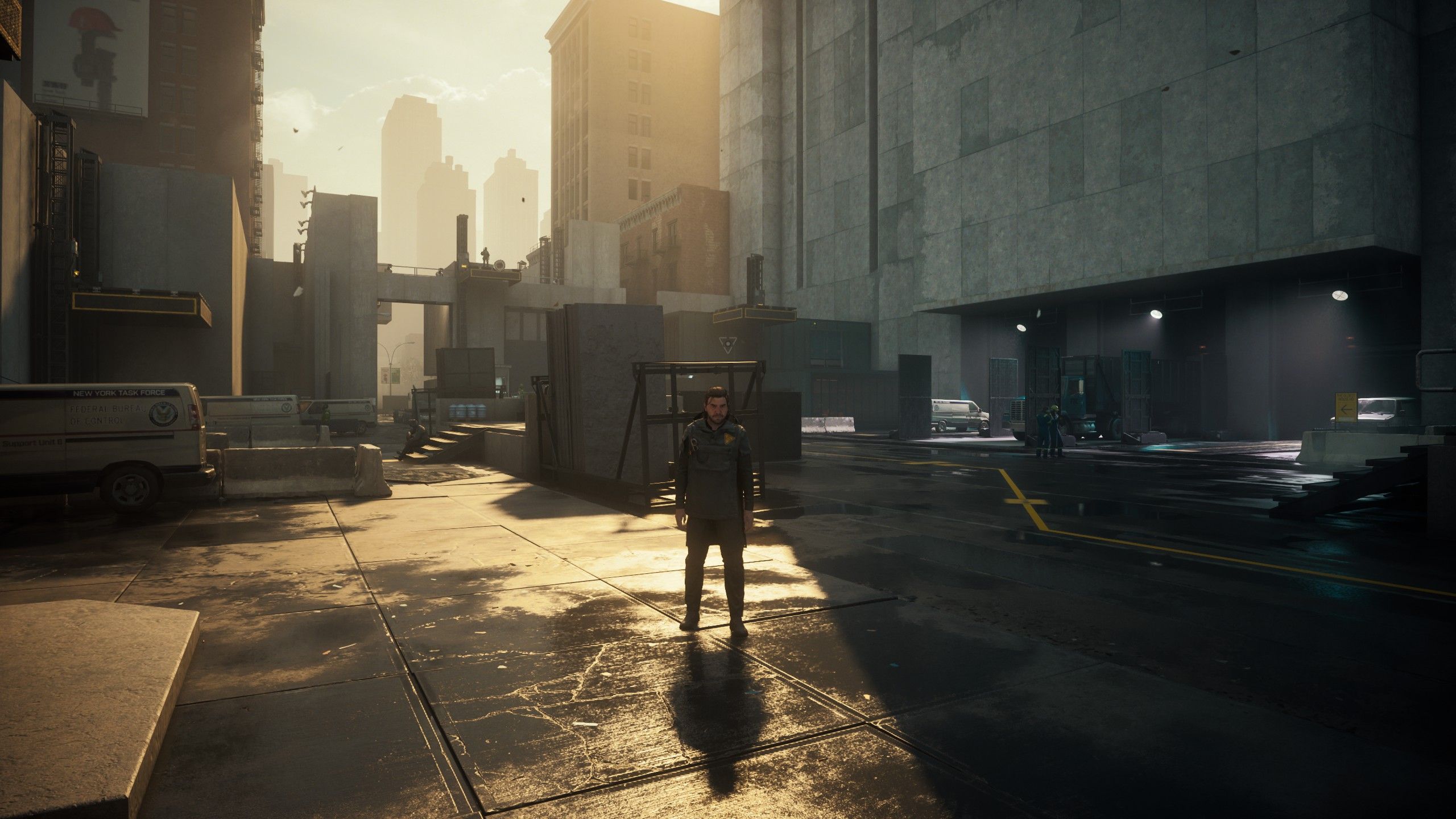
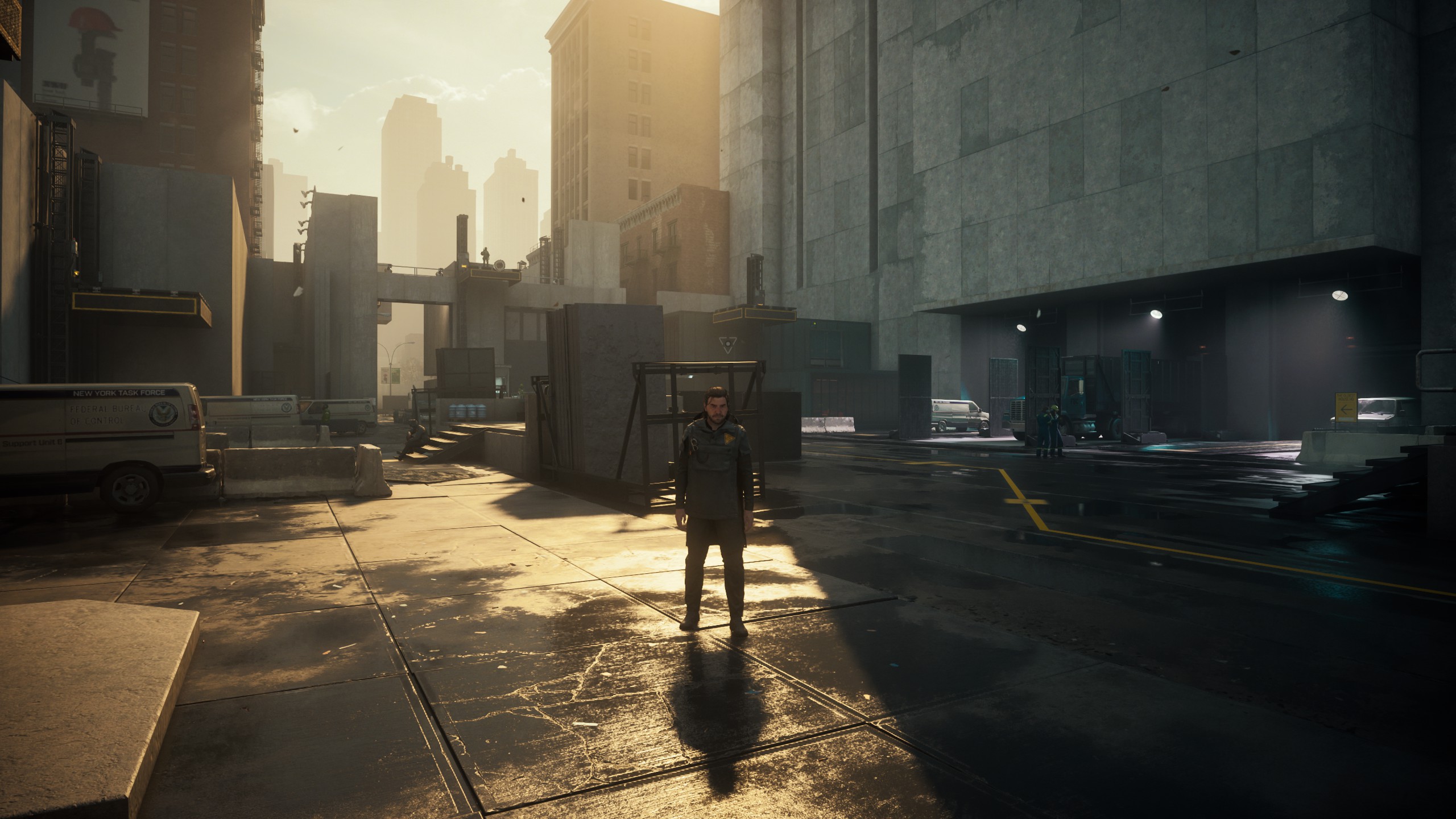
However, a paradigm shift is quietly taking place in the AAA development space—one championed by studios with a meticulous eye for art direction. Following rigorous early performance and image-quality testing of Remedy Entertainment’s upcoming title, Control Resonant, it has become abundantly clear that the industry is entering a new era. Remarkably, Control Resonant looks staggering, atmospheric, and mechanically robust even when every single slider is dragged down to its minimum threshold.
For budget-conscious gamers battered by the relentless inflation of graphics card prices, this realization is nothing short of a revelation. You no longer need a four-figure GPU to experience mind-bending, next-generation atmosphere.
Main Facts: The Anatomy of Control Resonant on Low Settings
When evaluating a modern blockbuster, the standard benchmarking metric usually involves measuring frame rates with ray tracing enabled, DLSS set to Quality, and every texture filter pushed to "Ultra." Yet, peeling back the layers of Control Resonant reveals a masterclass in how strong artistic direction can completely override brute-force graphical horsepower.
Key Takeaways from Early Performance Tests:
- The Test Conditions: Running at 1080p and 1440p resolutions using the "Low" graphics preset, completely devoid of ray tracing technology.
- Art Style Over Raw Poly Count: While background assets in the distance rely on strategic atmospheric haze to mask lower geometric detail, the core Manhattan streetscapes retain remarkable structural integrity.
- Dynamic Environmental Reactivity: The game’s semi-destructible world elements—crucial to Remedy’s signature kinetic combat—remain fully functional. Debris swirls dynamically in protagonist Dylan’s wake during sprints and scatters wildly during frantic firefights, even at minimum settings.
- The Trade-Offs: Predictably, dropping to low introduces certain visual compromises. Cutscenes reveal slightly more plastic-looking character models, and the occasional storefront sign suffers from low-resolution textures. Yet, these flaws virtually vanish when the game is experienced in active motion rather than static screenshots.
Chronology: How Remedy Built a Scalable Masterpiece
The journey toward creating a game that looks stunning on low settings is rooted in the evolution of Remedy’s proprietary Northlight engine and its iterative approach to rendering physics and lighting.
The Evolution of Remedy’s Engine Philosophy
- Pre-2019 (Quantum Break and Control): Remedy established a reputation for pushing hardware to its absolute limits. The original Control (2019) was famously utilized as a tech showcase for real-time ray tracing and DLSS, cementing the studio’s status as a graphical powerhouse that demanded robust PC hardware.
- The Post-Pandemic Hardware Crisis (2021–2023): As global supply chain issues drove graphics card prices to astronomical heights, developers faced a shrinking addressable market for high-end hardware. Studios began re-evaluating scalability to ensure games remained viable for the broader PC ecosystem.
- Development of Control Resonant (2024–Present): Remedy focused heavily on art-driven atmospheric design rather than relying solely on pixel density. By doubling down on lighting contrast, atmospheric haze, and particle physics, the studio engineered a world that projects immense scale and mood independently of heavy post-processing effects.
- Early Access and Benchmarking (Current Phase): Hardware analysts putting Control Resonant through its paces discovered that dropping settings to low yielded massive performance gains without sacrificing the core cinematic identity that defines the franchise.
Supporting Data and Technical Breakdown
To truly understand why Control Resonant succeeds where other games falter on low settings, one must analyze how modern rendering pipelines handle fidelity scaling.
| Graphical Setting / Metric | Ultra Preset (Reference) | Low Preset (Control Resonant) | Visual/Performance Impact |
|---|---|---|---|
| Global Illumination & Ray Tracing | Hardware-accelerated RT reflections and shadows | Screen-space approximations, baked lighting | Massive frame rate boost; preserves mood via sharp contrast between light and shadow. |
| Texture Filtering & Resolution | 4K/2K uncompressed assets | Compressed low-to-mid resolution textures | Noticeable up close on static signs, but imperceptible during high-speed combat. |
| Environmental Density & Physics | Full debris persistence, complex particle simulations | Optimized fragment counts, dynamic wake physics | Retains core gameplay feel and environmental interactivity while saving significant VRAM. |
| Distance Rendering (LOD) | Crisp long-range geometry | Strategic volumetric haze and fog occlusion | Masks distant rendering limitations while enhancing atmospheric mystery. |
The Triumph of Lighting and Contrast
What saves Control Resonant from looking like an unmitigated mess on low settings is its profound understanding of contrast. As Dylan navigates the neon-drenched, rain-slicked city streets, the interplay between piercing artificial light sources and deep, impenetrable shadows does the heavy lifting that high-poly models would normally handle.
Furthermore, the non-ray-traced shimmering puddles scattered across the pavement successfully fake reflections well enough to fool the casual eye. When combined with volumetric fog that gracefully obscures distant architectural imperfections, the world feels alive, oppressive, and vast—proving that atmosphere is often more powerful than raw pixel counts.
Official Responses and Industry Context
The implications of Control Resonant’s scalable performance have sent ripples across the hardware and development communities. Industry insiders and hardware reviewers have begun questioning whether the endless pursuit of "Ultra" settings has become an unnecessary trap for consumers.
Speaking on the shifting philosophy of PC game optimization, industry analysts point to historical precedents. A notable parallel can be drawn with titles like Halo: Campaign Evolved, which also famously retained a striking visual identity when scaled down to its bare minimums. However, hardware commentators note that Control Resonant elevates this concept further due to its complex physics engine and modern urban density.
"We are witnessing a long-overdue sanity check in game development," notes a leading hardware analyst. "For too long, studios used Ultra settings as a crutch, assuming that brute-force hardware would mask inefficiencies. When a developer builds a world with an unbreakable artistic vision, the low settings stop looking like a compromise and start looking like an intentional stylistic choice."
This sentiment echoes loudly within communities frustrated by current GPU pricing models. With flagship graphics cards commanding prices that rival entire pre-built systems, the necessity for robust, beautiful low-tier optimization has never been more urgent.
Implications: What This Means for the Future of PC Gaming
The success of Control Resonant on low settings carries profound implications for gamers, hardware manufacturers, and developers alike.
1. Relief for Budget-Conscious Gamers
The most immediate impact is financial. For years, players running mid-range or aging hardware (such as GTX 10-series or RTX 20-series cards) have felt increasingly alienated by AAA releases that demand upscaling technologies just to maintain a stable 60 FPS at 1080p. If major studios adopt Remedy’s approach—prioritizing scalable art direction over unoptimized graphical bloat—players can extend the lifespan of their current rigs by years.

2. A Shift in Developer Priorities
Developers may increasingly realize that optimizing for the lower-end baseline broadens their market reach exponentially without diluting the artistic integrity of their projects. A game that retains its mood and atmosphere on a budget laptop is a game that sells to a vastly wider demographic.
3. Redefining "Graphics Snobbery"
For hardcore enthusiasts and hardware reviewers conditioned to sneer at anything below "High," Control Resonant serves as a humbling reminder. It challenges the community to separate technical excess from aesthetic achievement.
As we look toward the future of hardware pricing and increasingly demanding game engines, Control Resonant offers a beacon of hope. It suggests that the golden age of PC gaming optimization is not entirely dead—it was simply waiting for developers brave enough to prove that beauty lives just as brightly in the shadows of the low preset.

