

By Ryan Epps
Published: September 24, 2026
Main Facts
The fantasy genre has long been defined by its explosive finales—monumental climaxes designed to leave readers awe-struck by cosmic scale and mythic spectacle. From the fiery reawakening of magic at the end of George R.R. Martin’s A Game of Thrones to the universe-altering godhood revelations in Brandon Sanderson’s Mistborn trilogy, authors frequently lean into grandiosity. Stephen King trapped readers in inescapable, existential loops with The Dark Tower, while Andrzej Sapkowski utilized metafictional continuity to cap off The Witcher.
Yet, decades after its publication, J.R.R. Tolkien’s The Return of the King achieves the single greatest ending in fantasy history by doing the exact opposite. Eschewing imperial proclamations or divine ascensions, Tolkien shrinks the lens of his sprawling, apocalyptic epic to a quiet front porch in the Shire. As a weary Samwise Gamgee steps inside, embraces his family, and sits down, Tolkien delivers a definitive closing phrase:
"Well, I’m back," he said.
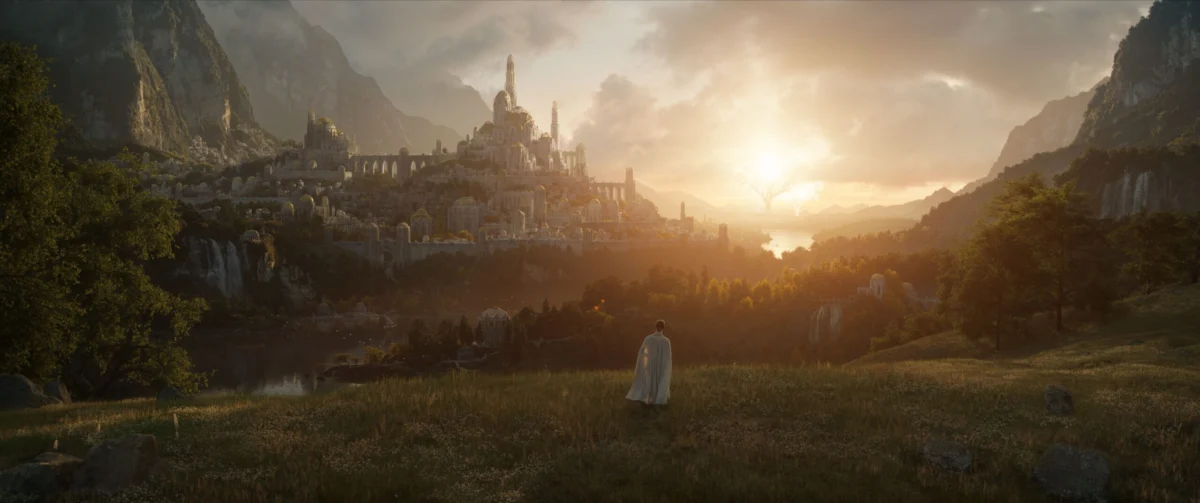
This radical, heart-wrenching simplicity stands as a masterstroke. Rather than rolling the credits on the coronation of King Aragorn or the geopolitical restructuring of Middle-earth, the true emotional climax of the Third Age rests in a humble hobbit returning to domestic life. It poses a timeless literary question: Can any fantasy epic ever truly stick the landing like The Lord of the Rings?

Chronology and Narrative Arc: Beyond the Crack of Doom
To understand the weight of Samwise Gamgee’s final words, one must trace the meticulously unwinding narrative arc of Tolkien’s third volume. The destruction of the One Ring in the fires of Mount Doom and the collapse of Barad-dûr do not signal an immediate, clean-cut happily-ever-after.
Instead, Tolkien maps out a sobering, deliberate descent from myth to reality:
- The Fall of Sauron: The titanic struggle ends not with a clean break, but with the harrowing escape of Frodo and Sam from the collapsing slopes of Orodruin.
- The Coronation and Partings: Aragorn is crowned King Elessar, and the Fellowship celebrates, but a lingering melancholy shadows the heroes. The age of magic is fading, and the Elves begin preparing for the West.
- The Scouring of the Shire: Upon returning home, the four hobbits discover that evil has not stayed neatly quarantined in Mordor. Saruman has industrialized and corrupted their idyllic homeland. The battle to save the Shire is fought not by kings and armies, but by ordinary hobbits taking back their own backyards.
- The Departure at the Grey Havens: Frodo realizes his psychic and physical wounds are too deep to be healed in Middle-earth. His departure for the Undying Lands leaves a permanent scar on Sam’s heart.
- The Return to Bag End: Sam walks back up the hill alone—save for his wife, Rosie Cotton, and their daughter, Elanor—opening the green door to a warm hearth and a crying baby.
Supporting Data and Literary Context: Forged in the Trenches
Tolkien’s insistence on a domestic resolution rather than a bombastic victory lap was not merely a stylistic choice; it was deeply rooted in his personal history. As a young British officer, Tolkien fought in the Battle of the Somme during World War I—one of the most devastating and mechanized slaughters in human history. He witnessed firsthand the horrors of industrial warfare and lost nearly all of his closest friends to the mud of the Western Front.
When the surviving soldiers returned to England, they were not triumphant demigods draped in laurel wreaths. They were shell-shocked, traumatized men tasked with picking up spades, returning to quiet towns, and resuming mundane jobs while carrying invisible psychological wounds.
Tolkien translated this lived reality directly into Middle-earth. He understood that the hardest part of surviving a war is not winning it, but living after it. The world does not freeze in place once the dark lord falls; history continues to turn, and its survivors must find a way to exist inside the wreckage of normalcy. By denying readers a mythic spectacle and handing the final word to a gardener from the Shire, Tolkien posits a profound truth: the ultimate purpose of an apocalyptic quest is not glory or power, but the simple right to return home.

Official Responses and Critical Legacy
Literary scholars, fantasy authors, and critics have spent decades analyzing the closing lines of The Lord of the Rings, viewing it as a pivotal turning point in modern speculative fiction.
While high fantasy traditionally mirrors medieval romance—where knights errant slay dragons and ascend to thrones—Tolkien’s conclusion subverts the trope. Critics often point out that Samwise Gamgee was offered songs and minstrel praise across the distant battlefields of Gondor. Yet, back home, he claims no throne, builds no monument, and seeks no political station. He chooses the soil over the crown.
Modern fantasy writers frequently cite Tolkien’s ending as the gold standard for emotional resonance. Where subsequent generations of grimdark and epic fantasy writers have focused on deconstructing politics, displaying graphic violence, or subverting expectations, few have successfully matched the quiet, earned catharsis of Sam’s homecoming. The phrase "Well, I’m back" has been universally embraced by critics as the ultimate thesis statement for the entire genre: even in the face of world-ending darkness, the most radical act of heroism is preserving the ordinary, beautiful details of everyday life.
Implications for the Fantasy Genre
The enduring impact of The Lord of the Rings finale carries significant implications for how modern storytelling approaches stakes and resolutions.
1. The Burden of Survival Over Victory
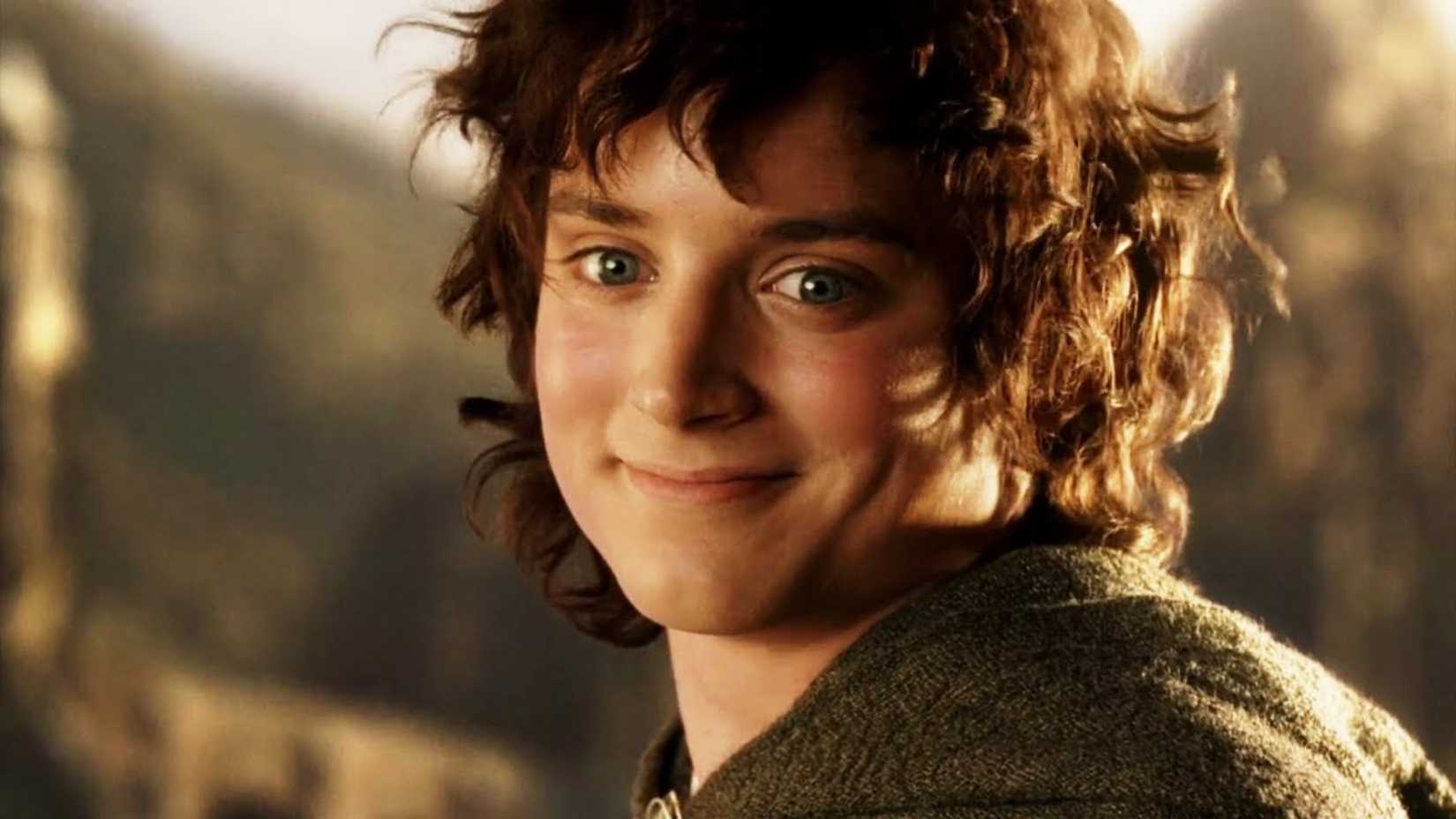
Many contemporary fantasy works treat the defeat of the antagonist as the definitive finish line, rarely exploring the psychological aftermath. Tolkien demonstrates that trauma outlives conflict. Frodo cannot un-see the shadow of the Ring; the Shire required active, painful liberation. By acknowledging that wounds remain even after peace is declared, Tolkien established a standard of emotional honesty that modern narratives ignore at their peril.
2. Redefining Scale
The fantasy genre is currently obsessed with escalation—multiverses, cosmic threats, and gods locked in eternal combat. Tolkien’s ending reminds creators that stakes do not need to scale infinitely upward to matter. The destruction of Middle-earth mattered precisely because it threatened a warm hearth, a pint at the Green Dragon, and a quiet evening with family. By scaling the ending down to a single doorway, Tolkien magnifies the emotional impact tenfold.
Conclusion
Seven decades after J.R.R. Tolkien completed his masterwork, hundreds of fantasy epics have attempted to capture the magic of Middle-earth. Yet, none have ever topped its final three words. Dark lords can fall, prophecies can be fulfilled, and magical rings can melt in the fire, but when the dust finally clears, someone still has to go home and live in the world left behind. After everything Samwise Gamgee endured, there remains something universally, timelessly satisfying about watching him finally do just that.

