

Introduction: The Evolution of VR Fighting Games
Virtual Reality has long occupied a space between high-end enthusiast hobbyism and niche experimental technology. For years, the barrier to entry—cost, hardware complexity, and physical space requirements—kept the medium from mainstream ubiquity. However, the landscape has shifted dramatically with the introduction of accessible hardware like the Oculus Quest 2, paired with wireless connectivity solutions like Air Link and Virtual Desktop.
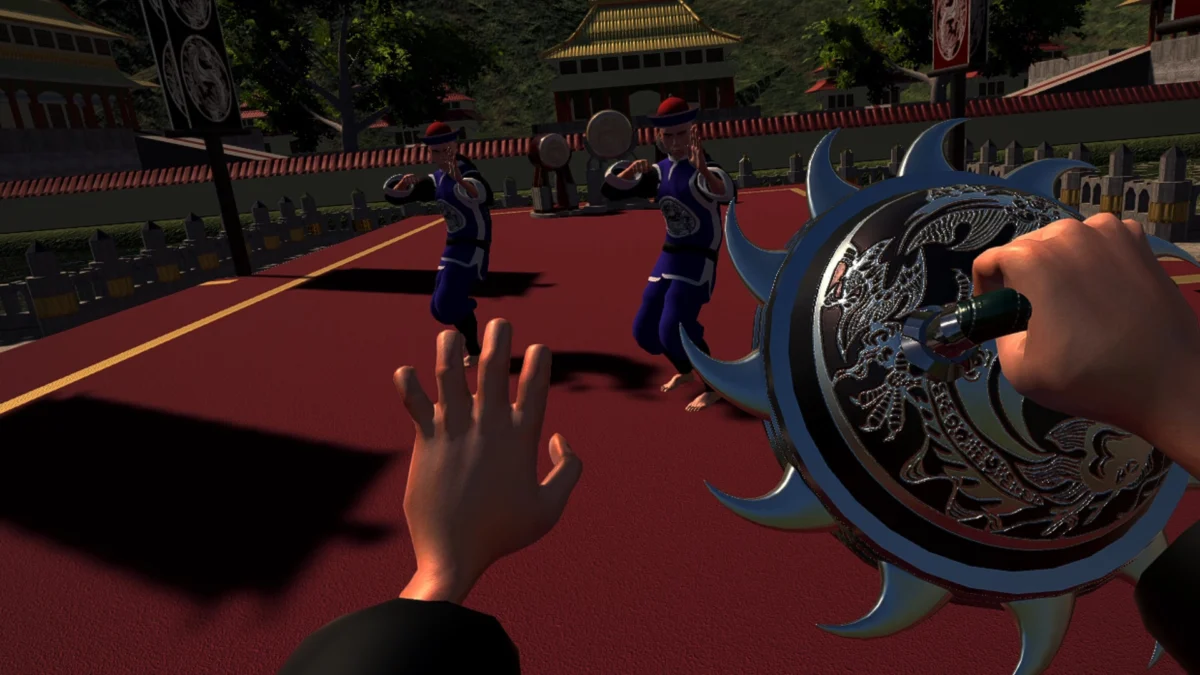
Within this burgeoning ecosystem, one title has emerged as a standout for its tactical depth and kinetic intensity: Dragon Fist: VR Kung Fu. Developed by Ben Oldfield and published by Clique Games, this title represents a pivot from "arcade-style" flailing to a more nuanced, anatomical approach to virtual combat. As we navigate the post-2021 gaming landscape, Dragon Fist serves as a primary example of how developers are solving the "controller-to-reality" disconnect in fighting games.
Main Facts: The Mechanics of Virtual Martial Arts
Dragon Fist: VR Kung Fu is a first-person fighting simulator that emphasizes precision over brute force. Unlike many VR titles that rely on simple "wiggling" mechanics to register damage, Dragon Fist demands an understanding of momentum and target acquisition.
The Anatomical Combat System
The core appeal of the game lies in its sophisticated damage model. The combat system tracks specific zones on the opponent’s body, rewarding players for strategic strikes rather than blind aggression. Key mechanics include:
- Precision Strikes: Players can execute a variety of attacks, including punches, palm strikes, and targeted finger jabs.
- Tactical Debuffs: The game’s engine registers hits based on location. A well-placed finger jab to the eyes results in temporary visual impairment for the AI, while a strike to the lower ribs creates a tangible debuff in the opponent’s stamina regeneration.
- The Difficulty Curve: Early levels may allow for a more forgiving, rhythmic approach, but as the player progresses, the AI becomes significantly more defensive. By the mid-to-late game, "swinging wildly" is a recipe for a swift knockout, forcing the player to adopt a genuine martial arts mindset of blocking, parrying, and counter-striking.
Chronology: The Development and Release Cycle
The journey of Dragon Fist reflects the rapid iterative nature of independent VR development.
- Initial Development (2020–2021): The title began as a passion project focused on recreating the visceral feeling of classic Hong Kong cinema martial arts films. The developer sought to capture the "feel" of a fight rather than a rigid simulation.
- Early Access Phase: Throughout 2021, the game underwent rigorous playtesting via the Steam Early Access program. This period was crucial for refining the tracking algorithms, as the community provided feedback on how the game handled rapid, high-intensity movements.
- December 2021 Release: The game officially entered the broader public consciousness in late 2021, coinciding with a surge in VR headset sales during the holiday season.
- Post-Launch Optimization: Since its launch, the developer has consistently updated the game to account for better hardware optimization, ensuring that the movement tracking remains as seamless as current headset technology allows.
Supporting Data: The VR Hardware Context
To understand the success of Dragon Fist, one must look at the hardware shifts that made it possible.
The Quest 2 Revolution
The Quest 2 changed the demographic of VR gaming. By removing the need for a tethered PC (or by offering a seamless wireless bridge for those who choose to use one), developers were finally able to target an audience that prioritized convenience.
The "Workout" Metric
One of the most compelling data points surrounding Dragon Fist is its adoption within the "VR Fitness" community. While not marketed strictly as a fitness app (like Supernatural or FitXR), the game’s requirement for constant movement, ducking, and reaching makes it an effective aerobic exercise. Users report heart rate spikes comparable to shadowboxing sessions. Because the game requires sustained, controlled movement to land successful combos, it naturally leads to a higher calorie burn than games that rely on static standing or button-based interactions.
Official Responses and Developer Philosophy
Ben Oldfield, the creator behind Dragon Fist, has been vocal about the challenges of translating Kung Fu to a digital space. In various developer logs and community interactions, the philosophy has remained consistent: "The player should feel like a martial artist, not a controller-wielder."

Addressing the limitations of current tracking technology, Oldfield has noted that the biggest hurdle is "occlusion"—the moment when a headset’s cameras lose track of the controllers because they are moving too fast or are obscured by the body. To combat this, the game utilizes sophisticated predictive algorithms that "guess" the intended trajectory of a punch, allowing the game to feel responsive even when the hardware is struggling to keep pace.
The developer’s engagement with the community has been a cornerstone of the game’s growth, with regular updates incorporating new character archetypes—each with unique "Special Moves" that force players to adjust their defensive strategies accordingly.
Implications: The Future of VR Fighting
The success of Dragon Fist carries several implications for the future of the VR medium:
1. The Death of Button Mashing
Dragon Fist proves that gamers are ready for high-fidelity physical interaction. Future fighting games will likely move away from traditional input methods and further toward gesture-based combat. This necessitates better haptic feedback, as the primary complaint in the genre remains the lack of "impact" when a punch connects with a virtual foe.
2. Physicality as Gameplay
We are seeing a convergence of gaming and physical wellness. Titles like Dragon Fist demonstrate that a game doesn’t need to be a "fitness app" to be a workout. The industry is moving toward a model where the exertion is a feature, not a byproduct.
3. The Hardware Barrier
While wireless connectivity (Air Link) has made games like this accessible, the "tracking lag" mentioned by users remains the final boss of VR development. The implication here is that until "inside-out" tracking technology matures further, developers will need to continue writing clever software workarounds to maintain the illusion of seamless combat.
Conclusion: A Must-Play for the VR Enthusiast
Dragon Fist: VR Kung Fu is more than just a game; it is an experience that demands a marriage of mental strategy and physical discipline. While it is not without the minor frustrations inherent to current-gen consumer VR hardware—such as tracking discrepancies during high-speed flurries—the overall package is a masterclass in independent design.
For those looking to move beyond the shallow experiences often found in VR app stores, Dragon Fist offers a deep, rewarding, and physically taxing dive into the world of martial arts. Whether you are a fan of classic Kung Fu cinema or simply a VR user looking for a game that respects your intelligence and your stamina, this title stands as a definitive milestone in the evolution of the genre. As we look toward the future of the metaverse and immersive gaming, it is titles like this—those that prioritize the player’s physical intent—that will lead the way.

