

Introduction: The Death of the "Play" Button and the Rise of Wardogs
In the modern landscape of first-person shooters, pressing "Play" usually triggers a familiar, sterile ritual. A matchmaking algorithm calculates your skill tier, shoves you into a temporary lobby with strangers you will never see again, and dissolves the group the exact second the match concludes. For millions of players, this automated convenience feels less like a feature and more like a corporate leash.
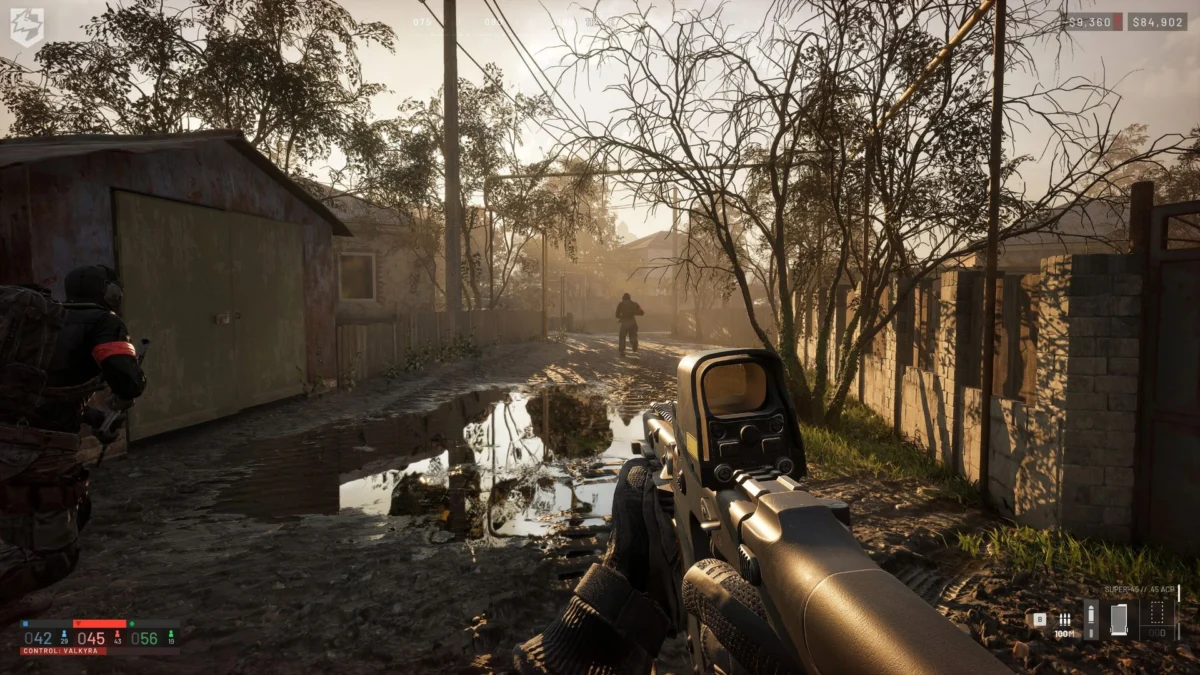
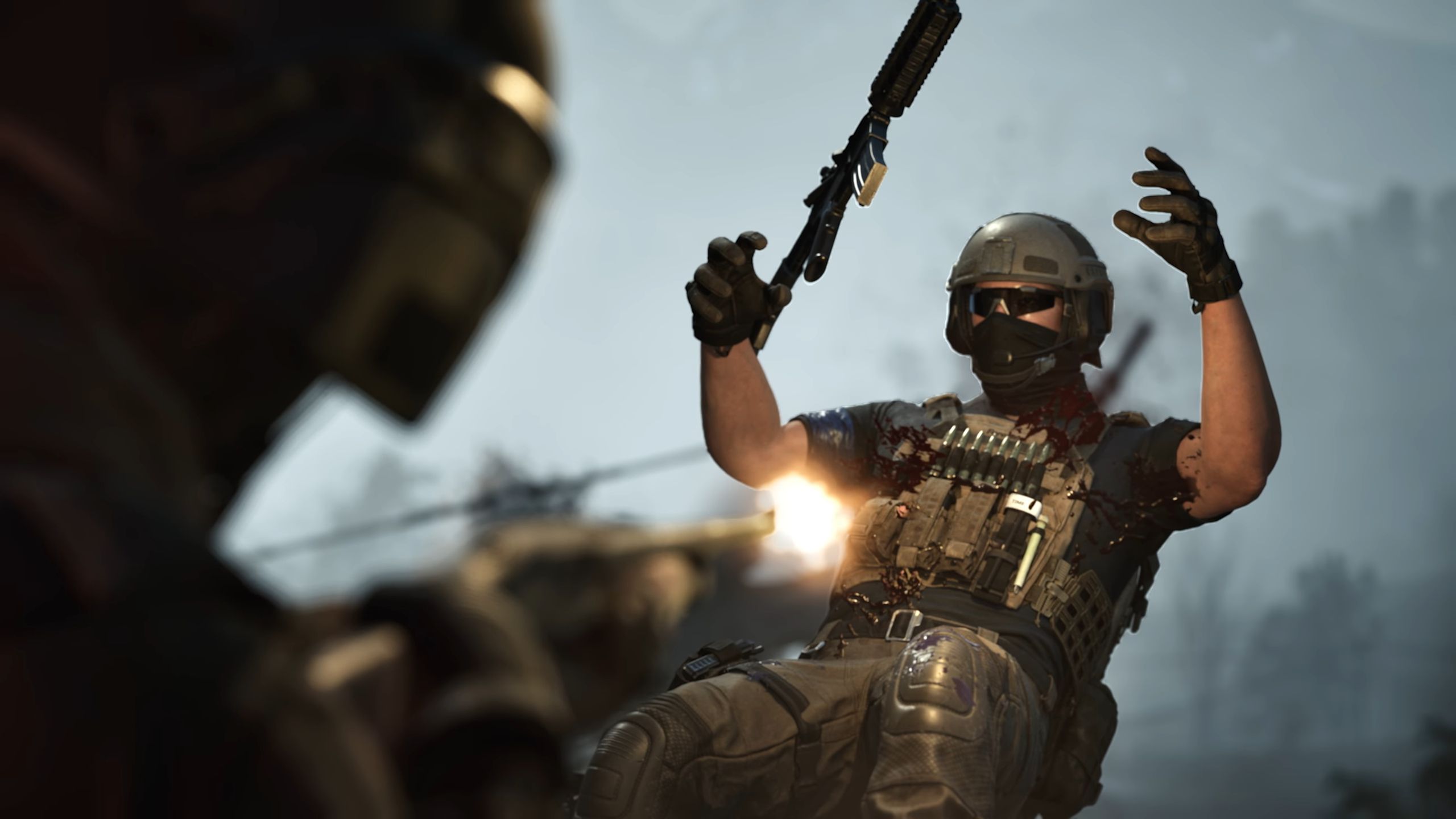
However, a quiet rebellion is brewing across the PC gaming ecosystem. Wardogs, a gritty, round-based military simulation shooter developed by Bulkhead, has captured the imagination of the global FPS community. Combining tactical depth, an in-match economy reminiscent of classic competitive shooters, and large-scale "all-out warfare" reminiscent of the golden era of the genre, Wardogs is shattering concurrent player records for its niche.
Yet, the secret behind its explosive popularity isn’t just its gunplay or its vehicular combat—it’s something retro, revolutionary, and strangely absent from most modern AAA releases: a fully functional, old-school server browser. As players flock to Wardogs in droves to fill the Battlefield-shaped hole in their gaming routines, the game has exposed a widening chasm between what players actually want and what mega-publishers are willing to provide.
Main Facts: What Wardogs Gets Right
At its core, Wardogs rejects the homogenized matchmaking pipelines favored by modern blockbusters. Instead, it places the power of server discovery directly into the hands of the player base.
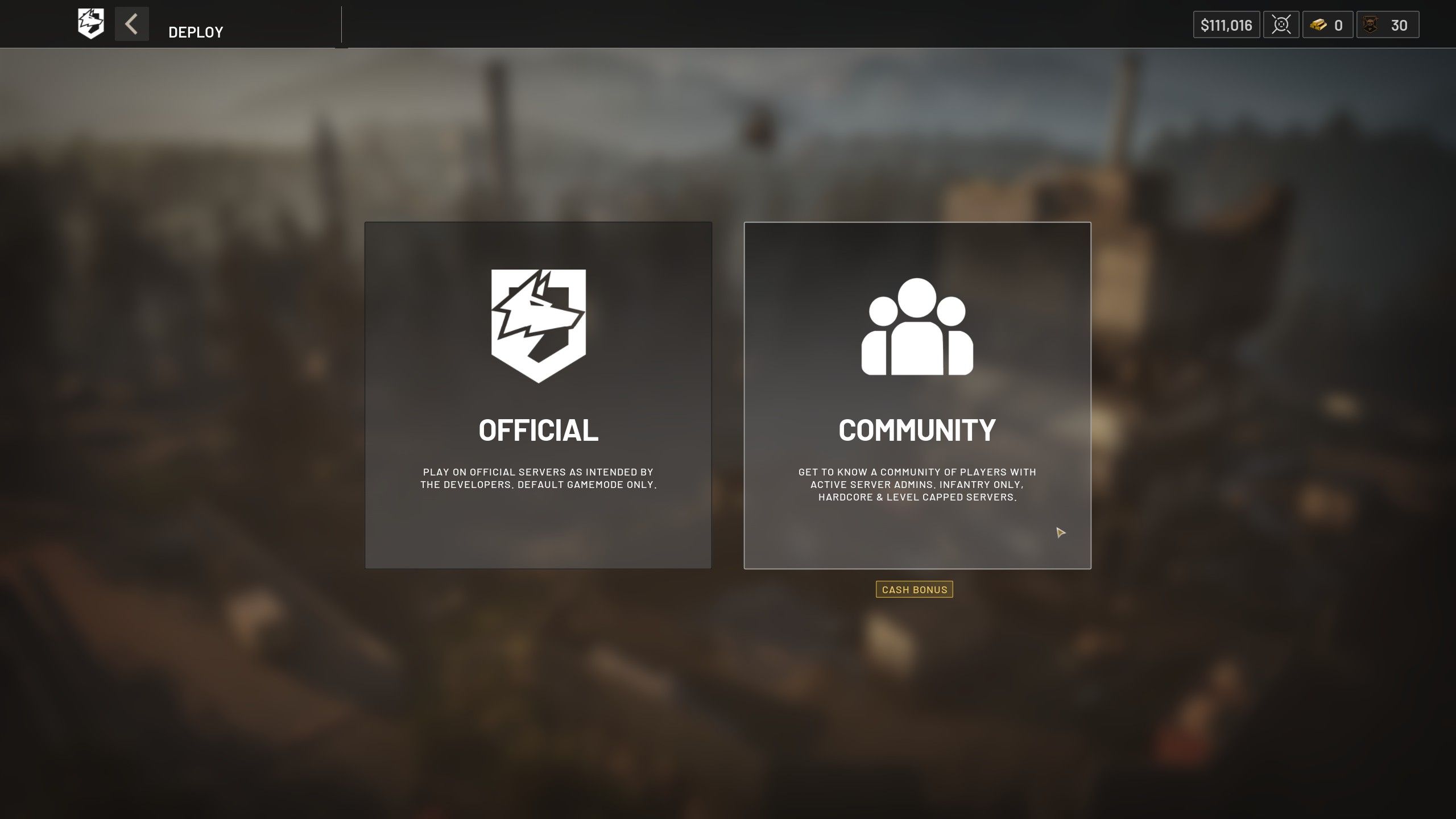
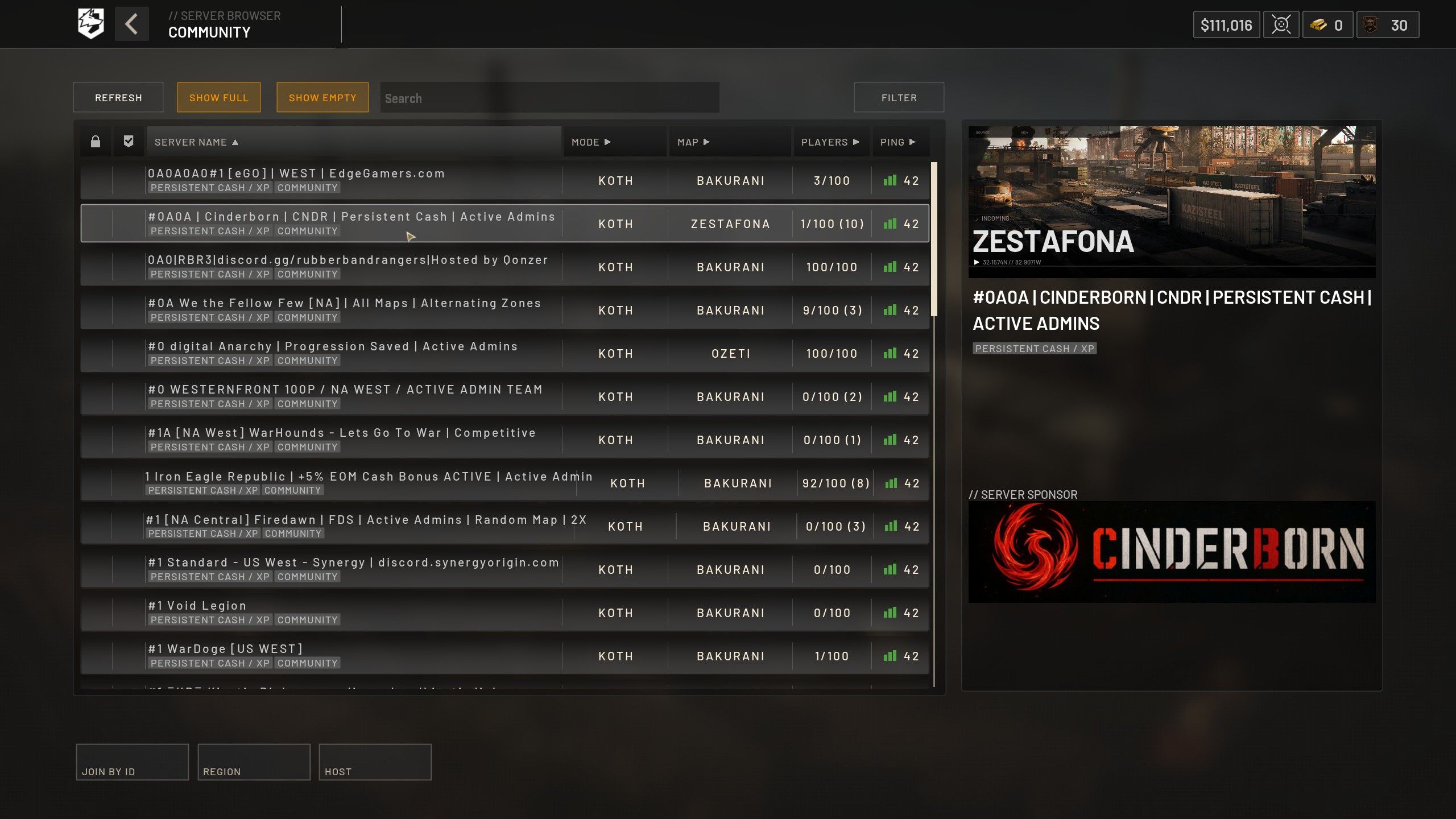
When users boot up the game, they are greeted not by a suffocating, Netflix-style grid of promotional tiles, but by an honest-to-goodness server list. This interface allows players to sort available games by:
- Geographic region and ping
- Active player counts and queue lengths
- Specific maps and rotations
- Customized rulesets and gameplay modifications
Furthermore, the game features a dedicated community section. Here, players and clans can rent persistent servers from third-party vendors, fostering environments where regular players can form communities, build rivalries, and establish digital homes.
This model avoids the frustrating pitfalls of modern algorithmic matchmaking: lobbies do not arbitrarily disband after every single round, skill-based algorithms don’t dictate every single engagement, and players retain the autonomy to choose precisely how and with whom they want to play. In an era where AAA titles treat users like consumers in a fast-food drive-thru, Wardogs treats them like a community.
Chronology: The Erosion of Player Choice in AAA Shooters
To understand why the success of Wardogs’ server browser feels so monumental, one must look back at how the industry systematically stripped away player-hosted infrastructure over the past decade and a half.
The Golden Age of Dedicated Servers (Early 2000s – 2010s)
For the first fifteen years of online PC gaming, dedicated servers were the gold standard. Games like Counter-Strike, Unreal Tournament, Team Fortress 2, and early entries in the Battlefield franchise relied on community-rented or developer-hosted servers. Players memorized their favorite server IPs, chatted with local admins, and enjoyed a stable, predictable multiplayer ecosystem.
The Matchmaking Shift (Mid-2010s – 2020)
Driven by the console market’s need for frictionless onboarding and the rise of strict monetization models, publishers began migrating toward skill-based matchmaking (SBMM) and automated server provisioning. Call of Duty largely spearheaded this shift on PC, phasing out server browsers entirely in favor of rapid, behind-the-scenes matchmaking.
The Battlefield 6 "Portal" Compromise (2025 – Present)
By late 2025, Electronic Arts and DICE faced mounting pressure from franchise loyalists demanding a return to community servers. In response, EA heavily marketed Battlefield 6’s "Portal" system, insisting it would satisfy the community’s cravings.
However, Portal did not support third-party server providers. Instead, it offered semi-persistent lobbies spun up dynamically through EA’s walled garden. At launch, the system buckled under its own weight: bugs plagued the custom rules, legitimate communities were buried under thousands of XP-farming bot lobbies, and the overall experience failed to replicate the organic longevity of classic server architectures.

Supporting Data: The Failure of Walled Gardens vs. Open Browsers
The contrast between EA’s theoretical limitations and the reality of Wardogs’ implementation provides telling data on modern multiplayer design.
When DICE lead producer David Sirland defended the absence of a traditional server browser in Battlefield 6, he pointed to technical hurdles:
"Matchmaking servers spin up in seconds (get filled with players), and spin down after the game is over. That couple of seconds, plus when servers lose a lot of players, mid-game is the only time you can join, which makes it a tricky combination (and full of queuing to join issues)."
However, the massive concurrent player numbers enjoyed by Wardogs completely debunk the notion that manual browsing is an outdated or unviable model for modern populations.
- Queue Times: In Wardogs, despite managing massive 100-player matches, active servers are so numerous that finding an opening takes mere seconds.
- Player Retention: Because players can cycle effortlessly into ongoing matches and track their favorite communities, average session lengths and player retention rates have consistently outperformed industry projections for indie tactical shooters.
- Moderation Efficiency: Community-run servers in Wardogs utilize human administrators who can ban cheaters, trolls, and griefers significantly faster than sluggish, automated anti-cheat tools or report queues.
Official Responses and Industry Reactions
The success of Bulkhead’s infrastructure gamble has sent ripples through the development community, prompting renewed debates across social media platforms regarding player autonomy.
Industry analysts have pointed out that the omission of traditional server browsers in modern AAA games is rarely a technical limitation. Rather, it is a deliberate choice by publishers seeking centralized control over user data, monetization pipelines, and matchmaking metrics.
When developer commentary from DICE regarding "queuing issues" is stacked against the seamless operation of Wardogs, public sentiment has turned overwhelmingly critical of mega-publishers. Players have taken to forums like Reddit and X (formerly Twitter) to demand that major studios abandon their aversion to open server architectures.
Despite its triumph, Wardogs is not entirely without growing pains. Being an early access title, its server browser still lacks polished creature comforts:
- Basic quality-of-life features, such as reliable server favoriting and tiered queueing systems, are still in active development.
- Group-joining mechanics remain cumbersome, often separating friends trying to enter large matches together.
- Server administrators are still lobbying developers for deeper diagnostic and management tools.
Nevertheless, these shortcomings have done little to dampen enthusiasm. Even in its imperfect state, the infrastructure offers a more legitimate, functional community framework than anything EA managed to deploy for its flagship franchise.
Implications: What Wardogs Teaches the Rest of the Industry
The unexpected triumph of Wardogs carries profound implications for the future of the first-person shooter genre.
First, it proves that the PC gaming audience has not abandoned the desire for community-driven spaces. For years, publishers operated under the assumption that modern gamers—particularly younger demographics accustomed to mobile and console matchmaking apps—would reject manual server lists as too archaic or complicated. Wardogs has decisively disproven this theory, demonstrating that transparency and control are powerful magnets for player loyalty.
Second, it highlights a fatal flaw in corporate risk aversion. By attempting to engineer every second of the player experience through algorithmic matchmaking and walled-garden portals, giants like EA have inadvertently sterilized their games. They strip away the organic social friction that turns casual players into lifelong fans—the local rivalries, the familiar faces on recurring servers, and the feeling of belonging to a distinct digital community.
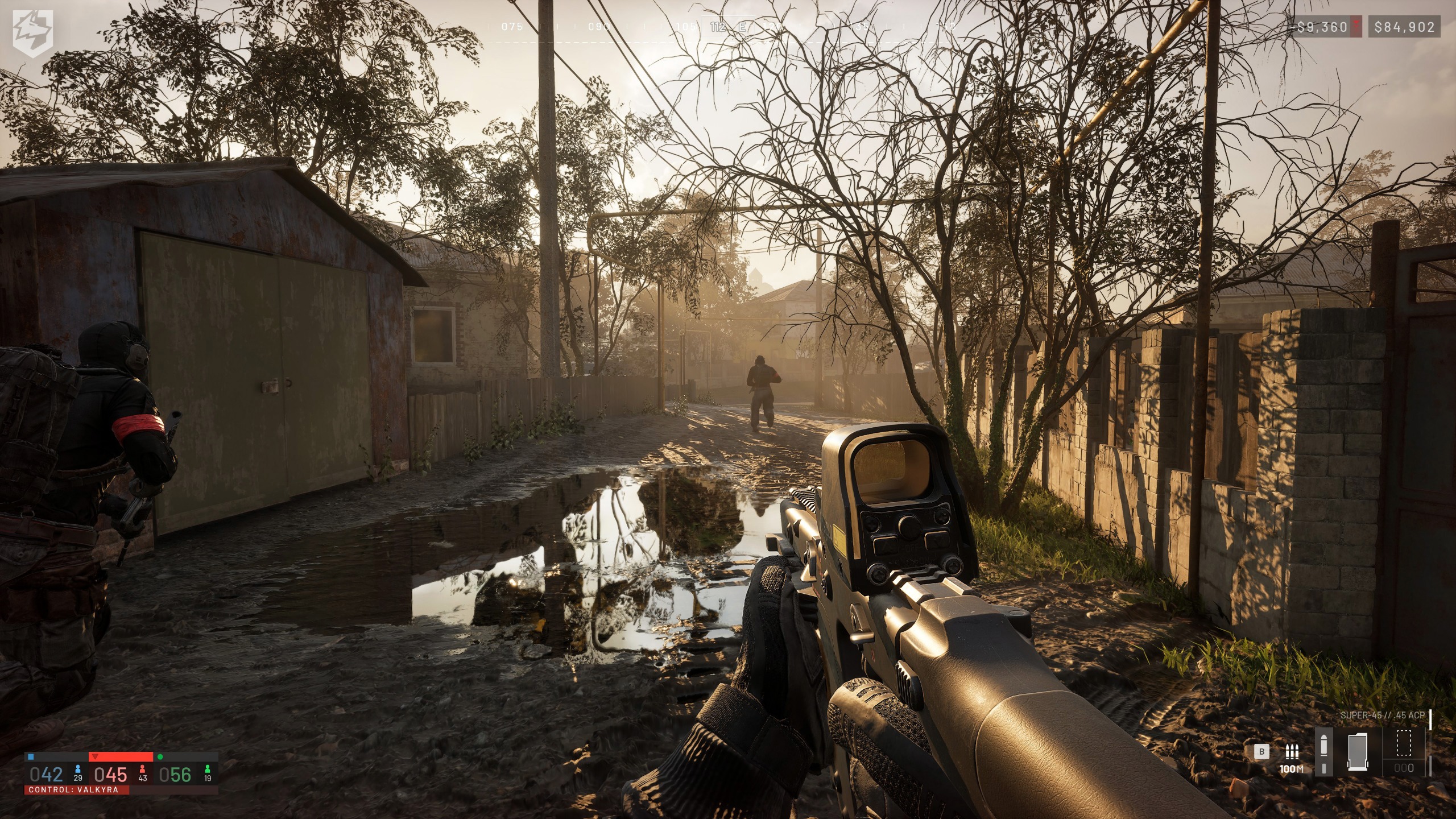
As Wardogs continues to scale and capture market share, the ball is firmly in the court of AAA developers. If a smaller team like Bulkhead can successfully implement a robust, community-forward server browser that satisfies millions of tactical FPS enthusiasts, multi-billion-dollar studios no longer have any excuse to keep players locked inside automated matchmaking pipelines.
The industry at large would do well to look past the spreadsheets of engagement metrics and remember a fundamental truth of PC gaming: sometimes, the best thing a developer can do is simply open the server door, step aside, and let the players play.

