

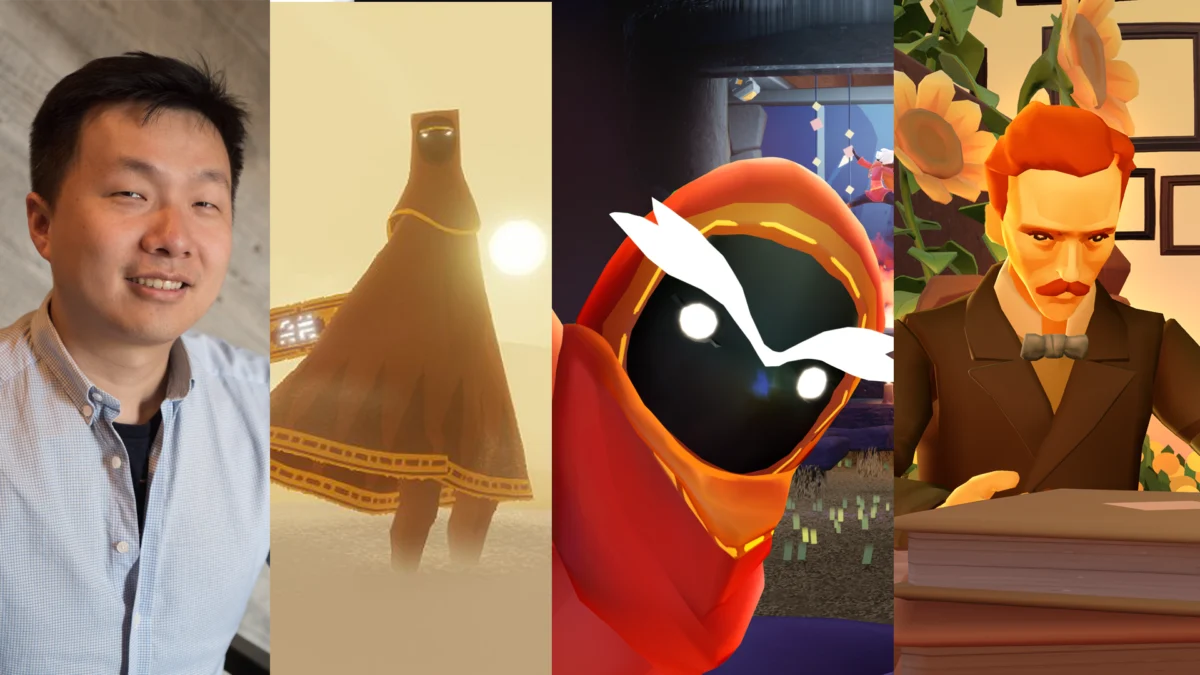
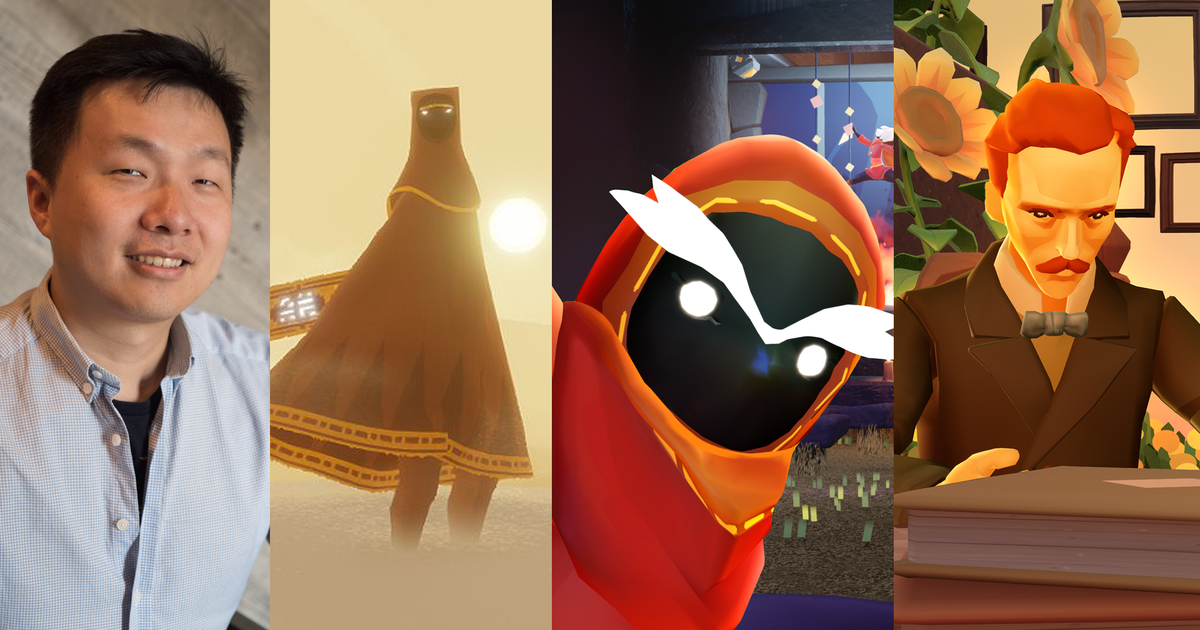
For Jenova Chen, the co-founder of Thatgamecompany, the path to becoming a visionary in the interactive entertainment industry was never a foregone conclusion. In his youth, growing up in Shanghai, the cultural perception of video games was bleak. They were categorized alongside gambling, soft-core pornography, and senseless violence. To tell one’s parents that a career would be built on the back of game development was, at the time, an invitation to familial shame.
Today, as Thatgamecompany celebrates its 20th anniversary, the landscape has shifted entirely—a transformation catalyzed in no small part by Chen’s own refusal to adhere to the industry’s "gun-first" status quo. From humble, scrappy student projects to the sprawling, multi-million-user social ecosystem of Sky: Children of the Light, Chen’s career has been an ongoing rebellion against the notion that games must be aggressive to be successful.
The Genesis: Finding Zen in the Shadow of Columbine
Chen’s entry into game design was dictated by necessity rather than a lifelong calling. While studying filmmaking at the University of Southern California (USC), his sights were set on Pixar. He wanted to direct animated films. However, a tuition-funded gaming innovation grant changed his trajectory.
The timing was critical. Following the 1999 Columbine High School massacre, the mainstream media had launched a fierce offensive against video games, labeling them as catalysts for violence. USC sought to challenge this narrative by funding projects that offered a direct antithesis to the industry standard, specifically the hyper-violent Grand Theft Auto: San Andreas.
"I really needed the money to be able to pay my tuition," Chen recalls. "I was like, ‘What is the opposite of Grand Theft Auto?’"
The result was Cloud (2005), a meditative experience centered on a boy dreaming of flight from the confines of a hospital bed. It was a deeply personal project, informed by Chen’s own childhood battle with severe, chronic asthma. Frequent, isolating hospitalizations had forced him to look outward, cultivating a vivid imagination as a survival mechanism. This "Zen-like" approach—prioritizing emotional resonance over combat—would become the DNA of Thatgamecompany.

A Chronology of Artistic Defiance
The studio’s rise was anything but straightforward. After graduating in 2006, Chen and co-founder Kellee Santiago faced a industry that was largely uninterested in "emotional" games.
- 2005–2007: The Sony Pivot. After being flatly rejected by major publishers like Valve—who famously noted that their players "only liked to shoot"—Chen caught a break through the emergence of the PlayStation Network. Sony, desperate to differentiate its digital store from Microsoft’s Xbox Live, sought high-art, adult-oriented content.
- 2007: The Launch of Flow. Originally Chen’s thesis project at USC, Flow explored the psychological state of "the zone" in sports. It marked the first collaboration between Chen and composer Austin Wintory. "I said, ‘Here’s 500 bucks, can you make this?’" Chen laughs, noting Wintory was the most affordable talent available at the time.
- 2009: Flower. Inspired by the loneliness of living in the Bay Area and the sensory overload of driving through the California countryside, Flower invited players to control the wind. It remains, in Chen’s estimation, his purest work—an impressionistic expression of his feelings during a period of intense transition.
- 2012: Journey. The studio’s magnum opus was born from Chen’s struggle with isolation as a foreign student. He recounted a pivotal experience in World of Warcraft where he shared a moment of wordless connection with a stranger at a waterfall. That brief, transcendent moment became the blueprint for Journey’s revolutionary multiplayer system, which prioritized cooperation without traditional communication.
- 2019: Sky: Children of the Light. Facing the financial limitations of the premium, console-exclusive model, Chen transitioned to mobile and free-to-play. The project evolved over years, shifting from a two-hour cinematic experience to a sprawling, live-service social platform that has since seen over 300 million downloads.
The Price of Innovation: Financial Reality and Hard Lessons
The path of an innovator is often paved with financial peril. Despite the critical acclaim of Journey, the studio nearly collapsed. Because Sony wouldn’t approve a three-year development cycle, the team attempted to deliver the game in two, eventually burning through all their savings. By the end, Chen was $200,000 in personal debt.
"You’re the fastest-selling game on the PlayStation Network, and the company is still out of money," Chen reflects. "Who’s at fault?" This led to a crucial introspection. As CEO, Chen realized that exclusive, platform-locked content had limited their reach. By placing a high financial barrier to entry, they were cutting off half their potential audience, particularly women and younger players.

The transition to Sky was a response to these structural failures. The team had to pivot from a premium product to a freemium model under pressure from partners like Apple. While the process was grueling—taking four years of development and two years of business model adjustment—it ultimately transformed Thatgamecompany from a boutique developer into a platform holder.
Official Perspectives: The "Dear Van Gogh" Milestone
As the studio celebrates its 20th year, it is pushing the boundaries of what a game can be once again. Launching on July 17, Dear Van Gogh is an immersive, in-game installation within Sky. It is not a traditional level, but a "living canvas" that allows players to walk through the world of the post-impressionist painter.
The research for this project was extensive, taking the team to Europe to track the painter’s life. What they found, however, shifted the project’s focus. Chen became captivated by the unsung support network provided by Vincent’s brother, Theo, and Theo’s wife, Johanna.

"I was deeply moved by the stories behind the family," says Chen. "We wanted to expose the story of the people behind the art. They’re all Van Goghs." This commitment to narrative depth, delivered via the same engine that powers their social interactions, highlights the studio’s evolution. Sky is no longer just a game; it is a digital museum, a concert hall, and a community space.
Implications for the Future of Interactive Media
The trajectory of Thatgamecompany serves as a case study for the maturation of the video game medium. Twenty years ago, the industry was a closed loop of combat-heavy loops. Today, it is a canvas for human connection, historical education, and artistic expression.
The success of Sky—with its 20 million monthly active users—suggests that there is a massive, underserved market for non-violent, emotionally resonant experiences. Chen’s vision of a "platform for emotion" is becoming a reality. He envisions a future where third-party developers might one day build their own experiences within the Sky engine, turning the studio’s proprietary technology into a democratized space for storytelling.

For Chen, the journey has come full circle. The child whose parents feared his medium would corrupt him has created a space where hundreds of millions of people go to find beauty, comfort, and, most importantly, each other. In a world increasingly defined by digital distance, the work of Thatgamecompany proves that the most powerful connection in a game isn’t found in a weapon, but in the silent, shared appreciation of a waterfall or the collective experience of a virtual concert.
The stigma that once haunted Chen’s early ambitions has been replaced by a new, more profound reality: video games have finally grown up, and in doing so, they have found their soul.

