

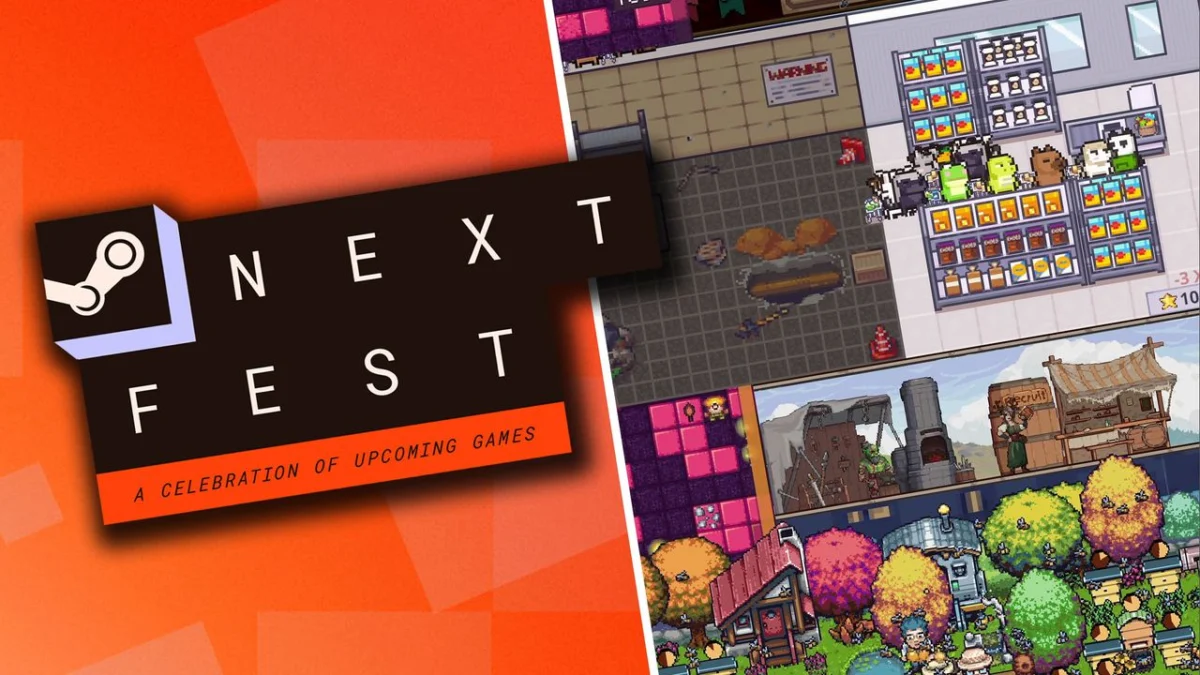
Steam Next Fest has long been the crown jewel of the digital gaming calendar—a biannual celebration of indie ingenuity where developers can place their work directly into the hands of millions. However, as the platform has grown, so too has the scale of the event. The most recent iteration of Steam Next Fest in 2026 has transformed from a curated exhibition of promising gems into a gargantuan, sprawling marketplace that mirrors the frantic energy of a warehouse club. For the average player, the sheer volume of content is no longer just a luxury; it has become a logistical hurdle that threatens to drown the very games it aims to highlight.
The Magnitude of the Problem: By the Numbers
The statistics surrounding the 2026 event are staggering. With thousands of demos available, a user would theoretically need to spend 90 straight days—playing for 30 minutes per title—just to sample the entire catalog. For the casual enthusiast looking for a quick "second-screen" idler or a low-stress management game, the interface acts less like a showcase and more like a haystack with thousands of needles, most of which look identical to the naked eye.
This "Costco effect"—where the abundance of free, bite-sized samples leads to sensory overload and, eventually, a total refusal to engage—is a significant pain point for the community. When faced with nearly 500 idle game demos, traditional search filters often fail to capture the nuanced "vibe" that players seek. The result is a paradox of choice: the more options a player is given, the less likely they are to make a definitive decision.
A Radical Approach to Discovery
In an effort to cut through the digital noise, a growing segment of the gaming community—including this author—has turned to extreme, "brute force" methods of curation. Rather than methodically reading store descriptions and watching trailers, some players have adopted a "mass download and cull" strategy.
This process involves downloading dozens of titles simultaneously and launching them in a windowed, tiled format on a secondary monitor. By allowing the games to compete for attention in real-time, the player can instantly identify which titles offer the most engaging feedback loops and the most aesthetically pleasing "idle" visuals. However, this high-octane discovery method is not for the faint of heart. It creates a chaotic auditory landscape of chirping farm animals, repetitive UI clicks, and lo-fi soundtracks that can turn a home office into a digital cacophony. While effective, this "trial by fire" approach highlights a fundamental flaw in the current Steam discovery algorithm: when the sheer volume of content is too high, users are forced to ignore the developers’ carefully crafted marketing materials in favor of rapid, superficial engagement.
The Rise of the Desktop Companion
Despite the chaos, the search for the "perfect" idle game remains a vital pursuit for many. In a world of high-stress competitive shooters and demanding live-service titles, the idle genre offers a necessary respite. Players are increasingly gravitating toward "desktop companion" style games—low-impact, visually rewarding experiences that sit in the corner of a screen, providing a sense of progress or completion without requiring constant input.
These games are the modern equivalent of a fidget spinner; they provide a small hit of serotonin during long work hours or periods of downtime. When a game succeeds in this space, it does so by respecting the player’s time, offering a sense of order—such as a finished collection or a decorated digital room—that stands in stark contrast to the overwhelming chaos of the Steam store itself.
Professional Curation vs. Algorithmic Suggestions
The shift toward massive, unfiltered events like Steam Next Fest has sparked a debate about the role of human curation. While Valve’s algorithms are designed to surface games based on user tags and play history, they often struggle to distinguish between a "soulful" indie project and "AI-slop"—games generated with minimal effort or designed primarily to harvest data or microtransactions.
Developers who create games with genuine intent—those who understand that players need a "brain treat" rather than an engagement trap—are finding it harder to be heard over the noise. The 11 titles that survived this week’s "mass download" experiment were those that prioritized clarity, artistic cohesion, and, above all, respect for the player. They were not designed to be "sticky" in the predatory sense; they were designed to be companionable.
Implications for the Future of Steam
The current iteration of Steam Next Fest presents a significant challenge for Valve. If the festival is to remain the industry-defining event it once was, the company must address the "quality-to-quantity" ratio. Several potential solutions have been proposed by developers and industry analysts:
- Tiered Exhibition: Implementing a tiered system where "featured" developers—those with high-quality, polished demos—are given greater visibility, while newer, less-tested titles are grouped into a secondary, "discovery-focused" pool.
- Enhanced Community Curation: Empowering trusted curators and gaming journalists to create "themed" collections that users can follow, rather than forcing individuals to navigate the entire database.
- Time-Limited "Curated Drops": Instead of releasing all demos at once, a rolling release schedule could allow users to focus on specific genres or themes over the course of the festival, preventing the feeling of being overwhelmed.
A Final Thought on the "Idle" Experience
As we look toward the conclusion of the 2026 festivities on June 22, it is worth remembering why we engage with these events in the first place. We are not just looking for content to consume; we are looking for the next "small thing" that adds a bit of joy to our daily routine.
The sheer volume of Steam Next Fest is a testament to the incredible health and diversity of the indie game scene. It is a golden age for developers, but a challenging era for players. If you are currently feeling the weight of the "thousands of demos" problem, take a breath. You don’t need to play them all. Focus on the ones that offer you a moment of peace, a bit of color, or a simple task to complete. And if you find a gem, share it. In a digital Costco this large, a recommendation from a friend is the only map worth following.
The festival remains open for a few more days, and the "filtered results" tab remains the best tool at your disposal. Just remember: if you decide to try the "launch 45 games at once" method, perhaps keep your volume muted. Your PC—and your sanity—will thank you.

