

Main Facts
The multiplayer tactical first-person shooter landscape has welcomed a disruptive new contender. Developed by Bulkhead, Wardogs launched into early access to an overwhelming wave of player interest, instantly cementing itself as a fresh take on the classic Battlefield-style large-scale warfare formula. However, unlike traditional military shooters where teamwork is driven by altruism, class duty, or a simple desire to win the match, Wardogs introduces a singular, brutally nihilistic driving force: pure, unfiltered capitalism.
In Wardogs, the ultimate measure of success is not faction victory or territorial dominance, but personal profitability. Every action—from constructing forward operating bases and securing tactical fortifications to providing combat logistics like literal taxi rides to the front lines—earns in-game currency. Players use this cash to purchase high-end gear, superior weapons, and specialized loadouts, which in turn enable them to earn even more money.
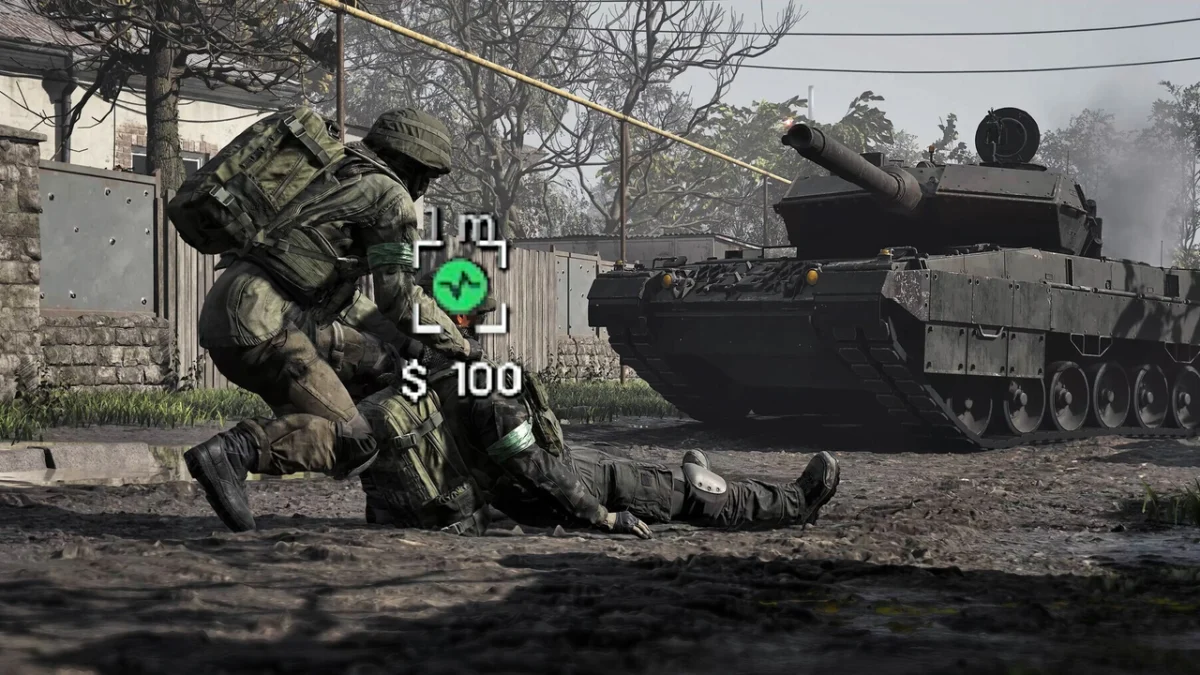
The game’s most viral and culturally defining mechanic, however, revolves around its implementation of medical extraction and revival. When a player is downed on the battlefield, surrounded by the digital corpses of their peers, they are no longer reduced to spamming a generic "Revive Me" request. Instead, Wardogs allows incapacitated players to place a literal cash bounty on their own lives. By tapping the F1 key, a downed soldier can attach a monetary value over their head. Medics scanning the chaotic battlefield can instantly see which fallen comrades are offering the highest payouts, turning battlefield triage into a cutthroat economic bidding war where the highest bidder gets priority medical attention.
Chronology
The trajectory of Wardogs from an ambitious concept to a massive viral phenomenon has been swift and dramatic, marked by explosive milestones:

- Pre-Launch Hype and Anticipation: Weeks leading up to the release, gaming communities and critics alike began buzzing about Bulkhead’s unorthodox design choices. Speculation mounted over whether a mercenary-economy shooter could successfully alter team-play dynamics without fracturing the player base.
- Launch Day Server Meltdown: Wardogs officially opened its early access doors, and the response far exceeded even the developer’s most optimistic projections. More than 300,000 eager players rushed to log in simultaneously, instantly overwhelming the game’s servers and causing widespread connectivity issues.
- The Early Access Era Begins: Despite the initial technical hiccups, the community quickly adapted to the economic meta. Players began sharing emergent gameplay moments on social media and streaming platforms—highlighting hilarious instances of medics abandoning high-priority tactical objectives to chase lucrative $500 revive bounties.
- Current State: Bulkhead is actively working on server stabilization and infrastructure scaling, while early adopters continue to stress-test the capitalist sandbox, exploring the limits of player-driven economies in a tactical military simulator.
Supporting Data
The launch of Wardogs has generated impressive metrics that underline the sheer scale of its initial success and the viability of its core gameplay loop:
- 300,000+ Concurrent Launch Players: The sheer volume of players attempting to access the game on day one shattered expectations for an early access launch from developer Bulkhead, proving that the market is hungry for innovation within the large-scale military shooter genre.
- Economic Scalability: While specific in-game inflation rates and item pricing are still being balanced during early access, early player reports indicate that dedicated combat medics can earn substantial baseline incomes by combining standard revives, post-revive medical tip systems, and scrounging medical supplies from enemy corpses and abandoned backpacks.
- Player Engagement Metrics: Early anecdotal evidence shows that the inclusion of the F1-bribe mechanic drastically reduces the number of players instantly "giving up" or respawning upon death, as the hope of a high-paying rescue incentivizes players to stay put and negotiate for their digital survival.
Official Responses
Bulkhead has remained relatively focused on immediate technical firefighting following the overwhelming server influx, but early statements from the development team emphasize their commitment to letting player behavior shape the early access roadmap.
Industry analysts and the developer’s community managers have noted that the mercenary economy was intentionally designed to subvert traditional hero-shooter tropes. Rather than forcing players into rigid cooperative boxes, Bulkhead aimed to weaponize greed, transforming self-preservation and monetary gain into unexpected pillars of team cohesion. The developers have expressed delight at seeing emergent player behaviors—such as medics dragging high-bounty players away from rival medics with the predatory urgency of seagulls fighting over scraps—validating their core design philosophy that in all-out warfare, money talks louder than patriotism.
Implications
The runaway success and unique mechanical framework of Wardogs carry significant implications for the future of the multiplayer first-person shooter genre.

Redefining Teamwork Through Self-Interest
For decades, games like Battlefield have struggled with the "selfish player" problem—snipers camping on distant hills, medics ignoring downed teammates to pad their own K/D ratios, and engineers refusing to repair armor. Wardogs brilliantly bypasses this hurdle by aligning individual greed with team success. You aren’t reviving your teammate because you’re a good person; you are reviving them because Skidz69 just dropped a $500 bounty on his forehead, and you need that cash to buy a better rifle for the next push. By commodifying the role-play fantasy of combat logistics and medical support, Bulkhead has created a system where selfishness paradoxically drives cooperative gameplay.
Cultural Resonance and Satire
Beyond its mechanical brilliance, Wardogs strikes a potent satirical chord. Echoing corporate-dystopian tropes found in universes like Cyberpunk 2077 (such as Trauma Team), the game presents a hilariously bleak worldview where even dying for your country is transactional. Pulling out a digital gold card to secure medical precedence while your penniless squadmate bleeds out in the dirt captures a cynical, modern gaming ethos that resonates deeply with contemporary audiences.
The Road Ahead for Bulkhead
As Wardogs navigates its early access period, the primary challenge for Bulkhead will be maintaining economic balance while scaling infrastructure to support hundreds of thousands of concurrent players. If the developers can successfully expand upon this mercenary sandbox—introducing deeper logistical roles, dynamic economic shifts, and stable servers—Wardogs has the potential to transition from a viral launch-day sensation into a genre-defining staple of tactical multiplayer gaming.

