


As the highly anticipated feature film Clayface rolls into theaters, Warner Bros. and DC Studios are wasting no time expanding their sprawling cinematic and television landscape. Sources close to the production have confirmed that a brand-new, live-action Poison Ivy television series is officially in development. In a major coup for the studio, The Penguin showrunner Lauren LeFranc is currently in early talks to produce the upcoming project, signaling a continued commitment to gritty, character-driven storytelling within Gotham City’s sprawling criminal underworld.
Unlike Matt Reeves’ gritty standalone crime universe—often referred to as the "Elseworlds" banner, which houses The Batman, The Penguin, and the delayed sequel The Batman Part II—the newly announced Poison Ivy series will be firmly rooted within the official DC Universe (DCU) continuity overseen by James Gunn and Peter Safran.
While the project is still in its infancy, with no official plot details, casting announcements, or concrete premiere dates revealed, the greenlight represents a monumental step forward for one of Batman’s most complex and enduring rogues.
The Main Facts: What We Know About the DCU’s Poison Ivy Series
The development of a live-action Poison Ivy series marks a significant expansion of the DCU’s television slate, which has been steadily building momentum alongside its theatrical counterparts.
- The Creative Force: Lauren LeFranc, whose work as the showrunner on HBO’s critically acclaimed The Penguin earned widespread praise for its psychological depth and mob-drama sensibilities, is in talks to spearhead the series. Her involvement suggests that DC Studios is looking to lean into grounded, mature storytelling for Dr. Pamela Isley.
- Continuity Placement: Contrary to initial fan speculation linking the project to Matt Reeves’ Gotham-based universe, industry reports confirm that the series will exist within the main DCU, connecting it directly to upcoming franchise tentpoles.
- Theatrical Lead-In: The announcement arrives precisely as DC’s standalone Clayface film hits the big screen, highlighting a broader corporate strategy to spotlight Batman’s iconic gallery of villains in standalone projects.
- Production Status: The series is currently in early development. No scripts have been publicly detailed, and casting is heavily under wraps.
Chronology of a Botanical Icon: From Page to Screen
To understand the magnitude of Poison Ivy’s upcoming live-action television spotlight, it is essential to look back at the character’s rich publication history and her various adaptations across film and television over the decades.
Comic Book Origins
Poison Ivy made her first official appearance in DC Comics’ Batman #181, published in June 1966. Created by writer Robert Kanigher and artist Carmine Infantino, she was originally introduced as Dr. Lillian Rose, a botanist who survives an attempted poisoning by a colleague and emerges with total immunity to all plant toxins, diseases, and venoms, alongside a penchant for lethal botanical crimes.
In 1988, following the continuity-resetting events of Crisis on Infinite Earths, the character was extensively reimagined by writer Neil Gaiman and artist Mark Buckingham in Secret Origins #36. This iteration established the tragic backstory recognized by modern fans: Dr. Pamela Isley, a brilliant, socially isolated Gotham City botanist who is seduced and subsequently injected with a cocktail of poisons by her corrupt professor, Dr. Jason Woodrue. The experiments transform her physiology, granting her plant-like superhuman abilities, control over flora, and a fierce, eco-terrorist mission to protect the natural world from the ravages of human industrialization.
Live-Action Legacy
Poison Ivy has seen several notable live-action adaptations over the years, each bringing a different flavor to the character:
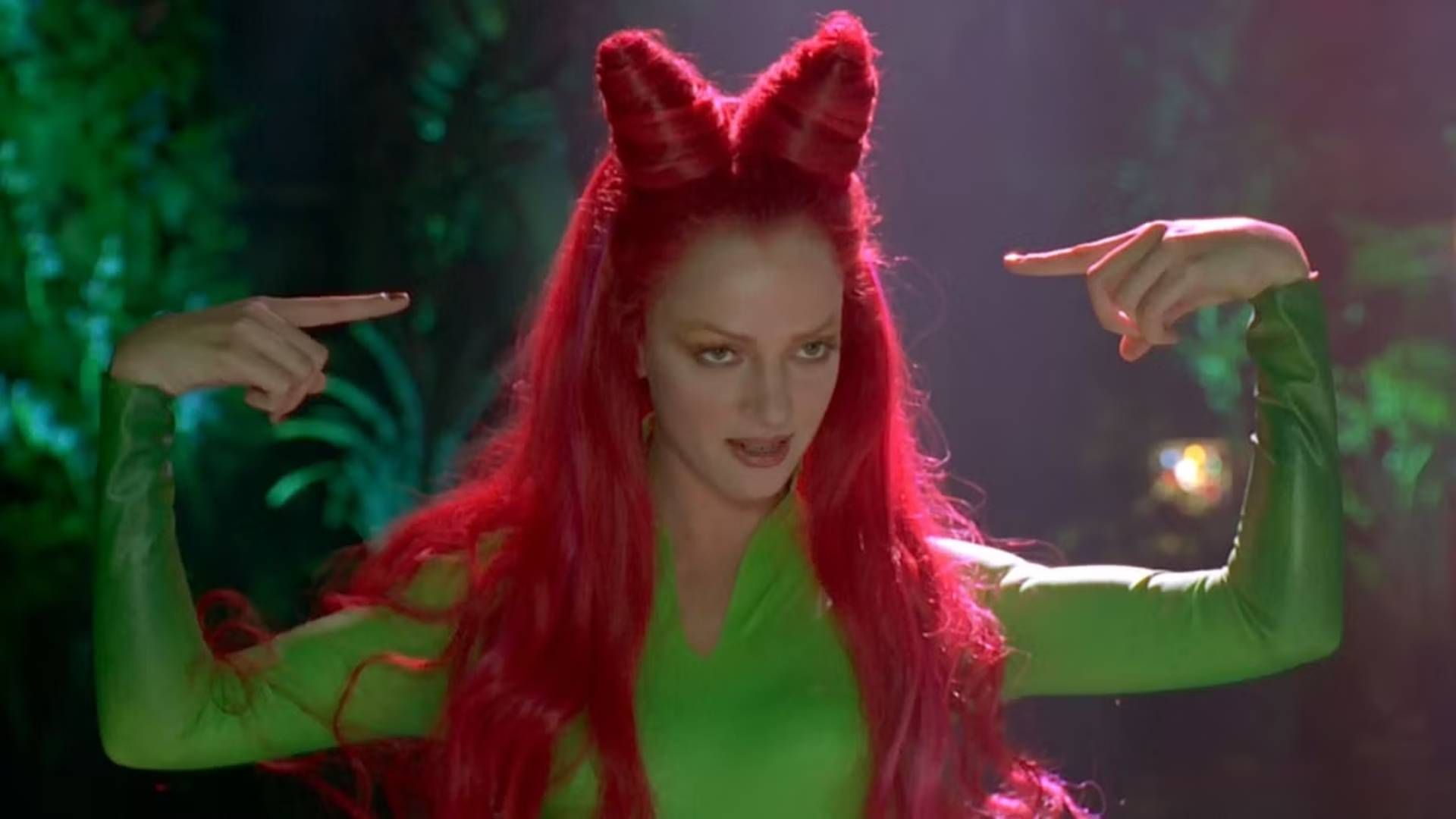
- 1997 (Batman & Robin): Perhaps the most culturally iconic live-action portrayal belongs to Uma Thurman, who brought a campy, seductive, and delightfully theatrical version of Dr. Pamela Isley / Poison Ivy to the big screen in Joel Schumacher’s divisive blockbuster. Thurman’s performance remains a staple of ’90s pop culture.
- 2014–2019 (Gotham): Fox’s prequel series Gotham took a wildly different approach to the character’s origins, portraying her transformation through multiple actors as young Ivy Pepper—played initially by Clare Foley, briefly by Maggie Geha, and finally by Peyton List as the character aged into her comic-accurate adult persona.
- 2019–2022 (Batwoman / Arrowverse): The CW’s Arrowverse introduced its own take on the botanical villain across its third season of Batwoman, where Bridget Regan portrayed Pamela Isley alongside Nicole Kang, who temporarily took on the mantle of Poison Ivy.
Supporting Data: The Expanding DC Universe Roadmap
The announcement of a Poison Ivy series comes at a critical juncture for Warner Bros. Discovery and DC Studios, who are carefully balancing theatrical releases with prestige television programming on Max.
The DC Studios slate has undergone several strategic shifts to ensure quality control and narrative cohesion. Below is a look at the surrounding theatrical and television projects anchoring the DC landscape:
| Project Title | Medium | Continuity | Expected Release / Status |
|---|---|---|---|
| Clayface | Feature Film | DCU | Out in theaters now |
| The Batman Part II | Feature Film | Elseworlds (Matt Reeves) | February 18, 2028 |
| Poison Ivy | TV Series | DCU | In development / Early talks |
| The Penguin (Season 1) | TV Series | Elseworlds (Matt Reeves) | Available on Max |
The delay of The Batman Part II to February 2028 has given Matt Reeves and his creative team ample time to craft a worthy successor to their 2022 box-office hit. Meanwhile, James Gunn’s DCU is aggressively carving out its own identity with projects that stretch far beyond traditional superhero tropes, opening the door for morally gray anti-heroes and outright villains like Clayface and Poison Ivy to take center stage.
Official Responses and Industry Reactions
While Warner Bros. and DC Studios have kept official announcements sparse regarding the specific creative direction of the Poison Ivy series, industry insiders have expressed immense enthusiasm over Lauren LeFranc’s potential involvement.
LeFranc earned widespread critical acclaim for her work on The Penguin, which took the gritty mob atmosphere established in The Batman and elevated it into a harrowing, character study reminiscent of classic crime dramas like The Sopranos. Bringing that same level of psychological realism, character depth, and atmospheric grit to Poison Ivy could radically alter public perceptions of a character who has historically swung between campy comic-book villainy and straightforward eco-terrorism.
"Lauren proved with The Penguin that she understands how to humanize monsters," notes entertainment analyst Sarah Lin. "Poison Ivy is an inherently tragic figure—someone whose motivations are rooted in a legitimate global crisis (environmental destruction), yet executed through monstrous, homicidal means. If LeFranc brings that nuance to Pamela Isley, DC could have another prestige television hit on their hands."
Implications for the DCU and Gotham’s Rogues
The greenlighting of a standalone Poison Ivy series carries several notable implications for the future of the DC brand:
1. A Shift Toward Villain-Led Narratives
For decades, comic book adaptations relied strictly on the hero’s journey, with villains serving merely as obstacles for the protagonist to overcome. However, the immense success of films like Joker and series like The Penguin and Clayface proves that audiences are eager to explore the dark, complex psyches of Gotham’s most infamous criminals. A Poison Ivy series allows the studio to explore themes of environmentalism, systemic corruption, and bodily autonomy through a lens that traditional superhero movies often overlook.
2. Deepening the DCU Lore
By placing the series firmly within the DCU continuity rather than the Elseworlds banner, James Gunn and Peter Safran are signaling that their shared universe will not shy away from grounded, mature, and character-focused television. It raises exciting questions about whether this iteration of Poison Ivy will eventually cross paths with other DCU heroes or villains, potentially paving the way for classic team-ups like the Gotham City Sirens (featuring Ivy, Harley Quinn, and Catwoman).
3. Elevated Production Standards
With top-tier talent like Lauren LeFranc circling the project, DC Studios is doubling down on hiring prestige showrunners who can attract top-tier acting talent. The visual demands of bringing a character with plant-based superpowers to life on a television budget will be immense, requiring sophisticated practical and digital effects to do justice to Isley’s botanical transformations.
What Lies Ahead
As Clayface dominates the box office and production gears up for future DCU milestones, fans are left speculating about who might step into the iconic red hair and leaf-patterned costume to breathe life into Pamela Isley for a new generation.
While viewers will have to wait for official casting breakdowns and plot synopses, the mere confirmation of a live-action Poison Ivy series—guided by the proven talents of Lauren LeFranc—ensures that Gotham’s greenest and most lethal botanist is finally getting the premium television showcase she has long deserved.

