

For decades, the standard introduction to tabletop roleplaying games (TTRPGs) was a dry, prescriptive "example of play" buried in the front pages of a rulebook. Readers were introduced to characters with archetypal, uninspired names like Arthur and Samantha, who navigated scripted combat encounters to demonstrate the mechanics of the game. For a generation of hobbyists growing up in isolated areas without local gaming shops, these snippets were the only window into the elusive world of roleplaying.
Today, the landscape is unrecognizable. With the rise of "actual-play" series like Critical Role, Dimension 20, and The Adventure Zone, the barrier to entry has evaporated. Aspiring players can now stream hundreds of hours of high-production, character-driven storytelling led by professional voice actors and seasoned Dungeon Masters (DMs). Yet, this newfound accessibility has birthed a contentious discourse within the community: the so-called "Matt Mercer Effect."
Critics argue that the hyper-polished, cinematic nature of modern actual-play shows has created a "toxic" environment at local tables, where players arrive with unrealistic expectations, demanding their volunteer DMs match the vocal range, narrative pacing, and technical production value of a show like Critical Role. But is the "Mercer Effect" a genuine phenomenon, or is it a scapegoat for fundamental failures in communication and expectation management that have plagued the hobby since its inception?
The Anatomy of an Expectation Gap
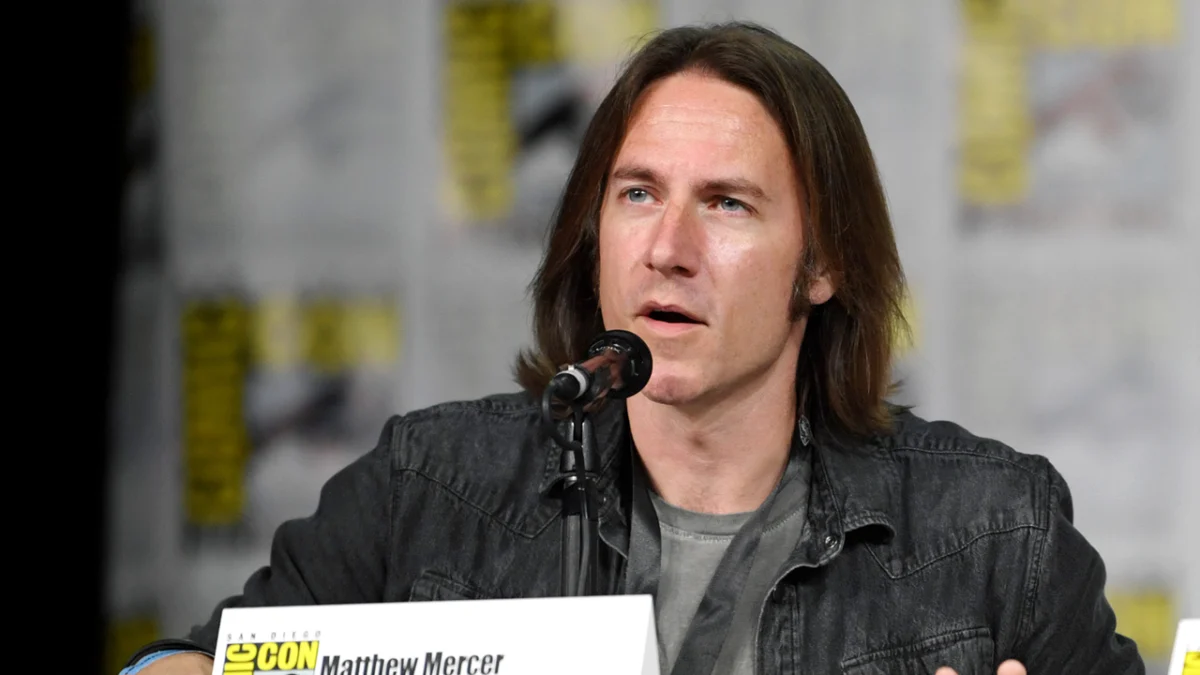
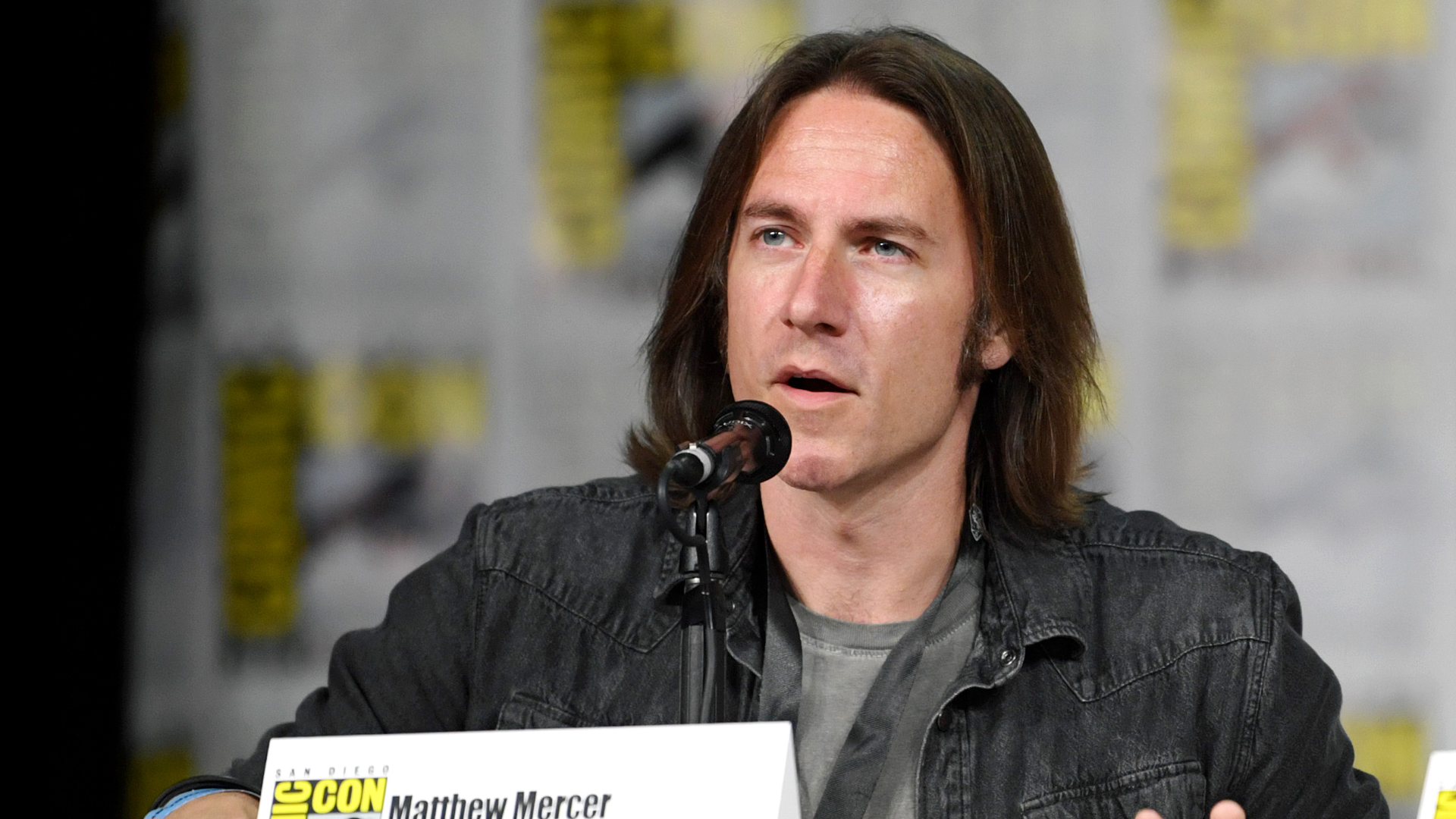
The term "Matt Mercer Effect" posits that the high production value and narrative flair of Matthew Mercer—the primary DM of Critical Role—has inadvertently raised the bar for amateur DMs to an impossible height. The argument suggests that new players, conditioned by the professional performances seen on Twitch and YouTube, feel disappointed when their local, unpaid DM cannot deliver the same level of emotional depth or voice-acting dexterity.
This perspective suggests that the hobby is being harmed by these comparisons, leading to frustrated players and burned-out DMs. However, a deeper look at the history of the hobby suggests that dissatisfaction at the gaming table is not a modern invention born of streaming services.
Before the internet age, disappointment was a common rite of passage for new players. The gap between the "fantasy adventure of a lifetime" promised in comic book advertisements and the reality of a disorganized, rules-heavy, or socially awkward session was vast. Players have been clashing over game style—dungeon crawls versus roleplay-heavy narratives—for forty years. To blame the current generation of creators for a perennial issue is to ignore the reality of how TTRPGs function as social contracts.
Chronology of the Discourse: From Forums to Viral Rants
The narrative surrounding the "Mercer Effect" did not appear in a vacuum; it evolved through the democratization of online discussion spaces.
- The Pre-Streaming Era (1974–2010): Complaints about GMs were largely confined to local social circles or niche hobbyist forums like RPGNet. Issues were usually attributed to "bad chemistry" or inexperienced leadership.
- The Rise of Actual Play (2015–2018): As Critical Role began its meteoric rise, the perception of "standard" play shifted. The show proved that TTRPGs could be a professional-grade entertainment product, attracting a massive new audience.
- The Algorithmic Echo Chamber (2019–Present): As the popularity of the show surged, YouTube algorithms and Reddit communities began amplifying negative sentiment. Headlines claiming the "Mercer Effect" was "ruining games" gained traction. These posts often served as a lightning rod for frustrated GMs who felt pressured to perform rather than facilitate.
What becomes clear through this chronology is that the "Mercer Effect" has functioned less as a description of reality and more as a convenient shorthand for "mismatched expectations."
The Critical Role of the "Session Zero"
The most glaring commonality among the horror stories that fuel the "Mercer Effect" debate is the absence of a proper "Session Zero." In the professional world of game design and community management, a Session Zero is the fundamental precursor to any campaign. It is the designated time—prior to the commencement of actual gameplay—where the group aligns on the core tenets of the experience.
Key pillars of a successful Session Zero include:
- Thematic Alignment: Will this be a gritty, lethal dungeon crawl or a lighthearted, narrative-focused heroic epic?
- Boundary Setting: What are the safety tools in place? Which topics are off-limits, and how do we handle player discomfort?
- Social Expectations: How do we handle phones, attendance, and player-versus-player conflict?
- The "Mercer" Discussion: Acknowledging the influence of shows like Critical Role and explicitly stating that the table will not be a high-budget production.
When a group skips this phase—which often happens at public, drop-in sessions at local game stores—they are essentially driving blind. These "pickup" games, while invaluable for accessibility, are often the primary source of the "bad experiences" that get attributed to the Mercer Effect.
Beyond the Table: The Darker Side of Gaming
It is vital to distinguish between a "disappointed player" and a "victimized player." Much of the discourse on forums like RPGNet highlights that the problems at tables are often far more serious than a lack of fancy accents. The "Creepiest Person You Ever Gamed With" subthreads, which have spanned thousands of posts, highlight that the real danger in TTRPGs isn’t an amateur DM failing to be Matt Mercer; it is the presence of predatory or toxic individuals who violate social boundaries.
By focusing on the "Mercer Effect," the community risks diverting attention away from genuine systemic issues, such as the need for better safety tools and community vetting. If a player is complaining that their DM isn’t a professional voice actor, that is a communication issue. If a player is being subjected to non-consensual themes or harassment, that is a safety issue. Conflating the two dilutes the importance of creating inclusive and safe gaming environments.
Implications for the Future of the Hobby
The implications of the "Mercer Effect" debate are significant for how we teach and grow the hobby. If we continue to treat professional actual-play as a "standard" rather than an "aspirational outlier," we risk discouraging new DMs before they even pick up the Dungeon Master’s Guide.
1. Managing Expectations: The community must shift the narrative. Rather than viewing Critical Role as the goal, it should be viewed as an inspiration—a demonstration of the potential of the game, not the requirement for it.
2. Standardizing Session Zero: The industry should move toward making the Session Zero a non-negotiable part of the onboarding process for new players. Organizations and local game stores should provide templates to ensure that expectations are managed from the very first minute.
3. The Professionalization vs. Recreation Divide: We must maintain a healthy distinction between "actual-play entertainment" and "home gaming." One is a performance for an audience; the other is a social interaction between friends. These are two different beasts, and they should be treated as such.
Conclusion
Matt Mercer and his peers at Critical Role have done more to grow the hobby of tabletop roleplaying than any marketing campaign in history. They have brought thousands of new, creative, and enthusiastic players to the table. To blame them for the inevitable friction that occurs when disparate personalities collide in a cooperative, improvisational setting is both unfair and inaccurate.
The "Mercer Effect" is not a bug in the system; it is a symptom of a hobby that has scaled rapidly and now faces the growing pains of a more diverse and expectations-heavy player base. By moving away from the toxic discourse of "how to beat the Mercer Effect" and toward the productive work of better communication and explicit boundary setting, the tabletop community can ensure that every player—whether they are looking for a cinematic epic or a simple night of dice-rolling with friends—finds a place at the table.

