

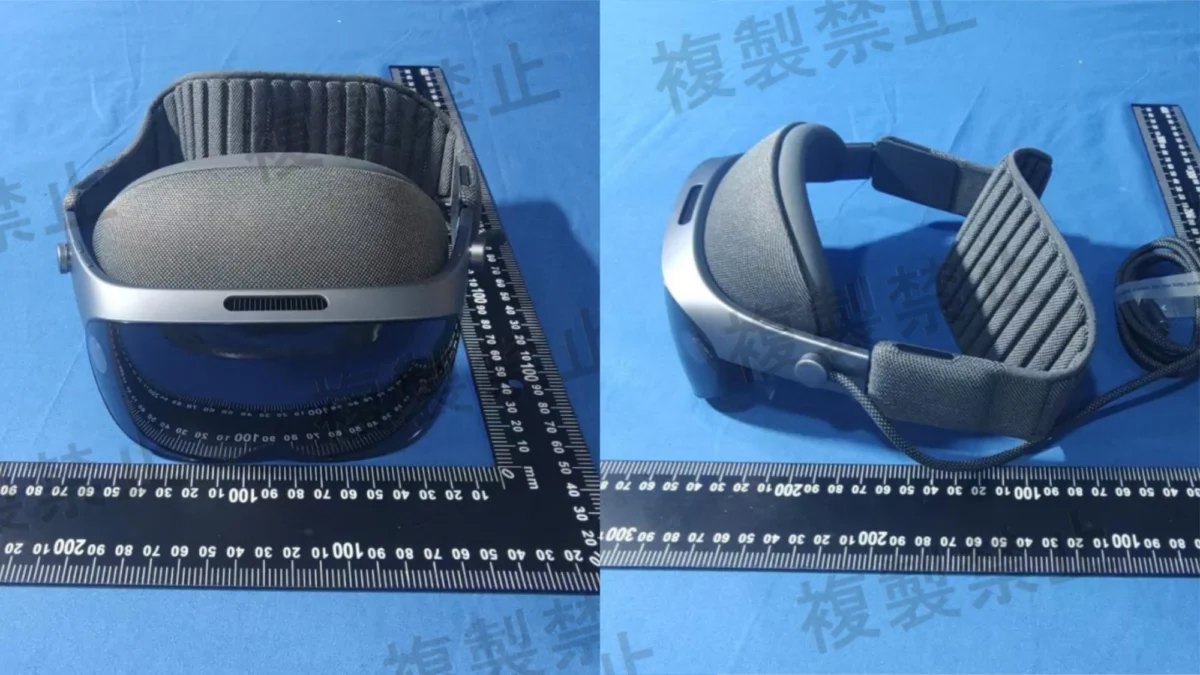
As the extended-reality (XR) hardware market braces for its next generation of devices, regulatory paper trails continue to prove that keeping hardware secrets is nearly impossible in the modern tech ecosystem. Fresh documentation surfacing from Japanese regulatory filings has given the world its first clear, physical look at the Pico Space Pro—the upcoming flagship mixed-reality headset from ByteDance, the parent company of global social media powerhouse TikTok.
Following a trail of breadcrumbs that spans early developer previews, leaked software development kit (SDK) videos, an abrupt event cancellation, and a U.S. Federal Communications Commission (FCC) certification, the Japanese filings provide definitive visual proof of the headset’s design, internal architecture, and design language. Slated for a commercial release in the fourth quarter of 2026, the Pico Space Pro promises to bridge the gap between high-end standalone computing and ultra-dense visual fidelity, positioning itself as a formidable competitor to Apple’s Vision Pro and Samsung’s anticipated Galaxy XR platform.
Main Facts: What We Know About the Pico Space Pro
The Pico Space Pro represents a massive technological leap over mainstream consumer headsets currently dominating the market, such as the Meta Quest 3 and Pico’s own Pico 4 Ultra. ByteDance’s hardware division has engineered the device around premium core specifications designed to compete at the absolute bleeding edge of spatial computing.
At the heart of the headset’s visual delivery system are ultra-dense micro-OLED panels boasting an astonishing 4,000 pixels per inch (PPI). This pixel density aims to virtually eliminate the "screen-door effect," offering crystal-clear text rendering and photorealistic passthrough capabilities.

To drive these pixel-heavy displays without compromising performance, Pico has adopted an ambitious dual-chip architecture. Rather than relying solely on off-the-shelf silicon, the headset features a proprietary, self-developed coprocessor dedicated entirely to computer vision, tracking, and image processing. This is paired with a next-generation main processor boasting double the CPU and GPU performance capabilities found in the Qualcomm Snapdragon XR2 Gen 2 chips powering current-generation devices.
Operating system duties will be handled by Pico OS 6, a revamped software ecosystem that introduces visionOS-like spatial interfaces, alongside the proprietary Pico Spatial Engine, a developer toolkit drawing heavy functional inspiration from Apple’s RealityKit. Furthermore, hardware configurations revealed in regulatory filings confirm the inclusion of an external tethered compute and battery puck (identified in documents under model number B3110), separating the heavy processing and power loads from the facial interface to maximize ergonomic comfort.
Chronology of a Leak: From "Project Swan" to Global Regulatory Filings
The journey of the Pico Space Pro from concept to regulatory exposure has been anything but conventional, marked by strategic reveals, accidental internal leaks, and sudden corporate pivots.
- November 2025: ByteDance first acknowledges the existence of its next-generation hardware during an internal and industry-facing presentation, outlining core display metrics and dual-chip performance goals.
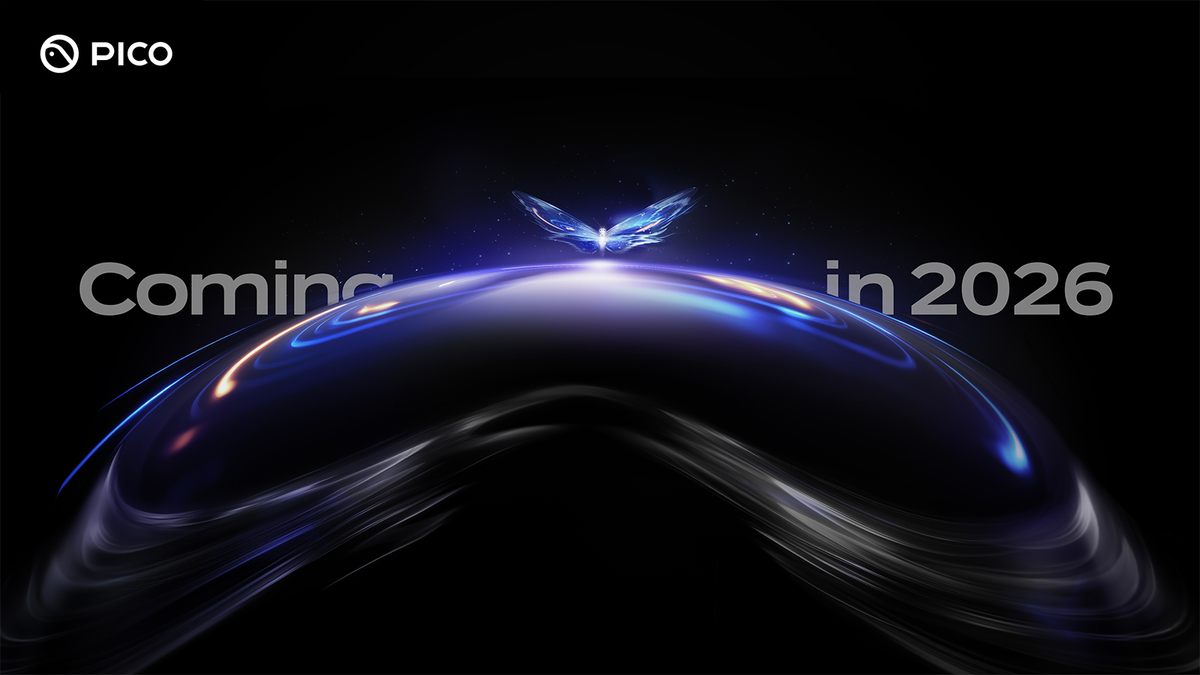
- March 2026: The company publicly teases the device under the codename ‘Project Swan’, detailing the 4,000 PPI micro-OLED panels and launching a closed "Global Early Access Program" for select XR developers to stress-test Pico OS 6.
- June 2026: The design of the headset inadvertently leaks into the wild when promotional and instructional videos are discovered embedded within a public release of the Pico SDK. The footage reveals a form factor drawing heavy inspiration from the Apple Vision Pro and Samsung Galaxy XR.
- August 2026: Pico officially announces a dedicated product launch event via Asian social media networks, officially christening the device as the Pico Space Pro. However, in an abrupt corporate about-face just days later, the event is canceled, and the commercial release is officially delayed to Q4 2026.
- September 2026: Despite the hardware delay, the device quietly passes through the U.S. Federal Communications Commission (FCC) right around its original launch window, cataloging the headset and its tethered compute puck under distinct FCC IDs.
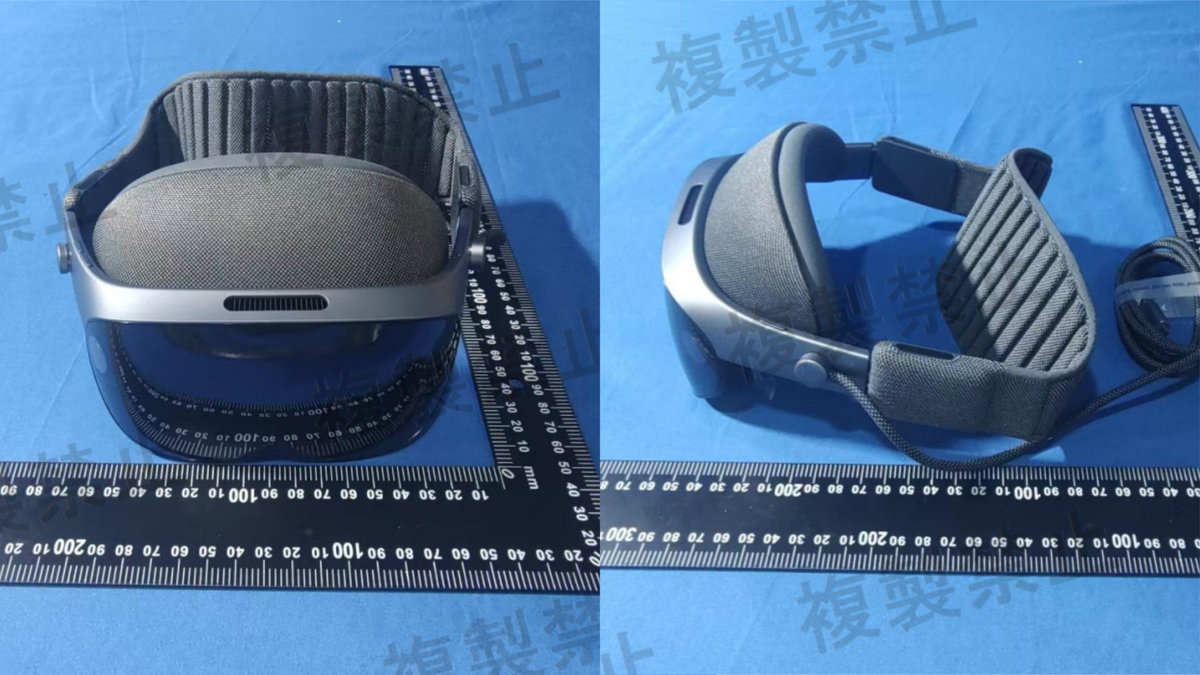
- October 2026: Detailed exterior and teardown images officially surface within Japanese regulatory databases (Certification number 202-JWM032), providing the first true-to-life photographic evidence of the physical hardware, its optical module layout, and its internal cooling infrastructure.
Supporting Data & Hardware Architecture
The Japanese regulatory disclosures—cataloged under certification number 202-JWM032—offer an unprecedented window into the engineering choices made by Pico’s hardware teams. While initial SDK renders hinted at a sleek, minimalist aesthetic, the actual physical units pictured in the filings exhibit a refined industrial design and color finish that closely mirrors the aesthetic language of the unreleased Vivo Vision headset.

External and Ergonomic Design
The newly surfaced images confirm that the Pico Space Pro leans heavily into proven ergonomic paradigms. The rear head-strap assembly is nearly identical in concept and execution to Apple’s Solo Knit Band, prioritizing distributed weight and ease of adjustment. Meanwhile, the rigid front visor and forehead cushioning pad bear a striking resemblance to the architecture seen in early previews of Samsung’s Galaxy XR.
Internal Teardown Insights
Deconstruction images pulled from the regulatory documentation reveal a meticulously packed internal layout:
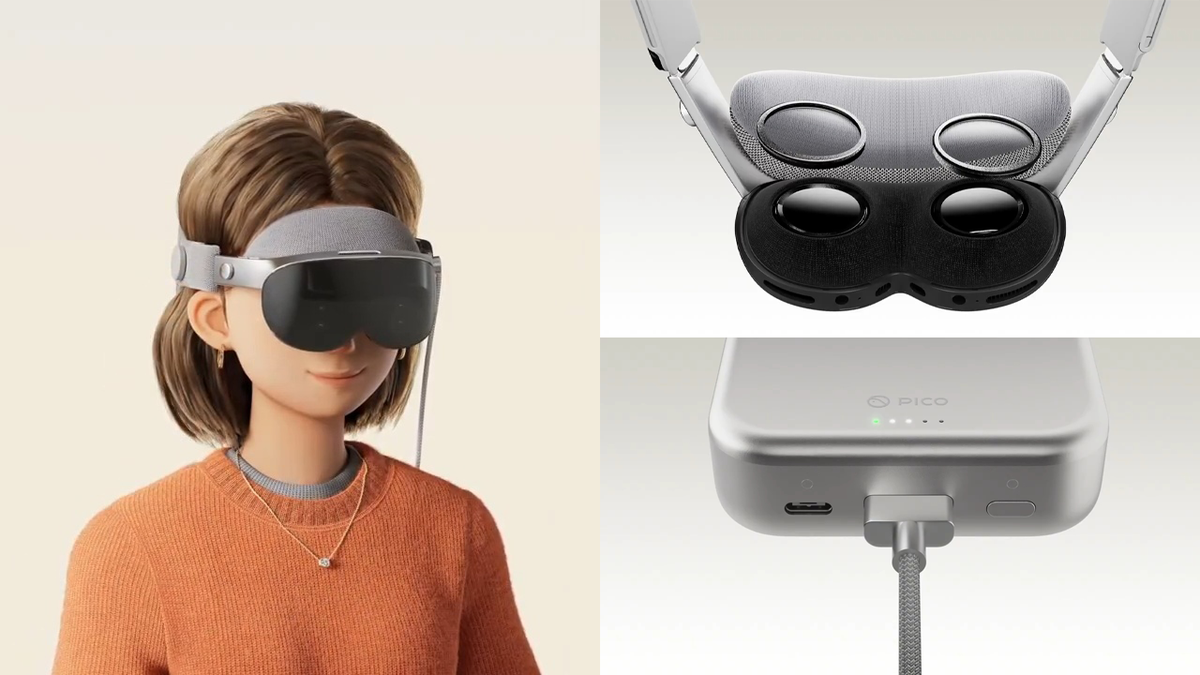
- Sensor Array: A complex matrix of outward-facing cameras and depth sensors lines the front visor, ensuring low-latency hand tracking, spatial mapping, and high-fidelity video passthrough.
- Optical Modules: Custom pancake lens assemblies sit directly behind the 4,000 PPI micro-OLED screens, folded compactly to keep the overall facial profile slim and balanced.
- Active Thermal Management: Because the primary compute load is offloaded to the external battery/processing puck, the internal headset chassis still requires active cooling to manage the dedicated computer vision coprocessor and display drivers. Teardown documents explicitly highlight a central cooling fan positioned directly above the forehead compartment to prevent thermal throttling during extended mixed-reality sessions.
- The Tethered Puck: While direct product photography of the external processing unit (model B3110) remains scarce, test-setup photographs filed with regulatory bodies capture a camouflaged box-like unit resting alongside the headset, confirming its role as the primary tethered hub for power and distributed compute operations.
Official Responses and Corporate Strategy
ByteDance’s handling of the Pico Space Pro launch strategy highlights the delicate balancing act companies face when trying to build developer momentum while managing supply chain and software maturation timelines.
When Pico initially announced Project Swan and opened its Global Early Access Program, the strategy was clear: put hardware and software into the hands of developers with deep XR platform expertise to gather "rigorous feedback" before a wide consumer rollout. By inviting elite developers to stress-test Pico OS 6 and the Pico Spatial Engine, ByteDance hoped to circumvent the "content drought" that historically plagues new spatial computing platforms.
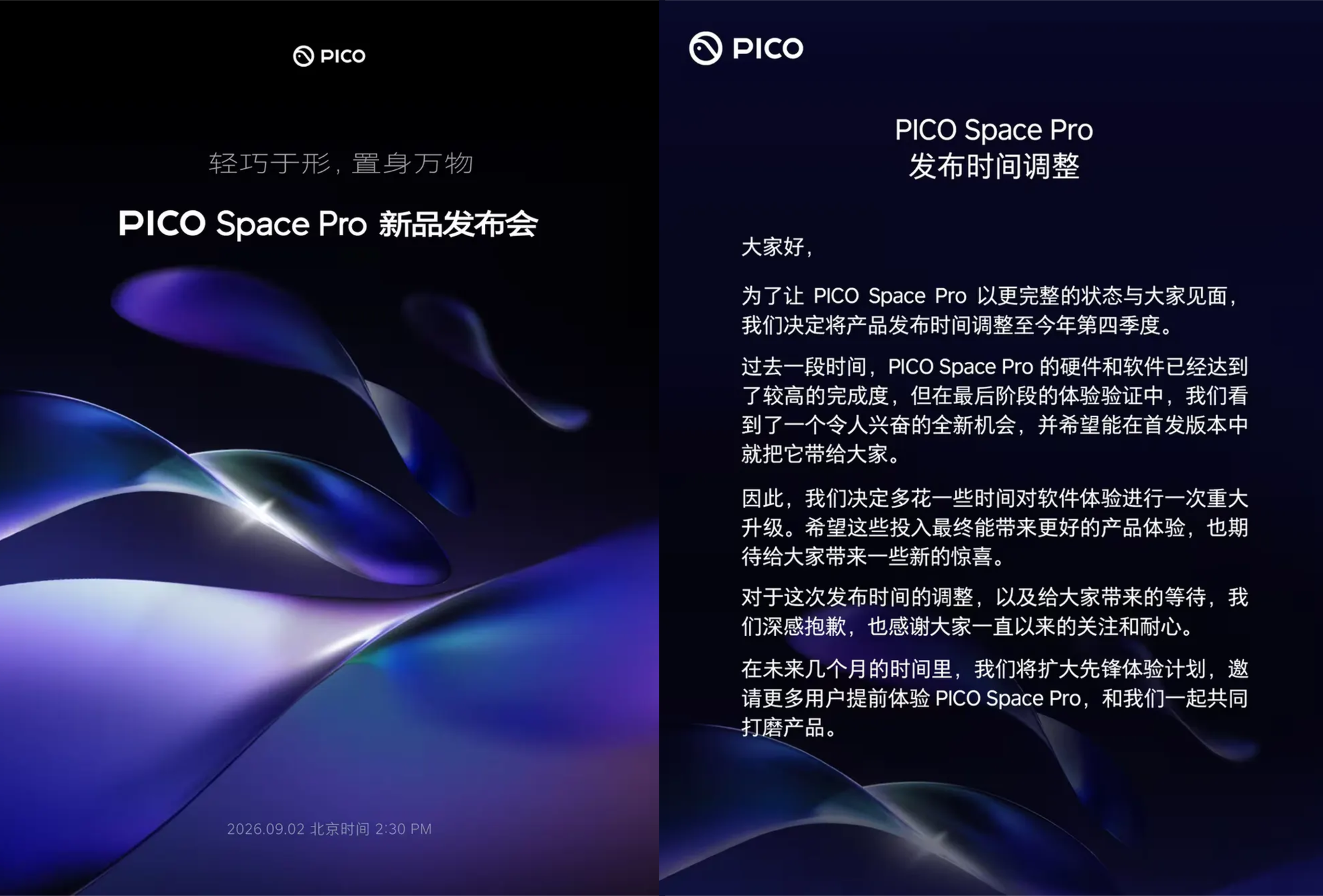
However, the abrupt cancellation of the August launch event and the subsequent postponement to the fourth quarter of 2026 signal that internal benchmarks—likely concerning thermal optimization, software stability, or component yield rates for the ultra-dense micro-OLED panels—were not yet met to the satisfaction of executive leadership.
Despite these setbacks, the rapid succession of regulatory filings in both the United States (FCC) and Japan indicates that hardware manufacturing validation is essentially complete. Units are actively passing through international compliance testing, ensuring that once the software ecosystem is polished and ready, the physical hardware can clear customs and hit distribution channels rapidly.

Implications for the Spatial Computing Market
The arrival of the Pico Space Pro in late 2026 carries significant strategic implications for the broader extended reality landscape, which has spent the last two years digesting the market ripples created by Apple’s Vision Pro and Meta’s pivot toward open-ecosystem mixed reality.
- The Normalization of the Tethered Puck Form Factor: By adopting a two-piece architecture—separating the heavy compute and battery components into a pocketable puck while keeping the head-mounted display light and balanced—ByteDance is validating the design choice pioneered by Apple. This architecture dramatically reduces neck strain, making multi-hour productivity and media consumption sessions viable in a way heavy all-in-one headsets struggle to achieve.
- Pushing Visual Standards Upward: With 4,000 PPI micro-OLED displays entering the market via Pico, the baseline expectation for high-end enterprise and prosumer headsets is shifting. Consumers are no longer willing to tolerate noticeable pixel grids or washed-out LCD panels at premium price points. Pico is effectively forcing competitors to match or exceed micro-OLED fidelity.
- The Rise of Regional Ecosystems: While Meta dominates Western markets with the Quest lineup, ByteDance’s Pico remains a dominant force across Asian markets and maintains strong global developer ambitions. Pico OS 6 and its visionOS-inspired interface demonstrate that Asian tech giants are aggressively localizing and refining spatial computing UX paradigms to challenge Silicon Valley hegemony.
Looking Ahead
As the short-term confidentiality periods for these regulatory filings draw toward expiration—with U.S. FCC documents set to unlock fully in late February 2027—the curtain is steadily pulling back on ByteDance’s most ambitious hardware project to date. Whether the Pico Space Pro can successfully capture market share in a landscape increasingly defined by spatial computing heavyweights will depend heavily on its ultimate retail pricing, app ecosystem richness, and consumer software stability when it finally debuts in Q4 2026.

