

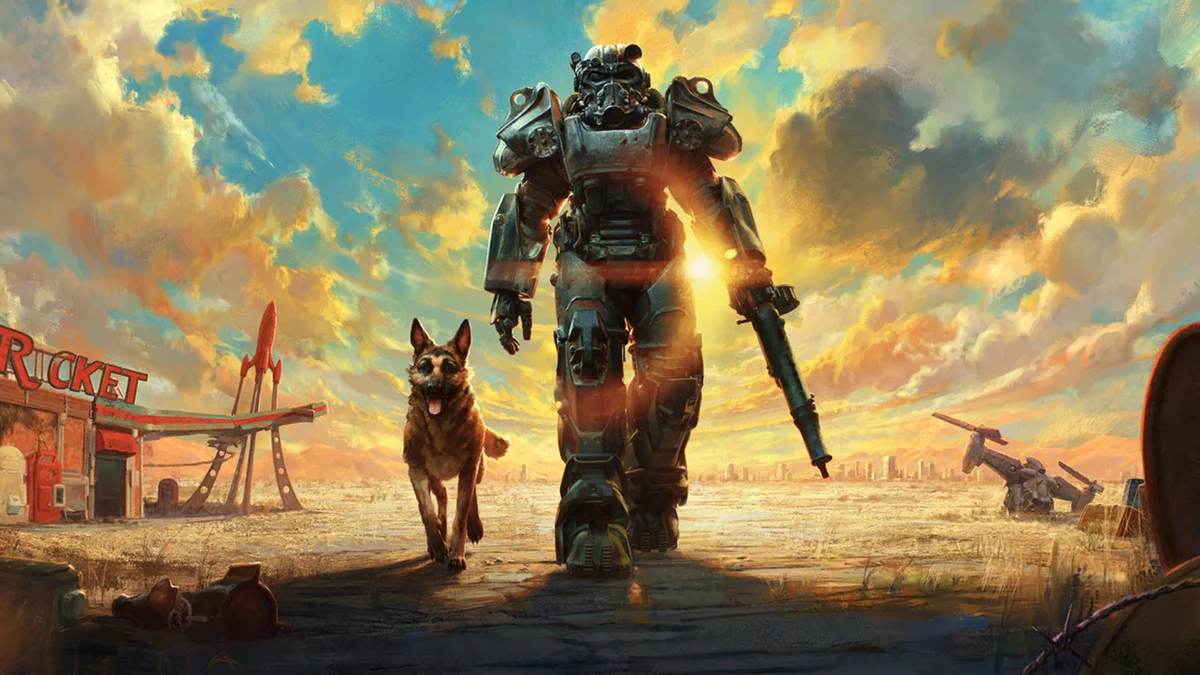
The wasteland is a place of endless cycles, and it appears the development roadmap at Bethesda Game Studios is no different. As fans continue to scour the irradiated ruins of the Commonwealth and the Appalachian hills, the developer has officially confirmed that Fallout 5 is in active pre-production. However, the path to the next mainline entry in one of gaming’s most storied RPG franchises is long, complex, and currently shrouded in the uncertainty of a shifting industry.
While the confirmation has sparked excitement, it has also arrived amidst a climate of skepticism regarding the studio’s capacity to deliver, particularly following the disruptive waves of layoffs across the Microsoft and ZeniMax corporate umbrella. As Bethesda pivots toward a unified technological future, we take a deep dive into what the future holds for the Fallout franchise.
The Current State of the Franchise: Where We Stand
Bethesda’s confirmation in July 2026—that Fallout 5 is officially in pre-production—marks the most significant update regarding the project in years. For a long time, the game existed only as a "one-pager" of ideas scribbled by director Todd Howard. Now, it has moved from a concept to a foundational development phase.
However, it is important to temper expectations. Pre-production is a far cry from a playable demo or a trailer. It signifies the period where developers define the core narrative pillars, the structural design of the game world, and the mechanical innovations that will define the player experience.
The announcement was framed alongside news of The Elder Scrolls 6 and a surprising confirmation of remasters for Fallout 3 and Fallout: New Vegas. By bundling these announcements, Bethesda aimed to reassure a nervous community that the Fallout IP remains a priority despite the long gaps between releases. Yet, for many, the announcement felt like a strategic move to refocus the narrative following the impact of the massive Microsoft-led layoffs, which sent shockwaves through the industry and raised questions about the studio’s internal bandwidth and resource allocation.
Chronology: A History of Waiting
To understand why the announcement of Fallout 5 carries such weight, one must look at the timeline of Bethesda’s output. Since the release of Fallout 4 in 2015, the studio has been preoccupied with the long-term support of Fallout 76 and the development of the ambitious space epic Starfield.
- 2015: Fallout 4 launches, setting a high bar for sales but sparking a decade-long debate regarding the series’ shift toward action-oriented gameplay.
- 2018: Fallout 76 debuts to a rocky reception, eventually finding its footing as a dedicated, community-driven survival experience.
- 2021: Todd Howard confirms that a "one-pager" document for Fallout 5 exists, but notes that it is not the studio’s immediate priority.
- 2023: Starfield launches, signaling the completion of a massive resource drain for the studio.
- 2026: Bethesda confirms Fallout 5 has entered pre-production, utilizing the new "Creation Engine 3."
The primary bottleneck for Fallout 5 is the priority of The Elder Scrolls 6. Bethesda has maintained a consistent internal logic: The Elder Scrolls and Fallout alternate as the studio’s primary focus. With TES6 still years away from a firm release date, the window for Fallout 5 remains firmly in the latter half of the decade, or potentially beyond.
The Technological Pivot: Creation Engine 3
One of the most critical pieces of information to emerge from the 2026 announcement is the introduction of Creation Engine 3. Following the launch of Starfield, Bethesda committed to a "shared technology platform" designed to streamline the production pipeline.
In the past, transitioning between projects often required massive overhauls to their proprietary engine, leading to years of "reinventing the wheel." Bethesda claims that by standardizing their development environment, they can support multiple projects simultaneously. This is a critical development for the studio’s efficiency. If TES6 and Fallout 5 are both built on the same foundation, the tools, assets, and engine improvements developed for one can theoretically be applied to the other, potentially shrinking the gap between the two releases.
Whether this will actually result in a faster development cycle or simply a more stable one remains to be seen. Given the complexity of modern open-world design, the technical debt involved in creating a game as massive as Fallout cannot be underestimated.
Official Responses and Industry Context
The backdrop to these announcements is the restructuring of the gaming industry. Following the Microsoft layoffs that affected Bethesda Game Studios and its parent company, ZeniMax, there is a legitimate concern regarding the "institutional memory" of the studio. When veteran developers are let go, the "secret sauce" that makes Bethesda RPGs feel the way they do is often at risk.
Bethesda’s leadership has been careful to frame the current roadmap as a sign of strength. By publicly committing to these long-term projects, they are signaling to investors and fans alike that the studio is not winding down, but rather consolidating. However, the lack of a logo or any "mysterious scenery" to dissect—a staple of Bethesda marketing—suggests that they are being far more cautious about showing their cards early. They are well aware of the criticism leveled at the long-teased The Elder Scrolls 6 announcement, which was little more than a title card. With Fallout 5, they are keeping the curtain drawn until the project is more substantial.
Implications: What Does a "Modern" Fallout Look Like?
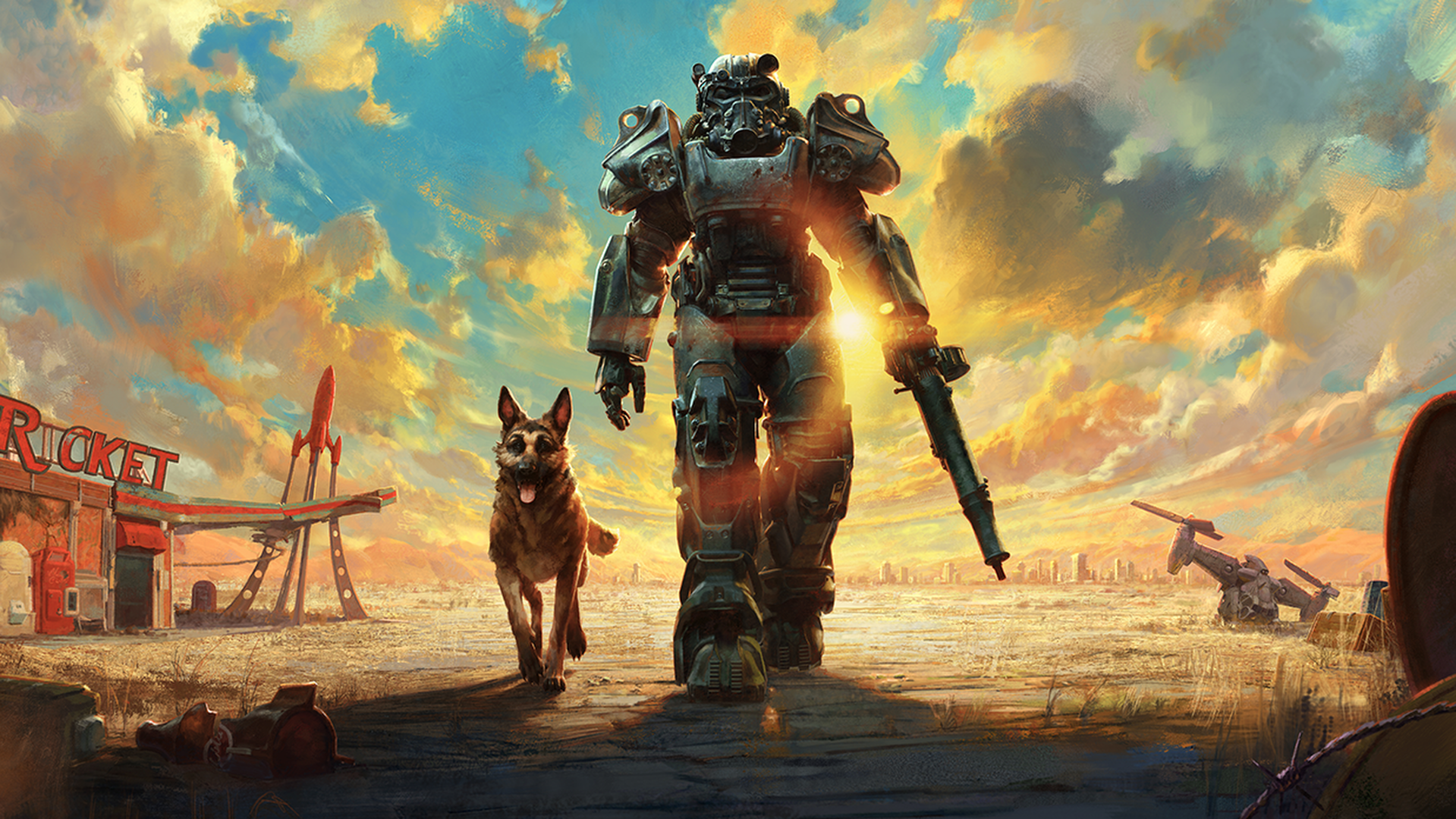
The most pressing question for fans is: what will Fallout 5 be? The series has drifted significantly since the days of the original isometric CRPGs. The modern iteration, heavily influenced by the Bethesda "sandbox" style, has leaned into a specific brand of American kitsch and nihilism.
1. The Setting Dilemma
Geography is identity in Fallout. While the West Coast and East Coast have been well-explored, the Midwest remains a ripe territory for a fresh start. A setting like Detroit or the industrial heartland could return the series to its roots of "corporate industry tomfoolery," offering a gritty, post-war landscape that feels distinct from the coastal metropolitan areas seen in Fallout 3 and 4.
2. The Tone and Narrative
There is a growing fear among long-time fans that the series has become a collection of tropes: power armor, sassy robots, and "buzzcut authoritarians." To survive, Fallout 5 must recapture the nuance of the earlier games—the sense that humanity is not just surviving the apocalypse, but trying to rebuild a new society from the ashes, with all the political and moral failings that entails.
3. The Competition
The bar for open-world gaming has been raised by titles like GTA 6 and the evolution of the survival-crafting genre. Players now expect a level of environmental interactivity and systemic depth that goes beyond the "Bethesda formula." If Fallout 5 relies too heavily on old systems, it risks feeling like a relic upon release.

The Road Ahead
We are, by all accounts, years away from wandering the wasteland in Fallout 5. The game is currently an architectural sketch, a collection of code, and a series of meetings in a conference room.
The studio faces a unique challenge: they must satisfy a fanbase that values the deep, branching narrative of the past while navigating a corporate landscape that demands shorter development cycles and higher technical fidelity. If they succeed, Fallout 5 could be the defining RPG of the next generation. If they stumble, it may highlight the limitations of a studio struggling to evolve in a rapidly changing market.
For now, we wait. We wait for The Elder Scrolls 6, we wait for the promised remasters, and we wait for the day we finally emerge from a new Vault, once again, to see what has become of the world. In the world of Fallout, the only constant is that war—and the development of a blockbuster game—never changes.

