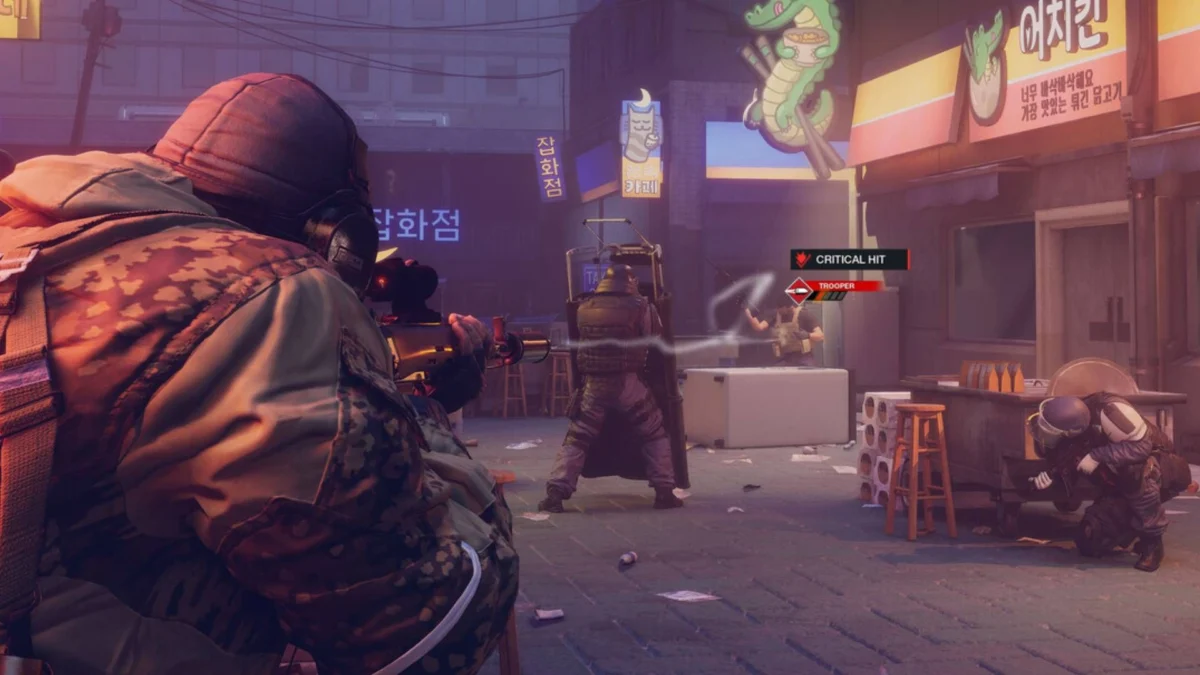
The turn-based and grid-based tactics genre is currently experiencing an unprecedented golden age. Long dismissed by mainstream audiences as a niche corner of PC gaming reserved for hardcore planners and spreadsheet enthusiasts, the tactics genre has surged into the spotlight. Spearheaded by high-profile releases like Star Wars: Zero Company and Fire Emblem: Fortune’s Weave, alongside upcoming heavy hitters like Worms Galactic Tactics and Rainbow Six Tactics, the genre is shedding its reputation for being slow and inaccessible.
Modern developers are injecting fresh ideas into the space—such as roguelite progression loops, deeper narrative framing, and real-time execution phases—drawing in a massive wave of players who previously favored fast-paced first-person shooters, action RPGs, and sports titles.
Chronology: From Niche Classics to Modern Renaissance
To understand how the tactics genre reached its current cultural apex, one must look at its trajectory over the last few decades:
The Early Blueprint (Late 1990s – 2000s): For many gamers coming of age around the turn of the millennium, exposure to tactical gameplay came through chaotic, physics-driven titles like Worms or the cult-classic Hogs of War. While beloved, these titles were largely viewed as party games rather than deep strategic endeavors. Meanwhile, dense franchise pillars like XCOM and early Fire Emblem titles kept the hardcore turn-based flame burning in the background.
The Modern Revival (2017–2022): The modern renaissance truly took root with a series of surprising genre-blenders. Ubisoft’s Mario + Rabbids: Kingdom Battle (2017) proved that deep tactical mechanics could be paired with universally recognizable intellectual properties. This was followed by gritty post-apocalyptic entries like Mutant Year Zero: Road to Eden, the license-driven Gears Tactics (2020), and Firaxis Games’ card-battling tactical superhero epic, Marvel’s Midnight Suns (2022). For many players, Midnight Suns served as the gateway drug into the genre, bridging the gap between flashy cinematic action and deliberate, turn-by-turn planning.
The Present Era (2024–2026): The genre evolved from a steady stream of solid releases into a dominant force. Titles like Jagged Alliance 3, Wargroove, and Mewgenics built massive, dedicated communities.
The Horizon (2027 and Beyond): Upcoming announcements and hands-on demos at major industry events like Gamescom have solidified that this momentum is not slowing down. Franchise mainstays and surprising cross-genre experiments are slated to push tactical mechanics into entirely new territories.
Supporting Data and Key Releases
The breadth of the current tactics renaissance is defined by its diversity. Developers are no longer adhering to a single template; instead, they are molding tactical systems to fit a variety of gameplay loops, settings, and player motivations.
1. Star Wars: Zero Company
Standing as a crown jewel of the current lineup, Star Wars: Zero Company takes the tried-and-true mechanics of squad-based tactical movement and wraps them in a gritty, high-stakes narrative framework.
The Premise: Players step into the boots of Hawks, an ex-soldier turned independent mercenary leader drowning in debt to the Hutts. When Republic Intelligence offers a way out through covert operations, the player is plunged into a story that channels the grounded, anti-authoritarian espionage of Disney+’s Andor rather than the grand, mystical space operas of the Skywalker saga.
Mechanics: Featuring fully voice-acted crew members with distinct personalities, special abilities, and permanent death (perma-death), Zero Company treats every tactical engagement as a high-risk gamble. Lose a squad mate, and they are gone forever, raising the emotional stakes of every grid-based skirmish.
2. Worms Galactic Tactics (Slated for 2027)
For those intimidated by dense military simulations or complex sci-fi lore, Team17 is bridging the gap with Worms Galactic Tactics.
The Concept: This marks the iconic artillery franchise’s first true foray into the tactics genre while maintaining its signature irreverent humor and pick-up-and-play appeal.
Innovation: Combining traditional turn-based positioning with roguelite progression loops, players compete in the "Galactic Gauntlet." The game features fully destructible 3D environments, classic weapons, and randomized runs that offer nearly endless replayability. Hands-on impressions from Gamescom indicate that the blend of fast-paced arcade flavor with deep, thoughtful positioning will make it an ideal onboarding ramp for genre newcomers.
3. Rainbow Six Tactics
On the opposite end of the tonal spectrum lies Ubisoft’s upcoming Rainbow Six Tactics. Moving away from the real-time, twitch-reflex first-person action of Rainbow Six Siege, this title translates the high-stakes world of counter-terrorism into a thinking person’s game.
The Mechanics: The game’s standout feature is its innovative "breach planning phase." Encounters begin with a meticulous setup period where players command their familiar Siege operators to perform a cascading sequence of complex maneuvers. Once the plan is locked in, players watch the execution unfold in real time. For master tacticians, the reward is executing a synchronized entry that clears an entire room of hostiles before they can even register a threat.
Official Responses and Industry Insights
The shift in player perception has not gone unnoticed by developers and industry veterans. Speaking on the design philosophy behind modern tactical titles, development leads have pointed to a broader fatigue with constant sensory overload in gaming.
"For years, the industry chased faster feedback loops—shorter time-to-kill, higher frame rates, endless twitch-based inputs," noted one veteran design director at Gamescom 2026. "What we’re seeing now is a counter-movement. Players are craving games that respect their intellect, games where victory feels earned through patience, observation, and clever spatial reasoning rather than pure thumb-stick dexterity."
Furthermore, publishers are discovering that established intellectual properties—ranging from Star Wars and Mario to Rainbow Six and Worms—provide the perfect Trojan horse to introduce mainstream audiences to mechanics they might otherwise have dismissed as too complex.
Implications for the Gaming Industry
The booming success and evolution of the tactics genre carry several profound implications for game developers, publishers, and players alike:
Democratization of Complex Systems: By stripping away archaic user interfaces and infusing tactical games with high production values, cinematic storytelling, and roguelite accessibility, developers are successfully eroding the barrier to entry that once quarantined the genre.
IP Expansion and Risk Mitigation: Major publishers are learning that turning massive action or shooter franchises into tactical spin-offs (such as Gears Tactics or Rainbow Six Tactics) is a viable, lower-risk way to explore new gameplay spaces without alienating core fans of those universes.
The Rise of "Thoughtful Gaming": As the market becomes increasingly saturated with live-service shooters and massive open-world time sinks, the bounded, session-based nature of tactics games offers a welcome respite. Players can engage in deep, strategic decision-making in digestible increments.
Whether you are a seasoned veteran who has mastered every grid on the map or a newcomer whose experience with the genre begins and ends with frantic childhood matches of Worms, there has never been a more exciting time to look at a tactical map, take a breath, and plan your next move.