

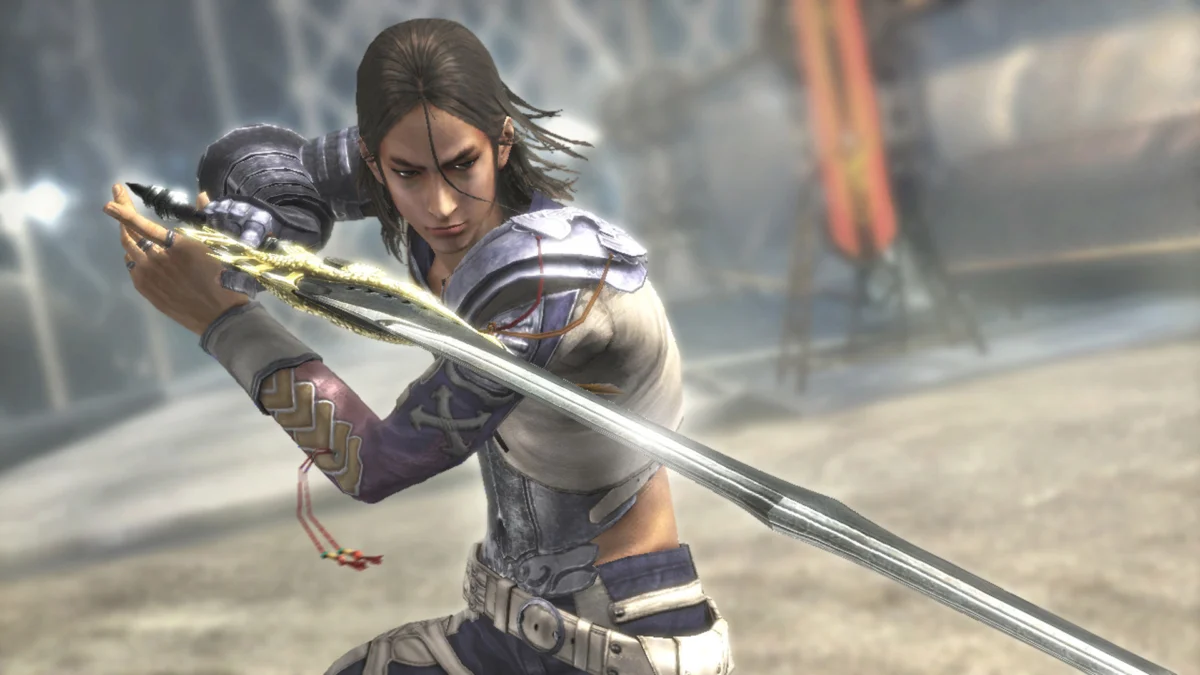
In the landscape of modern gaming, where the genre of the turn-based Japanese Role-Playing Game (JRPG) has undergone a radical metamorphosis, few titles carry the weight of "unfinished business" quite like Lost Odyssey. Directed by Hironobu Sakaguchi—the legendary visionary behind the Final Fantasy franchise—the game arrived on the Xbox 360 in 2007 as a bold, cinematic, and deeply emotional experiment. Despite its pedigree, it was often unfairly dismissed as a relic of a bygone era.
Today, that narrative is shifting. Guillaume Broche, the director of the critically acclaimed Clair Obscur: Expedition 33, has emerged as one of the game’s most passionate advocates. In a recent appearance on the French web series Jeux Vidéo Club, Broche highlighted Lost Odyssey not merely as an inspiration, but as a blueprint for the kind of ambitious, realistic, and narrative-driven turn-based gaming that he believes has been absent from the market for nearly two decades.
A Chronology of a Cult Classic
To understand why Lost Odyssey remains such a poignant touchstone, one must look at the climate of its release. Following Sakaguchi’s departure from Square Enix, he founded Mistwalker, a studio intended to push the boundaries of the genre he helped define.
- 2007 (The Release): Lost Odyssey launched on the Xbox 360. At the time, the industry was pivoting sharply toward real-time action. Critics were often cold to its traditional structure, which featured random encounters and a deliberate, methodical pace.
- 2008–2015 (The Wilderness Years): While it garnered a dedicated cult following, the game remained trapped on Xbox 360 hardware, slowly slipping into the obscurity of back-catalog history.
- 2016 (The Resurrection): In a rare move for a legacy title, Lost Odyssey was added to the Xbox Backward Compatibility program, allowing a new generation to experience the title on Xbox One.
- 2024 (The Renaissance): With the announcement of Clair Obscur: Expedition 33, the industry conversation has turned back toward the "realistic, turn-based" aesthetic pioneered by Sakaguchi, with Broche explicitly citing the title as the catalyst for his own project.
The Artistic Philosophy: Why "Old School" Isn’t a Pejorative
During his discussion on Jeux Vidéo Club, Broche touched upon the critical reception of Lost Odyssey, noting that at the time of its release, the game was often "torn apart" for being too traditional.
"Everyone said, ‘What is this game from another era?’" Broche recalled. "It was an exceptional game, but it was viewed through the lens of a medium that was desperate to move away from its roots."
Broche argues that the industry’s obsession with "modernizing" JRPGs through real-time combat often resulted in the loss of the strategic depth that defined the genre’s golden age. For Broche, Lost Odyssey represents the pinnacle of the "cinematic turn-based" experience. It combined high-fidelity, realistic graphics—which were cutting-edge for the Xbox 360 era—with a narrative so profoundly human that it remains one of the few games to have genuinely brought him to tears.
Supporting Data: The Void in the Market
The gap identified by Broche is supported by market trends over the last 15 years. While the turn-based genre has seen a resurgence through stylized indie hits like Octopath Traveler or the social-sim hybrid mechanics of Persona, there has been a glaring absence of what might be called the "Triple-A Cinematic JRPG."
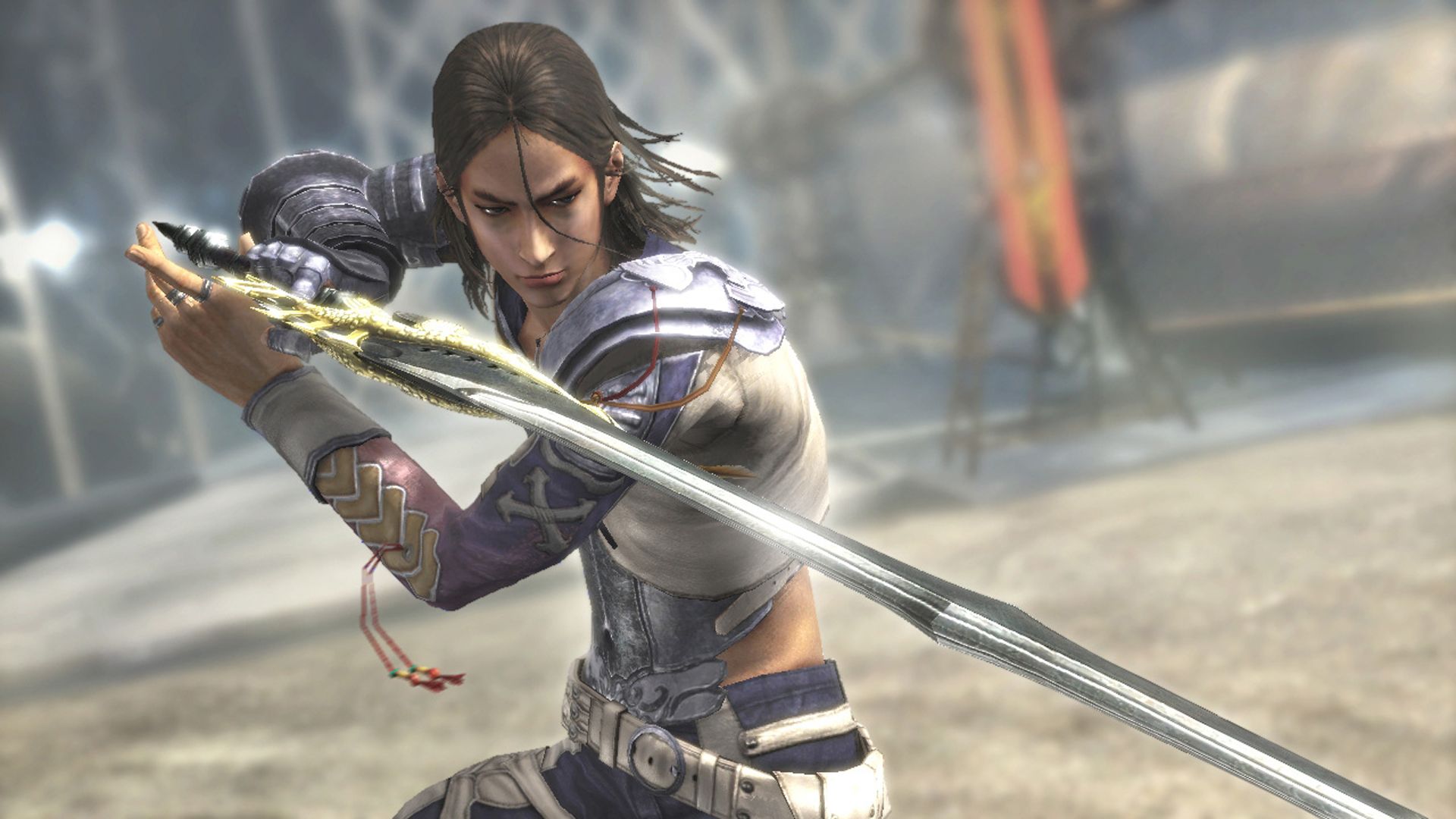
The characteristics of this specific sub-genre include:
- Realistic Visual Fidelity: Avoiding cel-shading or pixel art in favor of high-detail character models and environments.
- Dramatic, Mature Storytelling: Focusing on universal themes like mortality, memory, and grief rather than purely shonen-inspired power fantasies.
- Mechanical Depth: Utilizing a refined, turn-based tactical system that rewards player strategy over reflex-based action.
Since Lost Odyssey, the industry shifted toward open-world action RPGs. Titles that attempted to blend high-end graphics with turn-based systems became increasingly rare, leaving a "lost generation" of players who craved the narrative gravitas of a Final Fantasy game but in a modern, tactical package.
Official Perspectives and the Philosophy of "Imperfection"
Broche’s admiration for Lost Odyssey is nuanced; he is not blind to its flaws. He notably pointed out that the game’s antagonist lacked the depth seen in the game’s protagonist, Kaim Argonar. However, Broche posits that this imperfection is exactly what gives the game its "soul."
In a recent interview with GamesRadar+, Broche remarked, "They’re usually just really boring—’perfect’ games are like people with no personality." This philosophy extends to his work on Clair Obscur. He views the "flaws" of older titles as markers of artistic ambition. By chasing perfection, many modern developers strip their games of the quirks and unique emotional beats that allow players to form deep, long-lasting attachments to a virtual world.
For Broche, the emotional weight of Lost Odyssey—the way the music and the story continue to haunt him years later—is the gold standard for game design. "Every now and then, I think back on it, I listen to the music and immerse myself in it all over again," he noted. "It’s truly one of the most powerful, emotional experiences of my life as a gamer."
Implications for the Future of RPGs
The development of Clair Obscur: Expedition 33 is more than just a homage; it is a statement of intent. By positioning his game as the spiritual successor to the path Lost Odyssey walked, Broche is signaling a shift in the current development zeitgeist.
1. The Return of the "Ambitious" Turn-Based Game
The success of Baldur’s Gate 3 has already proven that players are hungry for deep, strategic, turn-based experiences that do not sacrifice narrative ambition. Clair Obscur aims to bridge that gap further, proving that you can have a "blockbuster" experience without relying on real-time twitch gameplay.
2. Validating the "Old School" Design
Broche’s success suggests that developers are beginning to view the "old school" tag as a strength rather than a weakness. By embracing linear storytelling and deliberate combat, developers can create tighter, more impactful experiences that respect the player’s intelligence.
3. Preservation and Legacy
The ongoing accessibility of Lost Odyssey on modern Xbox consoles serves as a reminder that the industry must protect its history. As digital storefronts become the primary method of consumption, titles that were once deemed "failures" or "niche" have the opportunity to find their audience decades later.
Final Reflections
The narrative of Lost Odyssey is a lesson in patience and perspective. What was once deemed a "game from another era" is now being recognized as a masterpiece that was simply ahead of its time.
Guillaume Broche’s desire to pick up the mantle from Hironobu Sakaguchi highlights a healthy cycle in the gaming industry: the torch is passed from one generation of visionaries to the next. While Lost Odyssey may never receive the direct sequel many fans have clamored for, its DNA is currently being woven into the fabric of the next generation of RPGs.
For those who have yet to experience the sorrowful, beautiful journey of Kaim and his immortal companions, the game remains available via digital stores and physical media. As Broche’s Clair Obscur: Expedition 33 approaches, the legacy of Sakaguchi’s forgotten classic feels more alive than ever—proving that in the world of high-concept storytelling, a great game is never truly lost; it is simply waiting for the right moment to be rediscovered.

