

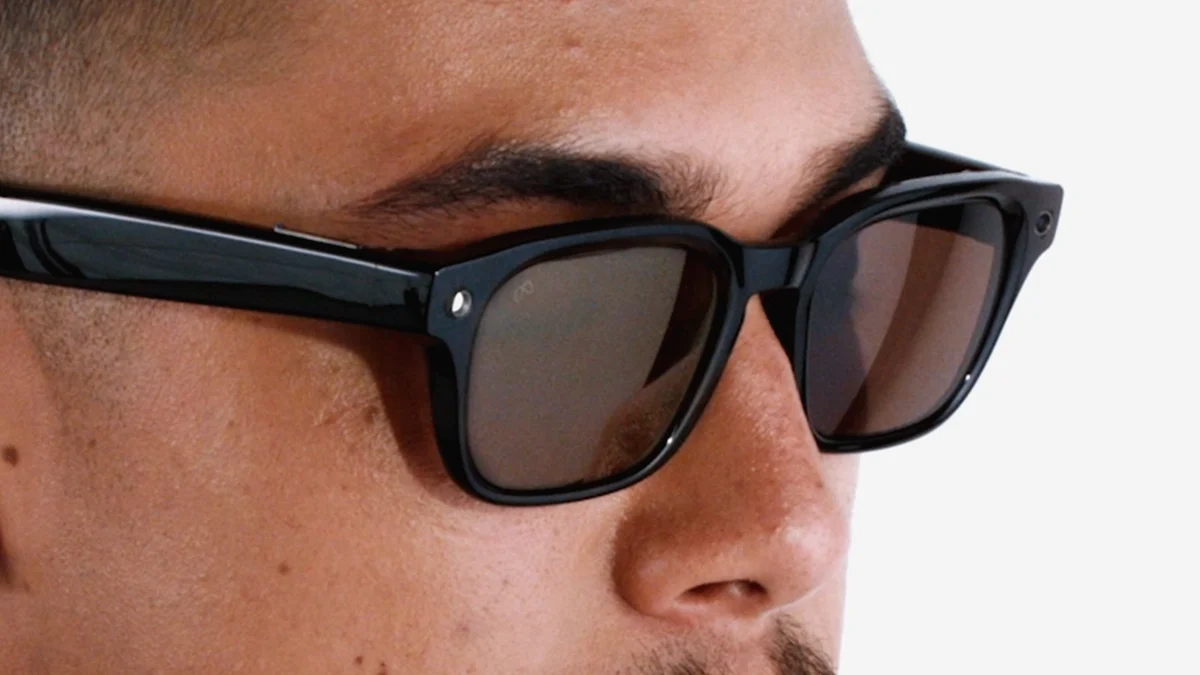
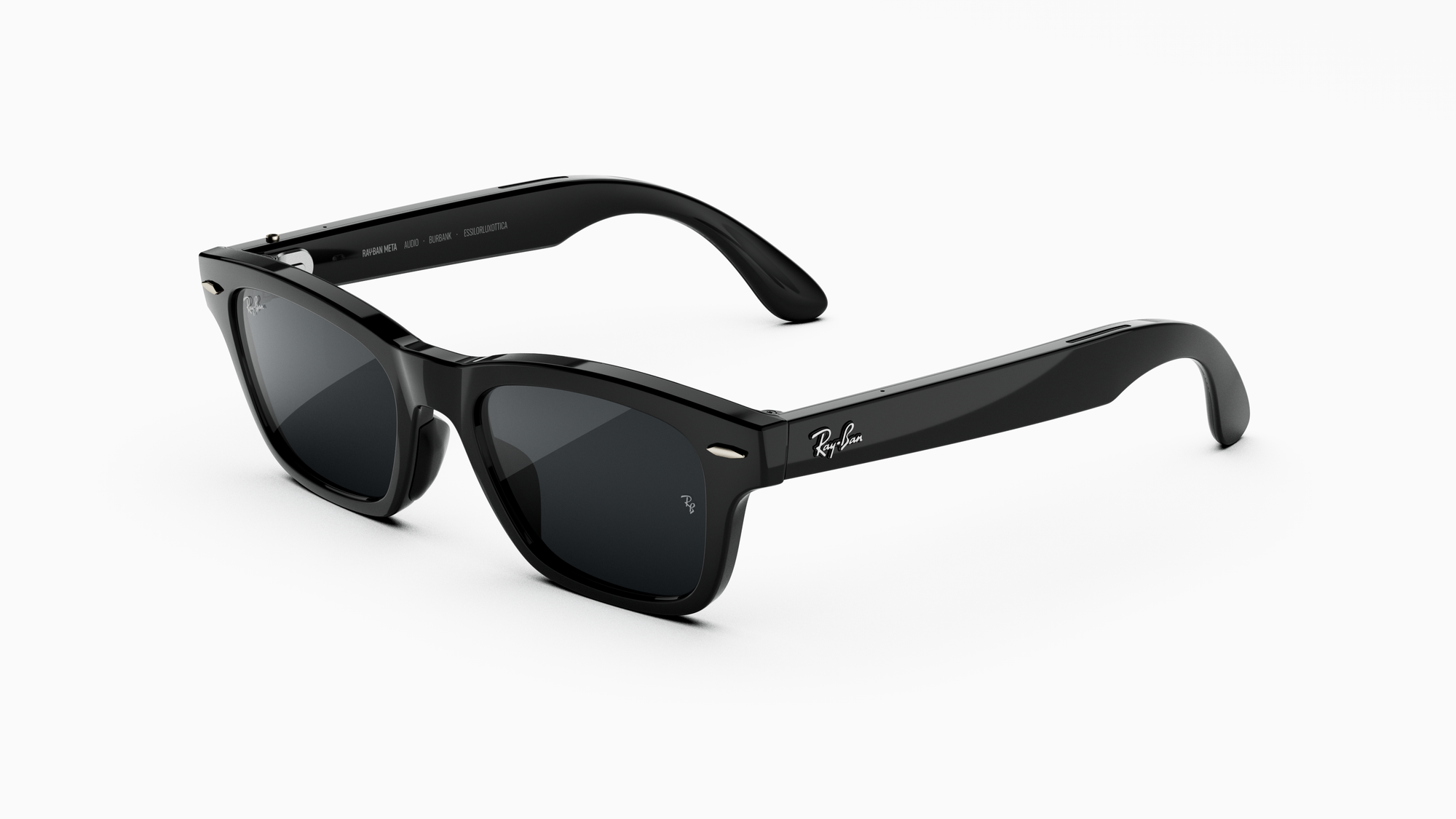
SAN FRANCISCO — In a major strategic shift that addresses growing public anxieties surrounding wearable surveillance, Meta Platforms officially announced the Ray-Ban Meta Audio at Meta Connect 2026. Eschewing the built-in cameras that have defined its previous generations of smart eyewear, this new line focuses exclusively on audio immersion and artificial intelligence integration.
By dropping the camera hardware entirely, Meta has engineered its lightest and sleekest smart glasses to date. The move is widely interpreted as a direct play to capture a hesitant consumer demographic—individuals who love the utility of voice-activated AI and seamless audio streaming, but remain deeply uncomfortable with the social stigma and privacy risks associated with a camera mounted on someone’s face.
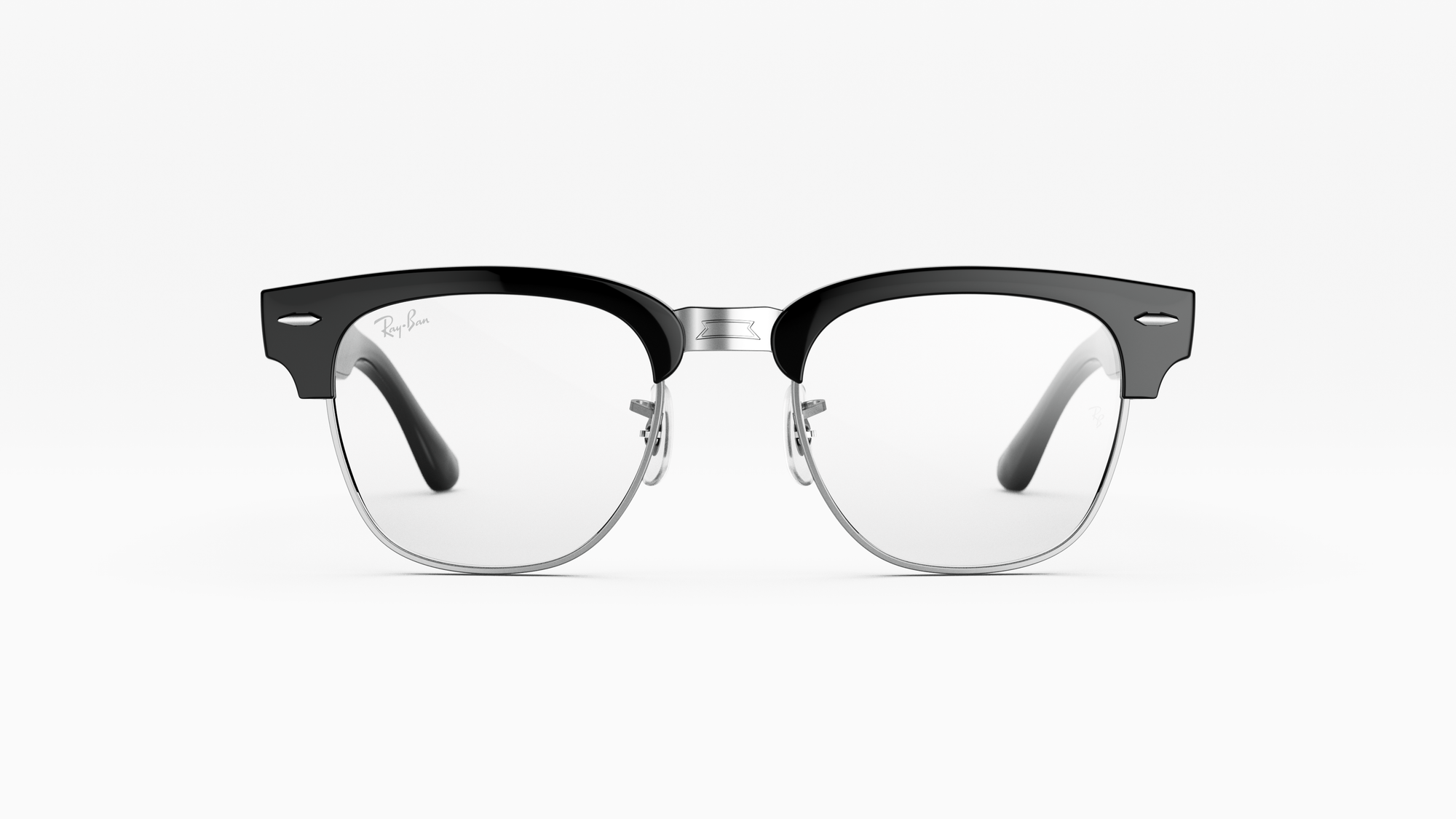
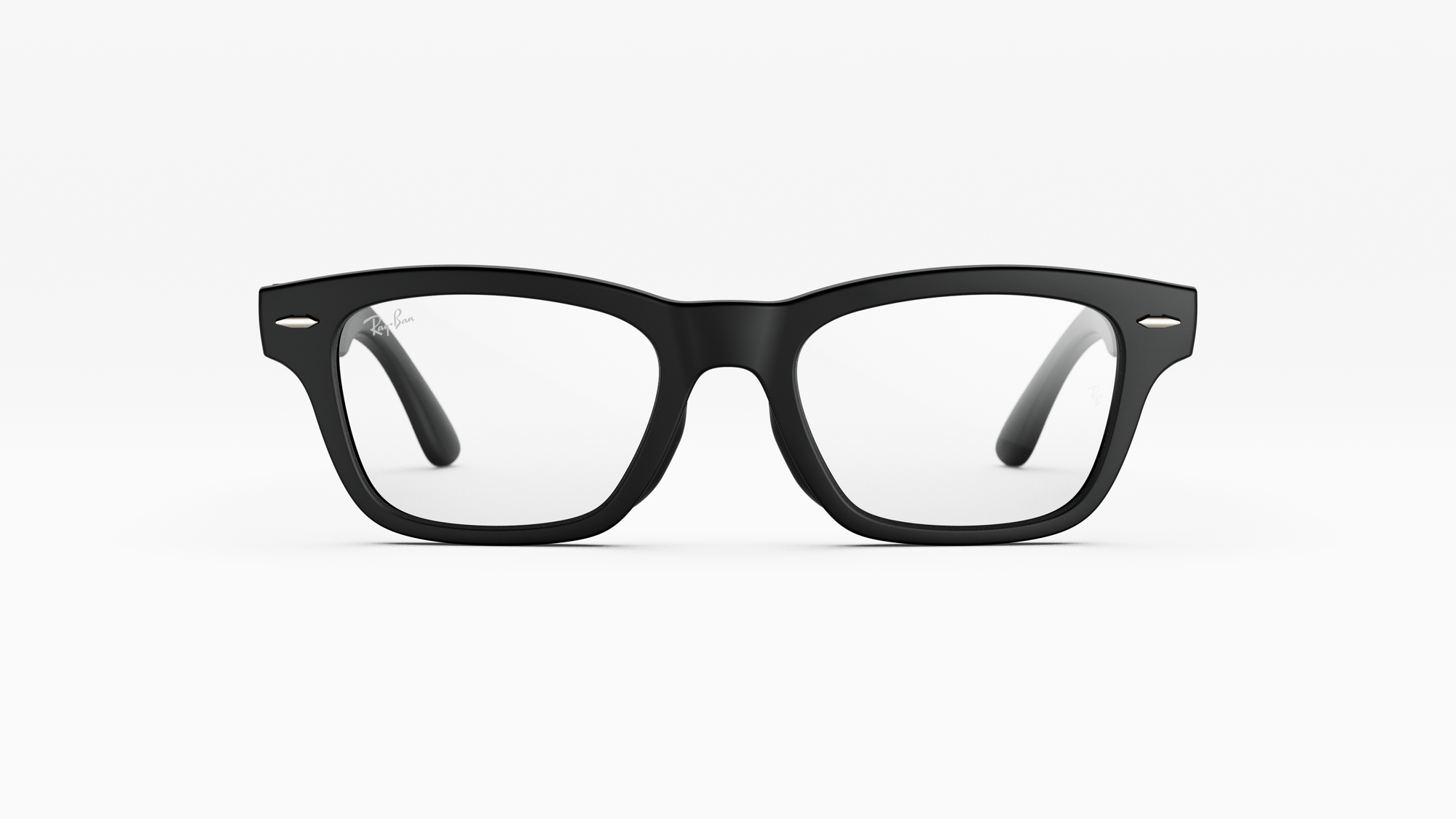
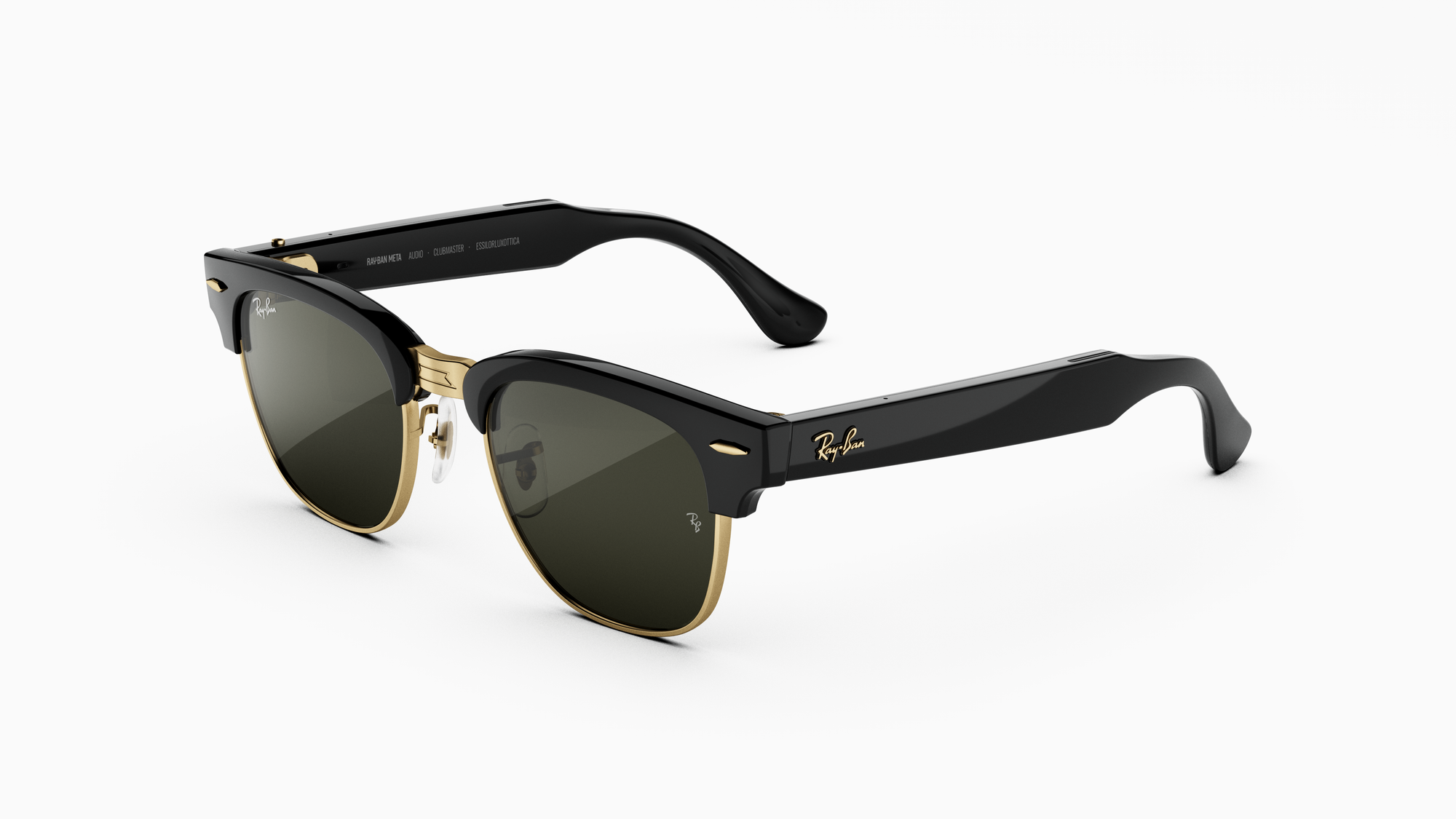
Available for pre-order starting at $349, with shipments slated to begin on October 13, the Ray-Ban Meta Audio introduces two distinct, classic styles: the Burbank and an all-new Clubmaster iteration.

Main Facts: What Is the Ray-Ban Meta Audio?
The Ray-Ban Meta Audio represents a bifurcated product strategy for Meta and its partner, EssilorLuxottica. For the first time, consumers can purchase Meta-powered smart glasses completely devoid of optical recording equipment.
Despite the missing camera and its associated LED recording indicator, the glasses retain nearly all of the core non-visual functionalities that made the previous Ray-Ban Meta generation a surprise commercial hit. Key features include:
- Meta AI Integration: Users can interact with Meta’s voice assistant to ask questions, translate languages, and manage daily schedules hands-free.
- Immersive Audio Delivery: Open-ear speaker architecture allows wearers to listen to high-fidelity music, audiobooks, and podcasts while remaining aware of their surrounding environment.
- Crystal-Clear Call Quality: Integrated multi-microphone arrays ensure seamless phone calls and voice notes even in loud outdoor conditions.
- Featherweight Construction: Without internal camera hardware and heavy sensor modules, the frames boast a dramatic reduction in weight. The Clubmaster style weighs in at a remarkably light 43 grams for the standard size, while the Burbank sits closely behind at 47 grams.
- Distinct Aesthetic Options: The Burbank mirrors the familiar, timeless silhouette of the Wayfarer-style frames minus the camera ports, while the Clubmaster offers a completely fresh, vintage-inspired look previously unavailable in Meta’s smart eyewear lineup.
Chronology: The Evolution of Meta’s Smart Eyewear
To understand the significance of the Ray-Ban Meta Audio release, it is necessary to examine how Meta’s hardware ecosystem evolved over the years leading up to Meta Connect 2026.
1. The Genesis: Ray-Ban Stories (2021)
Meta (then Facebook) first entered the smart glasses market in collaboration with EssilorLuxottica by launching the Ray-Ban Stories. While innovative for their time, these glasses suffered from limited battery life, mediocre audio, and low-resolution cameras. More importantly, they established a precedent: smart glasses equaled a camera on your face.
2. The Breakthrough: Ray-Ban Meta Smart Glasses (2023–2025)
The second-generation Ray-Ban Meta smart glasses were a massive commercial turning point. Powered by upgraded Snapdragon chips, vastly superior open-ear speakers, and integrated multimodal AI features (like Meta AI), they flew off shelves. However, their onboard cameras also became a lightning rod for cultural controversy.
3. The Backlash and Firmware Countermeasures (2024–2025)
As adoption scaled globally, public friction intensified. Reports of "sleazy influencers" and privacy-invading actors using the glasses to secretly record unsuspecting individuals in public spaces, locker rooms, and private venues sparked widespread backlash. In response, Meta attempted to mitigate public relations damage by rolling out mandatory firmware updates designed to detect and disable the camera if the privacy LED indicator light was tampered with, alongside public awareness campaigns.
4. The Bifurcation: Meta Connect 2026
Recognizing that camera-induced anxiety was creating a hard ceiling on market penetration, Meta officially announced the camera-free Ray-Ban Meta Audio at Meta Connect 2026, offering consumers a privacy-first alternative without sacrificing AI or audio utility.
Supporting Data: Specifications and Ergonomics
The engineering triumph of the Ray-Ban Meta Audio lies in its reduction of physical bulk. Wearable technology lives and dies by comfort; if a pair of glasses feels heavy or unbalanced after hours of wear, consumers simply stop wearing them.
| Model | Weight (Standard Size) | Camera Present? | Primary Material | Price | Release Date |
|---|---|---|---|---|---|
| Ray-Ban Meta Burbank | 47 grams | No | Premium Acetate | $349 | October 13, 2026 |
| Ray-Ban Meta Clubmaster | 43 grams | No | Acetate / Metal Combo | $349 | October 13, 2026 |
| Previous Gen Wayfarer | ~49–50 grams | Yes | Premium Acetate | $299+ | Discontinued / Active |
By shaving off critical grams, Meta has managed to make smart glasses that genuinely feel indistinguishable from ordinary prescription or luxury sunglasses. The introduction of the Clubmaster frame also targets a more sophisticated, retro-leaning demographic that felt alienated by the chunkier, sportier profiles of earlier tech wearables.
Official Responses and Industry Context
The introduction of a camera-free variant has sparked intense debate across the tech industry regarding consumer privacy, product positioning, and corporate transparency.
Meta’s Official Stance
When pressed by reporters at UploadVR about whether the multi-year development of the Ray-Ban Meta Audio was a direct reactionary pivot to public backlash, Meta representatives pushed back against the narrative. The company maintained that the camera-free audio glasses have been in active research and development pipelines for years, conceived simply as a distinct product tier for consumers who prioritize all-day audio consumption and voice-AI assistance over visual capture.
The Philosophical Debate: Tools vs. Misuse
Industry analysts point out the delicate tightrope Meta must walk. Defenders of smart eyewear frequently argue that technology should not be judged solely by its worst-case scenario applications.
- "A knife can be used to prepare a gourmet meal or commit a crime," notes tech ethicist Sarah Jenkins. "A fire can warm a home or burn down a forest. The camera on the previous generation of Ray-Ban Metas was intended for memory-capture and visual AI queries. The fault lies with the bad actor, not the lens."
However, critics counter that public spaces demand a baseline expectation of unrecorded privacy. When individuals cannot easily verify whether a person wearing trendy designer frames is recording them, social friction is inevitable. By eliminating the camera entirely, Meta instantly defuses this tension for wearers of the new Audio line. Users can walk into coffee shops, gyms, and corporate boardrooms without drawing suspicious glances or triggering privacy alarms.
Implications: What This Means for the Future of Wearables
The launch of the Ray-Ban Meta Audio has profound implications for the trajectory of augmented reality (AR) and everyday consumer electronics.
1. Expanding the Total Addressable Market
By removing the camera, Meta has effectively neutralized the primary objection raised by privacy-conscious consumers, corporate compliance officers, and restrictive institutions (such as schools, theaters, and secure workplaces). This opens up vast new retail channels where camera-enabled smart glasses are outright banned.

2. The Normalization of Voice-AI and Audio Wearables
While futuristic augmented reality glasses with heads-up displays remain the ultimate long-term goal for tech giants like Meta, Apple, and Google, the intermediate stepping stone is clearly ambient computing. Users want conversational AI in their ear and music on demand without strapping bulky headsets or smartwatches to their bodies. The Ray-Ban Meta Audio proves that everyday frames can house advanced neural processing units and directional audio without looking like sci-fi props.
3. A Blueprint for Future Competitors
As other hardware manufacturers race to build competing AI glasses, Meta’s dual-track approach—offering both camera-equipped and audio-only versions—may become the industry standard. Consumer choice is king, and by letting buyers explicitly opt out of optical recording, Meta has charted a pragmatic, socially palatable course for the future of wearable tech.
The Ray-Ban Meta Audio is available for pre-order now at a retail price of $349, with global shipping commencing on October 13. Whether you are looking to block out the world with podcasts or query Meta AI on your morning commute while keeping social anxieties at bay, Meta’s latest offering proves that sometimes, the smartest move a tech company can make is knowing what to leave out.

