


Long before unauthorized footage of Grand Theft Auto VI sent shockwaves through the gaming community, triggering severe security crackdowns and intense fan speculation, Rockstar Games faced a different kind of leak nightmare. It wasn’t just a handful of raw, unfinished development clips or developer build assets—it was the near-complete, playable final product.
In the modern gaming landscape dominated by robust Digital Rights Management (DRM) software like Denuvo, encrypted pre-loads, and hyper-vigilant legal teams, the idea of a multi-billion-dollar blockbuster leaking online ahead of release feels almost impossible. Yet, over a decade ago, this exact scenario unfolded just weeks before the launch of Grand Theft Auto V, forever changing how the industry looks at pre-release data security.
Main Facts: The 2013 Pre-Launch Catastrophe
The security breach surrounding Grand Theft Auto V in late August and early September 2013 was unprecedented for its scale and impact. Unlike typical industry leaks—which usually consist of concept art, marketing text, or brief, blurry video clips—the GTA V leaks compromised the actual game files, code, and narrative details.
Key elements of the 2013 leaks included:
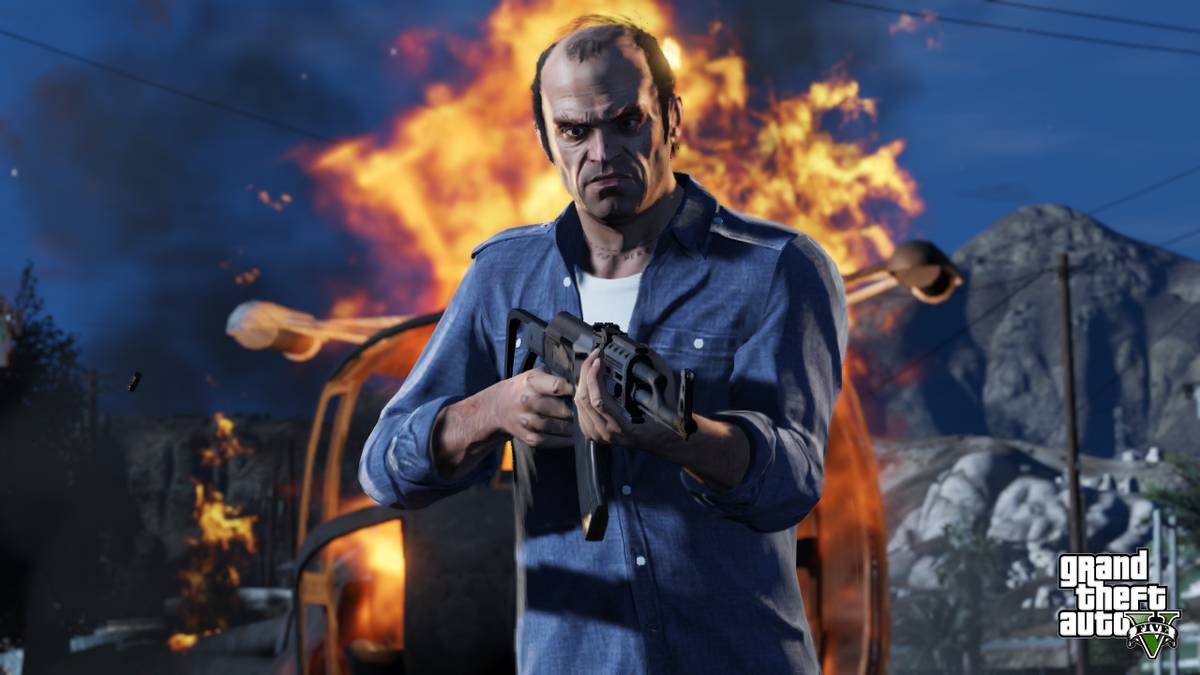
- The PlayStation Store Snafu: Due to an error on the digital storefront, players who had pre-ordered the game on the PlayStation 3 were inadvertently granted early access to download portions of the game’s core files.
- Soundtrack and Map Spoilers: Initial datamining revealed specific tracks from the in-game radio stations, total file size requirements, and physical world map layouts sourced from early strategy guide printings.
- The Torrent Upload: The situation escalated rapidly when the full game files were uploaded to torrent tracking networks, allowing owners of modded and jailbroken consoles to download, install, and play the entire game days before its official September 17 release date.
- Narrative Breaches: Early players quickly began disseminating major plot points, twists, and the game’s various endings across major online forums like NeoGAF and Reddit.
Chronology of a Leak: From Digital Gaffe to Global Torrent
To understand how the GTA V leak unfolded, it helps to trace the timeline of events leading up to the game’s eventual launch.
Phase 1: The Accidental Digital Pre-load (Late August 2013)
Weeks ahead of the scheduled launch, Sony’s PlayStation Store suffered a severe configuration error. Digital pre-order customers found themselves able to download files associated with Grand Theft Auto V. At first, the community treated the discovery as a harmless technical curiosity. Users combed through the downloaded data packets to estimate hard drive space requirements and discover the names of licensed musicians and radio stations featured in the game.
Phase 2: Strategy Guide and Map Exposure (Early September 2013)
As physical distribution networks began receiving inventory, leaks shifted from digital storefronts to print media. Early copies of official strategy guides were delivered prematurely to select customers, or photographed and uploaded by retail workers. These leaks revealed the full geographic scale of Los Santos and Blaine County, spoiling the layout of the game world well before Rockstar intended players to explore it.
Phase 3: The Full Game Torrent and Jailbreak Era (Mid-September 2013)
The situation transformed from a minor spoiler annoyance into an absolute crisis when the game files extracted from the digital store snafu were successfully cracked and uploaded to torrent hosting websites. Players with modified PlayStation 3 and Xbox 360 consoles were able to boot up the complete, finished campaign. Suddenly, GTA V was fully playable in the wild, with users streaming, recording, and discussing the narrative online with impunity.

Supporting Data and Technological Context
Comparing the 2013 leaks of Grand Theft Auto V to modern leaks involving Grand Theft Auto VI highlights just how much both technology and internet culture have evolved over a span of thirteen years.
- Resolution and Capture Quality: In 2013, smartphone cameras and capture cards were vastly inferior to today’s standards. Much of the leaked footage was captured on low-resolution handheld devices, resulting in heavily compressed, vertical, 240p videos. Famously, users on forums like NeoGAF complained about the poor quality, with one user rhetorically asking, "I don’t know how 240p video even exists." Many of these discussions took place on platforms like Vine, which no longer exists. By contrast, modern leaks of GTA VI frequently circulate in pristine 4K resolution.
- The Nature of the Content: The GTA V leaks involved a finished or near-finished retail product. Conversely, the high-profile leaks targeting GTA VI—often attributed to underground hacking syndicates or extortion groups like Cyberleek—have centered on early, unpolished development builds, featuring placeholder assets, debugging tools, and raw internal animations.
- The Player Experience: Across both eras, one universal truth remained: fans watching leaked gameplay universally complained about the skills of the people playing. Whether watching shaky 2013 camera footage of someone driving wildly into oncoming traffic or modern clips of early mission testing, internet commentators routinely lamented, "The dude was driving like an idiot."
Official Responses and Industry Fallout
The sudden exposure of Rockstar’s crown jewel forced both platform holders and developers into immediate, defensive action.
Sony’s Apology and Countermeasures
Realizing the gravity of the PlayStation Store configuration error, Sony swiftly pulled the digital pre-load files from the network and issued public statements. The tech giant apologized profusely to both Rockstar Games and the millions of fans eagerly awaiting the title, scrambling to plug the digital leak vector.
Rockstar Games’ Official Statement
Rockstar released a formal statement expressing deep frustration over the leaks, emphasizing the monumental effort poured into the project by developers worldwide:
"As you can imagine, we are deeply disappointed by leaks and spoilers being spread in advance of the game’s launch. GTA V represents years of hard work by many people across the world, and we all couldn’t be more excited to finally share it with you properly this September 17th."
Moderation and Bans
As story spoilers flooded public spaces, forum administrators, Reddit moderators, and Rockstar themselves instituted severe crackdowns. Both Rockstar and Sony warned that users caught actively distributing major endgame spoilers or promoting pirated copies would face immediate account bans and restrictions.
Implications: Parallels and Differences with GTA 6
Looking back at the GTA V leaks offers critical perspective on how the industry handles security threats today, particularly in the shadow of the unprecedented pressure surrounding Grand Theft Auto VI.
When malicious actors or leakers threaten to distribute early builds of GTA VI, the gaming community labels it a "doomsday scenario." However, the structural differences between 2013 and the mid-2020s are stark:

- Physical vs. Digital and Cloud Ecosystems: In 2013, the industry still relied heavily on physical discs and traditional console architecture, making retail supply chains and digital store files vulnerable points of failure. Today, companies like Rockstar rely heavily on secure digital delivery systems, tightly controlled internal networks, and streaming formats, shifting the threat vector from retail leaks to sophisticated external cyberattacks and social engineering.
- The Threat of Unfinished Code: The 2013 leaks hurt because they spoiled a finished game too early. The modern fear surrounding GTA VI leaks is different; it involves exposing unfinished, unoptimized code that could be misinterpreted by the public or weaponized by bad actors to damage developer morale and corporate valuation.
Ultimately, while the leaks of Grand Theft Auto V proved that even the most secretive studios are vulnerable to logistical mishaps and digital accidents, they also demonstrated the resilience of a passionate fanbase. Despite the spoilers, the maps, and the torrents, GTA V went on to become one of the most commercially successful entertainment products in human history—proving that great games can ultimately survive even the messiest of launches.

