

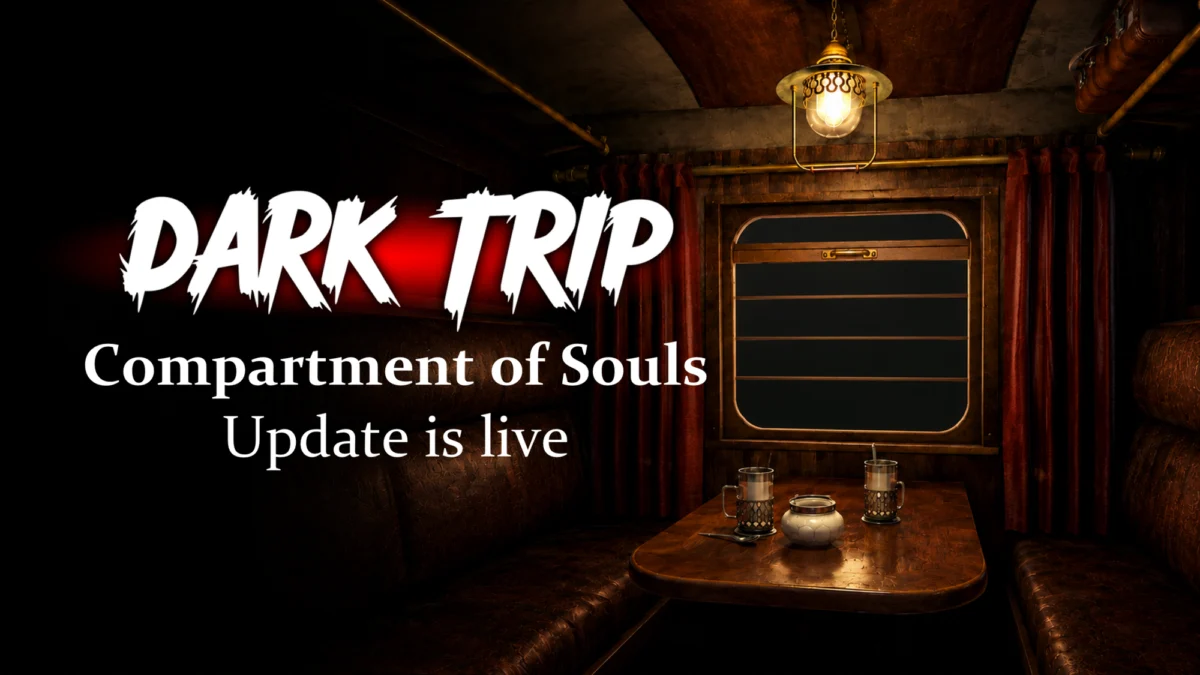
The landscape of virtual reality horror has long been dominated by jump-scares and linear survival shooters. However, Dark Trip, the ambitious project currently navigating the treacherous waters of Early Access, has carved out a unique niche by blending cerebral puzzle-solving with disorienting, psychedelic atmosphere. During the most recent UploadVR Showcase, the developers announced a significant milestone for the the release of the "Compartment of Souls," a major content update that introduces the game’s 15th escape room.
As Dark Trip continues to evolve, it has become a case study in how indie developers can leverage community feedback and iterative design to build a compelling, multi-faceted horror experience.
Main Facts: The Evolution of a Psychological Thriller
At its core, Dark Trip is an investigative horror game that places players in the shoes of a private investigator. The premise is deceptively simple: a wealthy, retired businessman has lost his daughter, and all signs point toward an abandoned, dilapidated laboratory. Upon entering, the player finds themselves trapped in a shifting architectural nightmare, forced to navigate a series of intricate escape rooms to uncover the truth behind the disappearance.
The "Compartment of Souls" update serves as a testament to the game’s growth. By adding the 15th room, the developers are not merely adding a new map; they are expanding the narrative scope and the mechanical complexity of the game. Dark Trip distinguishes itself from its peers through its "hallucination mechanic"—a gameplay loop where players must ingest specific pills to shift their perception. This transition forces the environment to mutate in real-time, turning familiar geometry into surreal, nightmarish vistas that hold the keys to progression.
Chronology: From Concept to Expanding Nightmare
The journey of Dark Trip has been one of consistent, calculated progression. To understand the significance of the "Compartment of Souls" update, one must look at the timeline of the game’s development:
- February 2025: Dark Trip officially enters Early Access on the Meta Quest platform. At launch, the game featured a foundational set of rooms that established its dark, claustrophobic aesthetic.
- March–May 2025: The development team maintains a rigorous cadence of updates, refining the VR interaction models and expanding the game’s environmental storytelling based on player reports.
- June 4, 2026: A pivotal moment for the studio as they launch a closed playtest on Steam. This transition marked the move toward multi-platform support, signaling that the game would no longer be a Quest-exclusive experience.
- June 2026 (UploadVR Showcase): The "Compartment of Souls" update is officially unveiled, bringing the total count of escape rooms to 15 and showcasing the studio’s commitment to delivering a polished, episodic experience.
This timeline highlights a studio that is not rushing to a full release, but rather treating Early Access as a collaborative sandbox. By allowing the player base to influence the game’s trajectory, Dark Trip has managed to cultivate a dedicated following that eagerly awaits each new content drop.
Supporting Data: The Mechanics of Fear
What sets Dark Trip apart in a saturated VR market is its focus on the "psychedelic horror" sub-genre. Unlike titles that rely on scripted enemies or chase sequences, Dark Trip leans into the psychological discomfort of isolation and cognitive dissonance.
The Hallucination System
The game’s core mechanic—the forced hallucinatory state—is a masterclass in VR immersion. When a player takes a pill, the game engine manipulates shaders, lighting, and object placement. Walls may begin to pulse with organic textures, paths that were once blocked open up, and the audio landscape shifts from ambient silence to discordant, layered soundscapes.
Cross-Platform Versatility
The recent expansion to Steam highlights the team’s technical adaptability. The inclusion of "conventional flat controls" alongside PC VR support is a strategic move to broaden the game’s reach. By catering to players who may not own high-end VR hardware, the developers are ensuring that the narrative—which is central to the experience—reaches a wider audience. This dual-input approach is becoming a gold standard for modern horror games, allowing for accessibility without compromising the immersion of the VR version.
Official Perspectives and Community Reception
The developer’s approach to the "Compartment of Souls" update has been characterized by transparency. Following the UploadVR Showcase, the lead design team emphasized that the 15th room was specifically designed to test the player’s mastery of the mechanics introduced in the preceding 14 rooms.
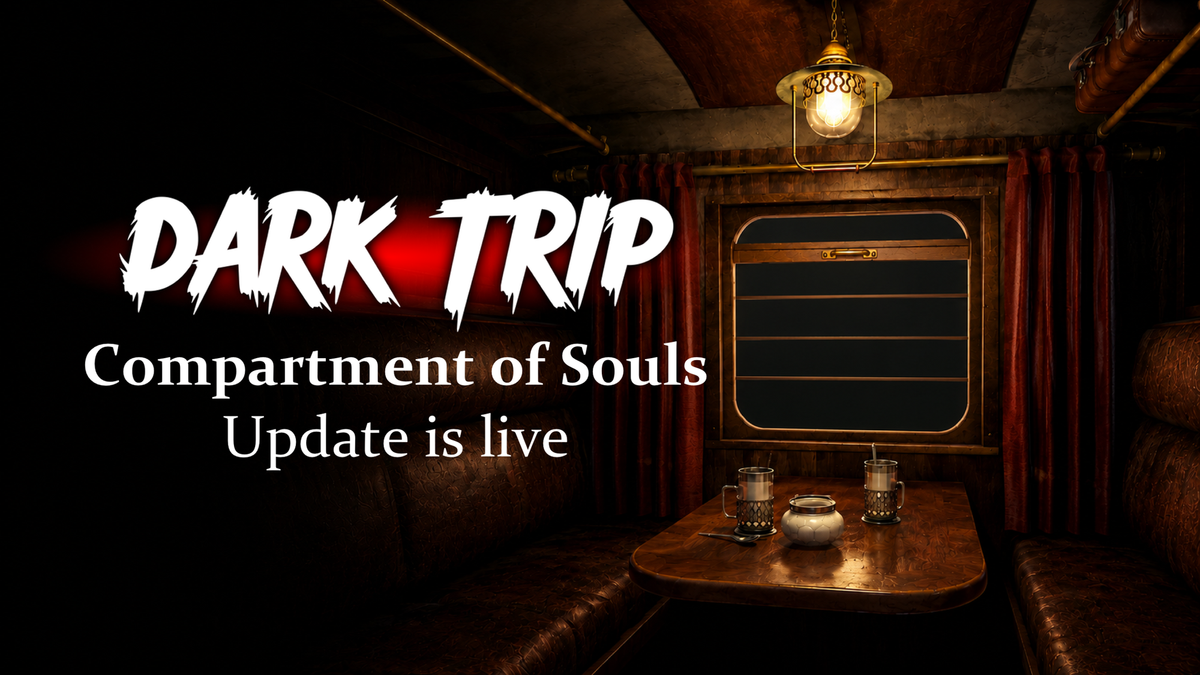
"We didn’t want to just add another box to escape from," a lead developer noted in a post-showcase briefing. "The ‘Compartment of Souls’ is designed to be the nexus of the game’s lore. It ties together the loose threads of the laboratory’s history and forces the player to question whether the girl they are searching for is even there at all."
Early feedback from the Meta Quest community has been overwhelmingly positive, with players highlighting the increased difficulty of the new puzzles. The consensus among the early adopters is that the game has successfully moved beyond the "tech-demo" feel that often plagues early-access VR titles, settling into a mature, narrative-heavy experience.
Implications: The Future of VR Horror
The success and continuous updating of Dark Trip hold several implications for the future of virtual reality as a gaming medium.
The Rise of Episodic VR
Dark Trip proves that the episodic model—where content is released in waves—is highly effective for VR. Because VR titles are often physically demanding, players appreciate the "room-by-room" pacing of Dark Trip. It allows for bite-sized sessions that are emotionally taxing but manageable, preventing the "VR fatigue" often associated with longer, open-world experiences.
The Persistence of Indie Innovation
The game’s success on the Meta Quest store, followed by a move to Steam, demonstrates that independent studios can command significant attention in the VR space by focusing on high-quality, niche gameplay loops. By mastering a specific style—in this case, the escape room format—the developers have created a sustainable product that can be expanded indefinitely.
The "Flat-Screen" Hybrid Model
The integration of flat-screen controls for the Steam release is a significant signal for the industry. Developers are realizing that locking a game to a single hardware ecosystem limits its cultural impact. By making Dark Trip playable on traditional monitors, the studio is building a brand that can survive even if the VR hardware landscape shifts or changes.
Conclusion: A Descent into the Unknown
As Dark Trip pushes toward its final version, the "Compartment of Souls" update stands as a midpoint, a reflection of how far the game has come since February 2025. It is no longer just a collection of puzzles; it is a cohesive, surrealist journey that demands patience, observation, and a willingness to step into the unknown.
For fans of the genre, the message is clear: the laboratory doors are open, and the mysteries contained within are only growing deeper. Whether you are navigating the halls via a high-end VR headset or a standard controller, the nightmare in Dark Trip is one worth experiencing. As the development team continues to iterate on the "Compartment of Souls" and looks toward future expansions, one thing remains certain—the journey into the dark is far from over.
The path ahead for the studio involves refining the existing narrative, ensuring that the final "exit" is as impactful as the initial "entry." With a proven track record of timely updates and community engagement, Dark Trip is well-positioned to become a definitive entry in the pantheon of VR psychological horror. For now, players are invited to step back into the lab, take the pill, and see what the 15th room has in store for their sanity.

