

Introduction: The Changing Landscape of Virtual Reality
For years, Virtual Reality (VR) was positioned as a high-barrier-to-entry luxury, accessible only to enthusiasts with top-tier PC rigs and tethered headsets. However, the paradigm has shifted significantly since the release of the Oculus Quest 2. With the integration of wireless streaming technologies like Air Link and Virtual Desktop, the friction of VR immersion has dropped, allowing a broader audience to explore the medium’s potential. Amidst this growth, titles that focus on physical engagement and skill-based mechanics have begun to flourish. One such standout title is Dragon Fist: VR Kung Fu, a game that translates the complex art of martial arts into a tactile, first-person digital experience.
Main Facts: What is Dragon Fist: VR Kung Fu?
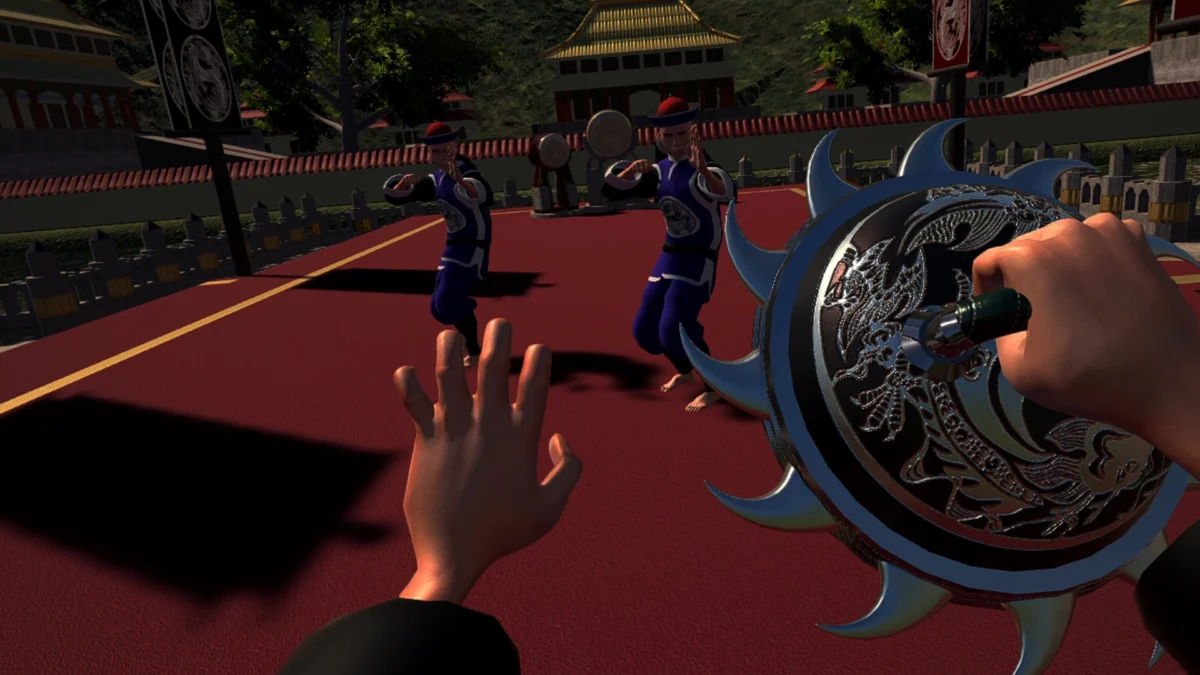
Dragon Fist: VR Kung Fu is a first-person combat simulator developed for VR platforms. Unlike arcade-style fighting games that rely on button-mashing, Dragon Fist requires the player to physically exert themselves, mirroring the motions of traditional Kung Fu.
Core Gameplay Mechanics
The game functions as a linear progression fighter where players select a character and advance through a series of increasingly difficult opponents. The combat system is built on precision rather than brute force. The mechanics include:
- Diverse Strike Types: Players utilize a variety of strikes, including palm strikes, finger jabs, and standard punches.
- Anatomical Targeting: The game rewards tactical thinking. Striking an opponent in specific anatomical locations yields distinct gameplay debuffs. For instance, a well-timed finger jab to the eyes can temporarily impair the opponent’s vision, while a punch to the lower ribs will deplete their stamina regeneration, leaving them vulnerable to counter-attacks.
- Stamina and Skill: Because of these mechanics, players cannot rely on frantic, wild swinging—a common pitfall in early VR titles. As the difficulty ramps up, players must adopt a measured, strategic approach to combat.
Chronology: From Concept to Community Favorite
The development of Dragon Fist aligns with a period of rapid maturation for independent VR titles.
- Early Development: The developers identified a gap in the VR market: while there were plenty of sword-fighting games, few titles focused on the nuance of hand-to-hand combat.
- The Steam Release: Upon its release on the Steam platform, the game garnered immediate attention for its physics-based interaction system.
- Post-Launch Refinement: Following its initial launch, the developer focused on balancing the character roster. The introduction of varied character archetypes—each with unique move sets, strengths, and weaknesses—transformed the game from a simple fighter into a meta-game of finding the "main" character that suits the player’s specific physical fighting style.
Supporting Data: The Physicality of the Experience
Dragon Fist is not merely a game; it is an aerobic exercise. The nature of the combat—which necessitates fluid movement, dodging, and rapid strikes—has positioned it as a popular choice for "VR fitness."
The Workout Factor
Data from player reviews and community feedback suggests that a 30-minute session in Dragon Fist can result in significant caloric expenditure. Because the game tracks arm movement and requires full-body engagement for defensive maneuvers, it effectively functions as a martial arts conditioning tool.
Technical Limitations and VR Hardware
While the game is highly lauded, it exists within the constraints of modern hardware. The tracking limitations of current consumer-grade VR headsets mean that occasionally, the game may struggle to interpret extremely rapid or obscured movements. However, this is largely viewed as a limitation of current-generation tracking technology rather than a fault of the game’s design. Developers continue to optimize the physics engine to ensure that even with these hardware constraints, the combat feels responsive and satisfying.
Official Responses and Developer Philosophy
The creators of Dragon Fist have consistently emphasized the importance of "player agency" in their development notes. In various community forums, the development team has addressed concerns regarding motion sickness and tracking by implementing customizable comfort settings and sensitivity adjustments.

The philosophy behind the game is to bridge the gap between "gamey" VR and "sim-lite" experiences. By focusing on the feel of the impact, the developers aim to make the player feel like a true martial artist. Their engagement with the community—frequently patching the game to balance character stats—shows a commitment to competitive integrity, ensuring that no single character remains "overpowered" for long.
Implications: The Future of VR Fighting Games
The success of Dragon Fist: VR Kung Fu holds several implications for the future of the VR industry.
1. The Rise of "Tactile" Combat
The shift away from arcade mechanics towards physics-based interactions is a trend that is likely to define the next generation of VR gaming. Players are no longer satisfied with "hitting a wall"; they want the game to acknowledge the difference between a jab, a hook, and a palm strike. Dragon Fist serves as a blueprint for how this can be achieved in a 3D space.
2. VR as a Legitimate Fitness Category
With the rise of titles like Dragon Fist and other fitness-oriented VR games, the health industry is beginning to take note. We are seeing a blurring of the lines between "gaming" and "lifestyle applications." If a game can provide both entertainment and a genuine cardiovascular workout, it increases the value proposition for the consumer, making the high cost of a VR headset easier to justify.
3. Challenges in Motion Tracking
As games like Dragon Fist push the boundaries of what is possible, they also place immense pressure on hardware manufacturers to improve inside-out tracking. The demand for low-latency, high-accuracy tracking is no longer just a "nice to have"—it is becoming a requirement for developers who wish to create high-intensity, skill-based games.
Conclusion: Why Dragon Fist Remains Essential
Dragon Fist: VR Kung Fu represents a vital step forward for the VR medium. By successfully marrying complex combat mechanics with an accessible, character-driven progression system, it has cemented itself as a must-play for owners of modern VR headsets.
Despite the inherent challenges of the platform—such as tracking fidelity and the physical space requirements for a full-body fighting game—the experience remains unparalleled. It offers a rare combination of strategic depth and intense physical exertion, proving that the future of gaming lies not in how many buttons we press, but in how we move our bodies within a digital space.
Whether you are a martial arts enthusiast looking to test your technique or a gamer seeking a high-energy workout, Dragon Fist provides a compelling argument for why VR is evolving from a niche hobby into a cornerstone of modern interactive entertainment. As the technology behind headsets like the Quest 2 continues to improve, games like this will only become more immersive, more precise, and more essential to the library of every VR enthusiast.

