

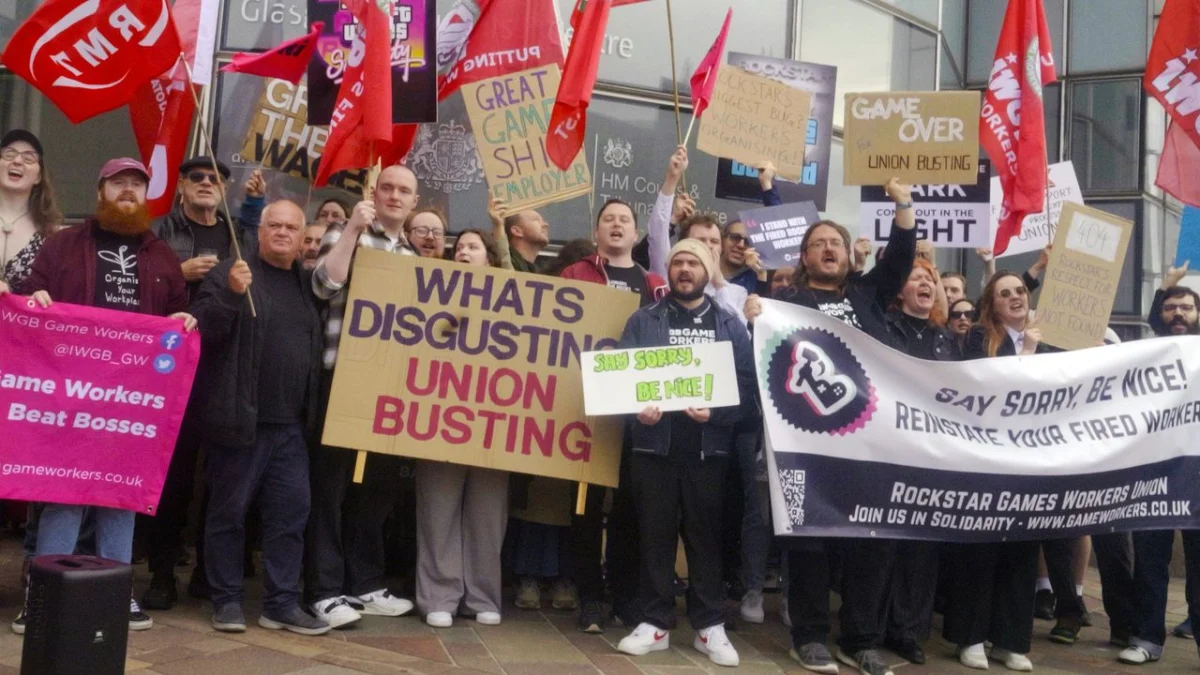
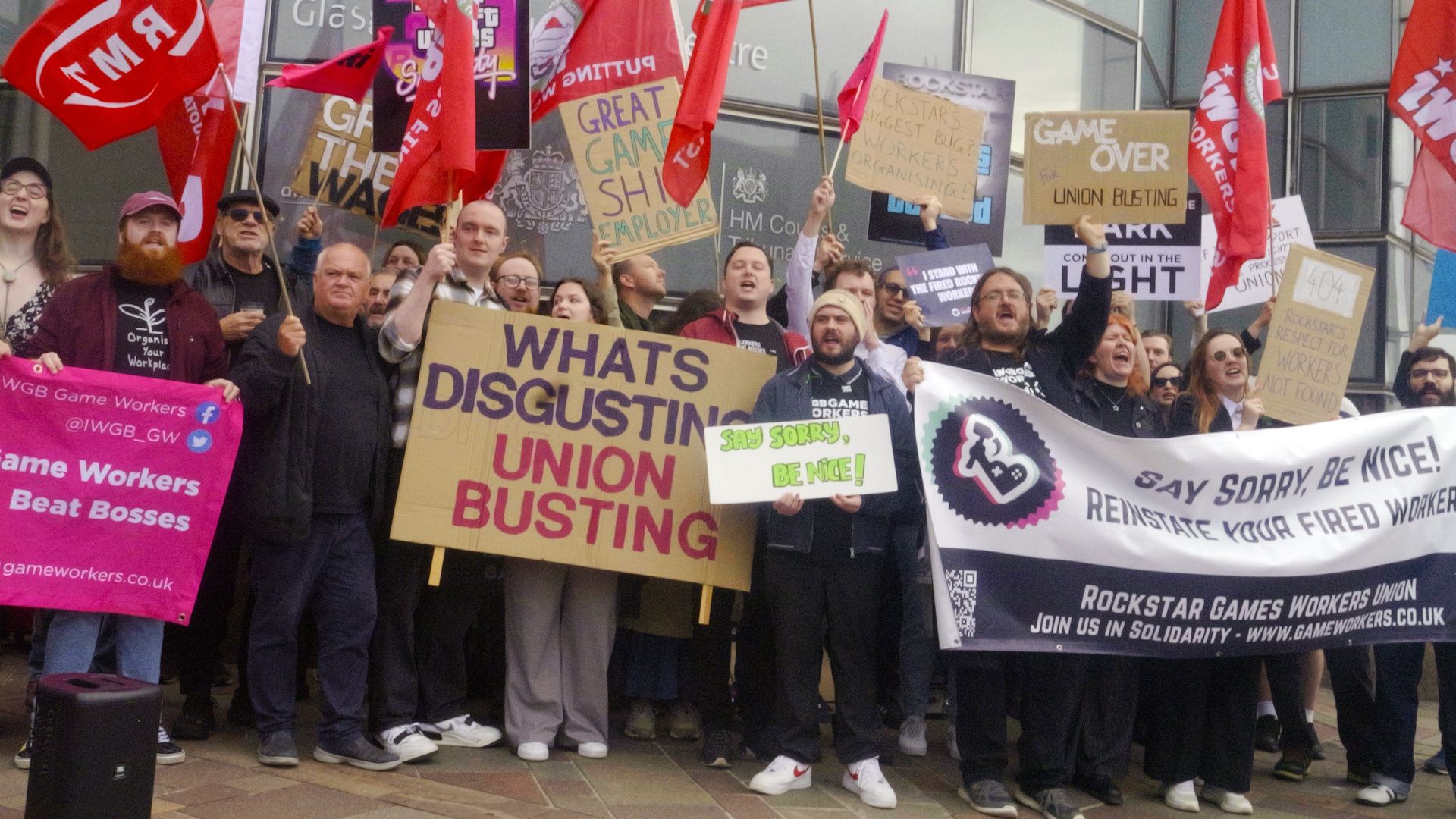
The streets of Glasgow recently became the stage for a pivotal moment in the history of the global video game industry. As the Independent Workers of Great Britain (IWGB) union gathered for a rally, the atmosphere was defined by a mix of somber reflection and defiant optimism. This gathering marked the commencement of the final workplace tribunal hearing for the “Rockstar 31”—a group of former employees terminated by Rockstar Games in October 2025.
At its core, this case is not merely about a mass termination; it is a profound legal and cultural battle over the future of labor rights in an industry long characterized by high-pressure environments, "crunch" culture, and systemic power imbalances.
The Core Conflict: Leaks or Union Busting?
The legal crux of the dispute rests on the starkly contrasting narratives presented by the employer and the affected employees. Rockstar Games, a titan of the interactive entertainment industry, maintains that the termination of these 31 individuals was a necessary disciplinary action. The company alleges that these employees were responsible for the unauthorized disclosure of specific, sensitive game features from upcoming, unannounced titles within a public forum. From the corporate perspective, this was a breach of confidentiality that threatened the integrity of their intellectual property.
Conversely, the IWGB, representing the former workers, frames the event as a calculated act of "union busting." The union argues that the timing and nature of the mass firing—carried out abruptly, without the benefit of a standard disciplinary process or an opportunity for formal appeal—suggests that the company’s primary motivation was to suppress the growing momentum of collective bargaining efforts among its staff.
The fired employees are now seeking a formal ruling from the UK tribunal that their terminations were unfair. Their demands are clear: they are pursuing either reinstatement to their former positions or appropriate financial compensation to account for their sudden loss of livelihood.
A Chronology of the Dispute
The timeline of the “Rockstar 31” case serves as a roadmap for the deteriorating relationship between the workforce and management:
- Pre-October 2025: Increasing internal discussions regarding unionization begin to circulate among Rockstar staff, fueled by concerns over working conditions and industry-wide instability.
- October 30, 2025: The "Black Day." 31 employees are abruptly fired by Rockstar Games. The process is swift, leaving workers with little time to process the decision or access support.
- Late 2025 – Early 2026: The IWGB initiates legal proceedings. Rockstar attempts to mitigate the scope of the claims, but the UK tribunal rules in favor of the workers, allowing the full breadth of the union-busting allegations to be presented at trial.
- September 2026: The final tribunal hearing commences in Glasgow. The proceedings are scheduled to run until October 16, 2026, just weeks before the highly anticipated release of Grand Theft Auto 6.
The Human Element: The Testimony of Rachel Crawford
Perhaps the most poignant moment of the proceedings occurred outside the courtroom, where former Rockstar programmer Rachel Crawford addressed the rally. Crawford, whose credits include industry staples like Grand Theft Auto 5 and Red Dead Redemption 2, offered a harrowing look at the psychological toll of corporate power.
"The modern workplace runs on fear," Crawford stated. "Fear of speaking out. Fear of being punished. Fear of being fired, losing your livelihood and even your home."
Her testimony painted a vivid picture of the day of the terminations. She described a environment where, in the span of minutes, she was ushered out of the building. She noted the chilling effect this had on her remaining colleagues, who were reportedly too afraid to acknowledge her departure or speak openly about the injustice of the situation.
"Fear wants to rule us," she remarked. "It closes our minds, our hearts, and our horizons. But today, we are fighting fear… We will stand up proudly, speak our truth, and demand a better industry—a better world—that we all deserve."
Implications for the Games Industry
The outcome of this tribunal holds significant weight for the wider gaming sector. For years, the industry has relied on a "passion-driven" labor model, where workers are often expected to endure long hours and job insecurity as the cost of working on world-class projects. The Rockstar 31 case serves as a direct challenge to this status quo.
1. The Erosion of the "Crunch" Culture
If the tribunal rules in favor of the workers, it could signal a major shift in how game developers handle internal dissent. It would serve as a legal precedent that "at-will" or summary termination cannot be used as a blunt instrument to quell legitimate efforts to improve working conditions through unions.
2. Intellectual Property vs. Labor Rights
Rockstar’s defense hinges on the protection of its upcoming intellectual property—a sacred cow in the gaming industry. The tribunal must decide if the allegation of leaking is a legitimate basis for immediate termination, or if that justification was used as a pretext to eliminate union organizers. This balance between corporate security and worker protections is a recurring theme in modern labor law.
3. Public Perception and the "GTA 6" Factor
The timing of the trial, occurring in the shadow of the Grand Theft Auto 6 release (slated for November 19, 2026), adds a layer of immense public pressure. Interestingly, the union and the affected workers have actively discouraged a consumer boycott of the game. They have expressed a desire for players to enjoy the product they helped create, emphasizing that their struggle is against the management’s labor practices, not the art itself.
Supporting the Cause: Beyond the Courtroom
As the legal battle unfolds, the IWGB has established a crowdfunding campaign to support the legal costs for the Rockstar 31. This effort has galvanized support from across the industry, with many developers and fans expressing solidarity with the fired workers.
IWGB President Alex Marshall has been vocal in his criticism of the company, famously noting that Rockstar appears to be attempting to commit "Grand Theft Employment Rights." Marshall believes this trial is an opportunity to hold a mirror up to the industry, forcing a public examination of how the people behind the world’s most successful games are actually treated.
Looking Ahead
As the tribunal continues its work in Glasgow, the gaming industry is watching with bated breath. Whether this case leads to systemic reform or remains an isolated legal skirmish, the events surrounding the Rockstar 31 have already fundamentally changed the conversation around labor in gaming.
The workers are no longer waiting for permission to demand better; they are asserting their right to be treated with dignity. As Rachel Crawford noted in her closing remarks at the rally, "Union makes us strong." Regardless of the verdict, the unity displayed by these 31 individuals and their supporters suggests that the culture of fear in the workplace is facing an unprecedented challenge.
For the millions of fans eagerly awaiting the next chapter in the Grand Theft Auto franchise, this trial serves as a reminder that behind every line of code and every rendered frame of a billion-dollar blockbuster, there are human beings whose rights to a fair, safe, and respectful workplace are just as vital as the games themselves. As the October 16 deadline for the tribunal nears, the industry stands at a crossroads: it can continue to prioritize secrecy and suppression, or it can move toward a more transparent, equitable, and sustainable future for its creators.

