

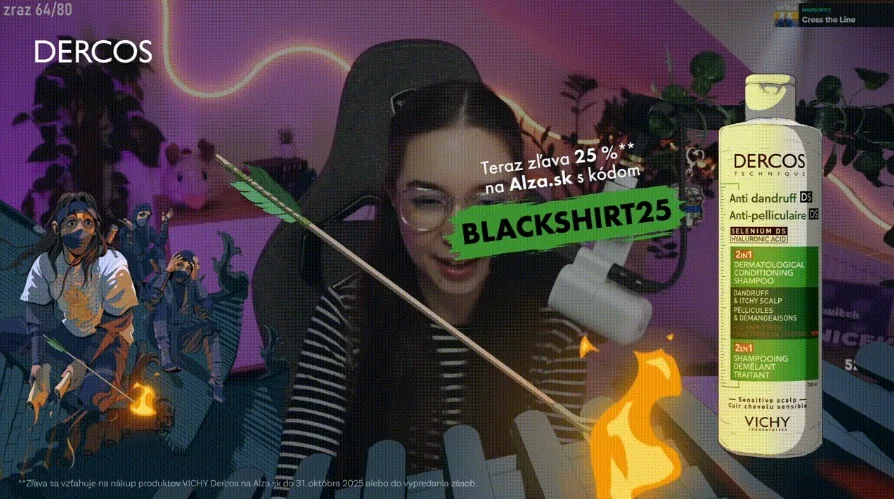
From the bustling street markets of antiquity to the hypnotic, late-night allure of the Home Shopping Network and the explosive rise of Chinese social commerce, the core tenet of retail has remained strikingly consistent: the human element is the ultimate catalyst for a transaction. Today, that ancient impulse to "show-and-tell" has migrated to the digital stage, where creators and influencers command audiences of millions in real-time.
As live streaming evolves from a niche hobby into a dominant economic engine, ad-tech firm LIVAD Technologies is betting that the next frontier of e-commerce isn’t just about the creator—it’s about the environment they inhabit. At this year’s IAB Playfronts in New York City, LIVAD unveiled its latest innovation: Virtual Product Placements. This technology promises to transform how brands interact with livestream audiences across platforms like Twitch, TikTok, YouTube, and Kick, potentially reshaping the multi-billion-dollar creator economy in the process.
The Power of the Live Stream: Why Real-Time Matters
The statistics supporting the shift toward live-streamed shopping are nothing short of staggering. TikTok, currently a titan in the social commerce space, recently released data revealing that a massive 94% of its U.S.-based revenue for high-end luxury resale is generated directly through livestreams. This isn’t merely passive entertainment; it is an active conversion funnel where the intimacy of a live host creates a sense of urgency and trust that static banner ads simply cannot replicate.
When a creator holds up a product, explains its utility, and answers questions in real-time, they are performing a high-tech version of the classic storefront demonstration. For brands, the challenge has always been scalability. Physical product seeding—sending inventory to hundreds of creators—is expensive, logistically complex, and prone to breakage or failure. LIVAD Technologies aims to bridge this gap by replacing physical assets with high-fidelity, interactive 3D virtual objects.
Chronology of an Innovation: From Overlays to Augmented Realities
LIVAD’s trajectory toward Virtual Product Placements is a natural evolution of its existing business model. The company has long been a key player in the creator-brand ecosystem, specializing in custom stream overlays, sidebars, and interactive brand integrations for high-profile clients, including Adidas, KFC, and L’Oréal.
The development process for these new 3D assets began with a simple question: "How can we make brand integration feel less like an intrusion and more like a natural part of the creator’s space?"
According to Arda Genç, CEO of LIVAD, the answer lay in spatial intelligence. The company’s engineering team spent months refining a system capable of analyzing a livestream in real-time to detect the depth and distance between physical objects in a creator’s room. By calculating the spatial geometry of the broadcast environment, the LIVAD software can "drop" a 3D product into the frame with pinpoint accuracy.
Following the successful internal testing phase, LIVAD presented the technology at the 2024 IAB Playfronts. While the system has yet to be deployed in a live public campaign, Genç confirmed that the company is currently in active, high-level discussions with major brand partners to integrate the tech into upcoming marketing initiatives.
Technical Prowess: The Science of the Virtual "Shelf"
What sets LIVAD’s Virtual Product Placements apart from traditional digital advertising is the integration of environmental awareness. A common critique of digital product placement is that it looks "pasted on" or jarringly artificial. LIVAD addresses this through sophisticated lighting and rendering engines.
Once the system identifies an appropriate surface—a desk, a shelf, or a clean patch of wall—it doesn’t just place a static image. It analyzes the stream’s ambient lighting, including the omnipresent RGB glows common in modern gaming setups, and adjusts the virtual product’s lighting properties in real-time. If the creator shifts their ring light or changes the color profile of their room, the virtual product adapts accordingly, maintaining a visual continuity that keeps the viewer’s immersion intact.
Furthermore, these virtual assets are persistent across the entire content lifecycle. If a creator’s stream is clipped—a common practice where moments are cut and shared as VODs (video-on-demand) on TikTok or YouTube Shorts—the virtual product remains embedded in the footage. This "set it and forget it" model allows brands to gain extended value from a single sponsorship, as the virtual placement continues to generate impressions long after the live broadcast has concluded.
Beyond Gaming: Diversifying the Creator Landscape
While LIVAD’s technology is perfectly suited for the high-production aesthetic of gaming streamers, Genç is adamant that the tool is designed for the broader creator economy. The company’s vision encompasses beauty gurus, fashion influencers, fitness experts, and lifestyle vloggers.
"We are trying to position ourselves at the forefront of all live content," Genç noted in an interview with GamesBeat. "We find it exciting, and it’s certainly not limited to the gaming vertical. We are making a bet that the live medium is going to keep growing and diversifying as it moves into the mainstream."
For a beauty streamer, this technology could mean featuring a new luxury serum without needing a physical sample for every single stream. For a fashion creator, it could mean displaying a 3D model of a handbag that viewers can click on to see different color variants, all without the creator having to stock an entire warehouse of inventory in their home studio.
Implications for the Creator Economy and Affiliate Marketing
The implications of this technology are profound, particularly for the rise of the "affiliate creator." Platforms like TikTok and Amazon have spent years incentivizing millions of users to become shopping influencers, offering a cut of sales in exchange for product promotion. However, this model creates a high barrier to entry: creators must either purchase the products themselves or wait for brands to send samples.
LIVAD’s virtual placements lower this barrier significantly. By decoupling the product from the physical logistics, brands can authorize a wider net of creators to feature their goods. A micro-influencer with a highly engaged, niche audience can now promote a brand’s entire catalog without needing a basement full of inventory.
However, this shift also brings new questions regarding authenticity. If a creator is endorsing a product they haven’t physically touched, does the audience’s trust diminish? The success of this model will likely depend on the creator’s ability to weave these virtual objects into their existing narrative style. If the integration feels like an organic recommendation, it could be a goldmine. If it feels like a forced advertisement, it could alienate the audience.
The Road Ahead: Scalability and Integration
As LIVAD moves from the planning phase to active implementation, the industry will be watching closely. The technical challenge is to maintain the illusion of reality without taxing the creator’s hardware. Most streamers are already pushing their PCs to the limit to encode 1080p or 4K video, run games, and manage chat interactions. If LIVAD’s software can handle the rendering load efficiently, it will be a game-changer for the industry.
The company’s roadmap includes further refinement of the 3D assets to allow for greater interactivity—potentially enabling viewers to rotate the product, view different angles, or even "try on" items via AR filters directly through the stream overlay.
Ultimately, LIVAD is betting on a future where the distinction between digital and physical commerce is increasingly blurred. By digitizing the physical product, they are not only solving a logistical headache for brands but also giving creators a new toolset to monetize their influence. As Genç and his team prepare for their first official rollouts, one thing is clear: the "show-and-tell" of the future will be less about the object you hold in your hand and more about the pixel-perfect representation you place in your world. The digital storefront is no longer a website; it is the space right behind the creator’s shoulder.

