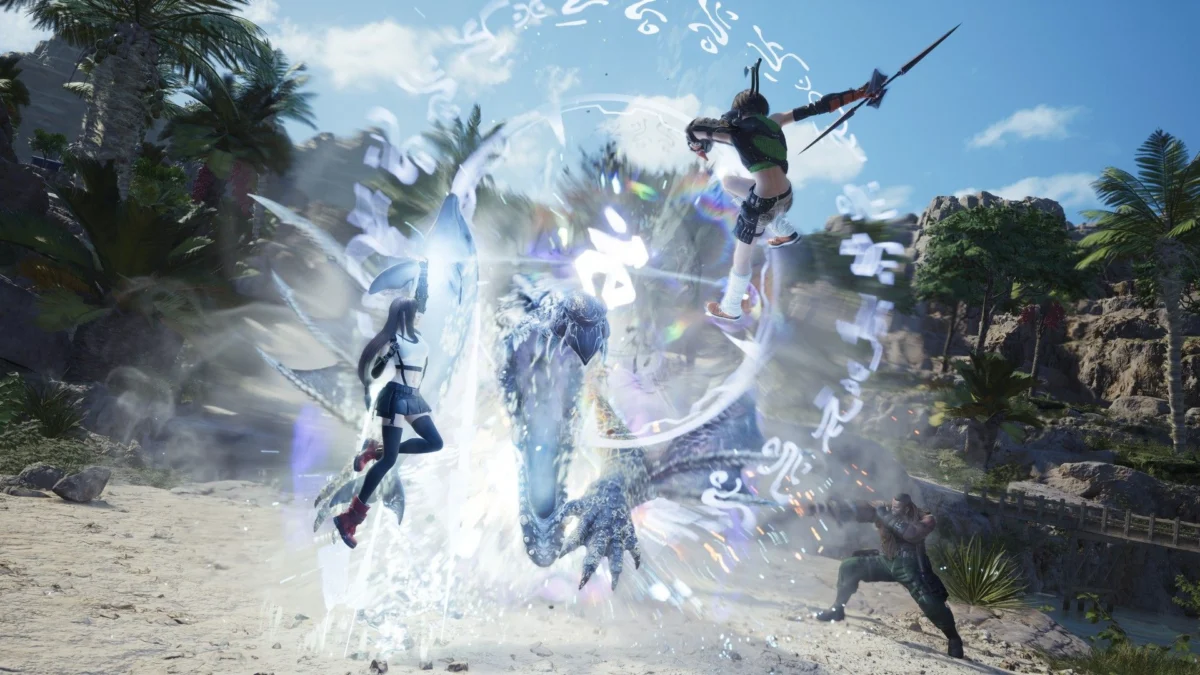
As the gaming industry stands on the precipice of a fully digital era, the physical media debate has reached a fever pitch. At the heart of this storm is Square Enix and its upcoming tentpole release, Final Fantasy 7 Revelation—the grand, highly anticipated third and final chapter in the critically acclaimed Final Fantasy 7 remake trilogy.
When the game launches on April 8, it will arrive on store shelves in a physical disc format, but not in the way traditionalists hoped. Unlike its predecessor, Final Fantasy 7 Rebirth, which famously spanned two optical discs, Revelation will be released on a single disc containing only the opening acts of the game. To experience the remainder of the adventure, players will be required to connect to the internet and download the rest of the game files.
This compromise has sparked intense debate among consumers, collectors, and preservationists regarding what constitutes genuine physical media in the modern age. Yet, according to Revelation director Naoki Hamaguchi, securing even a partial physical release required a hard-fought internal battle against mounting industry pressures to abandon discs entirely.
Main Facts: The Compromise Behind Final Fantasy 7 Revelation
The core facts surrounding the physical launch of Final Fantasy 7 Revelation highlight a growing trend among AAA publishers navigating rising development costs, massive file sizes, and shifting consumer habits:
The Launch Date:Final Fantasy 7 Revelation is officially scheduled for release on April 8.
The Media Limitation: Unlike the multi-disc physical release of Final Fantasy 7 Rebirth, Revelation will ship on a single physical disc.
The Catch: The physical disc functions primarily as a "key disc" or installer, containing only the opening sequences of the game. Players must have an active internet connection to download the bulk of the game data.
The Director’s Role: Director Naoki Hamaguchi has confirmed that he personally lobbied Square Enix’s publishing and executive teams to ensure a physical edition made it to market, despite lacking final authority over product stock-keeping units (SKUs) and distribution models.
The Industry Context: This rollout arrives amid wider industry movements, including reports of PlayStation phasing out physical game production by 2028, and a swelling "no disc, no purchase" consumer movement on social media.
Chronology: How We Got Here
The journey toward Final Fantasy 7 Revelation‘s controversial physical rollout is part of a multi-year technological and commercial evolution within Square Enix and the broader gaming landscape.
1. The Multi-Disc Precedent (Final Fantasy 7 Remake & Rebirth)
When Square Enix first envisioned breaking the massive 1997 PlayStation classic into a multi-part remake project, the sheer scale of modern graphical fidelity meant developers faced immense data constraints. Final Fantasy 7 Remake (2020) fit comfortably onto a single Blu-ray disc. However, by the time Final Fantasy 7 Rebirth rolled out in early 2024, the expansive open world and high-resolution assets necessitated a two-disc physical release on the PlayStation 5, earning praise from physical media enthusiasts who valued having the complete experience offline.
2. Escalating Development Realities and Digital Pressures
As production ramped up on the trilogy’s conclusion, Revelation, industry-wide economics began to shift dramatically. The cost of manufacturing physical media, paired with declining retail shelf space and skyrocketing digital sales percentages, put enormous pressure on publishers to streamline logistics. Rumors and strategic pivots across first-party platforms—such as Sony’s reported internal targets regarding physical media phase-outs by 2028—signaled an increasingly hostile environment for traditional disc collectors.
3. The Announcement and Fan Backlash
When Square Enix finalized the distribution plan for Final Fantasy 7 Revelation, the decision to condense the game onto a single "installer" disc leaked to the public. The backlash was swift. Long-term fans took to social media platforms to voice their dissatisfaction, arguing that a physical release requiring mandatory day-one downloads defeats the primary purpose of physical ownership, long-term game preservation, and offline playability.
Supporting Data and Industry Shifts
The friction surrounding Final Fantasy 7 Revelation is not an isolated incident; it reflects broader structural changes in how entertainment is delivered, consumed, and monetized.
The Rise of Digital-First Consoles: Hardware manufacturers have steadily introduced discless console variants, such as the digital-only editions of the PlayStation 5 and Xbox Series X/S, effectively shrinking the addressable market for physical games.
File Size Inflation: Modern AAA blockbusters frequently exceed 100GB to 150GB. Standard Ultra HD Blu-ray discs hold roughly 100GB of data (though triple-layer BDXL discs exist, they carry higher manufacturing costs). When games surpass these thresholds, publishers face a binary choice: split the game across multiple expensive discs or rely on a hybrid download model.
The Preservation Crisis: Video game preservationists have repeatedly warned that hybrid releases—where a disc contains incomplete code dependent on servers that will eventually shut down—pose a severe threat to cultural heritage. Once publisher servers go offline years down the line, these physical discs risk becoming useless paperweights.
Official Responses: Naoki Hamaguchi Speaks Out
In an exclusive interview with Radio Times, director Naoki Hamaguchi addressed the physical media controversy head-on. Hamaguchi expressed deep personal nostalgia for physical game collection, noting that he still purchases physical discs when he feels a special attachment to a title.
However, he also offered a sobering look at the trajectory of the medium:
"I see a world in the not-too-distant future where physical media is essentially disc-less… You would have a copy of the code on a piece of paper inside the physical box or something like that."
When asked about fan outrage on social media demanding a complete, all-on-disc version, Hamaguchi clarified the separation of powers within corporate game development. He emphasized that as director, his primary responsibility lies in shaping the creative content, emotional resonance, and overall fun of the game. Commercial packaging, distribution strategies, and SKU decisions fall squarely under the purview of the publishing team.
Despite these limitations, Hamaguchi stressed that he used his political capital within the company to advocate for physical collectors:
"In this day and age… there’s a lot of pressure for disc-less editions, digital editions, and I used my position to put forth an argument for the physical version as much as possible. And all of the negotiations, both internally and with first parties, have led us to where we are now."
While he fully acknowledges that many fans disagree with the final compromise, Hamaguchi hopes players recognize that the existence of a physical box at all was the result of an uphill battle behind closed doors.
Implications: What Revelation Means for the Future of Physical Media
The release strategy for Final Fantasy 7 Revelation serves as a critical case study for the twilight years of traditional physical video games.
The Death of the "Plug-and-Play" Era: For decades, the gold standard of console gaming was simple: insert the disc, let the console read the data, and play instantly, independent of internet connectivity. Compromises like the one employed for Revelation signal that this era is rapidly drawing to a close for major blockbuster titles.
The Alienation of Collectors: Companies risk alienating their most dedicated, high-spending consumer base—collectors who take pride in displaying comprehensive game libraries on their shelves. When physical boxes contain little more than an authentication key or a partial installer, the psychological value of ownership diminishes.
A Precedent for Future Blockbusters: If a powerhouse franchise like Final Fantasy—backed by one of the industry’s most influential publishers—cannot justify the manufacturing cost of a fully contained multi-disc physical release, it sets a formidable precedent. Smaller franchises and independent titles may find it entirely financially unviable to offer physical editions moving forward.
As April 8 approaches, Final Fantasy 7 Revelation will undoubtedly succeed commercially as one of the year’s biggest releases. Yet, its journey to store shelves will be remembered as a pivotal moment where the industry took another definitive step away from the tangible past and deeper into an uncertain, cloud-reliant digital future.