

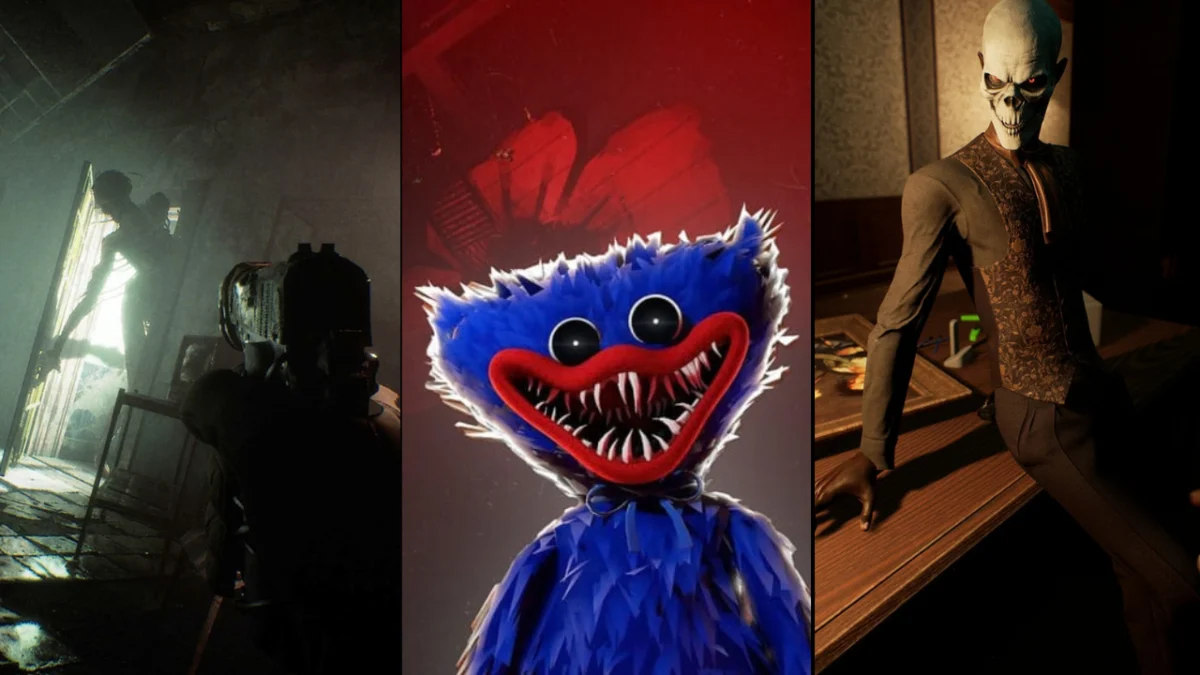
Main Facts: The Evolution of Virtual Reality Horror in the Midst of "Spooky Season"
As the autumn leaves fall and the gaming community settles into its annual celebration of all things macabre, virtual reality (VR) enthusiasts are finding themselves uniquely positioned for a terrifying month of entertainment. While the market is already densely populated with spine-chilling experiences, developers are pushing the boundaries of immersion, psychological tension, and sensory deprivation to new limits.

Spanning major hardware platforms—including the Meta Quest, PlayStation VR2 (PS VR2), PC VR, and Pico—a fresh wave of upcoming and recently launched horror titles is dominating discussions across the virtual reality landscape. Spearheaded by industry coverage from journalists like James Tocchio and his colleagues, the horror genre continues to captivate players even as critics jokingly admit that fear is hardly their preferred playing condition.
The upcoming weeks promise a diverse lineup of terrifying interactive media. From creative second-person perspectives that turn players into stuffed animals to visceral, historically grounded voodoo mythologies and high-profile flat-to-VR adaptations, the current slate of horror games proves that the medium is maturing rapidly. Rather than relying solely on cheap jump scares, modern VR horror developers are capitalizing on atmospheric dread, systemic claustrophobia, and environmental storytelling to leave lasting impressions.
Chronology: The Pipeline of Upcoming Nightmares
The journey of these ten highlighted titles spans a fascinating timeline of early access phases, long-awaited re-announcements, festival demos, and imminent platform expansions.

- Late 2024 to Early 2025: Games like FYR: The Lost Island debut their atmospheric psychological horror concepts via initial Steam demos, capturing early praise for their dense, fog-laden Norwegian aesthetics. Meanwhile, flat-screen predecessors like Total Chaos build dedicated communities, laying the groundwork for their inevitable virtual reality transitions.
- Mid-2025: Flat2VR Studios officially announces a massive slate of conversions during its annual showcase, confirming that mainstream successes like Poppy Playtime will finally make the perilous leap into fully interactive virtual reality spaces.
- Steam Next Fest (2026 Editions): Players dive headfirst into trial builds for titles like Confined: Leaving OKB-134 and Project Louisiana – The Bounds VR. These festivals provide crucial feedback loops, allowing developers such as Build the Light to refine puzzle onboarding and narrative pacing.
- Late 2026 and Beyond: The current release window sees a flood of major portfolio expansions. Out of Sight VR prepares its migration from Steam Early Access to PlayStation VR2 and Meta Quest, while psychological thrillers like The Obsessive Shadow – Chapter 2 and supernatural investigations like Spirit Ritual target staggered launches across competing hardware ecosystems.
Supporting Data: Platforms, Perspectives, and Proven Pedigrees
To better understand how these ten titles stack up against one another, their core attributes, target platforms, and stylistic influences illustrate a vibrant ecosystem:

| Game Title | Primary Perspective / Style | Target Platforms | Notable Antecedent / Influence |
|---|---|---|---|
| Out of Sight VR | Second-Person Stealth Horror | Steam (Early Access), PS VR2 (Late 2026), Quest (2027) | Little Nightmares |
| Confined: Leaving OKB-134 | First-Person Claustrophobic Survival | PC VR (Demo available on Steam) | Classic 1980s Slasher / Bunker thrillers |
| Total Chaos VR | Survival Horror / Combat Exploration | SteamVR, Meta Quest (Free for 2025 flat owners) | Original 2025 Flat version (‘Very Positive’ on Steam) |
| Affected: The Asylum | Single-Player Cult Investigation | Quest, PC VR | Affected: The Manor / Dead Boss Games pedigree |
| Poppy Playtime VR | Toy Factory Survival Horror | Major VR Platforms (Expected) | Original hit (‘Very Positive’ from 60k+ Steam reviews) |
| C.A.B.A. | Liminal Space Subway Survival | PS VR2, Quest, PC VR, Flat (PS5, Steam) | Exit 8 |
| The Obsessive Shadow – Ch. 2 | Found-Footage Stalker Thriller | PS VR2, Quest, PC VR | Blair Witch style 2006 narrative |
| Spirit Ritual | Supernatural Medium / MR Game | Pico, PC VR, Quest | Fatal Frame |
| Project Louisiana – The Bounds VR | Voodoo Mythology Puzzle-Adventure | PC VR, PS VR2 | Authentic regional folklore |
| FYR: The Lost Island | Psychological Fog-Horror | PC VR / Steam | Norwegian folklore and projection-based puzzles |
Official Responses and Developer Insights
The creation of immersive horror is a notoriously delicate balancing act between sensory overload and player agency. Developers across the board have emphasized community feedback as the ultimate tool for calibrating these virtual nightmares.

When Dead Boss Games assumed production duties for Affected: The Asylum from original creators Fallen Planet Studios, they made the bold choice to pivot away from an initially planned multiplayer focus. Instead, they doubled down on an unnerving single-player campaign, tasking lone players with evading "Subject 357"—an inhuman, parasitic entity born from cult experimentation. This adjustment highlights a broader industry sentiment: true dread is often best experienced in isolation, where no teammate can talk over the ambient sounds of impending doom.
Similarly, indie developers managing Steam Next Fest demos—such as the teams behind Confined: Leaving OKB-134 and Project Louisiana – The Bounds VR—have publicly committed to utilizing constructive criticism. Build the Light, the studio behind The Bounds VR, explicitly promised to refine navigation and tutorial onboarding following player notes on their atmospheric voodoo-inspired demo. By listening closely to early adopters, these studios aim to eliminate frustrating mechanics that break immersion, ensuring that when a jump-scare lands, the player is entirely lost in the fiction rather than wrestling with UI elements.

Implications: The Future of Immersion and Accessibility in VR Horror
The maturation of VR horror carries significant implications for the broader gaming industry. First, the trend of flat-to-VR integration—exemplified by Total Chaos VR offering free upgrades to existing PC owners, and Flat2VR bringing massive hits like Poppy Playtime into the headset space—bridges the gap between traditional gaming audiences and spatial computing. It lowers the barrier to entry for intellectual properties that fans already know and love, while breathing fresh terror into familiar environments.
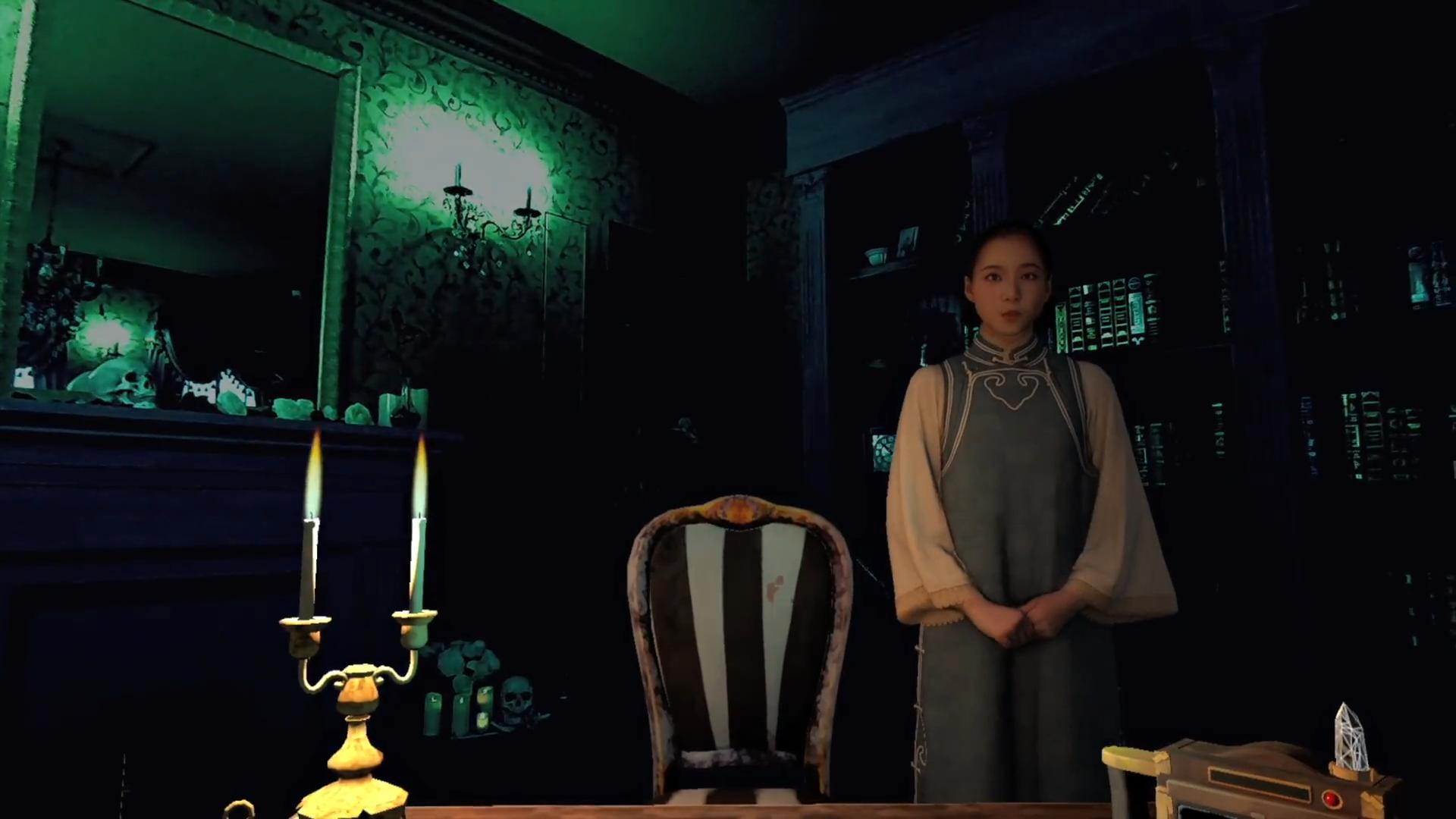
Second, the diversification of perspectives—such as Out of Sight VR placing the player inside the cloth body of a blind girl’s teddy bear—proves that VR horror is evolving past generic first-person zombie shooters. By experimenting with second-person perspectives and mixed-reality exorcisms (Spirit Ritual), developers are finding innovative ways to play with our sense of safety and spatial awareness.

Ultimately, as hardware capabilities improve across standalone headsets like the Meta Quest and high-end tethers like the PlayStation VR2, the psychological toll of these games will only deepen. For the brave souls willing to step into these digital shadows this October and beyond, the message is clear: lock your doors, adjust your headstraps, and prepare to be genuinely unsettled.

