

By Tech Desk Staff
For years, the unwritten rule of PC gaming was simple: if you want the best performance-to-value ratio, you build your own rig. Sourcing individual components—matching the right motherboard to an unlocked CPU, hunting for discounted RAM kits, and meticulously routing cables inside a tempered-glass chassis—was considered a rite of passage for enthusiasts.
Today, however, the landscape of PC building has drastically shifted. Ongoing supply chain volatility, fluctuating component pricing, and what industry insiders have dubbed the "RAMpocalypse" have turned the DIY market into an expensive headache. Skyrocketing memory costs and erratic component availability have made assembling a custom mid-range to high-end gaming PC from scratch a financially punishing endeavor.
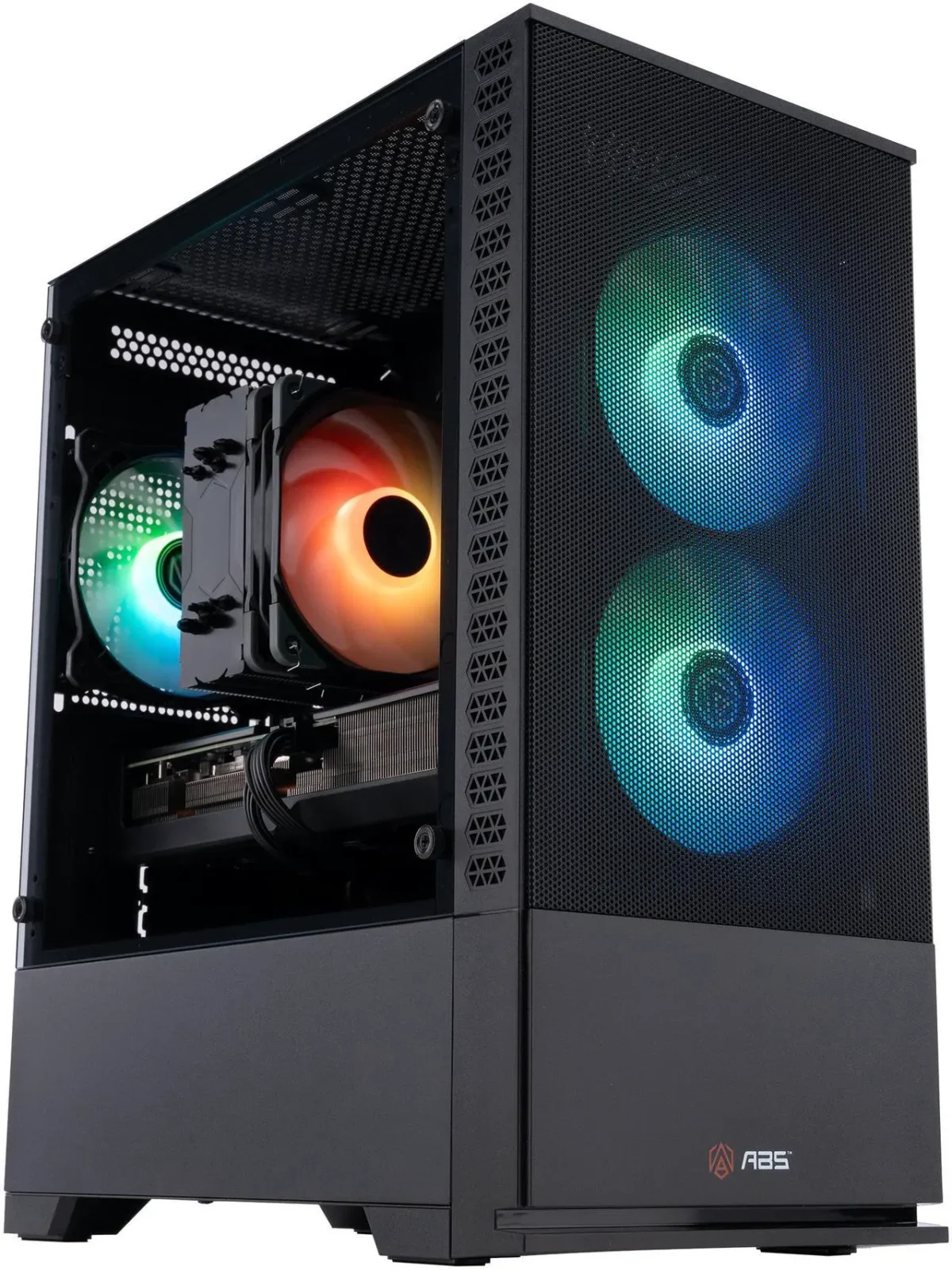
In response, savvy consumers and hardware reviewers are pointing toward an unexpected alternative: pre-built gaming desktops. Rather than absorbing inflated individual component costs, manufacturers with established bulk-purchasing supply chains can offer turnkey systems that deliver exceptional long-term value. A prime example of this trend is the ABS Cyclone Aqua, a pre-built powerhouse currently available on Newegg for $1,399.99, which packs an Nvidia GeForce RTX 5060 Ti 16GB graphics card and an Intel Core i7 processor.
Main Facts: The Shift Toward Pre-Built Dominance
The current gaming hardware market is defined by a paradox: while graphics cards and processors continue to advance at a rapid pace, the peripheral costs required to build a system around them have spiked unpredictably.
- The DIY Squeeze: Spikes in memory (RAM) pricing, driven by high demand for enterprise AI infrastructure and shifts in semiconductor manufacturing priorities, have made purchasing high-speed DDR5 kits a major budget hurdle for individual builders.
- The Pre-Built Advantage: System integrators (SIs) lock in component pricing months in advance, shielding consumers from sudden market volatility.
- Spotlight Rig: The ABS Cyclone Aqua, listed via Newegg, bridges the gap between high-end performance and budgetary realism. Priced at $1,399.99, it features a robust specifications sheet tailored for modern 1440p gaming.
- Core Specifications: The machine pairs an Intel Core i7-14700F processor with an Nvidia GeForce RTX 5060 Ti (16GB VRAM), supported by 16GB of system RAM and a fast 1TB NVMe solid-state drive (SSD).
Chronology: How the "RAMpocalypse" and Market Volatility Reshaped PC Building
To understand why pre-built PCs like the ABS Cyclone Aqua are suddenly dominating buying guides, it is necessary to examine the series of economic and industrial events that led to the current hardware climate.
Phase 1: Post-Pandemic Normalization and Supply Chain Recovery (2022–2023)
Following the severe component shortages of the pandemic era, the DIY PC market experienced a brief period of stabilization. Prices for graphics cards began returning to manufacturer-suggested retail prices (MSRP), and DDR5 memory—though initially expensive—began a steady, predictable decline in cost as production lines ramped up.
Phase 2: The AI Boom and Semiconductor Shifts (2023–2024)
As artificial intelligence infrastructure expanded globally, major memory manufacturers (such as SK Hynix, Samsung, and Micron) shifted a significant portion of their fabrication capacity away from consumer-grade DRAM toward High Bandwidth Memory (HBM) required for enterprise AI accelerators. This pivot artificially constrained the supply of consumer RAM modules.
Phase 3: The "RAMpocalypse" and Component Inflation (Late 2024–Present)
By late 2024, the downstream effects hit retail consumers. Prices for desktop RAM modules surged unpredictably, while motherboard and power supply costs crept upward due to rising logistics and raw material expenses. Building a mid-range PC component-by-component suddenly ceased to be a money-saving venture; in many cases, buying parts individually ended up costing significantly more than purchasing a fully assembled system.
Phase 4: The Rise of Turnkey Value (Current State)
Recognizing the consumer frustration in the DIY space, system integrators ramped up production on pre-built units that leverage pre-contracted bulk inventory. Systems featuring next-generation or upper-mid-range hardware—such as the RTX 50-series GPUs—began hitting the market at aggressive price points, capturing the attention of gamers looking to future-proof their setups without breaking the bank.
Supporting Data: Inside the ABS Cyclone Aqua
When evaluating a pre-built gaming PC, the ultimate test is whether its component selection creates bottlenecks or delivers balanced performance. The ABS Cyclone Aqua avoids common pre-built pitfalls by offering a well-rounded configuration that targets the sweet spot of modern PC gaming: native 1440p resolution.
| Component | Specification | Benefit to Gamer |
|---|---|---|
| Graphics Card (GPU) | Nvidia GeForce RTX 5060 Ti (16GB VRAM) | Exceptional frame rates at 1080p and robust 1440p gaming capabilities, with ample VRAM (16GB) to handle modern texture-heavy titles and ray tracing. |
| Processor (CPU) | Intel Core i7-14700F | High core count and multi-threaded muscle, ensuring seamless multitasking, content creation, and zero CPU bottlenecking in demanding games. |
| System Memory | 16GB RAM | Standard baseline capacity for modern gaming and everyday productivity tasks. |
| Storage | 1TB NVMe SSD | Rapid boot times, quick game load transitions, and ample initial space for a robust game library. |
| Price Point | $1,399.99 (via Newegg) | Highly competitive pricing considering current retail markups on individual high-end components. |
Why 16GB of VRAM Matters
One of the standout features of this specific configuration is the 16GB VRAM allocation on the RTX 5060 Ti. Modern AAA game titles frequently exceed 8GB or even 12GB of VRAM when run at maximum settings with ray tracing enabled at 1440p. Having 16GB ensures that the system will remain relevant and capable for years to come, avoiding the stuttering and texture pop-in issues that plague lower-spec cards as software demands increase.
Official Responses and Industry Perspectives
Market analysts and hardware reviewers have increasingly vocalized support for pre-built systems as the most logical route for budget-conscious gamers navigating the current economic climate.
According to retail data analysts, system integrators have experienced a notable surge in pre-built desktop sales over the past two quarters. “Consumers are tired of playing the pricing lottery with individual components,” notes one hardware retail strategist. “When you factor in the cost of a Windows license, assembly time, warranty support, and the current volatility of RAM and motherboard pricing, buying a pre-built system like this simply removes the friction.”
Furthermore, manufacturers emphasize that pre-built rigs undergo rigorous stress-testing before leaving the factory floor. While DIY builders must troubleshoot their own hardware conflicts, dead-on-arrival components, or BIOS incompatibilities, pre-built units arrive as cohesive, tested ecosystems backed by unified customer support warranties.
Implications: What This Means for the Future of PC Gaming
The pivot toward pre-built dominance carries significant implications for the broader PC gaming ecosystem:
- A Shift in Enthusiast Culture: For decades, building your own PC was viewed as the only authentic way to enter the hobby. As economic barriers make DIY less financially viable, the stigma around buying pre-built systems is rapidly evaporating. Convenience and cost-efficiency are winning out.
- Component Pricing Pressure: Component manufacturers may eventually be forced to adjust consumer pricing if DIY adoption continues to slump in favor of pre-built units. However, as long as enterprise AI demand dictates semiconductor fabrication priorities, consumer-side relief may take time to materialize.
- Longevity as the New Metric: With hardware prices high, gamers are prioritizing longevity. Systems equipped with forward-looking specifications—such as the Intel Core i7 and an RTX 50-series card with generous VRAM—are viewed as long-term investments designed to carry users comfortably through the next several years of graphical advancements.
Conclusion
For gamers looking to upgrade their hardware without falling victim to the inflated costs of the current DIY market, turnkey solutions offer a compelling escape hatch. Configurations like the ABS Cyclone Aqua prove that you do not need to empty your savings account to secure a high-performance, 1440p-capable gaming rig. In an era defined by the "RAMpocalypse," letting the system builders do the heavy lifting isn’t just the easy choice—it’s the smartest financial move you can make.

