

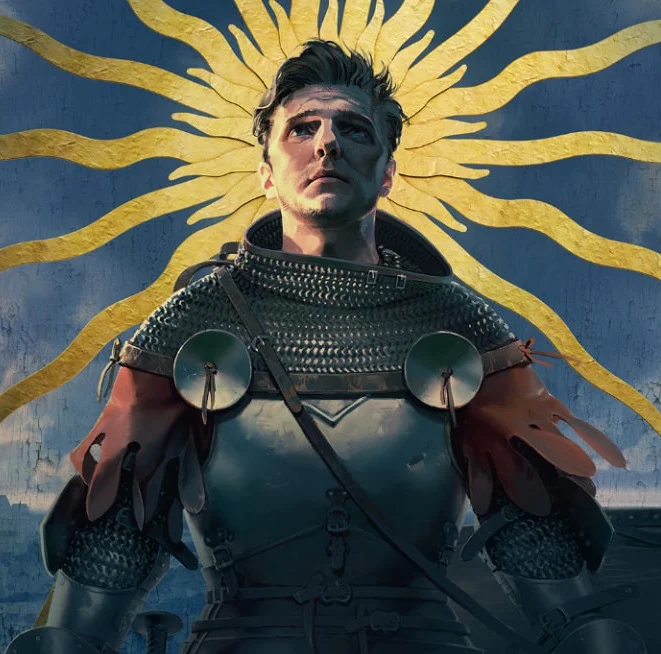
The gaming industry is currently grappling with a profound existential tension, one that has manifested in a high-profile potential fallout between Epic Games and the independent developer behind the indie juggernaut Vampire Survivors. Only hours after Epic Games celebrated its upcoming slate of Fortnite collaborations—a roster that included the beloved roguelike Vampire Survivors—the developer, Poncle, issued a stark public signal that the partnership may be on the brink of collapse.
The catalyst for this sudden hesitation appears to be Epic Games’ aggressive push into generative artificial intelligence. By showcasing new tools that integrate Large Language Models (LLMs) directly into the Unreal Engine workflow and demonstrating AI-assisted character and environment concepting for Fortnite, Epic has inadvertently triggered a ethical standoff with one of its most anticipated partners.
The Chronology of a Fractured Partnership
The tension unfolded in a rapid, twenty-four-hour cycle that highlights the volatility of modern corporate gaming partnerships.
The Announcement
At an industry event earlier today, Epic Games took the stage to generate hype for the future of Fortnite. The developer announced a series of high-profile collaborations intended to broaden the game’s cultural footprint, including Control Resonant, Phantom Blade Zero, Sonic Racing: CrossWorlds, and the highly anticipated integration of Vampire Survivors. For the indie community, the prospect of the chaotic, bullet-heaven action of Vampire Survivors entering the Fortnite ecosystem was met with significant enthusiasm.
The Reveal
Just hours after the announcement, the mood shifted. Epic Games moved from celebrating collaborations to showcasing the "future of development." They released a promotional video detailing how their internal teams are utilizing generative AI to accelerate the creation of character models and environmental assets. Simultaneously, the company touted new experimental plugins for Unreal Engine that integrate models like Claude and Gemini, framing these tools as "creativity and productivity multipliers."
The Backlash
The response from Poncle was swift and unambiguous. In a comment on the Vampire Survivors subreddit, the developer addressed the controversy directly. "Following today’s news about gen AI usage by Epic to create all sorts of game assets, including Fortnite characters, we’re currently ‘reviewing’ our collaboration with Fortnite," the post read. "We’ll let you know if anything moves forward."
This statement has cast a pall over the partnership, effectively signaling that the deal—which was likely months in the making—is currently frozen while the developer evaluates the moral and professional implications of aligning their brand with Epic’s AI-centric development philosophy.
Understanding the Friction: Epic’s Generative Ambitions
To understand why Poncle is hitting the brakes, one must examine the specific tools Epic is championing. During Unreal Fest, the company detailed its roadmap for Unreal Engine 6. The presentation emphasized that these new AI tools are designed to remove "time-consuming manual tasks," allowing developers to focus on high-level creative direction.
The demonstrations were impressive from a technical standpoint: users were shown manipulating scene lighting, generating textures, and conceptualizing character silhouettes using prompt-based interfaces. However, for many indie developers, this is not a "productivity multiplier"—it is an existential threat.
The core of the concern lies in the provenance of the data used to train these models. Generative AI models are built on massive datasets of existing creative work, often scraped from the internet without the explicit consent or compensation of the original artists. When a studio like Epic Games, which operates on a massive scale, adopts these tools as an industry standard, it validates a workflow that many in the independent scene view as fundamentally exploitative.
Supporting Data: The Growing Divide in Development Ethics
The "AI-in-games" debate is not merely a matter of aesthetic preference; it is a battle for the soul of the development process.
The Pro-Efficiency Argument
Epic Games maintains that AI is simply a tool, akin to the transition from hand-drawn animation to digital software. In their official documentation, they argue that by automating the "drudgery" of level design and asset iteration, they empower smaller teams to compete with massive studios. Their vision for the future involves a "technical and creative multiplier" that could lower the barrier to entry for high-fidelity game development.

The Indie Perspective
Conversely, independent studios like Poncle—which built its reputation on a distinct, handcrafted, and authentic vision—view the integration of generative AI as a dilution of human effort. The fear is twofold:
- Ethical Concerns: The lack of transparency regarding training data for tools like Claude and Gemini remains a sticking point for creators who prioritize intellectual property rights.
- Homogenization: There is a pervasive fear that relying on generative AI will lead to a "slop" of derivative art, where Fortnite assets begin to look and feel like generic, machine-generated output, stripping away the unique charm that collaborations are meant to highlight.
For a developer like Poncle, whose game relies on the specific "feel" and charm of its pixel-art aesthetic, the idea that their IP could be processed through or placed alongside assets generated by machines that mimic human creativity is, at best, a misalignment of values.
Official Responses and Industry Silence
As of this writing, Epic Games has not issued a formal statement regarding Poncle’s specific concerns, though they have been contacted for comment. The silence from Epic is telling; they are currently attempting to balance the "corporate necessity" of AI adoption with the "cultural necessity" of maintaining good relationships with the indie community.
Poncle, meanwhile, has kept its public communication limited to that single, powerful Reddit post. By choosing the platform where their community lives rather than issuing a polished corporate press release, they have signaled that this is a matter of principle rather than a contractual negotiation.
The industry at large is watching closely. Major gaming platforms and engine providers are essentially conducting an experiment: can they integrate generative AI into their workflows without alienating the very creators who build their ecosystems?
Implications: The Future of Cross-Promotional Integrity
The potential collapse of the Vampire Survivors and Fortnite collaboration carries significant implications for the future of the industry.
1. The "Brand Safety" of AI
We are entering an era where "AI-free" may become a valuable marketing label. If major studios continue to double down on AI-assisted development, they may find themselves increasingly isolated from the independent creative class. Developers may begin to demand "AI-free" clauses in their publishing and collaboration contracts, essentially creating a bifurcated industry where "AI-augmented" and "Human-made" become distinct market categories.
2. The Pressure on Epic Games
Epic Games is in a precarious position. Their dominance in the industry relies on Unreal Engine being the go-to tool for everyone, from small indie devs to AAA powerhouses. If they push AI tools too hard, they risk a "developer exodus." If they abandon the tools, they risk falling behind in the global arms race of AI integration.
3. The Power of the Indie Voice
Poncle’s stance proves that even when dealing with a titan like Epic, smaller studios hold significant power. Because these collaborations are built on the value of the indie developer’s specific fanbase, that fanbase acts as a shield. If the fans reject the association, the collaboration loses its value, effectively nullifying the deal regardless of the legal terms.
Conclusion
The standoff between Poncle and Epic Games is a microcosm of the larger struggle currently defining the gaming industry. It is a conflict between the drive for technological efficiency and the preservation of human creative agency.
Whether this specific partnership moves forward or dies on the vine, the message is clear: the integration of generative AI is not a frictionless transition. It is a decision that comes with social and ethical costs. As developers like Poncle choose to draw lines in the sand, the giants of the industry will be forced to decide whether their AI-driven "multipliers" are worth the loss of the very developers who make their platforms essential.
For now, the Vampire Survivors community remains in suspense, waiting to see if their favorite game will cross over into the world of Fortnite, or if it will remain a bastion of purely human-crafted chaos, unburdened by the ghost of a machine.

