

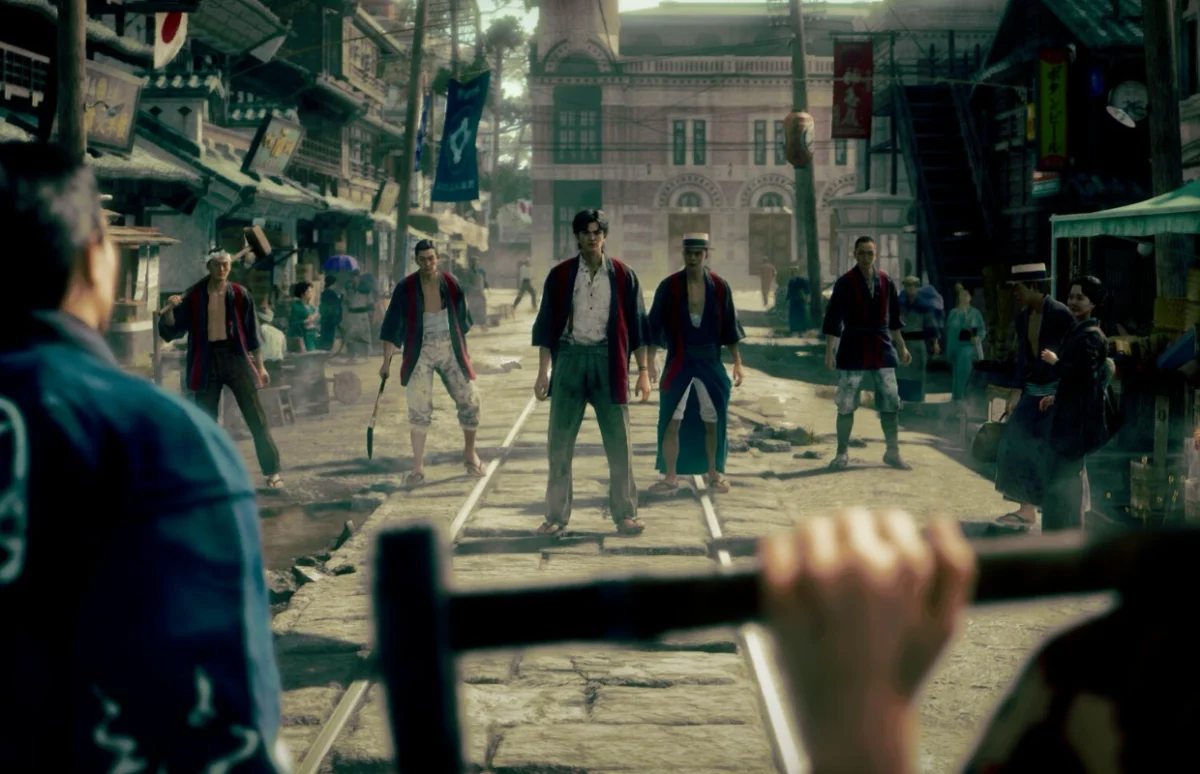
In a recent, expansive interview with Japanese gaming outlet Denfaminico Gamer, Masayoshi Yokoyama, the head of Ryu Ga Gotoku (RGG) Studio, offered a rare, candid glimpse into the development philosophy behind the studio’s highly anticipated upcoming title, Stranger Than Heaven. While fans have long awaited the next chapter in the studio’s evolution, the most striking revelation from the discussion was not merely about gameplay mechanics or visual fidelity, but about the sheer narrative density of the project.
According to Yokoyama, Stranger Than Heaven—slated for a global release on January 15, 2027—was never intended to be a standalone experience. In its nascent stages, the game was conceived as a sprawling trilogy. However, in a move that promises to redefine player expectations for narrative density, the studio made the bold decision to condense the entirety of that three-part vision into a single, comprehensive release.
The Evolution of a Narrative Titan: From Trilogy to Single-Game Epic
The creative process behind Stranger Than Heaven has been one of constant refinement. Yokoyama’s revelation that the game was originally mapped out as a three-part series highlights a shift in industry strategy. Often, developers seek to stretch narratives across multiple installments to maximize longevity and financial returns. RGG Studio, however, appears to have prioritized a singular, uninterrupted emotional and narrative arc.
Yokoyama admitted that even he is still coming to terms with the final product’s footprint. "I haven’t fully gauged the overall scope of the game yet, but I think it’s impressive," he stated during the interview. "The main story, in particular, is quite massive. As I said before, it’s because I originally thought of making it into a trilogy, but we packed all of that into a single game."
This "packing" of content suggests that players should prepare for a runtime and narrative complexity that far exceeds the standard RGG Studio offering. By eschewing a multi-game release structure, the studio has avoided the "episodic fatigue" that often plagues serialized storytelling, opting instead to provide a holistic experience where the stakes, character development, and world-building are front-loaded into one massive, cohesive package.
Chronology of Development: A Vision Defined
The road to Stranger Than Heaven has been marked by a series of deliberate design choices. While RGG Studio is globally renowned for its Yakuza/Like a Dragon franchise, Stranger Than Heaven represents a departure—a new IP that allows the developers to break free from existing lore and establish fresh boundaries.
- Conceptualization (Early Phase): During the initial pitch, the team envisioned a three-act structure. Each act was meant to function as a standalone game, focusing on distinct character arcs and geographical shifts within the game’s world.
- The Consolidation Phase: Recognizing that the narrative momentum might suffer if segmented over the course of several years, leadership made the difficult decision to merge the scripts. This required a massive overhaul of the pacing, ensuring that the transitions between what would have been the three individual games felt seamless.
- Refinement and Polish: The latter years of development were dedicated to ensuring that the density of the story did not lead to a bloated, unmanageable experience. The studio focused on "accessibility without compromise," ensuring that while the story is massive, the player is never overwhelmed by unnecessary complexity.
Supporting Data: Why "Massive" Matters
In the context of modern game design, the term "massive" is often thrown around as a marketing buzzword. However, coming from a studio head like Yokoyama, it carries significant weight. RGG Studio has spent decades mastering the art of the "dense open world"—smaller, high-detail maps that feel lived-in and vibrant, rather than vast, empty landscapes.
By cramming a trilogy’s worth of narrative into one game, Stranger Than Heaven is poised to set a new benchmark for "story density." If the standard RGG game provides 40 to 60 hours of gameplay, the consolidation of a trilogy suggests that Stranger Than Heaven could potentially offer a narrative experience that stretches well into the 100-hour mark for completionists. This level of investment is rare in the current climate, where many studios are pivoting toward "live service" models. Instead, Stranger Than Heaven doubles down on the classic, single-player, narrative-heavy tradition.
Official Responses and Creative Philosophy
The interview touched on a variety of topics beyond just the story’s scope, providing a window into the eclectic influences driving the studio. Yokoyama discussed the naming conventions of the game, acknowledging that the title Stranger Than Heaven was chosen to evoke a specific, slightly surreal atmosphere that defies traditional genre labels.
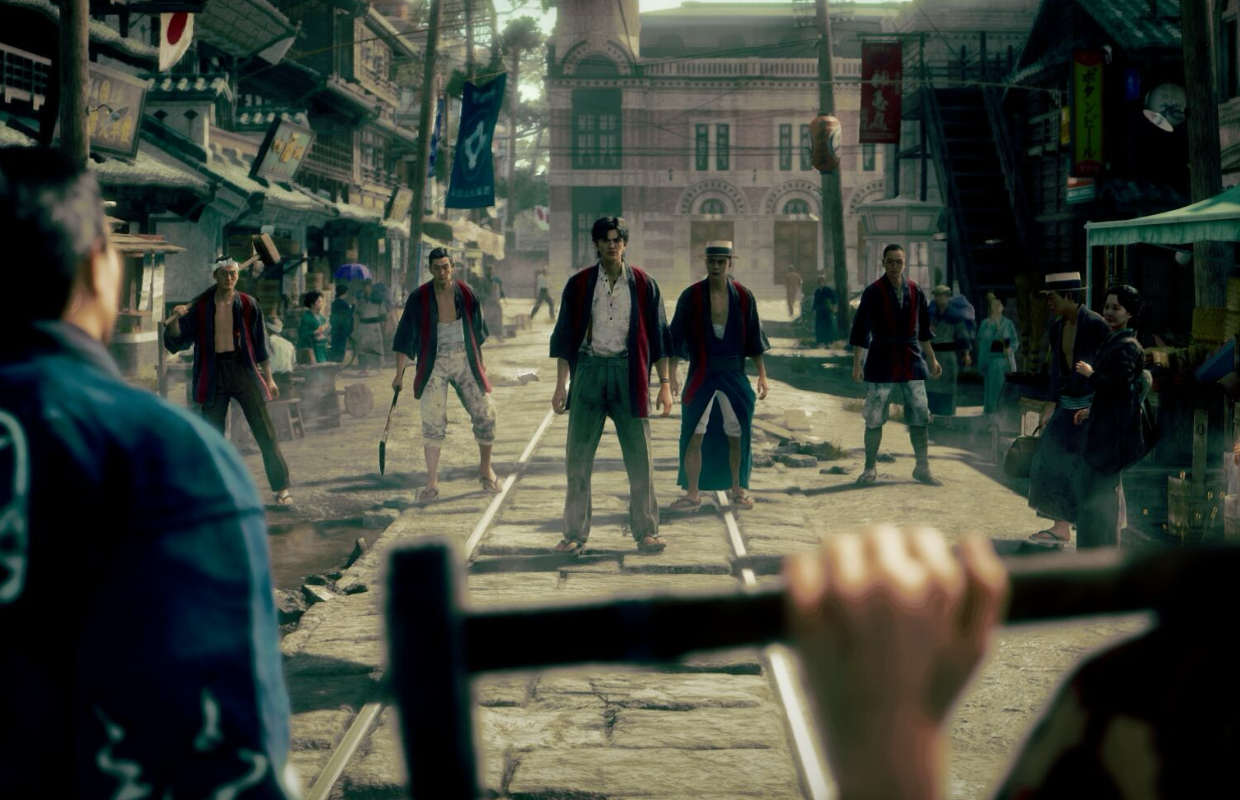
When asked about the influence of pop culture, Yokoyama surprisingly cited the legendary rapper Tupac Shakur. While he did not elaborate on exactly how the artist’s work influenced the game’s tone, the mention suggests that the studio is drawing inspiration from themes of social struggle, raw emotion, and poetic justice—elements often found in Tupac’s music and poetry.
Furthermore, the studio head emphasized that the game’s challenge and accessibility were carefully balanced. He noted that while the team wants to cater to hardcore players who crave high-level combat mechanics, they have also implemented systems to ensure the massive story remains accessible to newcomers. The goal is to provide a challenge that feels rewarding, not punishing, ensuring that the sheer length of the game does not become a barrier to enjoyment.
Implications for the Industry and the Future of RGG Studio
The decision to condense a trilogy into one release has profound implications for the gaming industry. First, it challenges the current industry trend of "Games as a Service" (GaaS). By providing a complete, high-value experience at launch, RGG Studio is positioning itself as a bastion of premium, single-player storytelling.
Secondly, the technical requirements for such a title are significant. Packing three games’ worth of assets, voice lines, cutscenes, and scripted events into a single release requires immense optimization. The fact that the game will be available on PS5, Xbox Series X|S, and PC—with full "Play Anywhere" support and inclusion in Xbox Game Pass—demonstrates a commitment to wide reach and technological proficiency.
For Xbox Game Pass subscribers, this is a massive win. The inclusion of such a high-profile, "massive" title on day one serves as a major value proposition for the subscription service. It effectively allows players to experience a saga that was originally intended to be a multi-year commitment in one go, without the need for additional purchases.
Conclusion: A Testament to Creative Ambition
As January 15, 2027, draws closer, the gaming community’s anticipation for Stranger Than Heaven continues to mount. Masayoshi Yokoyama’s revelations suggest that we are not just looking at another title from RGG Studio, but a landmark release that defies traditional development cycles.
By choosing to prioritize the integrity of the narrative over the convenience of a serialized release, the studio is taking a calculated risk. They are betting that players crave depth, intensity, and a story that doesn’t hold back. If Stranger Than Heaven lives up to the promise of its "massive" scope and the creative passion behind its development, it may very well be remembered as one of the most significant gaming achievements of the decade.
The integration of disparate narrative arcs into one cohesive whole is a daunting task, but if any studio has the pedigree to pull it off, it is RGG. With the stage set and the vision clearly articulated, all that remains is to see how the player will navigate this "stranger" world. One thing is certain: when the game drops in 2027, it will demand the player’s full attention—and it will likely be worth every second.

