

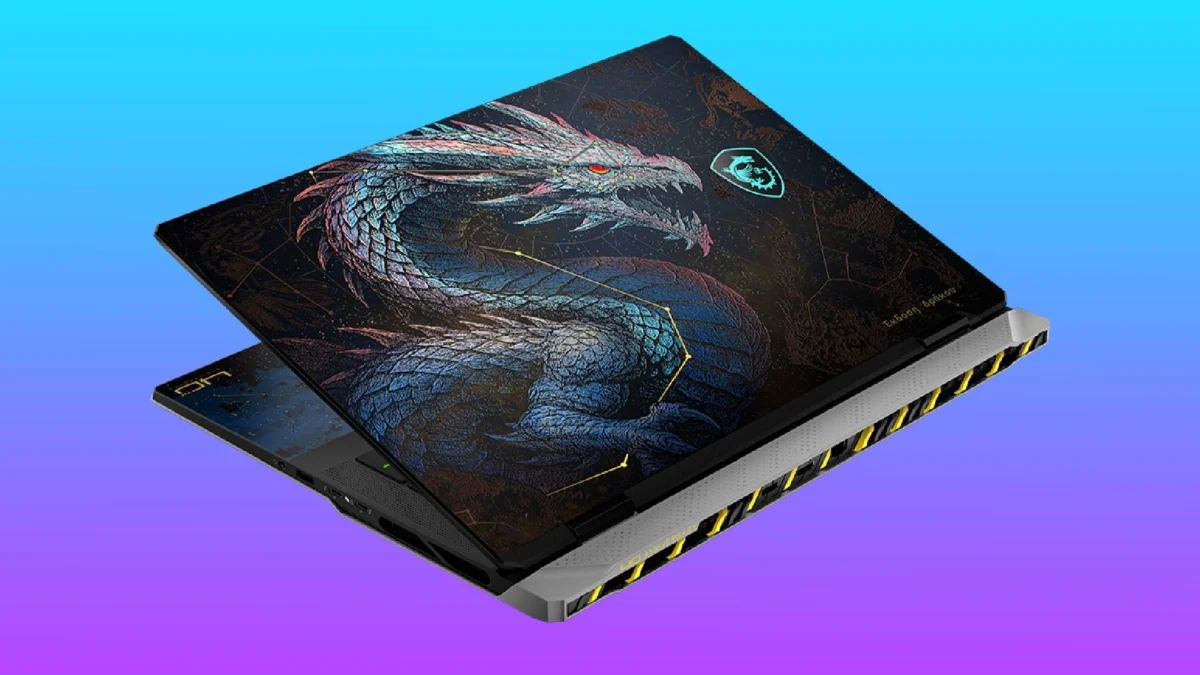
In the fast-paced world of high-end PC hardware, there is a recurring trend of "luxury" tech—products that prioritize prestige and aesthetic flair over the traditional metrics of price-to-performance value. While many recent hardware launches have followed the logic of "because we can," MSI’s latest announcement in celebration of its 40th anniversary forces the industry to ask a more cynical question: "But why, exactly?"
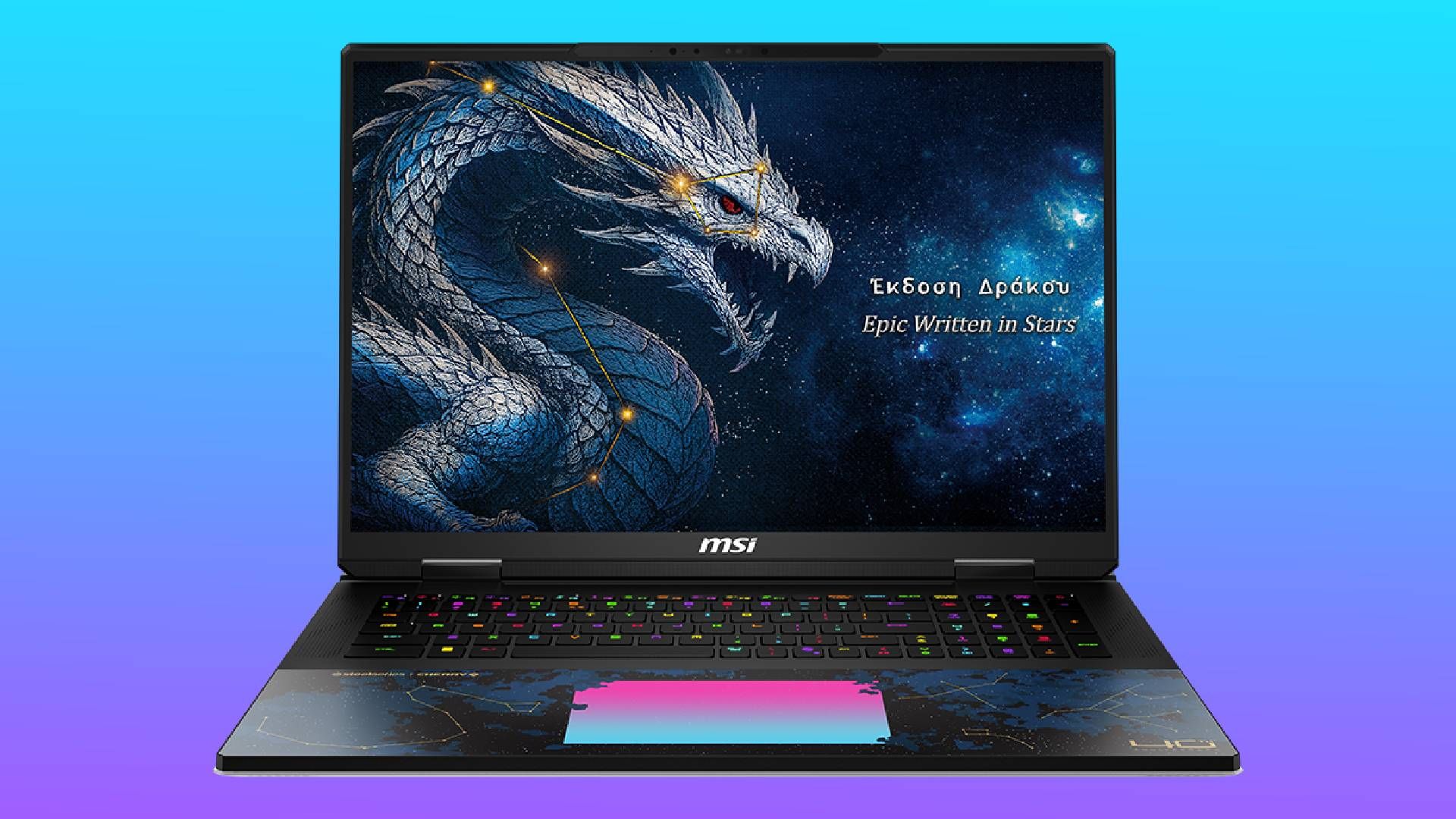
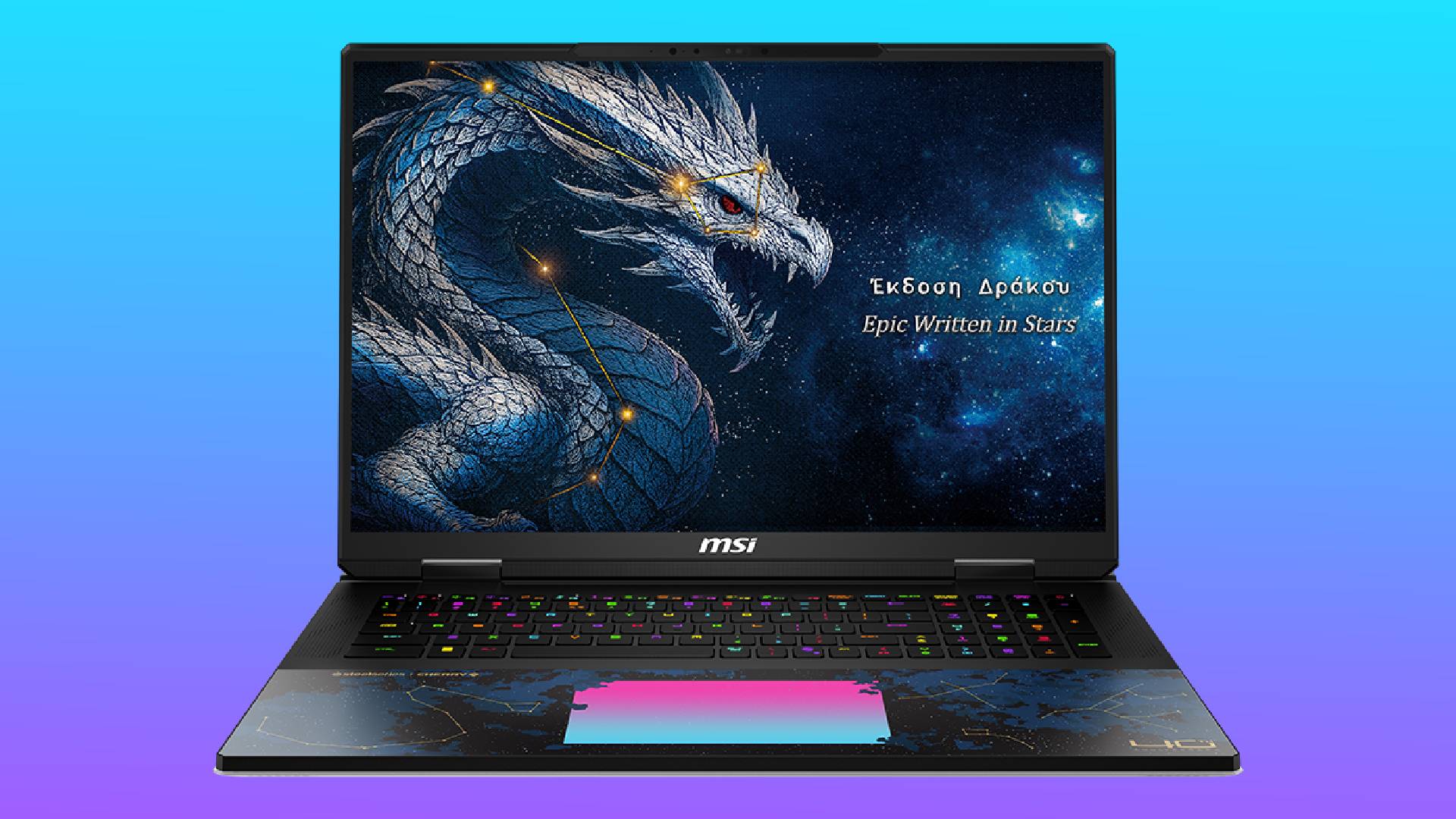
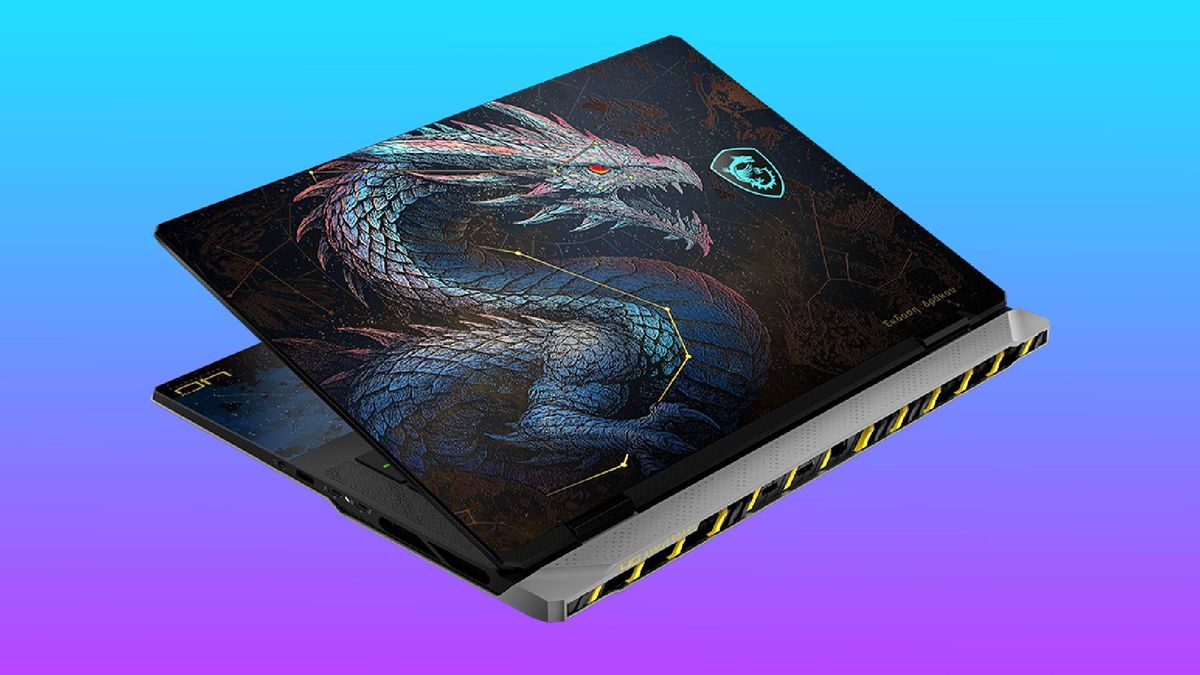
The MSI Titan 18 HX Dragon Edition has arrived with a staggering price tag of $7,000, positioning itself not merely as a laptop, but as a statement piece of excessive engineering. As the PC market continues to grapple with the rising costs of flagship components, this machine represents the absolute zenith of "no-compromise" computing—provided one has the budget of a small enterprise.
Main Facts: A Spec-Sheet Titan
At the heart of the Titan 18 HX Dragon Edition lies a configuration that borders on the excessive. MSI has equipped this portable powerhouse with Nvidia’s latest flagship, the RTX 5090 GPU, featuring a massive 24GB of GDDR7 VRAM. This is paired with Intel’s Core Ultra 9 290HX Plus processor, a chip designed for high-thread-count workloads and aggressive gaming.
Beyond the core silicon, the machine is bolstered by 96GB of DDR5 memory and cavernous SSD storage capacities, clearly aimed at users who view "bottlenecks" as an existential threat. The visual experience is anchored by an 18-inch MiniLED display boasting a resolution of 3840×2400. While the 120Hz refresh rate is competent for high-fidelity gaming, it sits in a precarious position given the $7,000 investment; competitors at lower price brackets often provide higher refresh rates, making the screen choice one of the most debated aspects of the device.
A Chronology of Corporate Milestones
MSI’s 40-year journey from a motherboard manufacturer to a global leader in gaming peripherals has been marked by a transition from utility to branding dominance.
- 1984: MSI is founded, focusing on specialized motherboard manufacturing.
- The 2010s: The brand pivots heavily toward the "gaming laptop" category, defining the aesthetic of black-and-red aggressive styling.
- May 2024: Industry rivals, notably ASUS, kick off their own anniversary celebrations, signaling a shift toward "collector’s edition" hardware.
- Late 2024: The launch of the Titan 18 HX Dragon Edition serves as the culmination of MSI’s ruby anniversary, aiming to cement its status as a luxury provider rather than just a hardware vendor.
This launch is part of a wider industry trend where manufacturers are attempting to recapture the attention of enthusiasts by releasing "anniversary" hardware that serves more as a showcase of manufacturing capability than as a viable consumer product.
Supporting Data: The Cost of Excess
The $7,000 price point is difficult to justify through raw performance metrics alone. While the RTX 5090 is an undisputed king of graphical processing, the "mobile" version in a laptop chassis is inherently thermally constrained compared to its desktop counterpart.
Component Value Breakdown
| Component | Market Context |
|---|---|
| Nvidia RTX 5090 (Mobile) | The flagship mobile GPU; high power draw, high cost. |
| Intel Core Ultra 9 290HX | High-end mobile silicon; optimized for top-tier performance. |
| 96GB DDR5 RAM | Reflects the current premium cost of high-capacity memory kits. |
| MiniLED Display | Premium panel technology, accounting for a significant portion of the total build cost. |
Despite these premium components, the "Dragon Edition" markup remains significant. When compared to the standard Titan 18 HX, the price delta suggests that a large portion of the cost is attributed to the branding, the exclusivity of the anniversary design, and the limited-run nature of the chassis. Even the inclusion of Lego Batman: The Videogame—a lighthearted inclusion for a $7,000 device—underscores the somewhat jarring disconnect between the machine’s utility and its marketing.
Competitive Landscape and Industry Reactions
MSI is not alone in this "luxury" hardware push. Earlier this year, the ASUS ROG brand celebrated its 20th anniversary with a slew of products that challenged traditional pricing norms. From aluminum-clad motherboards designed to mimic vintage copper aesthetics to China-exclusive DRAM kits that turned memory into a fashion statement, the industry is clearly pivoting toward the "luxury watch" model of PC hardware.
Critics argue that these products serve as "halo" devices. They are not intended to sell in high volumes; rather, they exist to keep the brand in the headlines. By creating a product that is undeniably "the most expensive," MSI ensures that any discussion of high-end gaming laptops must include their name. However, for the average enthusiast, the reaction has been one of skepticism. Many in the community have noted that a user could build a top-tier desktop workstation—complete with a liquid-cooled RTX 5090 and a 4K 240Hz monitor—for half the price of the Titan 18 HX Dragon Edition.
Implications for the Future of PC Hardware
The existence of the Titan 18 HX raises critical questions about the future of the laptop market. Are we seeing a permanent split between "utility" gaming laptops and "luxury" status symbols?
The "Status Symbol" Shift
Hardware manufacturers are increasingly aware that PC gaming has entered the mainstream. As the demographic of gamers ages and their disposable income grows, there is a clear segment of the market that prioritizes brand loyalty and exclusivity over logical value. This is similar to the automotive industry, where a base model sedan may share an engine with a luxury sports car, but the latter commands a higher price based on design, branding, and perceived prestige.
The Thermal Ceiling
The biggest implication for the Titan 18 HX is the thermal reality. Packing an RTX 5090 into a laptop chassis, even an 18-inch one, tests the limits of physics. The power delivery and cooling systems required to keep these components running are the real engineering marvels here, more so than the components themselves. If MSI can successfully manage the thermals of this unit, it may lead to better cooling solutions for their more accessible product lines.
Conclusion: Who is this for?
Ultimately, the MSI Titan 18 HX Dragon Edition is a curiosity. It is a machine that demands attention but struggles to provide a rational reason for its own existence. For the "MSI Super Fan," it is an essential piece of history—a physical manifestation of 40 years of brand evolution. For the pragmatic gamer, it is a reminder that the top end of the market is becoming increasingly untethered from reality.
As we move further into the era of AI-driven computing and increasingly powerful mobile silicon, the definition of a "gaming laptop" will continue to shift. MSI has staked its claim at the high end of the luxury market, and while the $7,000 price tag may cause the average consumer to recoil, it serves its purpose perfectly: it marks the brand’s territory in the stratosphere of computing, leaving the rest of us to wonder if the extra thousands are truly worth the dragon-themed paint job.

